Author: Omobolaji Durojaiye

  • West African Conservationist Iroro Tanshi Receives 2023 Pritzker Emerging Environmental Genius Award

    West African Conservationist Iroro Tanshi Receives 2023 Pritzker Emerging Environmental Genius Award

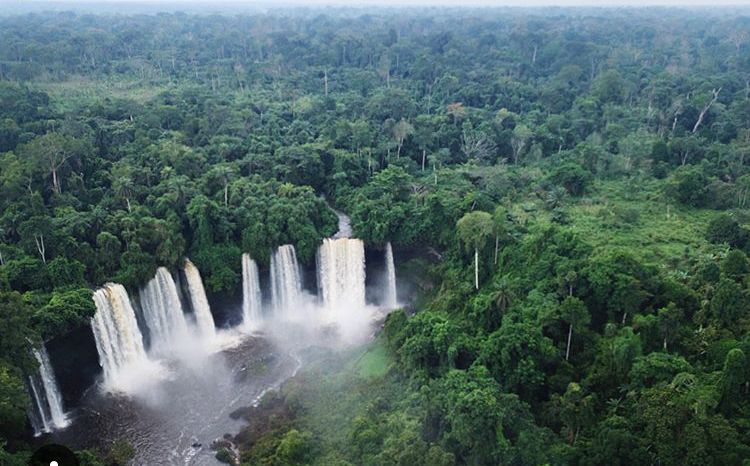
    On the 26th of  October, west African conservationist Iroro Tanshi was honoured with the 2023 Pritzker Emerging Environmental Genius Award from the UCLA Institute of the Environment and Sustainability. Tanshi won the award for conserving West Africa’s last two primary forests– the Afi Mountain Wildlife Sanctuary and Cross River National Park.

    In her speech, Tashi said: “This is not just for me this is for all of us and for the nominees,” adding that “nature” was the biggest winner.

    The Pritzker Award, presented annually, carries a prize of $100,000 that is funded through a portion of a $20 million gift to UCLA from the Anthony and Jeanne Pritzker Family Foundation. It is the field’s first major honour specifically for innovators in their early career — those whose work stands to benefit most from the prize money and the prestige it conveys.

    Tanshi implemented an effective wildfire prevention program, informed by ecology research and community input, to warn people against dangerous burning activities on high-fire-risk days. Like many places worldwide, West African forests are threatened by wildfires that are increasing in frequency and severity due to climate change. Logging and poaching pose additional threats to the forest ecosystems.

    Tanshi serves as the co-director of the Small Mammal Conservation Organization, a grassroots initiative dedicated to preserving endangered species like drill monkeys and the short-tailed roundleaf bat, all while prioritizing the well-being of local communities.

    Raised in a modest oil town in southern Nigeria, Tanshi experienced the detrimental impacts of the petroleum industry on the Niger Delta firsthand. This fueled her interest in ecology and led her to initially focus on bat conservation. Over time, her dedication expanded to encompass the conservation of entire ecosystems in West Africa. Tanshi aspires to extend her efforts continent-wide through collaborative work with like-minded, community-centred conservation and research groups.

    “My team has moved from just one or two staff to 75 people” in the past five years, Tanshi said. “This army of people staffing the field will work together to change firescapes, which is what they are, back to forest-scapes.”

    Tanshi was nominated by Timothy Watkins Sr., president and CEO of the Watts Labor Community Action Committee, a nonprofit dedicated to improving the quality of life of South Los Angeles residents.

    The other two finalists for the award were Juan Carlos Monterrey Gómez, executive director of environmental nonprofit Geoversity, and Hana Raza, chairperson of Leopards Beyond Borders.  

    The panel of judges who chose Tanshi as this year’s winner was made up of Antonio Bernardo, dean of UCLA Anderson School of Management; Darnell Hunt, UCLA executive vice chancellor and provost; Jeanne Holm, deputy mayor of finance and innovation for the city of Los Angeles; Hans Mehn, a partner at Generation Investment Management; and Abel Valenzuela Jr., interim dean of social sciences and a professor at UCLA.

    Tanshi received the Pritzker Award from Tony Pritzker, who founded the award and is a member of the Institute of the Environment and Sustainability’s advisory board.

    UCLA Chancellor Gene Block noted the importance of the moment to the university in his remarks.

    “One of our university’s great roles is to act as a convener — bringing together brilliant minds from diverse backgrounds to better understand and address the world’s pressing challenges,” Block said. “This award is a perfect example of that.”

  • The Marvel of the Camel’s Hump

    The Marvel of the Camel’s Hump

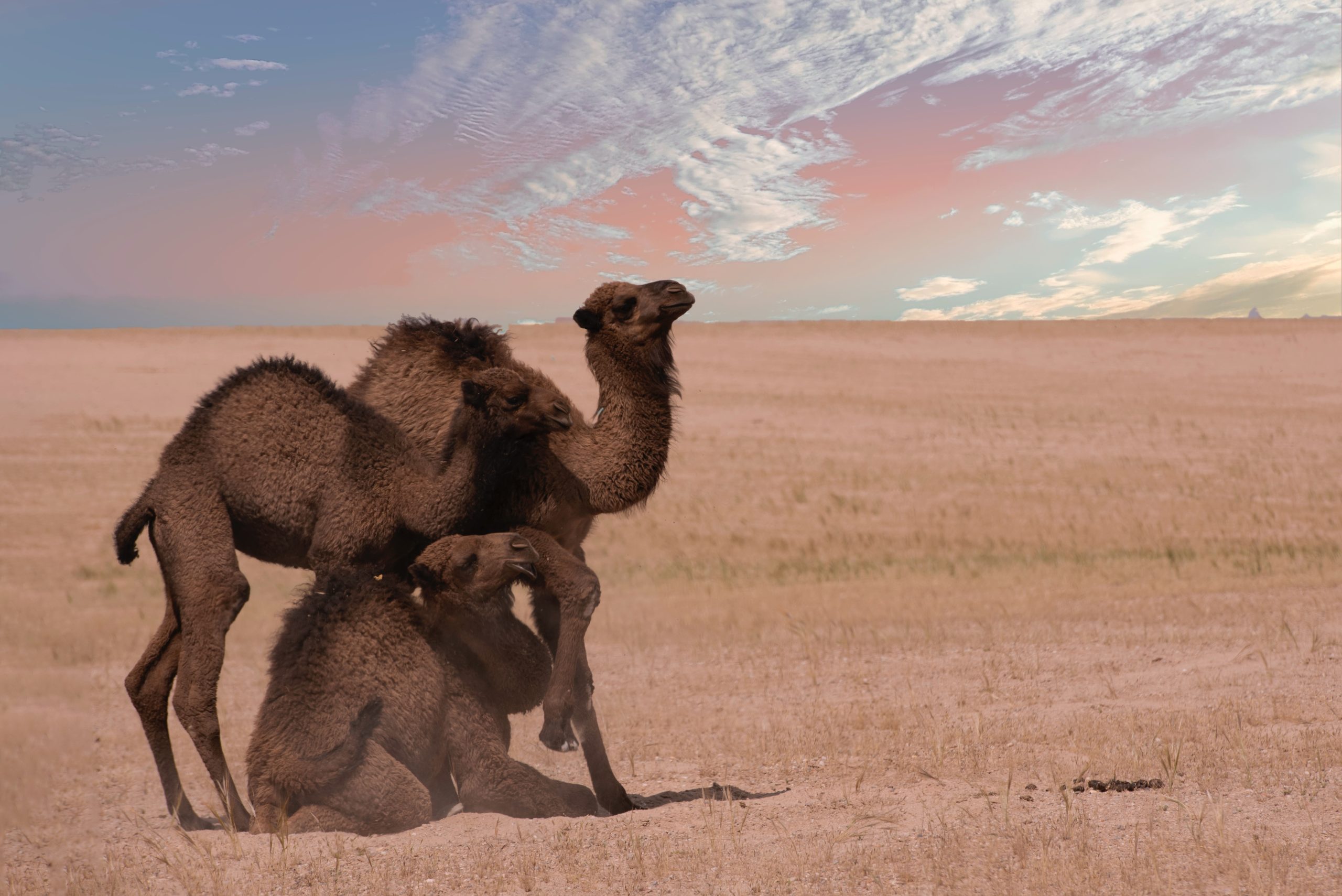
    In the rugged, water-starved landscapes where camels reign supreme, their ability to endure extended periods without a sip of water is nothing short of astonishing. Picture this: a barren environment, with less than 25 centimetres (10 inches) of rainfall annually. In this harsh setting, camels can go for weeks without a drop to drink. When they finally do take a drink, it’s a spectacle in itself – a camel can guzzle up to 25 gallons of water in one go. Now, here’s the kicker: many believe that all that water must be stored in those iconic humps. But hold on, that’s not quite right, where then does that enormous amount of water go? First, let’s find out what the deal with the hump is.

    So, what’s the deal with a camel’s hump? It’s actually a storehouse of fat, meticulously stashed away to provide vital nutrients when food is scarce. When the going gets tough and sustenance is hard to come by, the camel’s body taps into this reserve, converting fat into energy to keep the camel going strong. Ever notice a sagging hump? That’s a sign that the camel’s been on a diet, so to speak. Once food’s back on the menu, the hump perks right back up. But wait, there’s more to this hump tale. It’s also a temperature regulator.

    The Hump- A Thermal Regulator

    In the scorching daytime heat, the fats in the camel’s hump act as a shield, soaking up the sun’s rays. Then, when the cool night descends, that stored warmth spreads throughout the camel’s body, ensuring it doesn’t catch a chill in the desert’s chilly embrace.

    Bloodstream

    Now, let’s tackle the second question: where does all that water go? Turns out, camels are like walking water tanks. They don’t store it in their humps, but rather in their bloodstream. And here’s where camels truly shine. Their blood cells are oval-shaped and stretchy – they can expand and contract. When water is scarce, these unique cells shape-shift to accommodate more liquid, keeping the camel hydrated even in the driest desert stretches.

    camel-vs-human-blood=cell
    On the left, is a close-up of a Human blood cell. On the right, a camel’s blood cell. @Vedantu.com

    So, there you have it – a camel’s hump is a multitasking marvel. It’s a fat reserve for lean times, a thermostat for temperature control, and even a water distribution centre. In the unforgiving desert, these humps are a lifeline, helping camels not just survive, but thrive. The hump is tailor-made for a harsh and demanding habitat.

  • Economic Trees

    Economic Trees

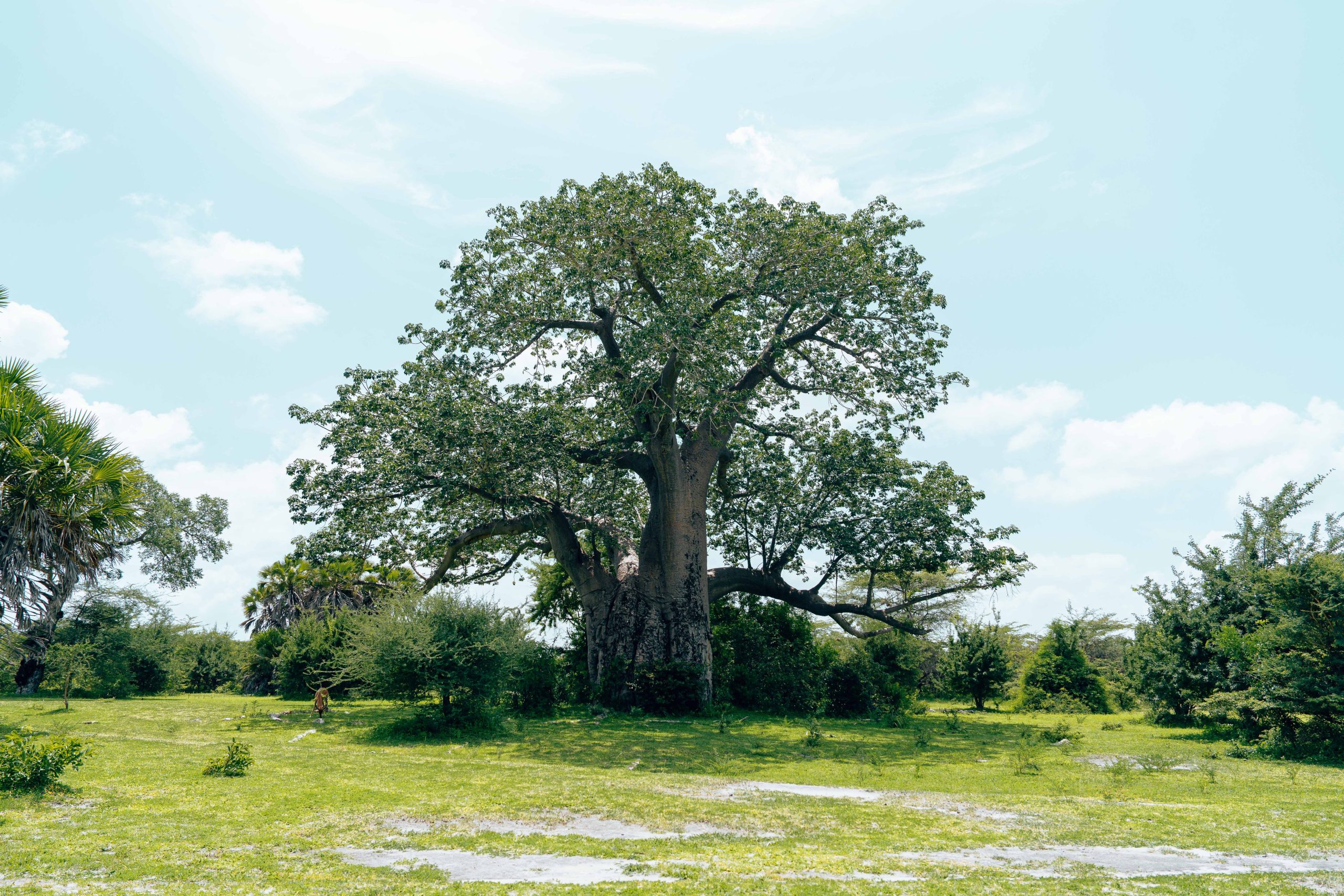
    Economic trees, found in urban areas, hold more than just ornamental value. They contribute significantly to both local communities and the global economy. These trees bear fruits, provide valuable timber, and play a vital role in environmental preservation. In this article, we will delve into the utilization and significance of economic trees, emphasizing their pivotal role in sustainable development. We’ll explore specific examples, the benefits they offer, and the challenges they face in today’s world, such as deforestation and climate change.

    Versatile Utilizations of Economic Trees:

    Timber Production: One of the primary uses of economic trees is for timber production. Trees like oak, teak, and mahogany are highly sought after for their quality wood, which is used in construction, furniture making, and various industries.

    Fruit Trees: Trees like apples, mangoes, walnuts, and cashews are cultivated for their edible fruits and nuts. These provide essential nutrition and income for communities, contributing to food security and livelihoods.

    Medicinal Properties: Many trees have medicinal properties. For instance, the bark of the cinchona tree is a source of quinine, used to treat malaria. The Neem tree is known for its antifungal and antibacterial properties.

    Oilseed Trees: Trees like the oil palm and coconut trees are cultivated for their oil-rich fruits. These oils have various industrial applications and are used in cooking, cosmetics, and pharmaceuticals.

    Environmental Benefits:

    Carbon absorption: Economic trees are vital in mitigating climate change. They absorb and store carbon dioxide, helping to reduce greenhouse gas concentrations in the atmosphere.

    Biodiversity Conservation: These trees provide home and food sources for a diverse range of wildlife, supporting ecosystems and biodiversity.

    Economic Significance:

    Employment Generation: The cultivation and harvesting of economic trees create jobs for millions of people globally, particularly in rural areas.

    Income Generation: Through the sale of timber, fruits, nuts, and other products, economic trees contribute significantly to the income of individuals and communities.

    Challenges and Conservation:

    Deforestation: Cutting down trees and using land in an unsustainable way is a danger to many valuable economic tree species. Efforts to combat deforestation and promote sustainable forestry are crucial.

    Pest and Disease Management: Economic trees are vulnerable to various pests and diseases. Research and management strategies are essential to protect tree populations.

    So in summary, economic trees are an integral part of our global ecosystem, providing a wide array of benefits from economic prosperity to environmental sustainability. Recognizing their significance and implementing sustainable practices in their cultivation and management is essential for a balanced and thriving future.

  • Water is life, water is food. Leave no one behind: Celebrating World Food Day

    Water is life, water is food. Leave no one behind: Celebrating World Food Day

    World Food Day, on October 16, marks the founding of the United Nations Food and Agriculture Organization (FAO) in 1945. This year’s theme, “Water is life, water is food. Leave no one behind,” spotlights water’s crucial role in agriculture and survival. It’s more than just celebrating food; it’s a call to action against global hunger. This day also aims to educate on healthy diets. Observed in 150 countries and 50 languages, World Food Day, established by the FAO in 1979, advocates for responsible food practices globally.

    The theme “Water is life, water is food. Leave no one behind” stresses water’s significance in agriculture and its impact on food production. Recognising water’s finite supply, World Food Day underscores its vital role in sustaining life on Earth.

    What Can You Do To Celebrate This Day?

    1. Donate to a Food Bank or Charity: Provide essential food items or monetary donations to local food banks, including cookies, canned goods, beverages, and grains.
    2. Contribute to Charitable Causes: Support charities through fundraising efforts, ranging from events to sponsored activities. Raise awareness and funds for those in need.
    3. Explore Food Origins: Visit farms, dairies, or open-kitchen restaurants to gain insight into the effort behind food production.
    4. Participate in Events: Attend local World Food Day events, including concerts, contests, cultural performances, exhibitions, hunger marches, and marathons.
    5. Learn about Global Hunger: Research how different countries, like Kenya, address food scarcity. Understand the challenges and initiatives in combating hunger worldwide.
    6. Discover Worldwide Initiatives: Investigate how over 150 countries observe World Food Day through conferences, campaigns, and events.
    7. Promote Food Security: Engage in conferences like Mongolia’s Food Security conference, emphasizing research and policies to enhance food security.
    8. Educate in Schools: Organize special ceremonies in schools to educate students about the significance of World Food Day, as seen in Cyprus.
    9. Engage in Exhibitions and Conferences: Participate in events hosted by NGOs, international agencies, research institutions, and ministries, as seen in Italy.

    Support Vulnerable Communities:

    Contribute to initiatives targeting urban families facing food insecurity, as practised in the Philippines and Pakistan.

    These activities offer various avenues to engage with World Food Day and make a positive impact on global food security.

    Despite the world producing more than enough food, one in nine people still suffer from hunger, mainly in rural areas. This lack of food leads to health problems like malnutrition and chronic diseases.

    Shocking figures from the FAO tell us that 670 million adults and 120 million kids (ages 5 to 18) struggle with obesity. This is because many are turning to processed, unhealthy foods. That’s why World Food Day focuses on spreading the message about balanced, healthy diets. It also supports farmers and teaches about sustainable farming. Educating people about how to fight global hunger is crucial for saving lives.

  • Importance of Wildlife Conservation

    Importance of Wildlife Conservation

    According to an article posted by panda.org a while ago, about 200 and 2000 extinctions occur every year, and loss of animals due to poaching, to stop this, wildlife conservation is of prime importance. There are many reasons for wildlife conservation, and this article will discuss them, but to better understand this article, we need to get some terms right.

    Ecosystem: A community of living organisms (plants, animals, and microorganisms) in conjunction with the nonliving components of their environment (such as air, water, and mineral soil), interacting as a system.

    Extinction is the process of species, family, or other group of animals or plants having no living members; and no longer in existence.

    Poaching: Illegal hunting, capturing, or killing of wildlife, often for trade, food, or other purposes.

    Ecosystem Services: The benefits that humans derive from ecosystems, including provisioning services (e.g., food, water), regulating services (e.g., climate control, disease regulation), and cultural services (e.g., recreation, spiritual and cultural values).

    Wildlife Conservation is the practice of preserving wildlife by protecting them and their habitat  

    Alright, with these terms in mind, let’s see the importance of wildlife conservation:

    Importance of Wildlife Conservation

    In the first three, note the importance of wildlife conservation to the ecosystem 

    1. Biodiversity Conservation – Wildlife consists of variations of life forms on Earth, Biodiversity is essential for maintaining the stability and resilience of the ecosystem, since different species play unique roles in their respective habitats. Learn more 
    2. Ecosystem Services – Many wildlife species provide essential ecosystem services for human survival. For example, pollinators like bees and butterflies are essential for the reproduction of countless plant species.
    3. Ecological Balance – Predators like lions and tigers can help keep the populations of prey like antelope in check, preventing the overpopulation of some species, without this, the ecosystem will be unstable. Learn more

    The other importance are these:

    1. Human Livelihoods – Many communities depend on wildlife for their livelihoods, through tourism, hunting (regulated and sustainable practices), and the use of natural resources. Conserving wildlife ensures the economic well-being of these communities.
    2. Scientific and Medical Discoveries – Wildlife and their habitats are sources of inspiration for scientific research and medical discoveries. Studying wildlife can lead to advancements in various fields, from genetics to pharmaceuticals, as well as our understanding of natural processes.
    3. Aesthetic and Cultural Value – Wildlife has intrinsic value and is an important part of many cultures and traditions. It enriches our lives through its aesthetic appeal, and many people derive joy and inspiration from observing and interacting with wildlife.
    4. Climate Change Mitigation – Forests and other natural habitats, which often house diverse wildlife populations, play a critical role in sequestering carbon dioxide and mitigating climate change. Protecting these habitats helps combat climate change.
    5. Education and Awareness – Wildlife conservation efforts provide opportunities for education and raising awareness about the importance of nature and the need to protect it. This can lead to more informed and environmentally conscious citizens.
    6. Moral and Ethical Considerations – Many people believe that all species have an intrinsic right to exist and that humans have a moral and ethical responsibility to prevent species extinction caused by human activities.
    7. Genetic Diversity – Wildlife populations often harbour unique genetic traits and adaptations that may be valuable for breeding programs, research, or future conservation efforts.

    In summary, wildlife conservation is vital for maintaining the health of our planet, preserving biodiversity, supporting human well-being, and upholding ethical and cultural values. It requires the collective efforts of individuals, communities, governments, and organizations to ensure the survival and thriving of the Earth’s diverse wildlife.

  • Great or Small, Love Them All: Celebrating World Animal Day

    Great or Small, Love Them All: Celebrating World Animal Day

    Every year on the 4th of October, the annual festival of animals is celebrated, acknowledging the diversity of the animal kingdom and reflecting on the importance of the welfare of animals around the world. Today, the 2023 celebration of World Animal Day is celebrated under the theme: “Great or small, Love them all”. Just as the theme implies, it implores us —Each and everyone that no matter how small an animal may seem to be, their lives matter. This year’s festival is a global movement dedicated to raising awareness and advocating for the welfare of animals. This special day reminds us that animals, regardless of their size or species, play a vital role in our ecosystem and deserve our love, respect, and protection. It emphasises the importance of cherishing every creature and the equal value of lives that share our planet.

    Just like it’s been previously mentioned, every animal has its role in balancing our ecosystem. Predators, like lions and tigers, help regulate prey populations, ensuring that ecosystems remain healthy. Insects, often disregarded, are the heroes of pollination, enabling the reproduction of countless plant species and providing the foundation of many food chains.

    Domestic animals, such as dogs and cats, offer companionship and support to humans, demonstrating the profound impact animals can have on our emotional well-being. Additionally, farm animals like cows, chickens, and pigs provide us with sustenance and livelihoods for millions of people worldwide.

    Significance 

    The Significance of World Animal Day:

    Originated by cynologist Heinrich Zimmermann and first organised on 24 March 1925 in Germany, World Animal Day was conceived as a platform to spotlight the plight of endangered species and galvanize efforts towards animal conservation. Over the years, it has transformed into a powerful day of action, education, and celebration, uniting animal enthusiasts, advocates, and organizations on a global scale.

    This commemorative event serves as a unifying force, uniting for kinder treatment of animals worldwide. It stands as a powerful reminder of our collective responsibility to safeguard and nurture the diverse species that coexist with us on this planet.

    Support The Movement

    What are some wonderful ways you can contribute to the welfare and conservation of animals? Here are some ways you can support them:

    1. If you’re thinking of having a pet, adopt from a rescue organisation or a shelter instead of buying from a breeder. This helps to care for animals in need.
    2. Offer your time and skills to local animal shelters, wildlife rehabilitation centres, or conservation organizations.
    3. Support organisations working to protect wildlife by donating.
    4. Choose products and services that are environmentally responsible. This helps protect the habitats of wildlife around the world. Learn more
    5. Reduce meat consumption, and eat more plant-based foods to minimise harm to farm animals.
    6. Avoid the use of harmful pesticides.
    7. Learn more about different species, ecosystems, and conservation efforts and share this knowledge with others to raise awareness.

    On this World Animal Day, we want to come together to celebrate the incredible diversity of life on Earth. From the smallest insects to the largest mammals, every creature has a vital role to play. By appreciating, respecting and protecting animals of all sizes, we ensure a more harmonious and sustainable future for our planet and all its inhabitants. Great or small, let us love them all. Show some extra love for your companions at home, this day is for them!

  • Guardians of the Forest: A Battle for Survival in Cross River National Park

    Guardians of the Forest: A Battle for Survival in Cross River National Park

    A Sit-Down with Martins Egot, Executive Director of Panacea for Developmental and Infrastructural Challenges for Africa Initiative (PADIC-AFRICA), Formerly Known as Development Concerns (DEVCON). In the interview with Mike Abang, the discussion primarily revolved around various issues concerning the Cross River National Park and the Community forest. One key topic addressed was the government’s decision to grant licenses to two mining firms within the Cross River National Park. Regarding this, Abang expressed his sentiments in the following statement:

    “Apart from the fact that the environmental organisation is very concerned about the environment of Cross River State and its forest communities, we have been in very close partnership with the Cross River National Park for over ten years now. They have been part of building the capacity of the community eco-guards that we train and support to take care of, manage and carry out surveillance and protection of community forests. The National Park has been very cooperative and they have been seeing results from our partnership but this same National Park is being encroached. For example, in Ofumkpa, where this mining activity is happening, for two years now we have been having joint patrols with the National Park officers, Rangers and the community eco-guards that we put together in Ofumkpa, and they have been protecting the forests together. But suddenly, we hear that there is a licence given to companies to mine, there is so much disaster in that place and for us, it is very disheartening.”

    Abang also voiced his concerns for the National Park facing imminent mining. He highlighted that Cross River State has been in a prolonged struggle against deforestation, an ongoing challenge. The region has witnessed significant damage due to activities like timber exploitation and uncontrolled deforestation, resulting in severe environmental harm. Amidst this ongoing battle, three distinct forest management systems played pivotal roles: Community Forests, Government Reserves, and the last stronghold of conservation, the National Park.

    The Sanctity of the National Park

    During the interview, when asked about the mandate of the National Park, Martins emphasized its significance. Established under the National Park Service Act, the National Park serves as the ultimate guardian of its ecosystem. Its primary directive is straightforward: safeguard and foster the diverse array of life within its confines. However, despite explicit prohibitions against mining, trespasses continued, posing a fundamental threat to its sanctity. This quote underscores his claim:

    “The National Park Service Act (2006) unequivocally underscores that national parks are sanctuaries meant exclusively for the propagation, protection and management of vegetation and wildlife. Notably, Section 22 of the Act delineates the functions of Management Committees, reinforcing the exclusive dedication of national parks to the propagation, protection and management of vegetation and wildlife.

    Section 29 makes an offence for any unauthorised person to go into the National Park without the permission of the Conservator-General. Mining activities are explicitly prohibited in section 30(1) of the Act which says, a person who, unless authorised to do so under this Act or the regulations under this Act, carries out an undertaking connected with forestry, agriculture, grazing or excavation or does any levelling of the ground or construction or any act tending to alter the configuration of the soil or the character of the vegetation; or does an act likely to disturb the fauna or flora; or engages in drilling, mining, prospecting or exploration of any kind of natural resources, is guilty of an offence.

    The National Park, therefore, has the mandate to manage and protect the National Park and the Federal Ministry of Mines and Steel Development should not in any way, give out leasing rights to any mining company in the National Park and they know this. We are trying to get to the appropriate authorities to ensure that this is reversed as soon as possible. As we speak, it is still happening in Ofumkpa.”

    Martins Egot fervently believed that the National Park held the potential to not only sustain the ecological balance but also to benefit the state and its people economically. Responsible tourism, he argued, could transform the park into a source of sustainable revenue, bridging the gap between conservation and livelihoods. While dissenting voices questioned the tangible benefits of the National Park, Martins Egot understood that its true value transcended monetary reckoning. It was the lifeblood of a delicate ecosystem, a sanctuary for a myriad of species, each playing a crucial role in the intricate web of life.

    Empathy for Communities

    Martins Ergot spoke on the threat these actions have to the communities. He said: “Yes. At some point, we pity them and want to reason with them, even though they are not completely right. I have been engaging directly with the Ofumkpa people, we have been working closely and they have been part of our patrols, listening closely to our conservation debates and discussions and they participate. When this happened, we took them on and they said they were accepting these people because they were promising roads, schools, employment and little stipends for working with them at the mining site. These are the things that pull and push communities to be part of it and we do not blame them, it is life survival as a community; because these communities neither have good roads nor schools and the people there are very poor. Our governments that are supposed to be supporting communities with all these amenities are not forthcoming. Again, the National Park Authority which is supposed to be empowered to engage well in these communities and provide for the communities, is not doing that. We talk about livelihood but what degree of livelihood projects are we pushing to these community people? We empathise and sympathise with the community people and so in that direction, I will be calling on the Federal and state governments, even international NGOs to intervene.”

    A Call for Collaborative Action

    Martins Egot’s wisdom echoed through the trees, urging governments and NGOs to join hands with the communities. Building bridges, he believed, was the key to safeguarding both the cherished lands and the livelihoods of those who called them home. The battle for the Cross River National Park continues, a testament to the unwavering spirit of those who dare to stand as guardians of the forest. In this emerald realm, voices rise in unison, unwavering in their commitment to preserve this natural wonder for generations.

  • Nigeria Customs Intercepts N6.8 Million Worth of Endangered Species in Bustling Wildlife Trade

    Nigeria Customs Intercepts N6.8 Million Worth of Endangered Species in Bustling Wildlife Trade

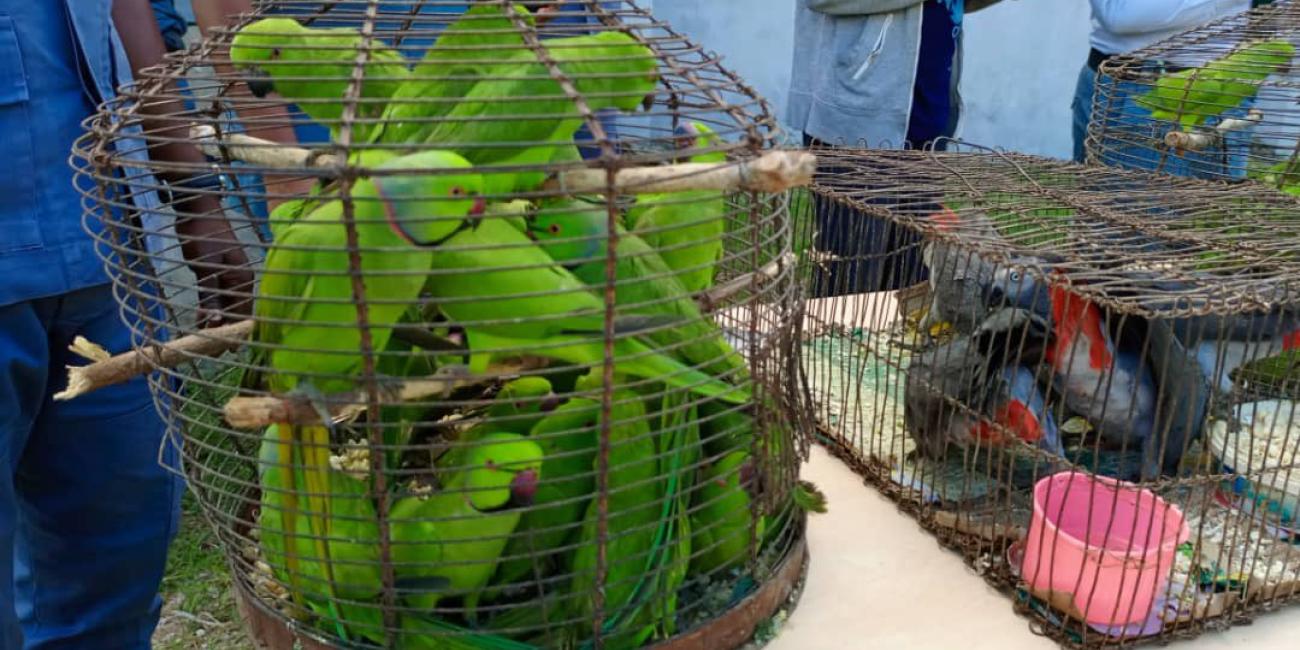
    On September 25, 2023, during his inaugural press briefing, Comptroller Timi Bomodi, the Customs Area Controller of the Nigeria Customs Service, Seme Area Command, announced the interception of live endangered African Grey Parrots, Green Parrots, and a hawk. These animals, valued at N6,859,832, were seized at the Gbaji checkpoint en route to the Benin Republic, based on credible intelligence received in the early hours of the same day.

    Comptroller Bomodi revealed that the creatures were discovered in a luxurious bus travelling from Kaduna to Lagos, to be sold abroad. He emphasized that such illicit trade in endangered species is a significant concern, as these animals hold high value outside the country, motivating individuals to undertake considerable risks in smuggling them.

    Underlining the Nigeria Customs Service’s dedication to combating this illicit trade, Comptroller Bomodi disclosed that two suspects were apprehended in connection with the seizure. He further explained that as a signatory to the convention on illicit trade in endangered species, it is the responsibility of the Nigeria Customs Service to ensure that such trades are halted.

    The seized animals were subsequently handed over to Comptroller Sanusi Magashi, the Controller of the Nigeria Agricultural Quarantine Services. It is within his purview to temporarily safeguard and nurture these animals before releasing them to a national park. Comptroller Magaji praised the Seme Area Command for their effective coordination, lauding their efforts as a job well executed.

  • Flowing Towards Freedom: Celebrating World Rivers Day and Advocating for the Rights of Rivers

    Flowing Towards Freedom: Celebrating World Rivers Day and Advocating for the Rights of Rivers

    World Rivers Day, established in 2005, is dedicated to reminding us of our invaluable aquatic landscapes. This commemoration reminds us to cherish and safeguard this priceless resource we have, it emphasizes the significance of rivers in sustaining life and urges individuals to take action for the conservation of these natural bodies.  In this article, we’ll discuss the importance of World Rivers Day, and the role of rivers in our ecosystems, and offer practical ways to contribute to the preservation of these bodies.

    This year’s World Rivers Day centres on the concept of the “Rights of Rivers.” This theme underscores the profound value of rivers, recognising them as the vital force of our planet, sustaining all forms of life. Rivers supply vital water resources for human, animal, and plant life and serve as natural channels for efficient transportation.

    The Importance of World Rivers Day

     World Rivers Day is a day set to remind us of our precious water bodies and aims to foster awareness about the crucial role that rivers play in our environment and society. It provides the international community with an opportunity to come together to talk about the vital role water plays in our lives– Consumption, Transportation, Recreation etc. It’s a day that reminds us of our shared responsibility of protecting our waters from harm.

    Roles of rivers in our ecosystem

    1. Water Source – Rivers are the primary source of freshwater supply for drinking, agriculture, and industrial use. rivers play a crucial role in providing us with clean and usable water for our daily needs.
    2. Biodiversity – Rivers are the home to several species of sea creatures, they serve as the habitat to countless species of fish, birds, insects and mammals.  All these creatures together create a connected and balanced environment where they can thrive and depend on each other for survival. So, rivers are not just water; they’re bustling ecosystems full of diverse life forms.
    3. Transportation and Trade – Throughout recorded history, rivers have been crucial for transportation and trade. They enable people and goods to move from one place to another, which in turn leads to economic growth and the exchange of different cultures. In simple terms, rivers have always been important for moving things around and for the development of economies and cultures.
    4. Recreation – Rivers offer enjoyable activities like fishing, swimming, boating, and more, offering valuable chances for relaxation and leisure.
    5. Natural Filtration Systems – Rivers work like natural cleaners, taking out dirt and harmful substances from the water. This is really important because it keeps the water safe and clean for both the animals that live in it and for us to use.

    Practical Ways to Contribute to the Preservation of Rivers

    1. Taking steps to fix any leaks, opting for water-saving appliances, and being conscious of how much water you use are effective strategies to reduce the amount of water consumed in your home. This helps conserve this precious resource and can lead to a more sustainable and environmentally friendly household.
    2. Trees and plants that grow along the edges of rivers (riverbanks) play several important roles. They help hold the soil in place, which prevents it from being washed away by the water (erosion). This is crucial for maintaining a stable environment. Additionally, these trees and plants offer homes and shelter for various kinds of wildlife. One way to support this ecosystem is by getting involved in tree-planting programs or projects that aim to restore and enhance these natural areas. By participating in such initiatives, you’re actively contributing to the health and stability of river ecosystems.
    3. Spreading information and knowledge about why rivers are crucial for our environment and society. It also involves actively supporting and promoting rules and guidelines that focus on taking care of rivers in a way that ensures they can be used and enjoyed for a long time without causing harm to the environment or depleting their resources. This can involve things like controlling pollution, managing water usage, and preserving the natural habitats around rivers.
    4. Become part of efforts to clean up rivers in your local area. It could involve participating in organized events where community members come together to remove trash and harmful substances from the riverbanks and the areas nearby. This action helps in keeping the river environment clean and safe for both wildlife and people. It’s a practical way to contribute to the well-being of the ecosystem and ensure that the river remains a healthy and enjoyable place for everyone.
    5. Share information like this about World Rivers Day and the significance of rivers with your friends, family, and community members. Having knowledge about this topic is a potent catalyst for making positive differences.

    World Rivers Day offers a special chance to engage with nature and acknowledge the crucial role rivers play in supporting life on our planet. Getting involved in activities that advocate for river conservation allows us to enhance the health of our ecosystems and communities. On this significant day, let’s unite to celebrate the life-giving essence of rivers and pledge to protect them for the well-being of generations to come.


  • Zero Emissions Day

    Zero Emissions Day

    Today, September 21st, marks an exceptional occasion – Zero Emission Day. This day presents a wonderful and enjoyable opportunity to not only celebrate our cherished planet but also to unite in an effort to shield it from the detrimental effects of air pollution, a major contributor to global warming. Every year on this date, individuals across the globe engage in various activities aimed at advocating for clean air and minimizing both greenhouse gas and carbon emissions. It is a collective endeavour to foster a sustainable environment for all.

    Established in 2008, today is a special day dedicated to giving our planet a break from harmful fossil fuels and the pollution they cause. It’s also a chance to talk about the importance of using renewable energy sources and how each of us can make a positive impact by changing our habits.

    Today, our focus is on understanding how we can actively support this day by adhering to the following steps:

    1. Conserve Energy – Use less electricity by turning off lights and appliances when you’re not using them. Opt for energy-saving devices and use natural light instead of electric lights. Also, unplug chargers and gadgets you’re not using. This helps save energy and keeps the air cleaner. If you can, try using candles or enjoy the sunlight instead of using electric lights.
    2. Use Public Transportation – Cut your emissions by sharing rides, using public transit, or walking/biking for short trips. Riding your bike is a healthy, eco-friendly choice. If biking isn’t an option, take the bus or train to lessen city traffic and pollution. Walking is good exercise and helps the environment too. If you must drive, carpool with friends or family to reduce the number of cars on the road.
    3. Plant Trees – Planting trees is a great way to help the environment. They absorb carbon dioxide and give shade and homes to animals. You can do this in your yard or join a community event. Trees make the air cleaner, too. Get involved in tree-planting projects or support local green areas.
    4. Support Local Businesses – Choose local businesses that care about the environment. Look for ones using recycled or renewable materials. If you own a small business, you can help too. Give discounts for using reusable bags and use eco-friendly practices. It’s not just about the environment, it’s also about keeping our local economy strong!
    5. Learn and Enlighten – Learn and talk about climate change. Read, watch, and discuss with family and friends how we can help. Share useful articles like this on social media. Every person matters, but we all need to join in for a big change. Spread the word about zero emissions and eco-friendly habits. Support rules that make our future greener.

    Even small actions add up to a better planet. Together, these steps make a big difference in cutting emissions and keeping our Earth safe. Zero Emissions Day is a chance to enjoy and care for our planet. Join in, support sustainable living, and speak up for a greener world!