Author: ConservationsNG

  • Nigeria’s last elephants wrestle for survival in forgotten reserve as Omo Forest suffers neglect

    Nigeria’s last elephants wrestle for survival in forgotten reserve as Omo Forest suffers neglect

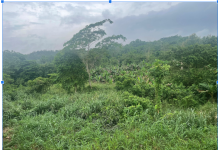
    At dawn, the Omo Forest comes alive with a cacophony of whispers. Giant mahogany trees are blurred into a soft cloak of mist, with the melody of chirping birds emerging from the morning fog. Somewhere deep in the forest, some of the last herd of elephants in southwestern Nigeria quietly map the damp soil with their feet.

    But the calm is deceptive. Omo Forest Reserve, a 1,305-square-kilometer protected area in Ogun State, is under siege. Chainsaws snarl in the distance. Cocoa farms spread like wounds through the undergrowth. Timber trucks rumble down bush paths carved illegally into the reserve. And poachers, emboldened by weak enforcement, leave behind snares, gun shells, and fear.

    Here, Nigeria’s last forest elephants are forced to the brink.

    Amid this crisis stands one man, Emmanuel Olabode, a conservationist whose life has become entwined with the fate of these elephants. For nearly a decade, he has walked the forest, tracked the animals, recruited rangers, and tried to reconcile communities with conservation.

    Olabode Emmanuel, one of Nigeria's most outspoken rangers
    Olabode Emmanuel, one of Nigeria’s most outspoken rangers

    The ranger who cares 

    “When I first heard about elephants in Omo, I didn’t know they were so close to Lagos,” Olabode recalled, his voice carrying both awe and disbelief. “It took months of following footprints, droppings, broken branches, signs everywhere, but no actual sighting. When I finally saw them, it was one of the most intriguing moments of my life.”

    As project manager of the Forest Elephant Initiative at the Nigerian Conservation Foundation, Olabode leads a small team of 12 rangers tasked with protecting Omo’s fragile wildlife.

    “We use the elephants as a flagship species,” he explained. “If we can save them, we can save everything else here, chimpanzees, monkeys, birds, even the trees themselves.”

    But elephants are only a part of the story. Omo shelters over 200 tree species and more than 100 types of mammals and birds, from the rare Nigeria-Cameroon chimpanzee to the endemic white-throated guenon monkey. Each faces the same fate: survival or vanishing, determined by how quickly the destruction of Omo is curbed.

    “Biodiversity is a critical part of our work,” Olabode explained. “We are losing species that once defined this forest. Some are so rare now that even researchers spend years without spotting them.”

    A forest under siege

    Driving into Omo Forest is like stepping into two colliding worlds. On one hand, towering rainforest trees soar above all else, their buttresses anchoring the soil. On the other hand, yearning gaps reveal scars of human invasion, fresh tree stumps, charred earth from slash-and-burn farming, and makeshift camps of loggers.

    loggers in the Omo reserve

    Officially, Omo is designated a Strict Nature Reserve, a classification that should bar extractive activities. In reality, illegal timber harvesting and subsistence farming flourish, threatening the integrity of the forest. Over the years, seven percent of its tree cover has been lost,  a number that underestimates the intensity of ongoing degradation.

    Olabode’s rangers routinely encounter poachers and illegal loggers, sometimes armed and aggressive. “It is dangerous work,” he admitted. “Some of them will attack anything that comes their way. We also deal with human-wildlife conflicts when elephants raid farms or when farmers encroach deeper into elephant habitat. Every day is a struggle.”

    The risks are compounded by the terrain itself: rangers trek for hours through rivers, hills, and thick undergrowth, often in torrential rains. “This is not like working in a zoo where animals are behind fences,” Olabode said. “Here, we share the same space with them.”

    Turning poachers into protectors

    Perhaps the most striking shift in Omo’s story lies in the men who once hunted its wildlife but now stand guard over it.

    For instance, Gbenga Ogunwole, a wiry man with a ready smile, hitherto spent years hunting antelope and monkeys to feed his family. Today, dressed in a faded ranger’s uniform, he patrols the forest alongside Olabode.

    “World Ranger Day is meaningful to me,” Ogunwole said. “Before, I was part of the problem. Now I’m part of the solution. People now recognise our work — to protect nature instead of destroy it.”

    By recruiting former hunters as rangers, the Forest Elephant Initiative not only reduces poaching but also integrates local knowledge of animal behaviour and forest navigation into conservation. This approach has also improved relations with nearby communities, who once saw rangers as outsiders threatening their livelihoods.

    “We regularly visit villages, talk to people about why conservation matters — not just for animals, but for human life,” Olabode explained. “When they see their own brothers wearing the ranger uniform, it changes the narrative.”

    Between Farmers, Loggers & Elephants

    Still, the battle for Omo is as much economic as it is ecological. Farmers cultivate cassava and cocoa deep inside the reserve, while loggers, some backed by powerful syndicates, target prized hardwoods like mahogany. Both groups argue they rely on the forest to survive.

    “Everybody claims the forest is theirs,” Olabode said. “The farmers say they must feed their families, the loggers say they need timber for their business. But where do the elephants go if we lose the forest?”

    The result is frequent tension. Rangers are caught in the middle, enforcing conservation laws that are often undermined by weak prosecution and political interference. Arrested loggers or poachers sometimes walk free, eroding ranger morale.

    “Our work will only succeed if policies are enforced,” Olabode insisted. “If offenders are arrested and prosecuted, it will deter others. Right now, too many cases end with nothing.”

    The farmers’ perspective is layered

    In J4, a settlement inside the reserve, cocoa trees line the forest edges in neat, cultivated rows. For thousands of farmers, cocoa is life.

    Akeji Femi, former public relations officer of the Association of Cocoa Farmers in J4, has lived here since 1995.

    “There had been no incident of elephants attacking humans,” he said. “There was already cocoa farming by the time I got here.”

    Akeji Femi, a former Public Relations Officer of the Association of Cocoa Farmers
    Akeji Femi, a former Public Relations Officer of the Association of Cocoa Farmers

    Akeji Femi, a former Public Relations Officer of the Association of Cocoa Farmers


    For Femi, farming in the reserve is not theft but survival. He described a system where farmers, many of them migrants, pay multiple levies to gain access to farmland.

    “We pay money to different community chiefs to get land. In 1995, we paid N5,000. Now, in 2025, it is N100,000. Then we pay to government more than N13,000 per tonne of cocoa. We pay the state Ministry of Agriculture. Most of us are visitors in these communities. We don’t fight for land. We stay where we are given.”

    We pay money to different community chiefs to get land. In 1995, we paid N5,000...
    We pay money to different community chiefs to get land. In 1995, we paid N5,000…

    For him, the solution lies not in conflict but in clearer land use policies. “What I recommend is for the government to give us a portion to do cocoa farming, while they can also set another part for forest preservation,” he said. “We know there are parts set for the elephants which we don’t go to.”

    on paper, zoning sounds good
    on paper, zoning sounds good

    On paper, this sounds simple: zoning the forest to balance agriculture with conservation.

    In reality, blurred boundaries, weak enforcement, and political interests make it far messier. Farmers often find themselves encroaching into restricted zones either knowingly or unknowingly, while rangers struggle to enforce rules without appearing hostile to communities who feel they have paid their dues.

    But while cocoa farmers defend their presence, others accuse them of being a greater threat to the forest than anyone else.

    Odunayo Ogunjobi, a timber contractor licensed by the Ogun State Ministry of Forestry, has watched with alarm as swathes of economic trees are felled to make way for cocoa plantations.

    “The government generates as much as over N8 million from me alone,” Ogunjobi said, “excluding the other indirect workers who depend on me. But illegal cocoa farmers are destroying the forest. They cut down valuable economic trees in Omo’s J4 area just to pave way for cocoa farms.”

    Odunayo Ogunjobi

    Odunayo Ogunjobi

    He recalled that during the administration of former governor  Gbenga Daniel, illegal farmers were expelled from forest reserves across the state. “As soon as Daniel left office in 2011, they all returned and increased in numbers,” he said, his frustration clear. “Now they pose a great threat to the security and economy of the state.”

    For Ogunjobi and other contractors, the issue is not just about wildlife, but also about the sustainability of the timber industry itself.

     “We are struggling to get timbers because most of the illegal contractors are taking over everywhere,” he said. “We generate a lot of revenue for the government, but no one seems to be listening to our cry. No one is monitoring the forest. At this rate, in the next two or three years, the trees or forests will go extinct.”

     Paper trail 

    Evidence of the state’s deep financial entanglement in the forest economy is captured in a document pinned on a wall at Area J4: “OGUN STATE FORESTRY PLANTATION PROJECT, AREA J4. PROJECT ACCOUNT NUMBERS FOR CONTRACTORS”.

    The notice lists official bank accounts for payments tied to different forestry activities: Eco Bank 5452011799 – for Gmelina exploitation; Eco Bank 5452011782 – for 25% FTF (Forestry Timber Fee); Wema Bank 0120291519 – demarcation amount of N20,000 and Wema Bank 0120291935 – a non-refundable amount of N50,000.

    The structured fees, covering exploitation, levies, demarcation, and administrative charges, reveal how forestry exploitation is not only permitted but institutionalised by the state. Contractors, like Ogunjobi, pay millions into these accounts. But cocoa farmers also pay chiefs, ministries, and additional levies, creating a dual system of extraction.

    This fragmentation of authority means that while the state can claim legitimacy through bank receipts, farmers can also claim legitimacy through receipts from chiefs and agricultural ministries. The result is overlapping rights and competing claims to the same forest — a recipe for conflict and unsustainable exploitation.

    The Global Ranger Crisis

    Omo’s challenges mirror a larger crisis across Africa. With human populations expanding and forests shrinking, rangers are the thin green line between survival and extinction for countless species.

    “Rangers are nature’s first line of defense,” said Linus Unah, West Africa Director for Wild Africa. “Without them, our iconic wildlife like lions, elephants, and gorillas could disappear forever.”

    Linus Unah, West Africa Director for Wild AfricaThe human cost of conservation
    Linus Unah, West Africa Director for Wild AfricaThe human cost of conservation

    Yet, beneath the passion lies sacrifice. Rangers spend weeks away from their families, exposed to harsh weather, loneliness, and sometimes hostility from their own communities.


    “Some rangers are ostracised because they arrest neighbours or relatives involved in illegal activities,” Unah explained. “It takes resilience and dedication.”

    Globally, the mental toll of ranger work is only beginning to be recognised. Exposure to violence, animal attacks, and isolation often leads to trauma. Without support systems, many rangers suffer in silence.


    “People celebrate us once a year on World Ranger Day,” said Ogunwole, the former hunter. “But for us, every day is ranger day. We wake up not knowing what we will face.”


    Yet, rangers remain under-resourced. Globally, there are an estimated 280,000 rangers, a fraction of the 1.5 million needed to protect 30 percent of the planet’s land and sea by 2030. Between 2006 and 2021, more than 2,300 rangers died on duty worldwide, 42 percent from criminal activity linked to wildlife crime.


    For Omo’s team, the lack of insurance, medical care, and protective equipment compounds the dangers. “Rangers also have families, they have dependents,” Olabode said. “They deserve life insurance, healthcare, and proper motivation. Without that, the risks are enormous.”

    The human cost of conservation

    Yet, beneath the passion lies sacrifice. Rangers spend weeks away from their families, exposed to harsh weather, loneliness, and sometimes hostility from their own communities.

    Rangers spend weeks away from their families, exposed to harsh weather, loneliness, and sometimes hostility from their own communities.
    Rangers spend weeks away from their families, exposed to harsh weather, loneliness, and sometimes hostility from their own communities.

    “Some rangers are ostracised because they arrest neighbours or relatives involved in illegal activities,” Unah explained. “It takes resilience and dedication.”

    Globally, the mental toll of ranger work is only beginning to be recognised. Exposure to violence, animal attacks, and isolation often leads to trauma. Without support systems, many rangers suffer in silence.


    “People celebrate us once a year on World Ranger Day,” said Ogunwole, the former hunter. “But for us, every day is ranger day. We wake up not knowing what we will face.”

    Nigeria’s Forgotten Elephants

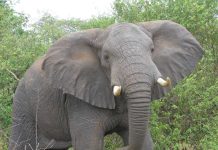
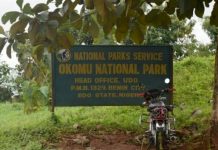
    Elephants once roamed widely across Nigeria. Today, fewer than 400 are thought to remain in scattered pockets across the country, from Yankari Game Reserve in Bauchi to Okomu National Park in Edo. Omo Forest may hold fewer than 100, perhaps Nigeria’s last viable forest elephant population.

    Forest elephants play a critical ecological role. By feeding on fruits and trampling vegetation, they disperse seeds and open pathways that allow forests to regenerate. Scientists call them “gardeners of the forest.” Losing them would unravel Omo’s ecological fabric.

    But Nigeria’s elephants have long been neglected in conservation planning. International headlines often spotlight East Africa’s savannah giants, while their forest cousins fade in obscurity. For Olabode, this invisibility makes the struggle harder.

    “If elephants disappear from Omo, Lagos will be the only megacity in the world with elephants at its doorstep that failed to protect them,” he said quietly.

    A ray of hope

    Despite the odds, Olabode insists the fight is not a losing battle. Awareness campaigns have begun to shift community attitudes, and government officials have shown renewed interest in supporting conservation.

    “We are making progress, even if it is slow,” he said. “With government support and stakeholder collaboration, we can secure this forest.”

    Wild Africa, alongside Nigerian Conservation Foundation, is pushing for stronger laws, ranger support, and integration of conservation into national planning. “It requires political will,” Olabode stressed. “Government must act before it is too late.”

    For rangers like Odamo Yemi, the work is deeply personal. “I love to protect nature, and I love to watch animal behaviour,” he said. “Even if it is risky, it is worth it.”

    What is at stake

    The fate of Omo’s elephants is not just about wildlife. The forest provides clean water, carbon storage, and climate resilience for millions in southwestern Nigeria. Its loss would accelerate flooding, soil erosion, and heat extremes in a region already grappling with climate shocks.

    “Protecting elephants means protecting people too,” Olabode said. “If the forest is gone, where will we go?”

    As dusk settles over Omo, the forest hums with cicadas and distant birdcalls. Somewhere in the shadows, the elephants move quietly, their survival balanced precariously between conservation efforts and human pressures.

    For now, the rangers keep watch, weary but undeterred. Their fight is for elephants, for Omo, and for a future where Nigeria’s last giants are not forgotten.


    This article was produced in partnership with Wild Africa. It was first published on www.businessday.ng

  • Nigeria’s Dwindling Elephant Population Sparks Urgent Conservation Call

    Nigeria’s Dwindling Elephant Population Sparks Urgent Conservation Call

    As the world marked World Elephant Day on August 12, 2025, with the theme “Bringing the world together to help elephants,” wildlife conservationists in Nigeria sounded the alarm over the country’s rapidly declining elephant population. According to reports from conservation groups, the number of elephants in Nigeria has plummeted from over 1,200 to just about 300-400 in the last 30 years.

    Threats to Nigeria’s Elephants

    The main threats to Nigeria’s remaining elephants are habitat loss caused by agriculture, logging, and infrastructure development, pushing elephants into farmlands and villages in search of food and water. This has led to human-elephant conflicts, resulting in fatal incidents. In July, an elephant killed a farmer in Ogun State, highlighting the seriousness of the conflict.

    Conservation Efforts

    Conservation organisation Wild Africa is pushing for Nigeria to step up efforts to protect its remaining elephants. The newly launched National Elephant Action Plan (NEAP) aims to protect habitats by securing and restoring elephant habitats and connecting fragmented ranges through wildlife corridors. The plan also seeks to reduce conflicts by implementing early warning systems and non-lethal deterrents like chilli repellents to minimize human-elephant conflicts.

    Read also: FG launches 10-year plan to combat elephant poaching and preserve wildlife

    Also, the plan aims to boost law enforcement to combat wildlife crime and mitigate habitat degradation. This is particularly relevant as Nigeria considers the Endangered Species Conservation and Protection Bill, which could enhance the country’s capacity to protect its wildlife.

    Mark Ofua, West Africa Representative for Wild Africa, emphasised the need for deliberate planning and stronger law enforcement to protect both elephants and people.

    “When elephants have access to safe habitats and corridors, they’re less likely to come into conflict with communities. But achieving that requires deliberate planning, investment, and stronger law enforcement,” Ofua said.

  • What Lagos will gain from banning styrofoam ‘take away packs’ and single us plastic materials

    What Lagos will gain from banning styrofoam ‘take away packs’ and single us plastic materials

    On Sunday, January 21, 2024 word came out that Lagos State, the economic capital of Nigeria has banned styrofoam and single use platic materials.

    Tokunbo Wahab, the state’s commissioner for environment and water resources recounted the menace caused by single use plastics in the state. Because they were non-biodegradable, the plastics clogged sewage channels and waterways, causing flash flood when it rained and costing billions of naira in cleaning up and damages.

    There have been outcries from food vendors and others about the issues that will come from the ban, but the upside is still more attractive than the downside.

    Banning single-use plastics and styrofoam containers offers multitudes of advantages, spanning environmental, health, and economic benefits. Here are some of the key highlights:

    Environmental Advantages:

    Reduced Waste: Single-use plastics and styrofoam contribute significantly to global plastic pollution. Banning them drastically curbs the amount of waste accumulating in landfills, oceans, and ecosystems, protecting wildlife and natural habitats.

    Minimized Microplastics: These tiny plastic fragments, often resulting from breakdown or improper disposal, pose a major threat to marine life and potentially human health. Bans help prevent their formation and entry into the food chain.

    Reduced Carbon Footprint: Plastic production and disposal involves high energy consumption and greenhouse gas emissions. Banning these materials translates to decreased reliance on fossil fuels and a smaller carbon footprint.
    Enhanced Recycling: By eliminating single-use options, focus shifts towards reusable and recyclable materials, leading to more efficient waste management and resource utilization.

    Health Advantages:

    Improved Public Health: Styrofoam can leach harmful chemicals like styrene and benzene when heated or exposed to certain foods. Banning its use reduces risks of these chemicals migrating into food and potentially impacting human health.

    Protected Marine Life: Sea turtles, birds, and other marine animals often mistake plastic debris for food, leading to choking, intestinal blockages, and even death. Reducing plastic pollution saves wildlife from these detrimental effects.
    Cleaner Water Sources: Microplastics and plastic pollution contaminate our water sources, posing potential health risks to humans and ecosystems. Banning single-use plastics helps mitigate this contamination and safeguard water quality.

    Economic Advantages:

    Job Creation: Transitioning to reusable and compostable alternatives can create new jobs in manufacturing, distribution, and repair of sustainable products. This fosters economic diversification and green business opportunities.
    Reduced Cleanup Costs: Plastic pollution cleanup presents enormous financial burdens to governments and communities. Banning single-use plastics minimizes these costs and redirects resources towards more productive endeavors.

    Tourism Revenue: Pristine beaches and healthy ecosystems attract tourists, boosting local economies reliant on tourism. Banning plastic pollution enhances environmental appeal and potentially increases tourism revenue.
    Banning single-use plastics and styrofoam containers is not without its challenges, but the numerous advantages in terms of environmental, health, and economic benefits make it a compelling long-term strategy for building a more sustainable and healthy future.

  • Are there komodo dragons in Nigeria?

    Are there komodo dragons in Nigeria?

    Recently, instablog Naija posted a video of a creature claiming the animal is komodo dragon.

    The video was short and may not allow for proper identification of the creature in question, but it couldn’t have been a Komodo dragon.

    A Komodo dragon Varanus komodoensis) is in the lizard family a very distant relationship of the common agama and a close relation of the Monitor lizard.

    Komodos are a very large members of the lizard family. The can grow from nose tip to tail upto 10 feet. They are carnivores and can also be scavengers, picking up dead animals. They are known to attack and kill small and medium sizes mammals and those as large as a full grown cow.

    While the laced monitor lizards (Varanus varius) are very common in Nigeria, especially in the swamps, there are no Komodo dragons.

    The komodo dragon is endemic to – or can only be found on – the Komodo Island and it’s surroundings in Indonesia.

    The only way a Komodo dragon could have come to Nigeria or Badagry, Lagos would be through wildlife trade. It could also have escaped from a zoo. But interest in the animal as exotic pet is not common and currently, there are no known zoo or Terrarium in Nigeria with the Komodo dragon in their inventory.

  • How a Bayelsa community is working with conservation experts to save the Niger Delta red colobus monkey

    How a Bayelsa community is working with conservation experts to save the Niger Delta red colobus monkey

    About 200 critically endangered Niger Delta red colobus monkeys are beneficiaries of a rare collaboration between a community and a conservation organization. This population of the monkey species is likely the most viable left in the world.

    The Apoi community of Bayelsa State and the Southwest Niger Delta Forest Project of the Foundation for Sustainability of Ecosystem, Wildlife and Climate (FOSEC) joined hands to establish a new 1,000-hectare (2,741-acre) community conservancy in the Apoi Creek Forest.

    The conservancy will be jointly managed by the Apoi community and SW/Niger Delta Forest Project, which has been working there for seven years before a formal Memorandum of Understanding was signed recently. This community-based conservation effort is key to the survival of the species, which is one of the 25 most endangered primates in the world. About three groups of the monkey have territories in the conservancy.

    The MOU between SW/Niger Delta Forest Project and community leaders was signed on September 27. Chief Vinmarh G. Fietabara, chairman of the Council of Chiefs; Mr. Edu Kemeghesuotei, chairman of the Apoi Community Development Committee (CDC) and Mr. Godday S. Awudu, Apoi youth president, all signed the agreement and the entire Apoi community—all of its members—attended the signing ceremony, as well as some members of neighboring communities that share boundaries with the new conservancy.

    Director of SWNiger Delta Forest Project, Rachael Ikemeh Ashegbofe and Chairman, Apoi Council of Chiefs,  Chief Vinmarh G. Fietabara shaking hands after signing the MOU on conservancy creation and management
    Director of SWNiger Delta Forest Project, Rachael Ikemeh Ashegbofe and Chairman, Apoi Council of Chiefs, Chief Vinmarh G. Fietabara shaking hands after signing the MOU on conservancy creation and management

    Director of SW/Niger Delta Forest Project, Rachel Ashegbofe Ikemeh said the presence of the endemic Niger Delta red colobus monkey known locally as the “epieni” was an important factor in the recognition of the forest as a wetland of international importance under the Ramsar Convention in 2008.

    “Recent surveys provided evidence that this forest remains key to the continued survival of the remnant population of the Niger Delta red colobus monkey,” she added.

    Niger Delta red colobus monkeys only live in a dense swamp forest that is extremely difficult to navigate, the species was only discovered and described by science in 1993. Researchers with SW/Niger Delta Forest Project can only reach the forests in dug-out canoes and wading through murky waist-deep water.

    In the 1990s researchers estimated that the species population in the forests was about 10,000. However, the population is currently down to a mere 500 individuals living scattered across an extremely small area. The monkeys’ current range is estimated to be between 200 and 78 square kilometers from a known historical range of 1,500 square kilometers.

    Lack of adequate wildlife protection laws, indiscriminate logging, hunting and oil extraction in the species habitat are a few of the reasons behind its decline. The new Apoi community bylaws are the first-ever protections for the Niger Delta red colobus.

    The SW/Niger Delta Forest Project and the Apoi community are developing a five-year management plan, which will establish formal protection for Niger Delta red colobus, improve land-use planning, adopt sustainable livelihood initiatives for the local community and improve the quality of the marsh forest. The Apoi community has already begun enacting and implementing new bylaws and efforts to demarcate the boundaries of the conservancy are underway.

    The community conservancy is only the second-ever created in Nigeria.

    The organization is taking a community-based approach to this conservation effort which establishes formal protection for the species while also supporting community partners to improve land use planning, adopt sustainable livelihood practices and improve the quality of marsh forest habitat through an all-inclusive management approach to ensure benefits to both biodiversity and the community.

    “We have a really strong partnership and have developed a solid relationship over the last 6 to 7 years, thanks to the continued presence of our team on the ground and the persistent efforts of our project director, so I believe we will tactfully surmount any challenges we may encounter,” said Kosipre Williams, a field officer for SW/Niger Delta Forest Project.

    Since 2013, the SW/Niger Delta Forest Project has monitored two populations of Niger Delta red colobus monkeys in Apoi Creek Forest and Kolotoro-Ongoloba Forest, overlapping Azagbene, Azama and Aleibiri territories. It has also pushed for local, state and international intervention to help the Niger Delta red colobus, which is on the brink of extinction.

    “What Rachel and her team have accomplished, working in close collaboration with the Apoi Community, is truly remarkable, especially when one considers that the Niger Delta region is one of the most complicated and often dangerous regions to work in all of Africa,” said Russ Mittermeier, chief conservation officer for Global Wildlife Conservation. “This species is one of the highest priorities in our soon to be published Red Colobus Action Plan, covering all the species of this most endangered African primate genus.”

    The SW/Niger Delta Forest Project has worked closely with the International Union for Conservation of Nature’s SSC Primate Specialist Group and The Red Colobus Conservation Network and is supported by the Rainforest Trust, Margot Marsh Biodiversity Foundation, Mohammed Bin Zayed Species Conservation Fund, GWC’s Primate Action Fund, Primate Conservation Inc., National Geographic Society and other philanthropies. 

  • President Buhari’s UN summit message, a hope for biodiversity conservation in Nigeria?

    President Buhari’s UN summit message, a hope for biodiversity conservation in Nigeria?

    President Muhammadu Buhari’s message at the virtual 2020 Biodiversity Summit, held on the margins of the 75th UN General Assembly, in New York seems like a message of hope to conservationists and environment advocates in the country.

    In the message delivered last Wednesday, at the summit convened by Ambassador Volkan Bozkir, president of the 75th UNGA, Nigeria’s president expressed that most indigenous flora and fauna commonly found within the country are facing extinction.

    Read also: Ogoni cleanup under HYPREP has failed — MOSOP

    He announced that an action plan has been put together to salvage the situation.

    ”We are reviewing our biodiversity-related laws and developing shelterbelts across 11 States in the country. In addressing biodiversity loss, we are implementing the Hydrocarbon Pollution Remediation Programme in Ogoniland,” Buhari said.

    ”The on-going clean-up is another landmark in the ecosystem restoration initiative of our administration. It is aimed at improving livelihoods of communities in the South-South Region of the country.”

    Buhari pointed to a new National Forest Policy, a second update since 1988, signed in July this year as a commitment to ensuring continuous socio-economic development. He said the country is also mauling the development of a National Mangrove Restoration project in the Niger Delta region.

    ”Furthermore, we are currently implementing a national program on Reducing Emissions from Deforestation and Forest Degradation, a mechanism developed by Parties to the United Nations Framework Convention on Climate Change.

    ”This programme is aimed at discouraging deforestation, conserving already existing forests, enhancing carbon stock and mitigating climate change impact.

    ”We have also facilitated the designation of Finima Nature Park in Bonny Island, Rivers State as the 12th Ramsar Site of international importance.

    Read also: Boko Haram kills three elephants in Nigeria – Cameroon border community

    ”The government is equally incorporating biodiversity into tourism sector through a national programme targeted at combating illegal wildlife trade and trafficking in two pilot protected area sites, namely: Gashaka-Gumti National Park; and Yankari Games Reserve,’’ President Buhari said.

    He added that the country would expedite the process of accession to both the Nagoya Protocol on Access to Genetic Resources and the Fair and Equitable Sharing of Benefits Arising from their Utilisation.

    Nigeria would meet its international obligations on the Nagoya-Kuala Lampur Supplementary Protocol on Liability and Redress to the Cartagena Protocol on Biosafety.

    ”Concerning ocean governance and marine biodiversity protection, Nigeria is among the first twelve countries to sign onto the 30 by 30 Global Ocean Alliance.

    ”Accordingly, we have identified two viable sites for the establishment of Marine Protected Areas to help in the protection, conservation and management of both marine and coastal biodiversity resources.

    ”Leveraging on the Strategic Action Plan of the Lake Chad Basin, Nigeria is spearheading sub-regional biodiversity action to mitigate insecurity, provide jobs, boost agricultural output, food security and reduce poverty.

    ”Towards the delivery of our biodiversity aspiration, Nigeria has concentrated on the provision of the Convention on Biological Diversity, the Protocols adopted under the Convention and other relevant multilateral environmental agreements into national environmental policies and programmes,” he said.

    Many Nigerians hope it is not just all talk. Researchers, rangers and conservation experts in the country believe that more is needed in order to really recover the disappearing biodiversity of Nigeria.

    In a recent interview with Dr. Tajudeen Amusa, a conservationist from the department of Forest Resources Management, University of Ilorin pointed out that many nature reserves in the country are now havens of criminals.

    He mentioned Sambisa forest, which is gazetted as a game reserve, but has now turned to home ground for the dreaded Boko Haram terrorists as a foremost example.

    Experiences by rangers in nature reserves corroborate his claim. This rangers mention lack of equipment to combat poachers and illegal loggers as an expression of lack of will to act by the government.

  • Training people to combat desertification in Nigeria

    Training people to combat desertification in Nigeria

    The Sahara desert is moving towards the South at the rate of about 0.6 kilometres per year. The result is that many lands that were formally good for planting and supporting diverse forms of agricultural and food production activities can no longer continue such support. 

    Nigeria is sorely affected by this losing about 35000 hectares of land annually in states to the north of the country like Adamawa, Bauchi, Gombe, Kebbi, Yobe and Zamfara.

    One of the efforts by governments to beat the rapid desertification and also boost food security while supporting the mist affected communities’ adaptation to climate change is the Great Green Wall. 

    Recently, the government of Nigeria reiterated its commitment to tackle desert encroachment in the country during the official flag-off of training for youths and women on various skills, under the National Agency for the Great Green Wall.

    Read also: Gombe losing 600m of land to desert encroachment annually, says GGP

    At the event which took place in Kano, the Minister of Environment, Mohammad Mahmud said his ministry is working towards ensuring that desert encroachment is completely addressed.

    Read also: How Gombe combats erosion, ecological problems through tree planting

    Mahmud noted that the National Agency for the Great Green Wall (GGW) is a collaboration of eleven African countries aimed at planting enough trees to curtail desert encroachment.

    He added that part of GGW activities includes youth empowerment, which is aimed at improving the livelihood of the people.

    According to the Permanent Secretary, Kano State Ministry of Environment, Alhaji Garba Saleh the state is working on  distributing two million tree-seedlings to farmers and households in the state to plant as their own contribution to the fight against desertification.

  • Nigeria’ on the road to 35 percent reduction of Ozone Depleting Substances

    Nigeria’ on the road to 35 percent reduction of Ozone Depleting Substances

    Every 16 of September, for about three decades now, the world has commemorated the International Day for the Preservation of the Ozone Layer. The commemoration got its roots from the Montreal Protocol on substances that deplete ozone layer documents signed in 1987.

    The aim is to raise awareness about the declining ozone layer, a thin gaseous protective layer that protects the earth from certain rays of the sun that are damaging to life on earth. The ozone layer is being perforated by substances called the ozone depleting gases such as methyl bromide, methyl chloroform, carbon tetrachloride and families of chemicals known as halons, chlorofluorocarbons (CFCs) and hydrochlorofluorocarbons (HCFCs).

    The theme for this year’s event is Ozone for life.

    On September 16, 2020 Nigeria joined the rest of the world to commemorate the International Day for the preservation of the Ozone Layer.

    Nigeria’s Minister of Environment, Dr Mohammed Mahmood Abubakar on the occasion revealed that Nigeria has met its compliance obligations under the Hydrochlorofuorocarbons phase-out management plan of the Montreal Protocol.

    He made the revelation during the extended Ministerial Press Briefing for the commemoration of the year 2020 International Day for the preservation of the Ozone Layer.

    “We have met the compliance obligations under the protocol by achieving the 10% reduction of our Hydrochlorofuorocarbons importation from the baseline in 2015,” he said.

    Read also: Former minister calls for speed up of Ogoni cleanup

    “We are now on track to achieve further reduction of 35% consumption by the end of this year.”

    Nigeria signed the Montreal Protocol in 1988, a year after it came into existence. And according to the minister, the country has ratified all its related amendments and have been implementing the protocol’s Ozone Depleting Substances phase-out programme in Nigeria assisting over 600 large, small and medium scale enterprises in the Foam, Refrigeration and Air conditioning, Aerosols, Fire protection and solvent sectors to convert to Ozone friendly substances and technologies.

    There are still fears from experts though that many fairly used refrigerators containing ozone depleting gases and other such materials imported into the country may pose dangers and take away from the wins described by the minister.

    Under the Multilateral Environmental Agreements that Nigeria is a party to the procedures of the procedures at Africa System House, Vitapour Nig. Ltd (a subsidiary of Vitafoam Nig. Ltd), for the formulation of Ozone-friendly systems in the manufacture of rigid polyurethane foam, was upgraded completed in 2019 and is ready for commissioning, the minister said.

    “Studies have shown that replacing climate potent gases creates an opportunity to increase the energy efficiency of cooling equipment by 10-50 per cent thereby significantly reducing energy cost to consumers and businesses,” he added.

    Abubakar called on Nigerians to be steadfast in their efforts to limit climate change impact even as the world grapple with the challenge of Covid-19.

    “As we deal with the impacts of the global pandemic, it is pertinent to be conscious of climate action as it could cause even more misery and disruption than Covid-19: we must therefore be resolute in our efforts to limit it,” he said.

    He added that despite global challenge occasion by the outbreak of Covid-19 and its impact on the nation’s health and economy, the Federal Ministry of Environment remain resolute in its resolve to phase out Ozone Depleting Substances and activities, recognising the importance of the Refrigeration and Air-conditioning servicing sector in guaranteeing food security and availability of medicines through effective and efficient preservation as well as providing thermal comfort in hospitals and homes.

    Delivering a goodwill message from the United Nations Industrial Development Organisation, Environment Expert, Oluyomi Banjo congratulated Nigeria for achieving 10% reduction of Ozone-depleting substance describing the nation has been proactive and exemplary.

  • World Vulture Day 2020: NCF drums up support for vultures

    World Vulture Day 2020: NCF drums up support for vultures

    Vultures are not dirty animals. They are fascinating species that serve a crucial purpose in the ecosystem as efficient waste management agents. Even though other species are doing the same task, the vulture does it better, faster and more efficiently than any other. Pathogens from carrions eaten by the vultures do not survive through the birds’ digestive tracts so there is no risk of transmitting deadly diseases through droppings like other scavengers.

    Sadly though, the population of the vultures are rapidly reducing in Nigeria. Of the seven species of vulture found in the country, five are classified as vulnerable, but only one can be easily seen in the wild.

    Vultures play a vital role in disease reduction in the ecosystem

    The situation is dire for these specialist cleaners of the ecosystem. This is the conclusion of experts at the World Vulture Day webinar organized by the Nigeria Conservation Foundation (NCF) to mark the event this year.

    According to Dr Stella Egbe-Iruoje, the significance of the decline of this species population is the creation of a gap in the ecological role played by the species in maintaining a balance in the ecosystem.
    She noted that some human activities which are carried out innocently cost the country’s vulture population severely.

    Read also: #SaveTheVultures: They need all the help

    “One example is from bioaccumulation of toxic substances from pesticides, herbicides and other agricultural chemicals,” Egbe-Iruoje said. “These substances getting into the vulture’s diet affect the quality of their eggs. They make the eggshell weak and so the eggs break before they are hatched, leading to further decline in the species population.”

    if the role played by the vulture in environmental cleanup were to be paid for, the cost will run into billions.
    Source: webinar presentation

    She mentioned that anthropogenic activities leading to habitat loss and sometimes deliberate poisoning of the species are also responsible for the decrease in population. She called on communities to see the vulture as a vital part of a functional ecosystem instead of stigmatizing it.

    Also speaking at the event, Mr Adewale Awoyemi, head of forest centre, International Institute of Tropical Agriculture (IITA) illustrated that if the role played by the vulture in environmental cleanup were to be paid for, the cost will run into billions.


    Awoyemi joined the program host, Emmanuel Olabode and NCF Southwest Zonal Coordinator, Adebayo Memudu to call on communities, governments, conservationists, nature lovers and all other enthusiasts to come to the aid of the vultures to avoid severe public health and other consequences.

  • Covid19: Virus circulating in bats for 40 years

    Covid19: Virus circulating in bats for 40 years

    Coronavirus causing, the dreaded Covid19 may have been around for decades among bats. The closest known predecessor of the virus existed in bats 40-70 years ago, researchers from the University of Glasgow noted in a recent research.

    The coronavirus developed potential for a human crossover for some time, the scientists said.

    According to the researchers, the study posed questions on claims that the virus was created in a lab.

    Read Also: Covid19: Tiger tests positive in US zoo

    Prof David Robertson of the University of Glasgow, worked on the study, published in the journal Nature Microbiology.

    “That suggests that these viruses with the potential to emerge in humans have been around for some time,” Robertson said.

    “We really do need to understand where or how the virus has crossed into the human population. If we now believe there is this generalist virus circulating in bats, we need to get better at monitoring that.

    The professor holds that there is a need to keep an eye on the future forms of the disease in order to prevent the pandemic from re-emerging.

    “If these viruses have been around for decades that means that they’ve had lots of opportunities to find new host species,” he said.

    Read also: Nigerian biologist, Tanshi wins Future For Nature Award

    The researchers compared the genetic structure of Sars-CoV-2 with its close relative found in bats, a virus known as RaTG13.

    They then concluded that both the relatives emerged from the same ancestor, but evolved over time.

    Bats are found across the world and can migrate long distances.

    Scientists had earlier fingered snakes and pangolins as hosts that transmitted the coronavirus to people and caused the ongoing COVID-19 pandemic.

    However, the bat has come up in more research than any other species as the host. It is widely believed that the virus may have spread widely among species through improper handling during illegal trafficking.