Countries should be strengthening their laws protecting endangered species, not weakening them, international conservationists said Tuesday, after US President Donald Trump”s administration announced plans to alter the country”s Endangered Species Act.
Amid growing global alarm over the accelerating pace of species extinction, leading figures from the Convention on International Trade in Endangered Species (CITES) called for stronger protections of animals and plants under threat.
“Parties are all encouraged to strengthen their wildlife laws. We need more tight wildlife laws, not to weaken them,” Juan Carlos Vasquez, head of legal affairs and compliance regulatory services at CITES, told reporters in Geneva.
His comment came after the Trump administration on Monday announced changes to the Endangered Species Act, which critics warned could dramatically weaken the legislation credited with saving the grey wolf, bald eagle and grizzly bear.
Neither Vasquez nor CITES Secretary General Ivonne Higuero wanted to comment on the specific impact of the changes, saying they had yet to see the details and that any analysis was “premature”.
CITES, which regulates international trade in over 35,000 species of plants and animals, has a compliance mechanism that allows it to push through sanctions on countries that fail to follow the rules.
Higuero stressed that the announced US changes may not fall under the CITES convention, which only covers endangered species subjected to international trade, or listed as so threatened that trade is banned or very closely controlled.
If the changes do impact any of the species on the most-endangered lists, “of course the convention would have to take some steps,” she told reporters.
She said there was currently widespread concern “about what is happening with the extinction of species”, following a UN report in May indicating that one million species are rapidly being pushed to the brink of extinction.
She was speaking ahead of a meeting of the 183 parties to CITES, scheduled to kick off in Geneva on Saturday.
The dangers of illegal trade and the plight of Africa”s rhino, elephants and giraffes were among a long line of issues to be discussed.
Governments have submitted 56 new proposals to change the levels of protection that the convention provides for various species of wild animals and plants.
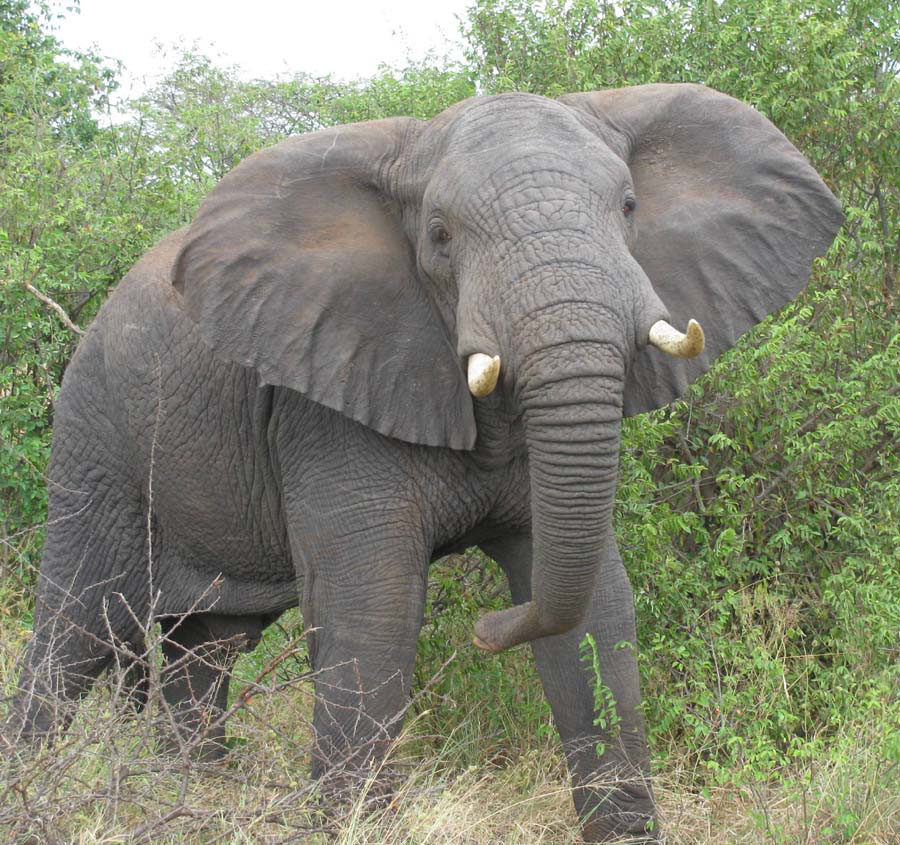
Following a viral video showing a half naked young man filming two elephants, elephant conservation experts in the area have said no one was injured.
A spokesperson for the experts, Filip Van Trier , a Belgian who has spent most of his life in Nigeria, revealed that the incident happened last Saturday, about two weeks ago around Imobi, Ogun State.
A small group of youngsters came from a different community having heard about the elephants, he narrated.
The youngsters entered the elephants’ range without the rangers’s knowledge, a very dangerous thing to do.
“This was exactly what happened last year in Baoku when a youngster was killed,” Van Trier said.
“This will not happen again. These two elephants (male and female) left the herd recently to form there own group. All is under control.”
The expert added that in the meantime all communities have been seriously warned.
“We have taken extra measures,
“We have made sure that the elephants are relaxed where they are and feel at home. There is absolutely no conflict between the elephants and villagers if not provoked. The villagers are now proud of their new friends. We are getting there to save these gentle giants.”
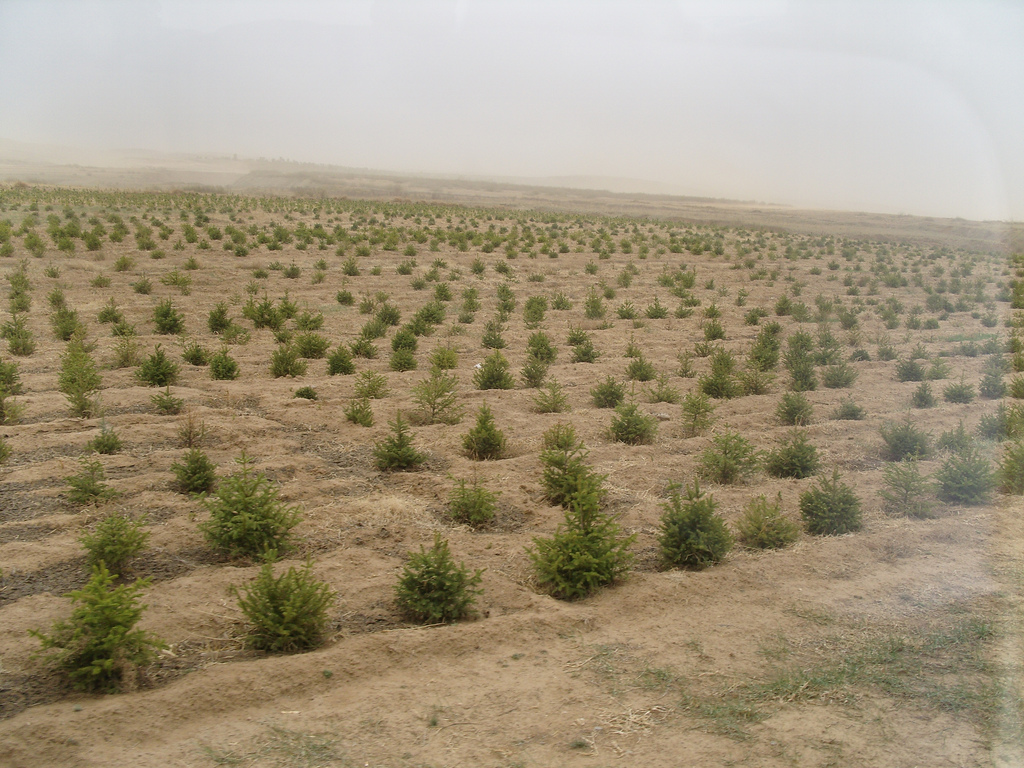
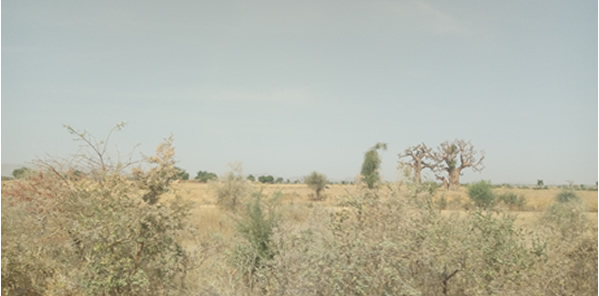
The Gombe State Greener Project (GGP) has called for urgent action as the the rate of desert encroachment in the state hits 600 metres per annum.
Acting Coordinator of GGP, Muhammad Tasiu made the call recently, warning that the phenomenon is degrading lands in the northern parts of the state.
He noted that the menace prompted the establishment of the GGP, which is aimed at planting one million trees every year.
“Our target is to plant four million trees in four years of this administration,” Taisu said.
He explained the project is a mechanism the state government is putting in place to arrest the menace, which has claimed over 12 kilometres of land across the state in the last two decayed.
“The environmental challenges in Gombe State is not limited to desertification. We are also prone to erosion problem, especially in the Gombe metropolis where we have severe gully erosion, the planting of more trees could also arrest the situation,” the Acting coordinator said.
He added that about 11 non-governmental organisations had been engaged for the smooth running of the GGP which is in four sections.
“The first component of the project is to plant trees in residential areas and in public places as well as in schools and to sensitise residents on the need and benefit of tree planting. It will also encourage planting of trees in our places of worship,” he pointed out.
He noted that the project has creation of shelter belt in four local government areas in the northern part of the state.
“We are working on the modalities of establishing the shelter belt which would arrest the issue of desert encroachment in the north,” he said.
On the sustainability of the trees when planted, Muhammad explained that the project had entered into agreement with the Youth Empowerment and Social Support Operation (YESSO).
‘‘YESSO, a World Bank-assisted project in Gombe State will employ 27,000 youths that will watch over the trees and make sure they survive and grow. They will be paid N7, 500 every month’’ he said.
He said another dimension of the project is how to address the issue indiscriminate felling of trees in the state.
He lamented that on average, about 1000 trees are felled by firewood sellers’ everyday in Gombe State “and they don’t plant any tree. That is also a major challenge that the government want to look into.”
The government official said the project would be flagged off by Governor Muhammadu Inuwa Yahaya within the second week of August and those sites for the pilot project have been identified.
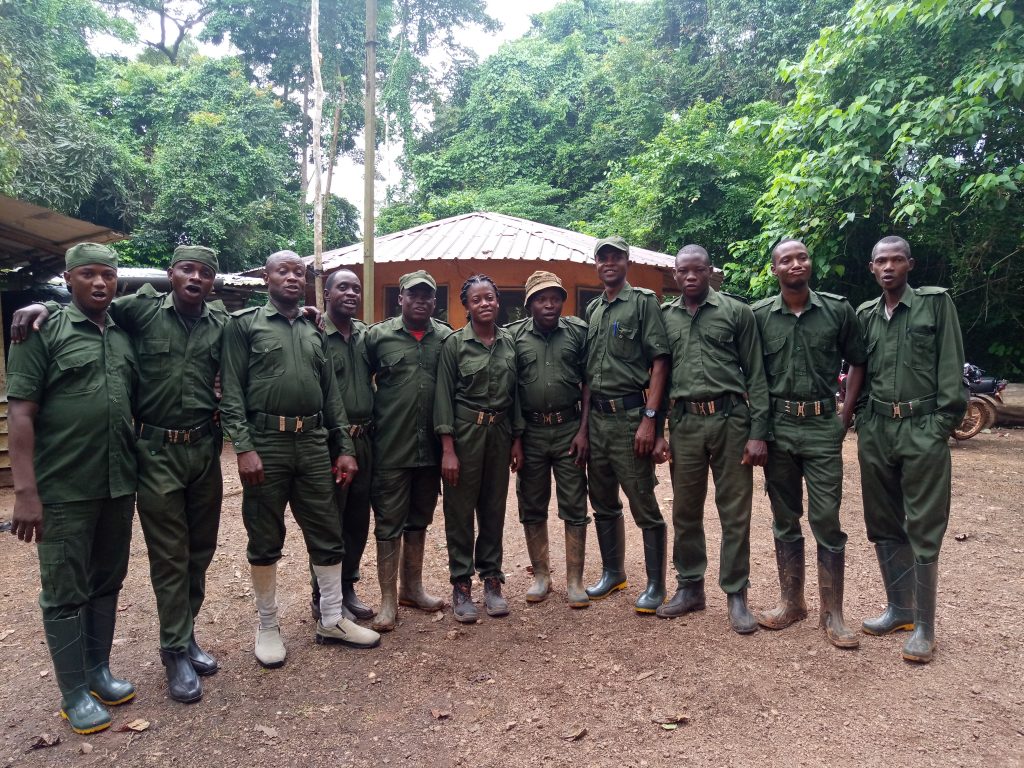
On Wednesday 31st July, 2019, millions of people worldwide joined in celebrating rangers. Many organised special events, some organised photo sessions while others only gave the rangers a shout-out on the social media.
In Omo wildlife reserve, Ogun State, Nigeria the World Rangers day was celebrated with a modest event spiced by news of the birth of twins by the wife of one of their colleagues.
Researcher Stella Iruoje delivers opening address at World Rangers Day 2019
As part of the event, the rangers had quizzes and talked about their work as rangers. The event was capped with eating, drinking and dancing at the Erin Camp, deep in the heart of the forest.
Below are photos from the event.
Rangers and community scouts at the 2019 World Rangers Day in Omo, Ogun State
Conservationists have called for the regulation of shark harvesting globally to avoid driving the species in to extinction. They point out also that contribution of live sharks to the ecosystem as a whole is invaluable and far outweighs the satisfaction a select few get from a bowl of soup in restaurants in the Far East, hence the need to protect the species from extinction.
Conservationists made the call at the kick off of the 2019 edition of the Dubai Shark Week on Sunday.
According to the experts, as many as 100 million sharks are gruesomely killed globally every year for their dorsal fins. Once the fin is sliced off, the poor animal is discarded into the ocean to bleed to death.
Unless countries come together to stem this animal cruelty, sharks will eventually become extinct, conservationists said during the start of the event organised by the Ministry of Climate Change and Environment (MOCCAE), International Fund for Animal Welfare (IFAW) and Atlantis, The Palm, in Dubai. The event coincides with Discovery Channel’s Shark Week.
“The destination is the Far East, in China, Hong Kong, Singapore, and other parts of Asia,” Dr Elsayed Ahmad Mohammad, regional director, Mena, International Fund for Animal Welfare (IFAW), said, adding the need to regulate harvesting of shark fins is critical.
Sharks are apex predators and are on the top of the food chain. Decreasing shark population could throw the ecosystem out of balance. On top of their value in the ecosystem, they also give more value to humans.
“We want people to know the value of sharks. There’s a study about the value of a shark in attracting tourists. The value is more than $100,000 (N36,000,000) a year for ecotourism. This in turn helps the economy,” Dr Mohammad sad.
Another study said shark ecotourism could generate more than $314 million annually worldwide.
Compare this with a delicacy sold in the market for a few hundreds of dollars, with the average of about $450.
Dr Elsayed said another gap in the conservation measures is people who consume the shark fin soup are usually “unaware of the problem of how the fins were harvested in the country of origin”. But a number of non-government organisations area already working in China to educate patrons and reduce the demand for shark fins.
Hiba Al Shehhi, acting director of Biodiversity Department, Ministry of Climate Change and Environment (MOCCE), strongly emphasised that “no shark fins” are supplied from UAE waters to the Far East.
This is because of the number of legislations and existing National Action Plan to protect the species.
But Al Shehhi said that sharks in the UAE are also in critical number and populations are yet to recover.
“In a study in 2016, the ministry found out that almost 50 per cent of the sharks in the Arabian Gulf is threatened. Twenty-two per cent of them are critically threatened and three per cent are already extinct. When we saw the status of the sharks, we said we have to do something,” Al Shehhi said.
Mike Rutzen, shark behaviourist and conservationist from South Africa and speaker at the conference, said global shark populations are dwindling as well and if nothing is done about it, it may be too late.
“Unfortunately, we are now at a crossroads. The world population of sharks is at a point where if we don’t do anything about it, all of them will go extinct — not just one population of shark — because of poaching and illegal trade,” he said.
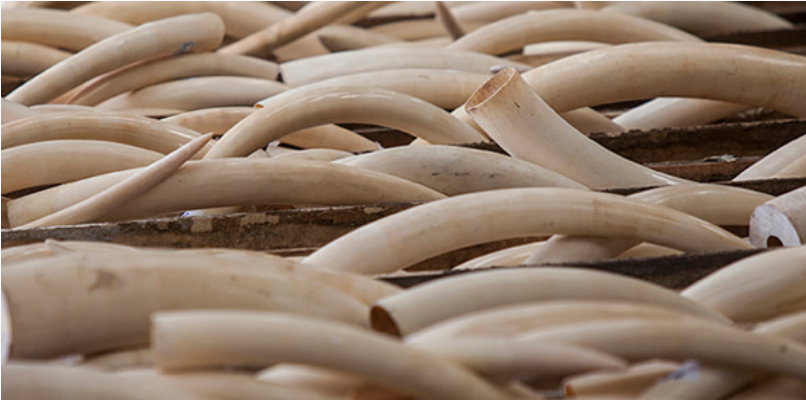
A 38-year-old man has been sentenced to nine years in jail after he was convicted of illegal possession of elephant tusk.
The man, identified as Alois Savanhu was arrested with 76,7kg of raw ivory.
Savanhu had initially appeared before Zimbabwe’s Hwange magistrate court’s Livard Philemon, jointly charged with Zimbabwe National Army deserter, Faunel Luphahla (34); Dete villager, Ndaba Ncube (27) and Gwabalanda resident, Innocencia Siwela (42).
After the trial, the magistrate found Luphahla, Ncube and Siwela not guilty and acquitted them. He then ordered Savanhu to be placed on his defence after the State said he had a case to answer.
On Thursday, the court sentenced Savanhu to an effective nine-year jail term.
In convicting him, the magistrate indicated that there was overwhelming evidence proffered in court that he committed the offence.
He said “the State managed to prove its case against the accused and, therefore, the accused is found guilty of the offence as charged”.
The conviction and sentencing is coming about four months after Savanhu’s wife committed suicide over the case. The 38-year-old Christine Mathe hanged herself from the roof truss of her hut using a piece of cloth on February 16, a day after the police interrogated her on the matter.
Mathe had reportedly expressed her fear of going to jail to her children before taking her own life. According to New Zimbabwe News, the deceased was questioned on the whereabouts pf the weapon used by her husband for poaching. Mathe had confessed to police that her husband had sent her a text message over the phone instructing her to give the gun their neighbour Claude Shoko.
The deceased who was freed on agreement that she would work with the police to ensure Shoko was arrested took her own life before the agreement could be honored.
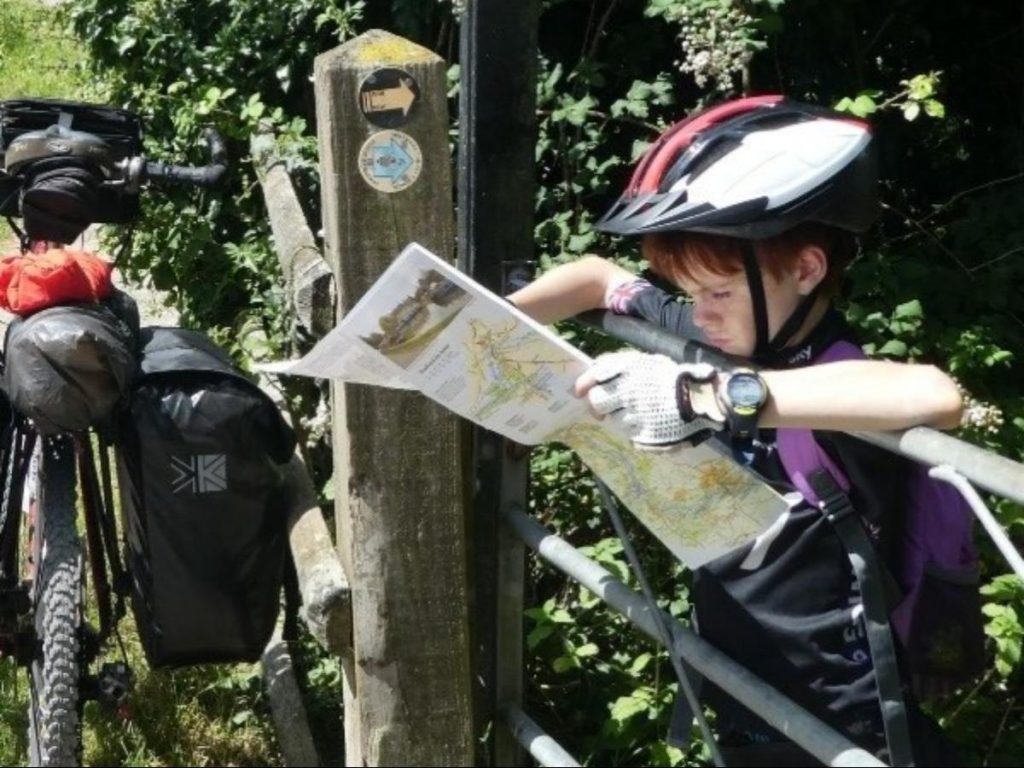
A 12-year-old schoolboy from Surrey is set to cycle all the way from Woking to Switzerland to raise money for endangered pangolins. Izzak Yeoman is making the trip with his dad Gregory, from Staines-on-Thames, from the WWF-UK’s head office to the international office overseas.
The 965kilometer epic challenge will take the father and son two weeks and they’re making the trip to raise awareness and funds for the charity’s work on the Illegal Wildlife Trade.
Izaak said he has chosen to raise money for pangolins, because “They’ve been my favourite animal for quite a long time and I read about someone who rode 5 miles to raise money for an animal. So, I thought why don’t I do that for pangolins because they’re really endangered”.
Izaak, 12, is riding 965km to raise funds for pangolins
“Lots of people don’t know what a pangolin is but they are very important in the areas they live and because of the poaching they could go extinct very soon,” he added.
Izaak was particularly moved when he learnt how pangolins are the most trafficked mammal in the world.
Up to 62,800 pangolins are estimated to be traded each year, with over a million killed in the last decade. This is largely to supply demand in east Asia for meat and scales, which are used in tonics and traditional medicines.
With help from supporters, the pair are hoping to raise £5,000 for the WWF.
And Izaak’s even managed to get English broadcaster and natural historian, Sir David Attenborough on board his campaign.
“I wrote just to tell him about what I was doing because he is an ambassador for WWF so it seemed fitting to tell him,” he said.
Responding to Izaak’s letter sir Attenborough said he was impressed and wished him success.
“I am impressed by your dedication to help protect pangolins… I wish you every success with your ride,” Sir David Attenborough wrote.
The ride scheduled to begin on July 22nd to and end on August 5th would be the longest ride for the 12-year-old. His longest ride before now is a ride from Reading to Bath along the Kennet and Avon canal.
you can get updates on the trip from @redlinexped on Twitter.
Pangolins live in Africa and Asia. There are eight species and they are all endangered.
When we think of the impact of industry on the environment, we tend to think of legal industry. The impact of pollution from mining, deforestation from logging or farming, and overfishing may all come to mind. Unfortunately, illegal industry that is beyond the realm of normal governmental regulation has an impact on wildlife populations and the environment as well.
According to the US Fish & Wildlife Service, the trade of illegal wildlife is thought to be a multi-billion dollar business. Many animals have been used to highlight the dangers of this illegal trade and promote tougher laws and regulations. Rhinoceros, elephants, even the lesser known but more interesting pangolin are widely known to be harmed by the illegal trade in animal parts.
Less often considered but no less detrimental to wild ecosystems is the illegal trade in exotic pets. As we’ve reported, exotic pets can be dangerous and harmful to animal populations and local ecosystems. In Latin America, Smithsonian reports that biologists have found as much as 30% of parrot nests raided for the pet trade. I’ve been disappointed while volunteering in parrot conservation work in the Bahamas to find nest cavities cleared of parrot chicks overnight.
Wildlife smuggling as a whole, beyond just the illegal pet trade, is a large and global affair in cases involving hundreds of countries and transnational borders. The illegal wildlife trade can also be fairly localized. Parrots, monkeys and other wild animals have been traditionally kept as pets in Latin America. Many North Americans remember fondly pet lizards, raccoons or turtles from their youth. Smithsonian reports that 30% of Brazilians and 25% of Costa Ricans recently surveyed said they’ve kept wild animals as pets. Wild pets kept in their home country are not technically ‘exotic’ but they certainly damage wild populations. These pets can also fuel the illegal export of other animals out of the country, where they become truly exotic pets.
There are obviously terrible examples from the exotic pet trade like pet monkeys, but historically even the decline of Texas’ horned lizards was contributed to by the pet trade. The trade in horned lizards has declined and there’s hope that their populations will rebound but not so with many other exotic pets. The popularity of exotic pets can be partially blamed on e-commerce and social media. Videos of adorable slow loris’ abound online, despite that the animals cruelly have teeth pulled to make them ‘safe’ for human contact.
Beyond the cruelty, removing the slow loris and other animals from the wild makes it harder for the wild population to exist at all. In places like Madagascar, radiated tortoises have been smuggled out of the country for the pet trade, decimating the wild population.
Not only can the removal of an animal from the wild hurt the ecosystem, it can be damaging later when an irresponsible pet owner dumps an unwanted animal in an environment it isn’t native to. The introduction of burmese pythons to the Florida Everglades is a perfect example of a non-native animal taking root with detrimental consequences. Beautiful but dangerous lion fish have also taken a toll on the ecology of the Caribbean and surrounding areas, including marine ecosystems off Florida. Without the trade in exotic pets, both the legal and illegal, it seems unlikely that these invasive non-native species would have made it into the US in viable numbers.
Related to the smuggling of wild animals is the increased traffic in plants both live plants taken illegally for sale as house plants and the poaching of endangered trees for high end and illicit furniture.
Of course, government agents the world over have been fighting the illegal trade in live wildlife as well as parts from endangered species. It’s not just the trade itself that damages the environment and wildlife, it is also the money from it that contributes to other types of organized crime. CBS reported earlier this year on a case where an organization was caught smuggling wildlife as well as heroine. A congressional report says that wildlife smuggling is sometimes even connected to foreign military groups, insurrectionists and crime syndicates. NPR reported earlier this month on one of the largest wildlife smuggling busts to date. The bust was coordinated by the World Customs Organization and Interpol, seizing apes parrots, big cats and elephant tusks among other living wildlife and remains. Nearly 2000 species of wildlife and plants were seized in the bust.
The operation was dubbed “Operation Thunderball” and worked out of Singapore, ultimately arresting 600 suspects. This crackdown is the third in large scale crackdowns and the first to involve more than 100 countries. Other related projects under Interpol have been successful and are increasingly large scale. Operations under Project Wisdom, for instance, have led to the arrest of 1,100 people with conviction rates of over 80% and seizure of 50,000 carved ivory items. Project Wisdom is focused solely on elephants and rhinoceros. Other operations focus on different regions or different specific wildlife species, like Asia or tigers.
Much of the trade in animal parts as well as exotic pets is premised on ignorance, superstition, or a simple lack of caring on the part of the end consumer. I’ve seen bushmeat markets in west Africa where Nile monitors are sold alive in cramped mesh sacks, sometimes next to grilled monkey. From the comfort of a couch at home, sugar gliders, koalas, monkeys and slow lorises seem like adorable pets, and it’s easy to not consider how a parrot comes to be at a pet shop.
For those desperate for cures to a host of ailments in China, things like tiger bones or rhinoceros horn might seem to be miracle drugs to those who don’t know better. For as long as human history, we’ve exploited wildlife in all these ways but for most of that time it was fairly localized. With global networks of consumers, we can detachedly destroy wildlife on the other side of the globe by our consumption. It’s up to us as global consumers to also shoulder the responsibility of global citizens. Supporting agencies that bust illegal trafficking and not participating in trafficking is a good start.
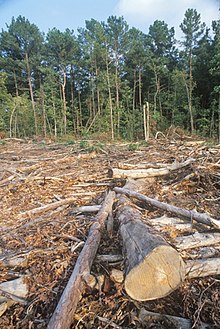
Conservationists and environment experts in Nigeria think the rate of deforestation in the country calls for a state of emergency declaration. This reaction follows the revelation that the country loses between 450,000 and 600,000 hectares of forest to deforestation annually to rank among the countries with the highest rate of deforestation in the world.
The National Coordinator, Nigeria Erosion and Watershed Management Project, Dr Salisu Dahiru, made the shocking revelation in Benin, while delivering the 10th Environmental Outreach Magazine public lecture Last week.
In his talk tittled, “Managing land degradation in Nigeria; the challenges, action and remediation”, Dahiru noted that 24 billion tons of fertile soil are lost every year globally, while 7.3 million of hectares of forest are lost yearly globally.
“Nigeria is said to be one of the countries with the highest deforestation rate in the world with about 450,000 to 600,000 hectares of forest lost annually,” he said.
He identified population pressure, deforestation, bush burning, over grazing, agricultural depletion of soil nutrients through poor farming, inappropriate irrigation and indiscriminate mining as some the causes of land degradation in Nigeria.
While saying that NEWMAP had succeeded in reclaiming some of the land lost to degradation, he noted that inconsistency in policies, inadequate budgetary allocation and unhealthy rivalry between environmental agencies were affecting management of degradation and deforestation in the country.
Dahiru said policy execution as well as stakeholders’ cooperation was needed in managing land degradation.
Reacting to the revelation on social media, Nigerians called for awareness and proper orientation of citizens on the matter so that individuals can know the roles they can play in preventing further loss.
“Awareness and aggressive sensitization needed on the importance of conserving our forests, they must be,” Bashir Abayomi Ibrahim, tweeted.
“The ministry of environment should do more especially in terms of awareness and enlightening the population,” UMHashim added.
Awareness and aggressive sensitization needed on the importance of conserving our forests, they must be.
Selective logging and Afforestation – among other conservation practices – should be practiced.
The ministry &relevant agencies should ensure that extant laws are enforced.
the ministry of environment should do more especially in terms of awareness and enlightening the population and if possible laws in that regard if not available OR implementing the law if already in place
Nigeria has one of the highest deforestation rates in the world! It’s widely available on the internet we have lost 95% of our forests. Remaining forests are disappearing fast! My trip to Taraba last week was terrifying! We face serious environmental problems with more to come! https://t.co/jWznQwoTci
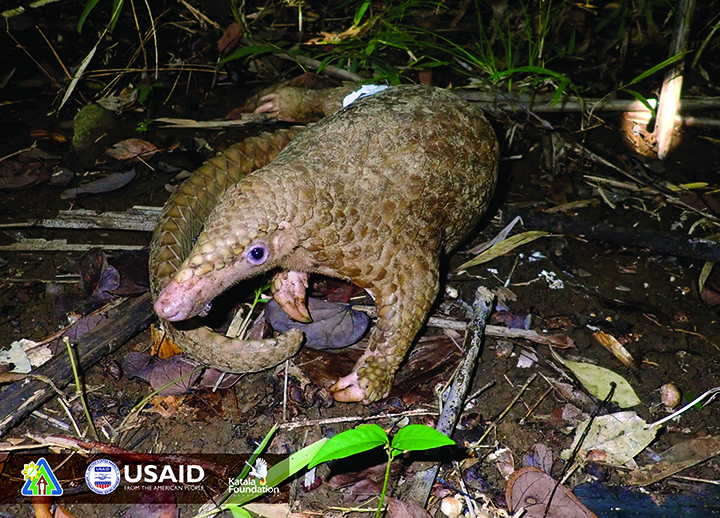
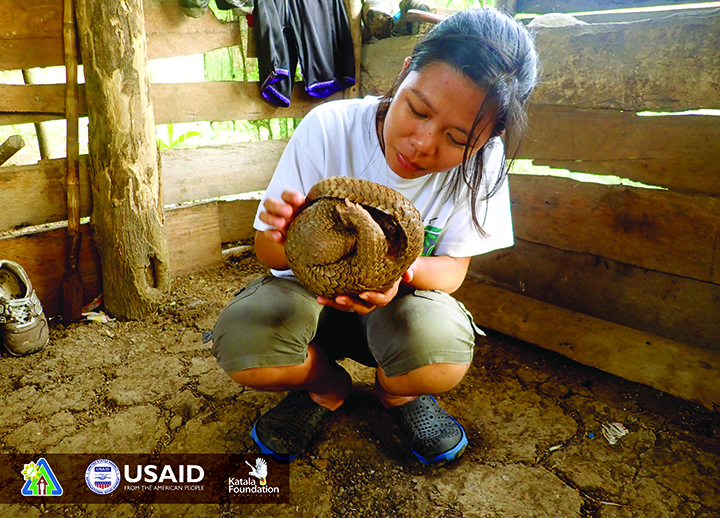
Moved by the uncertainty of the Palawan pangolins’ future, three young research assistants — Shiela, Elvie and JR — from the Katala Foundation Inc., have been braving the wilderness of Southern Palawan for months in search of the elusive pangolins. Jonathan L Mayunga writes about the researchers’ mission…
Carrying nothing but backpack loaded with extra shirts, a towel, water, food, a notebook, pen and the all-important global-positioning satellite device and a satellite phone, plus camera traps, they trek unfamiliar terrains, climb trees, crawl under thick shrubs and tall grasses, cross rivers and streams, night or day, looking for signs—scratch mark, tracks or footprints, even feces left behind by the little-known scaly anteater or pangolin (Manis culionensis de Elera) that can only be found in Palawan.
A researcher of Katala Foundation Inc. shows pangolin
The project was commissioned by the USAID-funded Protect Wildlife Project. The Philippines, an archipelago comprising of 7,641 islands and islets, is one of the megadiverse countries in the world. However, it is also one of the so-called biodiversity hot spots because of the rapid rate of biodiversity loss.
Experts say because of biodiversity loss that’s aggravated by illegal wildlife trade, highly vulnerable endemic species the Philippines is known for may have become extinct even before their discovery.
Previously thought to be the Malayan or Sunda pangolin (M. javanica), the Palawan pangolin remains a mystery even to the indigenous people of Palawan, considered the country’s last ecological frontier. While there is no empirical data that would suggest the accuracy of their claim, as far as the upland communities are concerned, the Palawan pangolins are vanishing.
Commissioned to do research on the Palawan pangolins by the Protect Wildlife Project that is funded by United States Agency for International Development (USAID) in Southern Palawan, conservation efforts are focused on the Palawan pangolins because of the threat of illegal wildlife trade, with the hope of saving the critically endangered species before it becomes extinct.
Nelson Devanadera, executive director of the Palawan Council for Sustainable Development.
The Katala Foundation Inc. is expected to complete the research and come up with policy recommendation to save the vanishing Palawan pangolin by the end of the year.
Mysterious mammal In funding the “Study on the Indicative Presence and Abundance of the Palawan Pangolin in Southern-Central Palawan,” Protect Wildlife Project Communications Manager Lawrence San Diego said the Palawan pangolin is the only pangolin species endemic to a single country.
“The Philippine pangolin is a priority species for conservation of the Protect Wildlife Project,” he said.
This is because the Palawan pangolin is one of the least studied species of pangolin and there is very little scientific information available to properly manage its remaining population.
The study aims to determine the mammal’s rate of exploitation and abundance in the wild to come up with policy recommendation and plan of action that will help protect and conserve this vanishing species.
So far, the study is focused on Victoria-Anepahan Mountain Range, which has a total land area of 510,520.66 hectares. The Victoria-Anepahan Mountain Range straddles Puerto Princesa City, Aborlan, Narra and Quezon towns. The area has been identified as an important habitat for biodiversity and endemic Palawan species, such as the pangolin.
The Palawan Council for Sustainable Development (PCSD) and the Palawan State University are also embarking on research to know more about the diet of the Palawan pangolin, to aid in managing its population and, hopefully, come up with ways to boost its population on the island.
Nelson Devanadera, PCSD executive director, said samples of pangolin’s feces will also be sent to Australia for laboratory testing.
He said knowing the diet and nutrients of the pangolin’s—basically, ants and termites—will help explain why it is now the most sought-after animal because of the belief that its meat and scale have medicinal value, hence, is now being hunted to extinction.
More important, he said, knowing what plant species the ants and termites eat, must be identified in order to protect and conserve them from various threats, and if possible, propagate them in other areas, to help protect and conserve the pangolin.
In the meantime, he said PCSD is working closely with various law-enforcement agencies to prevent illegal wildlife trade, not only of pangolin but other threatened species of Palawan.
What locals know While very little is known about the species, the Palawan State University has held interviews and focus group discussions with upland communities to gather information on sightings and presence of pangolins in their areas, its traditional uses and hunting techniques; and known practices on its collection and trade.
According to local communities, poaching and illegal trade of pangolin meat and scales persist. The meat can fetch for $3 to $5 a kilogram, while the scales can be sold for $130 to $190 a kilo.
While communities are aware that hunting and trade of pangolins are illegal, they continue to persist.
Meanwhile, the field research team from Katala Foundation had so far conducted ground surveys in 12 200-hectare plots in the wilderness of the Victoria-Anepahan Mountain Range, entailing actual search, recording and measurement of pangolins in the wild and observing their forest habitats.
Initial results of the study revealed that from September to December 2018, the team recorded 14 pangolins—two of which are pregnant—in a total surveyed area of 800 hectares.
The ground surveys showed that slash-and-burn farming, charcoal making and timber poaching continue in forest habitats where the pangolins are recorded.
‘Most illegally traded animal’ According to the Environmental Investigation Agency (EIA), pangolins are the most illegally traded animal in the world.
Hunted for their meat and scales for use in traditional medicine, these shy nocturnal mammals may become extinct faster than elephants, tigers, rhinos and other iconic animals, whether in Africa or Asia.
There are eight known species of pangolins, four are found in Africa and four in Asia.
All pangolin species were listed in Convention on International Trade in Endangered Species (Cites) of Wild Fauna and Flora Appendix I in 2016. The inclusion in Appendix I means the pangolins—all eight species including the Palawan pangolin—are threatened with extinction.
Under Cites Appendix I, the trade in specimens of these species are permitted only in exceptional circumstances.
According to EIA as many as 1 million pangolins have been illegally traded within Asia in the past 10 to 15 years.
Organized crime In the Philippines, the Palawan pangolin is also the most illegally traded animal and the perpetrators are well organized. Anti-illegal wildlife trade operatives believe that organized crime syndicates are behind the lucrative pangolin trade and are in cahoots with local communities.
Just last month, authorities arrested two fishermen and a van driver for transporting 10 live pangolins in Barangay Mendez Crossing East, Tagaytay City.
Arrested were Simfroso Cauntay Salazar, 53, driver and a resident of Kilometer 115 Talisay, Calatagan, Batangas; Jorlan Libertino Torrequinada, 39, and Victor Cabuniag Equiza, 40, of P. Mabuhay Abaroan, Roxas, Palawan.
Rogelio Demelletes, a senior management specialist and one of the anti-illegal wildlife trade operatives of the Philippine Operations Group on Ivory and Illegal Wildlife (Task Force Pogi) of the Department of Environment and Natural Resources (DENR) said the fact that two of the suspects are from Roxas town is proof that locals are in cahoots with the members of the syndicate.
Deeper investigation The Task Force Pogi said the investigation on the illegal pangolin trade is without letup.
“We are still conducting a follow-up investigation. What we want is to identify the buyers and catch them,” Demelletes said.
As for the arrested suspects from Tagaytay City, Demelletes said authorities have so far initiated inquest proceedings but cases have yet to be filed.
Asked what will be the next step for the DENR Task Force Pogi and its partner-law-enforcement agencies, he said: “We need to cut down at least one of the participants in the trade cycle.”
Ricardo Calderon, the DENR’s assistant secretary for Staff Bureau and concurrent Director of the Biodiversity Management Bureau (BMB), underscored the importance of combatting the illegal trade on pangolin in Palawan.
He said the DENR continues to strengthen the capacity of law-enforcement agencies, including its own, and is coordinating with concerned government agencies and institutions to stop illegal wildlife trade, with particular focus on the Palawan pangolin.
“We are strengthening our wildlife enforcement in our seaport. In Palawan, we are coordinating with PCSD as they have jurisdiction over Palawan as per Wildlife Act. Wildlife trafficking is now a transnational crime and we have law-enforcement coordination at the regional level among 10 Asean member-states,” he said.
Pangolins are very vulnerable. While they appear to be a sturdy species, these nocturnal, very shy mammals, are sure to die in captivity.
Demelletes said three of the 10 recovered pangolins have already died because of stress.
“In the next few days, the remaining seven may also die because pangolins are hard to feed. But because they are evidence in court, we cannot just return them to Palawan,” he lamented.
As authorities step up the various initiatives to know more about the little-known species, they are also racing against time to prevent the illegal wildlife trade to prevent their extinction.