Author: ConservationsNG

  • Ecotourism company announces cut in plastic use

    Ecotourism company announces cut in plastic use

    Wilderness Safaris, an ecotourism company with headquarters in Gaborone, Botswana has announced its plan to eliminate single-use plastics in its operations in Namibia, Zambia and Zimbabwe by providing reusable bottles for guests.

    The company made the announcement on Monday, saying it is in line with the environmental action it took in Botswana and in Rwanda. The company has camps and mobile safaris across eight African countries.

    According to the company’s Group Sustainability Coordinator Warren Ozorio, decreasing the use of plastic remains a priority, especially plastic bottles.

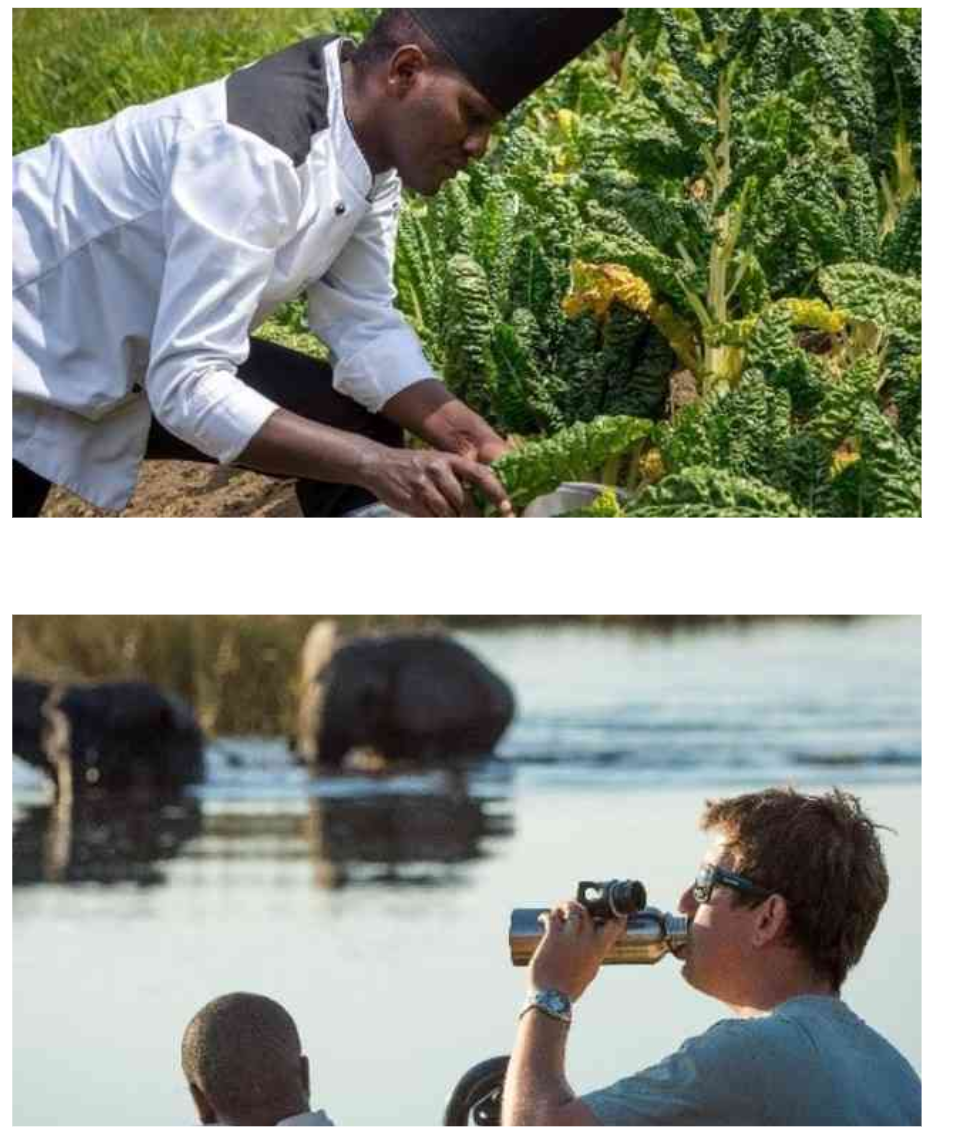
    “Wilderness Safari is also currently paying attention to food waste in our kitchens, and making efforts to produce smart and sustainable menus,” Ozorio added.

    The project not only reduces wastes, but also addresses immense logistical challenges in areas where Wilderness Safaris camps are located, the sustainability coordinator said.

    He also said the company’s ultimate goal is to become completely plastic-free in all its operations.

    “Even though our official campaign was launched in 2018, Wilderness Safaris has been working on waste reduction since we began operating back in the 1980s, and while the reduction of plastic is our main objective – with recycling as a last resort – we are currently also paying attention to food waste in our kitchens, and making efforts to produce smart and sustainable menus. Our ultimate goal is to become completely plastic-free in all our regions”, confirms Ozorio.

  • Sustainability, ecotourism and life lessons

    Sustainability, ecotourism and life lessons

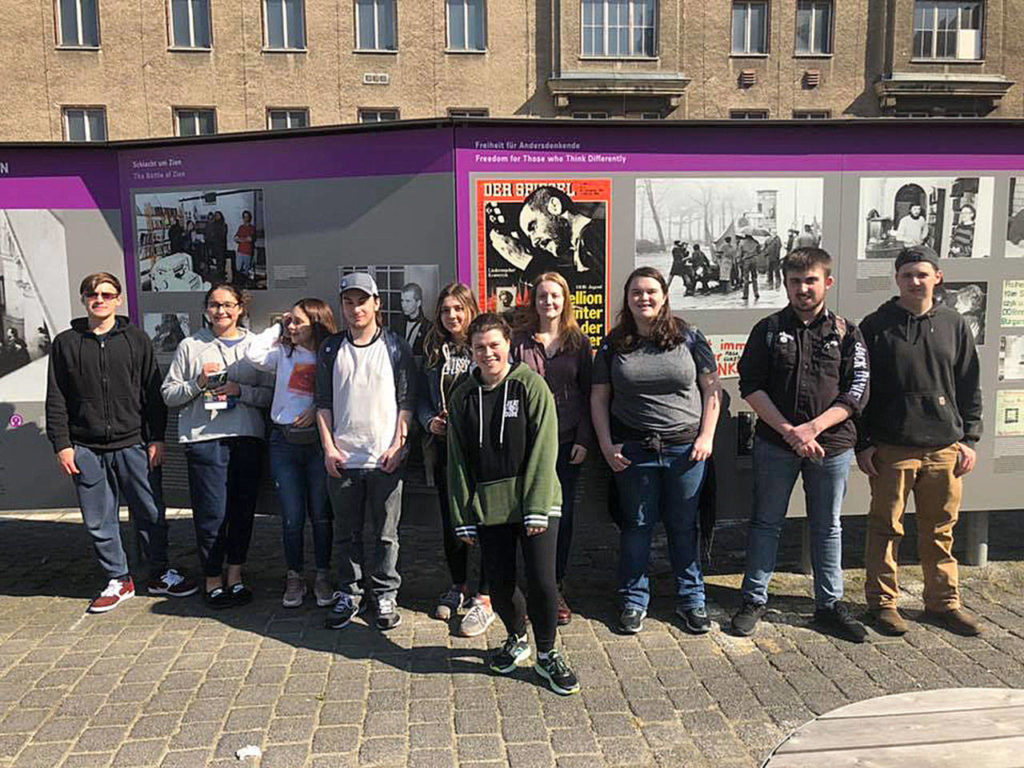
    Ten Decatur High School students experienced firsthand progressive sustainability and ecotourism practices on a recent field trip to Germany and Switzerland.

    Jordan Lybeck, agricultural sciences teacher at Decatur, and several horticulture and animal science students embarked on a 10-day educational tour of sustainable living in Germany and Switzerland, organized through Education First.

    In April, the group traveled to Berlin, Stuttgart, Freiburg and the Lucerne region, exploring historical museums, cultural monuments, and geographic wonders from cities to farmlands.

    For many of these students, it was their first time out of the country or even on an airplane, Lybeck said.

    “I think in total we traveled about a thousand miles in a couple of days just by train and bus,” Lybeck said.

    The students learned about a biosphere reserve, Lybeck said, which is similar to the national parks in the U.S., but in Switzerland, they allow people to farm and live in the park.

    “A lot of their ecosystems can’t go on without human intervention, so they allow their farmers to graze cattle up in the hills because they clear the area out, which allows the wildflowers and native plants to grow,” Lybeck said. “It preserves their culture but it also preserves nature and a way of life for people.”

    In his classes, the focus is to teach kids how to live more sustainable lives, Lybeck said, so when he received a promotional email about the trip, it was a perfect fit.

    One student said Europe shines a light on a reimagined metropolis area, typically thought of as a smog-filled city, instead showing it can be environmentally safe.

    “Everyone has a garden. Every building has solar panels; they made each building so that the light would filter in though certain times of the year to warm up the house or cool it down during the summer,” said student Hallie C. “It was just amazing that in a place that you think would be overrunning with sewage and grossness was better than suburban areas.”

    “I liked how they have reusable energy sources,” said student Kayden S., explaining the mass use of solar panels and the timber burning mechanisms used as central power sources for heating and electricity. “I think that’s something I could take and apply it to my own life at some point.”

    The students also got to experience the Innovation Academy, also called the “Maker’s Space,” where they designed keychains via a computer software, and then saw a 3-D printer laser bring their design to life.

    The students also got to work with animation graphics and virtual reality to create their own world, exploring their creation with virtual reality goggles.

    They also toured the Holocaust memorial, which was fascinating, yet decripid, dark and creepy, the students agreed. They viewed the Berliner Fernsehturm, a satellite TV tower constructed between 1965 and 1969 by the government of the German Democratic Republic.

    Some teaching moments were unplanned.

    The group’s departing flight from the United States to Amsterdam landed late, causing them to be delayed for their following flight. Deboarding the plane on the tarmac, the 13-person group ended up getting split into three.

    It was Kayden S. who sprinted through the airport, arriving at their second flight in just enough time to speak with the captain and hold the plane for the rest of the Decatur group.

    “It’s a good learning experience because you learn how to problem solve and all sorts of logistical things,” Lybeck said of the airport stresses.

    While the students may not always remember the random facts they learned from their knowledgeable tour guides, the life experiences of nearly missing a connecting flight, or hearing how wars they had read about in textbooks had firsthand impacted the lives of people they met in various countries — those memories are unforgettable, Lybeck said.

    “Sustainability was the theme of the trip, but the life lessons I think are going to stick with them a lot longer,” Lybeck said. “I think sustainability was a big part of it because it relates to the course and what we do here, but I think the cultural differences and life lessons they learned were probably the most important.”

  • Kebbi welcomes elephant family

    Kebbi welcomes elephant family

    Late last year, a family of elephants turned up in Zaria Kala-Kala village, Kebbi State. At the report of their sighting, the governor of the state, Atiku Bagudu, ordered their protection pending when they would be handed over to the appropriate authority.

    As you can imagine, this was an initially difficult task as the elephants destroyed farms across some local governments while foraging.

    According to the state’s commissioner for Agriculture, it was the first time in the state’s history that elephants would besiege their farms. Their issues had always been with the hippopotamus.

    However, the governor’s assurance that farmers would be compensated not only avoided a clash with the elephants, but made them welcome guests who have now decided to make the state home.

    Recently, the governor hailed farmers living along the fringes of the River Niger in Koko/Besse and Bagudo Local Government Areas for protecting the stray elephants. Apart from protecting the endangered animals, the largest land mammals in the world, the farmers also provide them with feeds from their farms.

    “I urge all communities in the state to continue to provide information and support until the animals return to their rightful location,” the governor said.

    He used the opportunity to warn the public against poaching of wild animals, adding that whoever inflicted injury on animals would face the full wrath of the law.

    But if statements by the First Lady of Kebbi are anything to go by, the elephants are there to stay.

    Zainab Bugudu said last week on Twitter: “These awesome elephants that strayed into Kebbi last year are safe and thriving. The mama and baby stay at ‘home’ whilst papa elephant roams the land. He always comes back. Typical.”

    She revealed that the elephants had established a range and knew their bounds, negating the need for curtailing their movement.

    “The elephants have created a natural ‘zoo’ for themselves,” she said. “They don’t go beyond certain limits; always return. The host community in Zaria Kalakala protects them and can always tell you where they are. They have feeding points. It’s really quite interesting.”

    From her comments, you can sense her excitement and her appreciation.

    “Indeed, we thank Nature, His Excellency and the receptive host community. I just ooh and aah and share amazing pictures with you.”

    The coexistence between the elephants and humans in Kebbi is worth the excitement it generates. Unlike other instances where the animals are either kept in a zoo or have a reserve demarcated for them, this is a natural relationship built on mutual trust which may help resuscitate the dwindling elephant population in Nigeria.

    Elephants are a cornerstone of the $34 billion tourism industry across Africa. They play a critical role as ecosystem engineers, providing a way for important soil nutrients to be spread around on a massive scale.

    As natural gardeners, and sculptors of Africa’s most iconic landscapes, elephants help to disperse seeds and create spaces for other plant species to grow.

    However, they face an uncertain future in Nigeria. Once widespread across the country, elephants have declined by more than 50% in less than 20 years.

    Reliable information about many of these small herds is generally lacking. However, it is known that a small herd of elephants survives in the region around Kwiambana Game Reserve in Zamfara State and Kamuku National Park in Kaduna State.

    The largest and most important elephant herd remaining in the country is located at the Yankari Game Reserve in Bauchi where an estimated 100-150 elephants survive.

    Interestingly, there are two species of elephant in Nigeria. The ones mentioned above are the savannah elephants of northern Nigeria.

    The other is the forest elephant in the south. It was recently reported that these southern elephants may be around 200 remaining in the wild.

    Like their cousins in the north, the animals face the twin threat of loss of habitat to development on one hand, and being poached for their ivory on the other.

    The five sites where forest elephants are reportedly found in southern Nigeria are the Omo Forests in Ogun State, the Okomu National Park in Edo State, the Cross River National Park in Cross River State, the Idanre Forests and Osse River Park in Ondo State and the Andoni Island in Rivers State.

    However, only organised conservation work, public support and enlightenment, and good habitat management are capable of saving the elephants from extinction in Nigeria.

    Hopefully, the love and care being shown to the elephants in Kebbi will be replicated wherever they are found and might help increasing their population.

    If well harnessed, wildlife tourism will be a long overdue complement to Nigeria’s tourism drive which at the moment, stands on the twin pillars of culture and entertainment.

    Saving the elephant population is the least the country can do, after seeing the depletion and near extinction of other animals responsible for tourism income in other African countries.

    The fact that elephants are peaceful animals, is a reason for their survival next to humans. Unfortunately, the lion for example – due to its nature – can’t find solace in host communities, which has invariably, threatened its population, in the absence of a concerted government effort at conservation.

    Lions will soon disappear completely from Nigeria, according to experts. At the moment, there are only two areas in Nigeria home to lions: Kainji Lake National Park in Niger State, in the northwest, where approximately 30 cats live, and Yankari, where researchers believe there might be less than five.

    With the example set by the host community in Kebbi State, Nigeria elephants shouldn’t suffer the same fate.
  • PHOTOS: Conservation Club of Omo marks WMBD 2019

    PHOTOS: Conservation Club of Omo marks WMBD 2019

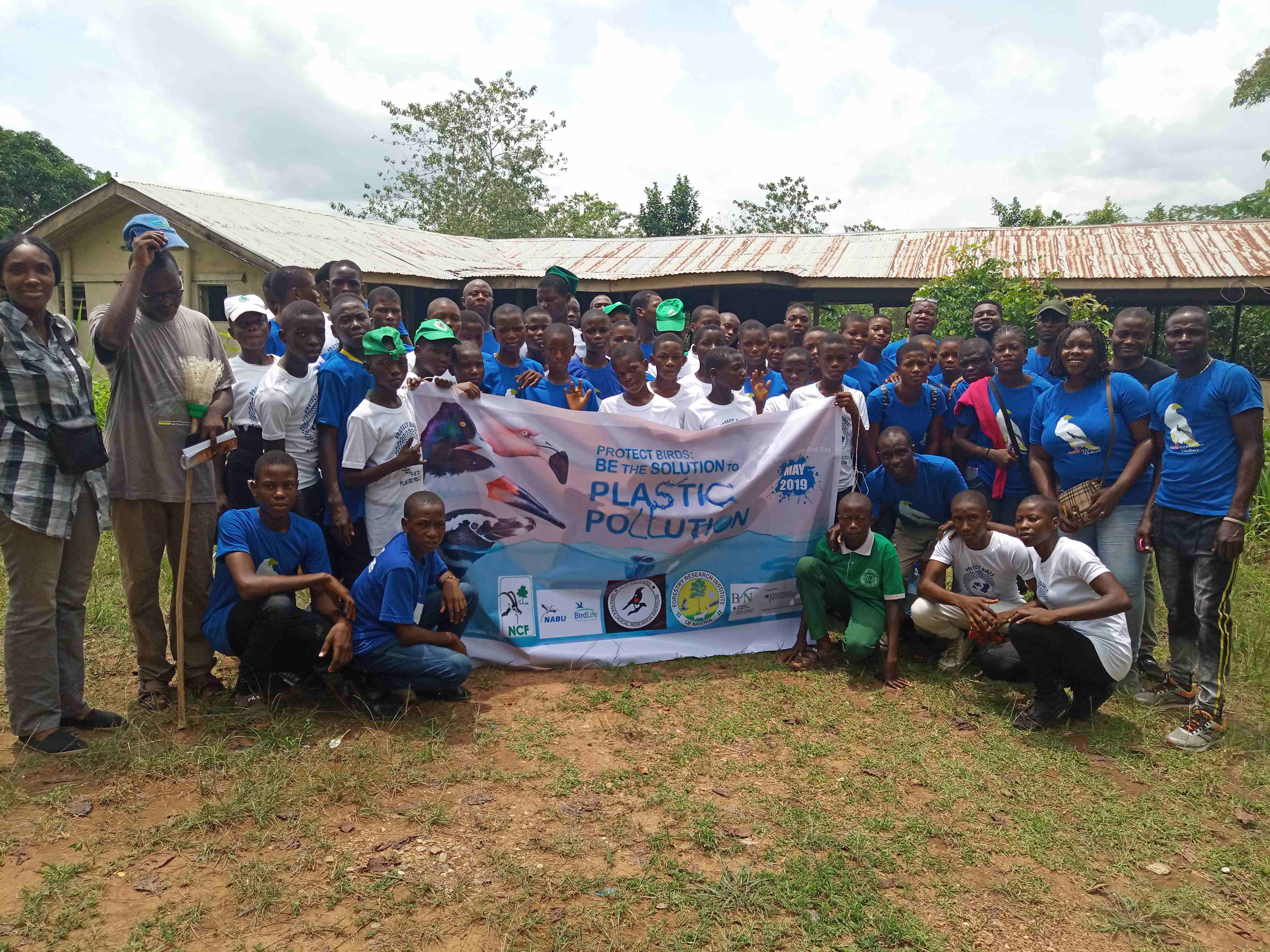
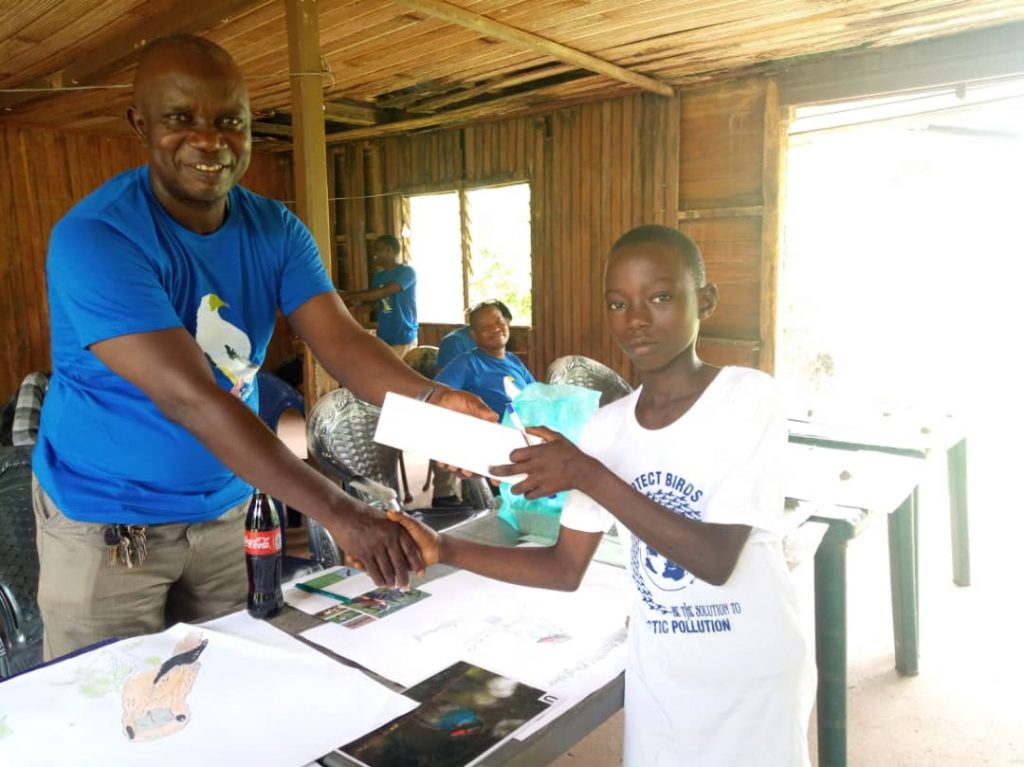
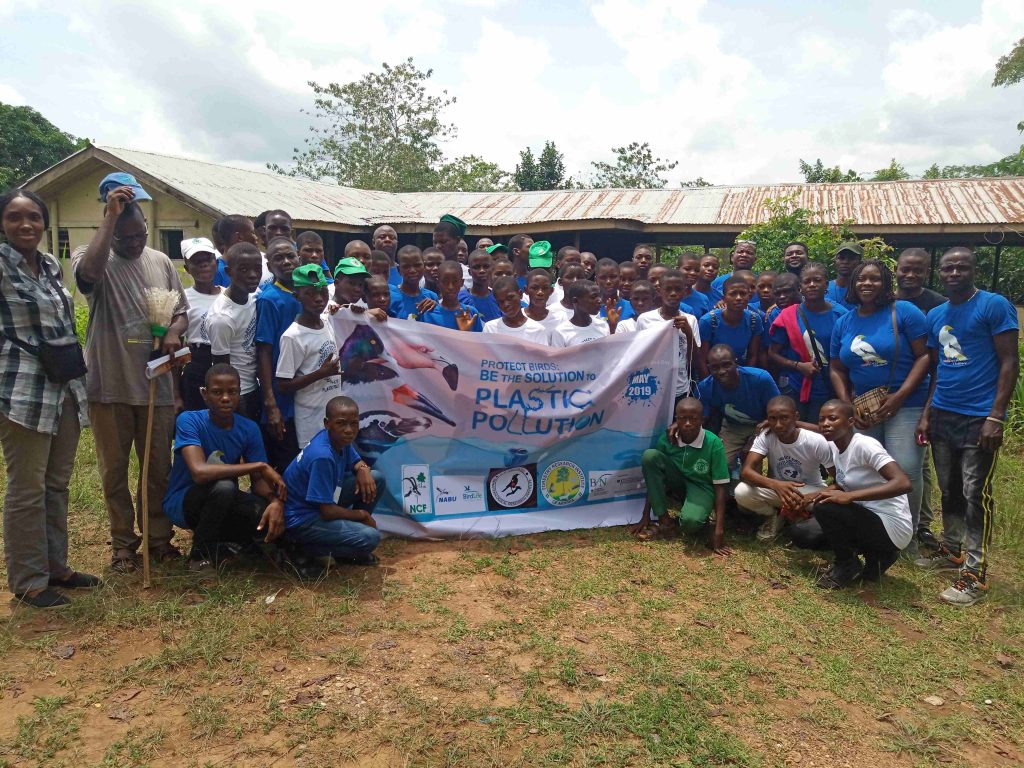
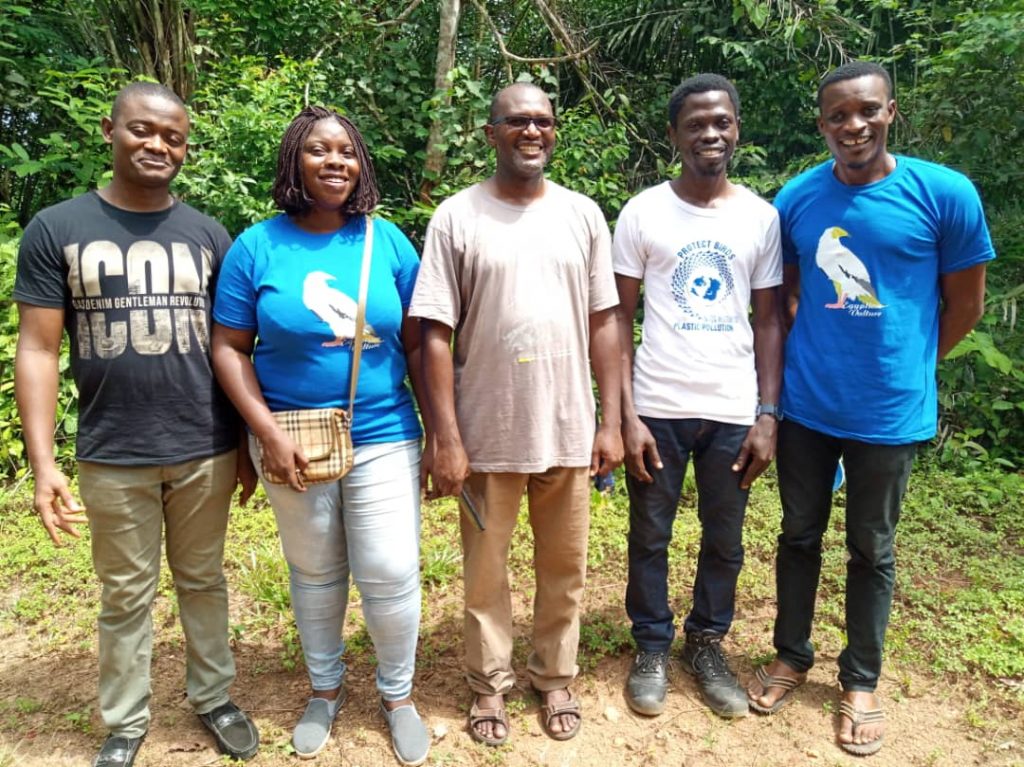
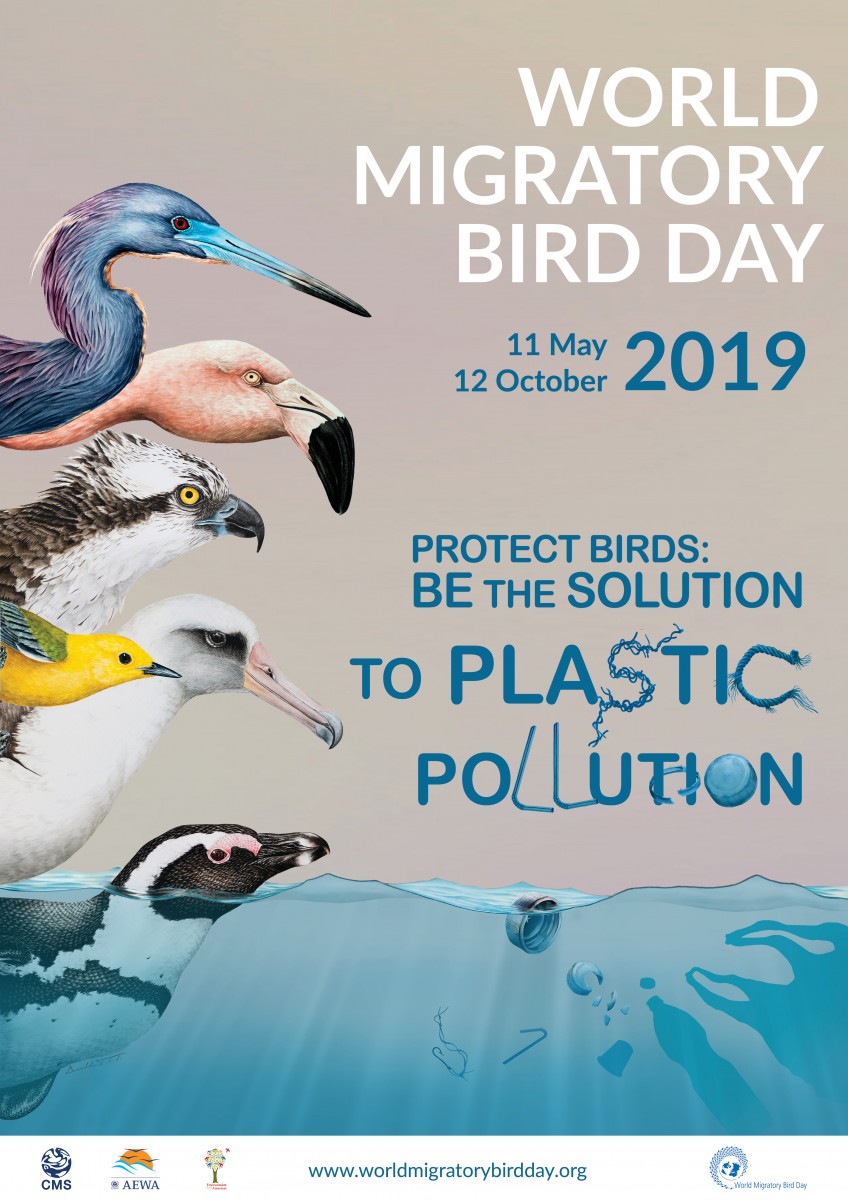
    Birds need to be protected because they are vital to life on earth. Protecting birds is not only by preventing hunting and trafficking but also by guarding against the destruction of their habitats. These and many more are some of the points made by members of the Conservation Club of Omo on Wednesday.

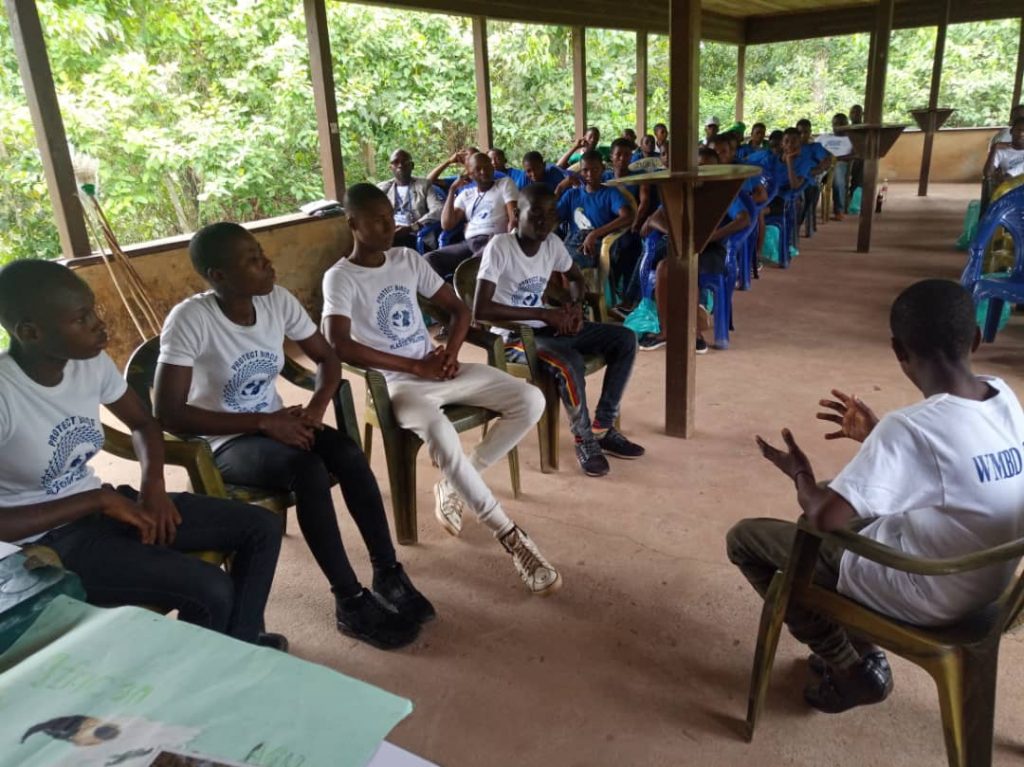
    The club which comprises of students, teachers, forest rangers and researchers commemorated the event with a multi-session event which hammers on responsible use and disposal of plastics. The worldwide event is themed “Protect Birds: Be the Solution to Plastic Pollution!”

    The event was setup in conjunction with Forest Elephant Initiative and Birdlife International.

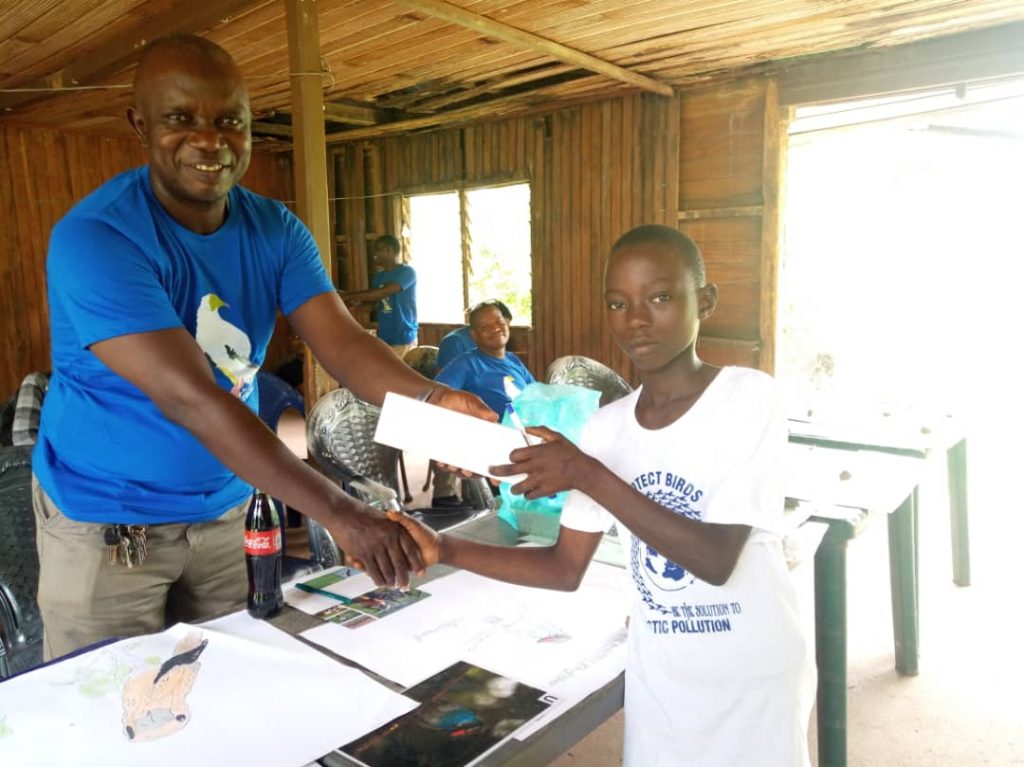
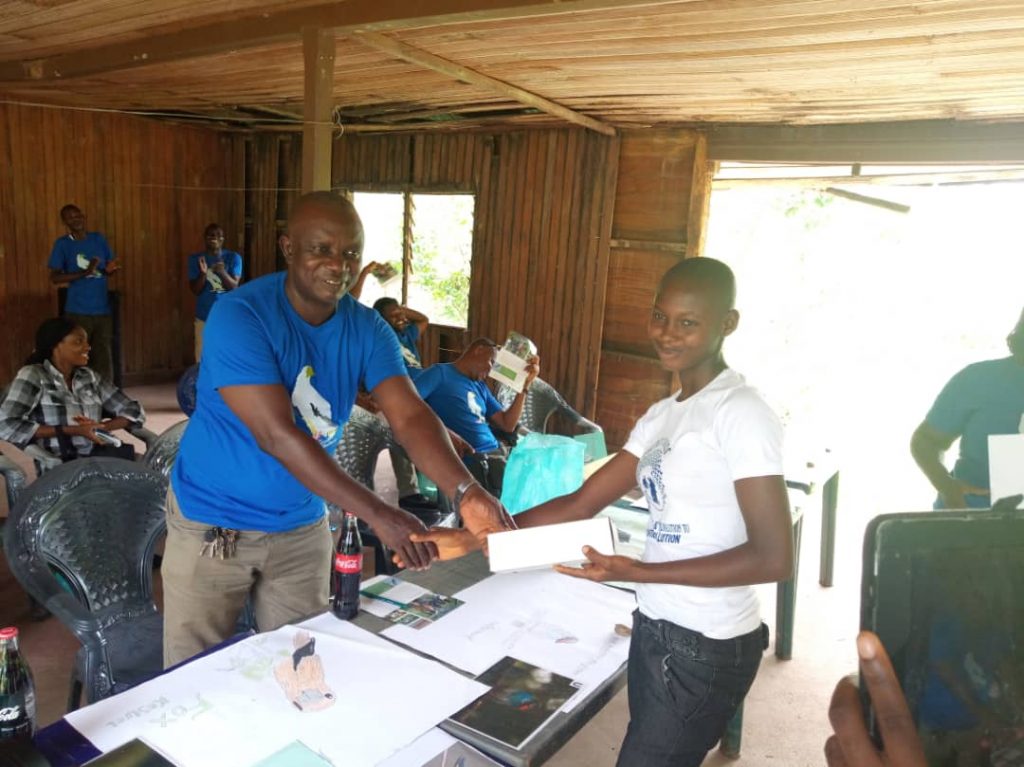
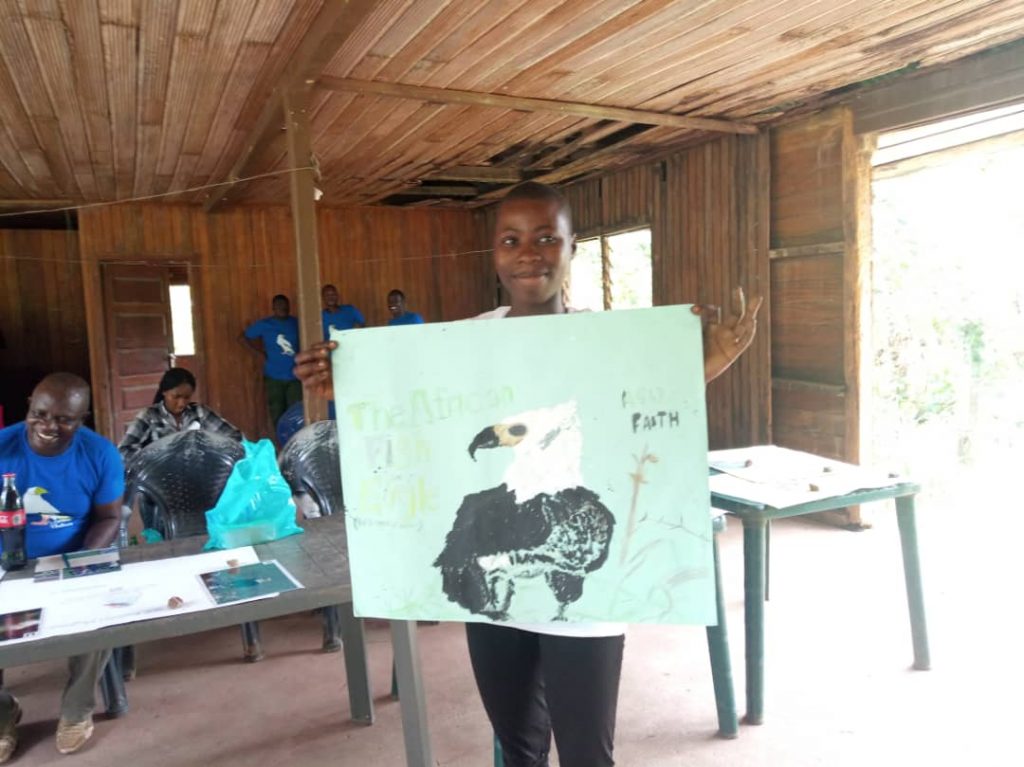
    Students were awarded with prizes for a drawing contest that was carried out as a build up to the event. A Conservation TV event which featured pupils from the Conservation Club discussing solutions to the plastic crises was one of the high points of the event. Participants in the event advised the general public to follow the 3Rs – reduce, reuse and recycle of plastic to prevent plastic pollution. Other events were bird watching, poems, songs and community sensitization.

    https://www.instagram.com/p/BxhCCejHbRY/?utm_source=ig_web_copy_link


    Paintings from the wildlife drawing competition


    world Migratory Bird Day 2019 at Omo wildlife reserve
  • Conservationists call for end of plastic pollution on  World Migratory Birds Day

    Conservationists call for end of plastic pollution on World Migratory Birds Day

    In preparation for the 2019 World Migratory Birds Day on Friday, conservation groups world wide have identified plastic pollution as a source of serious health risks to wildlife globally, affecting a wide range of species including whales, turtles, fish and birds.

    On World Migratory Bird Day, celebrated on 11 May, two UN wildlife treaties and conservationists around the world are calling for urgent action to stop plastic pollution by highlighting its negative effects on seabirds and other migratory birds, a press release from UN Environment revealed.

    “One third of global plastic production is non-recyclable and at least eight million tonnes of plastic flows unabated into our oceans and water bodies each year,” Joyce Msuya, Acting Executive Director of UN Environment said. “It is ending up in the stomachs of birds, fish, whales, and in our soil and water. The world is choking on plastic and so too are our birds on which so much life on earth depends.”

    Plastic pollution presents a three-fold threat to birds: entanglement in fishing gear and other plastic litter is the most visible but affects fewer individuals.

    Ingestion of plastic waste is more pervasive and can affect large proportions of some species. Birds mistake plastic as food causing them to starve to death as their stomachs fill up with undigestable plastic.

    Plastic is also being used as nest material. Many birds pick up plastic to line their nests mistaking it for leaves, twigs and other natural items, which can injure and trap fragile chicks.

    Discarded fishing gear is responsible for most entanglements among birds at sea, in rivers, lakes and even on land. Seabirds are particularly threatened by fishing gear. Many entangled seabirds are not detected because they die far from land out of sight of humans.

    “Becoming entangled in fishing gear or plastic litter condemns birds to a slow, agonizing death” says Peter Ryan, Director of the Fitzpatrick Institute of African Ornithology at the University of Cape Town.

    To capture additional data on remote entanglements, scientists such as Peter Ryan have turned to Google Images and other web-based sources to provide a more comprehensive picture of the threat, and the numbers of affected bird species have been adjusted upwards.

    Of 265 bird species recorded entangled in plastic litter, at least 147 species were seabirds (36 per cent of all seabird species), 69 species freshwater birds (10 per cent) and 49 landbird species (0.5 per cent).

    These figures show that almost all marine and freshwater birds are at risk of entanglement in plastic waste and other synthetic materials. A wide diversity of landbirds from eagles to small finches are also affected, and these numbers are bound to increase.

    Research further shows that about 40 per cent of seabirds contain ingested plastic. Marine ducks, divers, penguins, albatrosses, petrels, grebes, pelicans, gannets and boobies, gulls, terns, auks as well as tropicbirds are particularly at risk. Ingesting plastic can kill them or more likely cause severe injuries, and plastic accumulations can block or damage the digestive tract or give the animal a false sense of satiation, leading to malnutrition and starvation.

    Chemical additives from plastic were found in birds’ eggs in remote environments such as the Canadian Arctic.

    To address the issue of plastic pollution – and ensure that in the future fewer birds will die by ingestion of or getting entangled in plastic – UN Environment launched the Clean Seas campaign in February 2017. The campaign, which targets marine plastic pollution in particular, has an upstream focus and asks individuals, governments and business to take concrete steps to reduce their own plastic footprints.

    The Convention on Migratory Species and the African Eurasian Waterbird Agreement work with countries to prevent plastic items from entering the marine environment. A recent resolution on seabird conservation adopted by AEWA countries in December 2018, includes a series of actions countries can take to reduce the risk caused by plastic waste on migratory birds.

    At the Conference of the Parties to the Convention on Migratory Species in 2017, countries also agreed to address the issue of lost fishing gear, by following the strategies set out under the Food and Agriculture Organization’s Code of Conduct for Responsible Fisheries.

    Efforts to phase out single use plastics and to redesign plastic products to make them easier to recycle are underway in many countries.

    “There are no easy solutions to the plastic problem. It will require the joint efforts of governments, industry, municipalities, manufacturers and consumers to tackle the problem. However, as this year’s World Migratory Bird Day underlines – everybody on this planet can be part of the solution and take steps to reduce their use of single-use plastic.  Tackling this problem globally will not only be beneficial for us, but also benefit our planet’s wildlife, including millions of migratory birds,” said Jacques Trouvilliez, Executive Secretary of the African Eurasian Waterbird Agreement.

    Plastic pollution is a serious and growing threat to migratory birds,  which will only further limit their ability to deal with the much larger threat faced by climate change.

  • Minister, others visit UK over Ogoni clean up

    Minister, others visit UK over Ogoni clean up

    Nigeria’s minister of environment, Suleiman Hassan Zarma and other senior government officials are on a working visit to the United Kingdom for the successful clean-up of Ogoni oil spill.

    It was gathered that the trip was facilitated by the United Nation Environment Programme (UNEP) to enable the delegates to understand global best practices in the remediation of other sites contaminated by oil pollution across the country.

    Minister of Environment, Suleiman Hassan Zarma

    Members of the governing council of Hydrocarbon Pollution and Remediation Project (HYPREP) who are part of the tour are expected to visit five sites in the United Kingdom — Biogénie’s Trecatti and Redhill soil treatment facilities in South Wales and South East England respectively, the Coed Darcy regeneration project in South Wales, the former Avenue Coking Works in the East Midlands, and ALS Laboratories in North West England.

    The sites would provide an opportunity for HYPREP’s governing council to witness the redeveloped land.  Around three-quarters of the site were restored for open space, community and ecological uses, while the remaining areas were used for residential and commercial purposes.

    According to a statement signed by the ministry’s director of press, Mr Saghir Mohammed, the visit would also enable the delegates to observe an extensive range of in-situ and ex-situ remediation techniques, such as soil washing, bioremediation, thermal desorption, separating techniques, and among others.

    It was envisaged that these demonstrations and visits would build HYPREP’s capacity to reuse and recycle many sites and worn-out materials, thereby contributing to the sustainability of the clean-up exercise.

    ” The delegates, expected to visit the Chester laboratory in north-west England would focus on quality, accreditation, sample preparation, analysis of petroleum hydrocarbons, reporting, and interpretation of analysis,” Mohammed’s statement revealed.

    During the tour, they are expected to identify the aspects that could be replicated in Nigeria in order to increase the overall quality of indigenous laboratories.

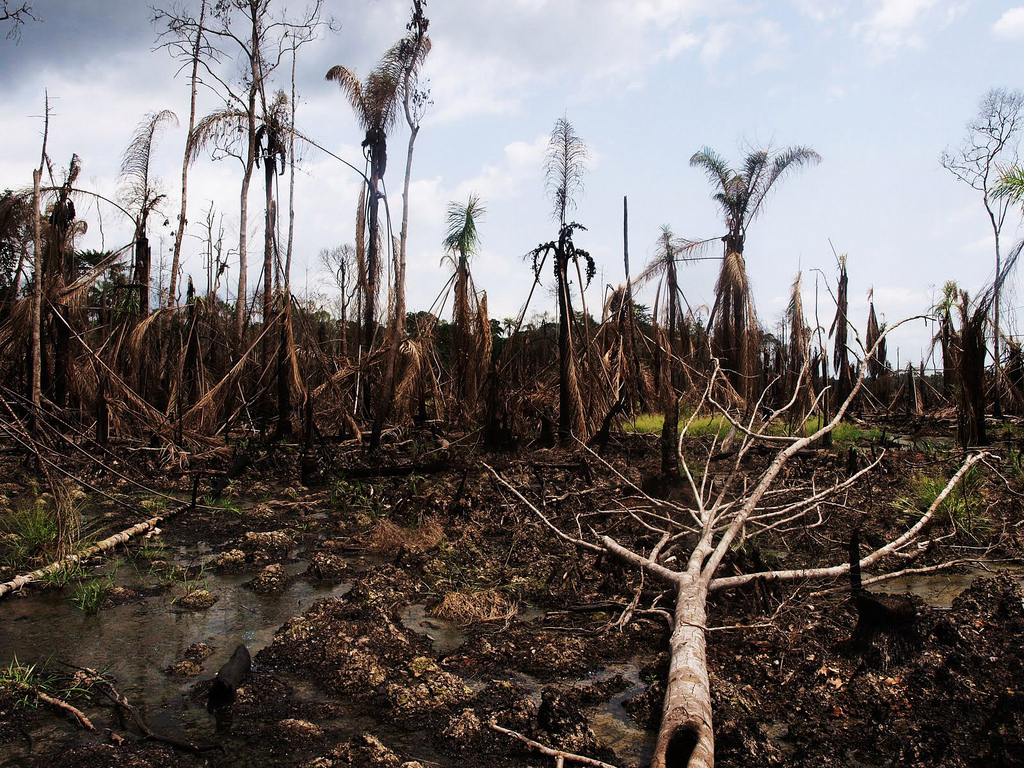
    UNEP’s 2011 assessment of Ogoniland revealed that bringing back important ecosystems to full productive health could take up to 30 years. The report had recommended that a $1 billion should be set aside for the first five years of remediation activities. Upon completion, the clean-up of Ogoniland could serve as a model for replication in both Nigeria and the region.

    Experts had stated that the restoration of Ogoniland initiated by the federal government could prove to be the world’s most complex and longest oil clean-up exercise ever undertaken. This is why UNEP in its 2011 assessment report highlighted the severe and widespread contamination due to oil production spanning several decades.

  • Lake Chad Basin gets massive attention at UN General Assembly

    Lake Chad Basin gets massive attention at UN General Assembly

    The raising of international awareness on the Lake Chad Basin and efforts of Nigeria to promote sustainable development, peace and security is a major issue to be discussed during the visit of Ms María Espinosa, President of the United Nations General Assembly.

    She is due to be in Nigeria on Monday on the invitation of the Nigerian Government to strengthen bilateral relations between Nigeria and the United Nations.

    Mr Oluseyi Soremekun, the spokesperson, United Nations Information Centre said on Sunday in Lagos.

    Soremekun said that during her mission, she will further discuss the priorities of the UN General Assembly as related to women and youth empowerment, raise awareness and encourage understanding of the importance of multilateralism and the UN.

    “While in Nigeria, the President of the UN General Assembly will have bilateral meetings with President Muhammadu Buhari, and Minister of Foreign Affairs, Geoffrey Onyeama.

    “She will also engage with students and youths on the theme: Responding to Global Challenges in a fast-Changing World: The Case for Strengthening Multilateralism”.

    “Espinosa will also discuss with a women audience on the theme: `The Role of Women in the Promotion of Multilateralism”.

    “She is scheduled to also meet with the Minister of Women Affairs and Social Development, Hajiya Aisha Abubakar,’’ Soremekun said.

    Soremekun said that Espinosa will be received at the Nnamdi Azikiwe International Airport Abuja, by a representative of the Nigerian Government and Mr Edward Kallon, United Nations Resident Coordinator in Nigeria.

    According to him, this was the second official visit of Espinosa, President of the 73rd Session of the UN General Assembly to the African region since taking over the presidency.

    He said that on June 5, 2018, the United Nations General Assembly elected Espinosa who was then Ecuadorean Foreign Minister as President, the fourth woman to hold that position and the first since 2006.

    Somerekun disclosed that she has more than 20 years of multilateral experience in international negotiations, peace, security, defence, disarmament, human rights, indigenous peoples, gender equality, sustainable development environment, biodiversity, climate change and multilateral cooperation.

  • Elephant conservation: Japan supports Uganda with strategic outpost

    Elephant conservation: Japan supports Uganda with strategic outpost

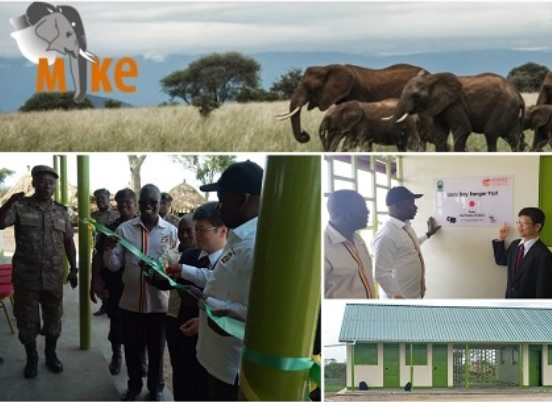
    The government of Japan has built and handed over to Uganda a Strategic Anti-Poaching Outpost for Elephants. The anti-poaching facility was completed and handed over to Uganda in April at the Queen Elizabeth National Park in Uganda. The project was in line with the Convention on International Trade in Endangered Species of Wild Fauna and Flora (CITES).

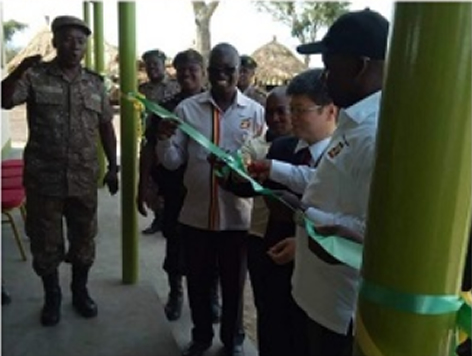
    The Deputy Head of Mission, Embassy of Japan in Uganda, Mr. Mizumoto Horii launched the Lions Bay ranger post.

    The new outpost is part of Uganda Wildlife Authority (UWA)’s larger Recovery of Queen Elizabeth National Park programme and provide a base for field rangers conducting operations in important wildlife and tourism sector, and will significantly strengthen UWA’s capacity to address current and emerging threats impacting this important site of the CITES Monitoring the Illegal Killing of Elephants (MIKE) Programme. The project was led on-the-ground on behalf of CITES by the Uganda Conservation Foundation in close collaboration with UWA.

    Two new eight-man ranger posts were handed over to the Uganda Wildlife Authority (UWA) on Friday 12th April 2019.
    Two new eight-man ranger posts were handed over to the Uganda Wildlife Authority (UWA) on Friday 12th April 2019.

    Queen Elizabeth National Park provides protection for 95 species of mammal, including buffaloes, hippopotami, crocodiles, elephants, leopards, lions and chimpanzees, and over 620 species of birds. The park forms part of an extensive transboundary ecosystem that covers forest reserves and the adjacent Virunga National Park World Heritage Site, in the Democratic Republic of Congo.

    The elephant population in the Queen Elizabeth National Park was recently reported by UWA as young and healthy, numbering over 3000 individuals, which is by far the largest elephant population in Uganda but still below levels, the park can sustain. The elephant population has been increasing steadily over the last twenty years, since being reduced by poaching to below 400 elephants in 1988.

    “The illegal wildlife trade is an urgent global issue. Japan is deeply committed to the cause of protecting elephants and their natural habitat. Japan places great importance on supporting elephant range states in the fight against elephant poaching,” said Deputy Head of Mission, Embassy of Japan in Uganda, Mr. Mizumoto Horii.

    He added that, “Japan continues to make great efforts in implementing the trade control of ivory under CITES and working together with our partners to tackle the problem of elephant poaching and the illegal elephant trade.”

    The Honourable Minister Godfrey Kiwanda highlighted that “Having a well-built, dry and clean facility, with clean water, solar power lighting and an ablution block, makes rangers feel respected and motivated.”

    “The recovery of wildlife and tourism in Queen Elizabeth National Park depends on the motivation of our frontline staff and tangible support such as this. This support also provides a solid foundation for growing tourism in Uganda which is already recognised as the countries strongest contributor to the regional and national regional economy,” said Uganda Wildlife Authority, Executive Director, Sam Mwandha.

    The Deputy Head of Mission, Embassy of Japan in Uganda, Mr Mizumoto Horii commissioned the Lions Bay ranger post, and the Honourable Minister Godfrey Kiwanda Ssubi opened the Katore ranger post.

    “The funding provided by the Government of Japan for the development of essential infrastructure needed to support management operations is invaluable. The investment and attention given to the area has had a significant impact on the overall morale of the staff based in the Lions Bay and Katore Sectors and enhanced their capacity to effectively protect the area,” added Thea Carroll, CITES-MIKE Programme Coordinator.

    The Government of Japan contributed 55,000 US$ to CITES’s Monitoring the Illegal Killing of Elephants (MIKE) Programme.

  • Consider Gombe for your next northern trip

    Consider Gombe for your next northern trip

    The mention of travel to any part of Northern Nigeria gives a lot of people the jitters. Many things come to their minds — terror. But there are great secure destinations there. Gombe is a good example. Gombe whose capital city is also named Gombe is bordered by Borno, Yobe, Taraba, Adamawa and Bauchi. The state was created out of Bauchi State on 1st October 1996 by the late General Sanni Abacha’s Administration. Nicknamed Jewel of the Savannah, the state is home to the headquarters of many international intervention organisations catering to the needs of Internally displaced people who are victims of the Boko Haram crisis.

    Travel

    For lovers of road trips, there are many ways to go about the trip. The first way (if you are coming from Lagos) is to get a straight bus from Jibowu, Yaba or Ijora all in Lagos. The trip takes 18 to 20 hours by road, not adding the toilet and food stops along the road and the bus fare ranges from N6,000 to N13,000. The second is to break the trip into two. Take a bus to Abuja, from Iwo road (Ibadan), Kuto (Abeokuta) or Yaba (Lagos). From Abuja, take another bus to Gombe from Nyanya or Jabi Park, it takes only six hours to Gombe from Abuja. The cost is roughly the same, but the sites to see are so much more.

    By air, it can get cumbersome a bit. There are only two airlines flying that route regularly – Arik Air and Azman. Arik Airline travels to Gombe via Abuja on Mondays, Wednesdays and Friday. Sometimes the layover can be up to eight hours. Azman airline travels to Gombe via Abuja only on Mondays and it is not regular.

    Dressing

    Gombe has two distinct climates, the dry season between November and March; and the rainy season between April and October with an average rainfall of 850mm. The heat can be very much during the dry season so make sure to consult your weatherman before you take the trip.

    Accommodation

    There are many hotels in Gombe, but many international visitors to the state lodge at 1. The Custodian Hotel and 2. The Gombe International Hotel.

    The Custodian Hotel is a four-star hotel with a cozy appeal. It is located in the heart of the town, in an easily accessible and serene neighbourhood. It is only about 20 minutes drive from Gombe Airport. The hotel has a small restaurant that serves both local and continental dishes that are not bad at all. It also has a 100-seater conference hall that is almost always booked. The hotel offers laundry, car hire and shuttle service to the airport. The rooms prices range from N70,000 to N16, 000 per night. The service is not bad and the staff are very polite and helpful. The only downside is its terribly unreliable free wifi service.

    Gombe International Hotel has a vast collection of sports facilities, including a swimming pool tennis court and a well-equipped gym. It is about 15 minutes from the airport. The hotel has nice lounges and the rooms are well furnished. The large conference halls in the hotels make it a destination for many events so for someone looking for a serene environment to meditate or write, it may not be the best. Apart from its being prone to rowdiness, the service many times can get very poor. Price per night ranges from N120,000 to N20,000.

    Other hotels are Flourish, Bulma, Dan Arewa, Zuma Royal among others, rooms can cost as low as N3000 in these hotels.

    What to do

    For lovers of nature, this is indeed the jewel of the savannah, co-housing the popular Yankari Game Reserve with Bauchi State. It is not to be confused with the Gombe Stream National Park in, Tanzania. The popular Yankari Game reserve. Places to visit in Gombe include the Emir’s Palace, Bima Hills, Gombe State University, the Federal University Kashere, State Polytechnique Bajoga, College of Education Billiri and the Ashaka Cement Company, Ashaka, Funakaye Local Government. You can also visit the Tangale Hill, the Kilang Hill, Popandi Village, Kaltungo Deba Local Government.

    There is also the historical Tula Battlefield, where the British first attacked and fought the Tula people. You should also visit the Tomb of Bubayero Gombe Abba. Bubayero is the patriarch of the Sukku emirate and his tomb is registered as a national monument.


    Food
    Gombe like every other state in the north all have foods like miyan kuka, and the several tuwo varieties in common. There is also fura de nono and kunun tsamia. The state also has a fine  collection of kilishi and dambu nama maker. So, do well to have a taste of the skillfully prepared meat delicacies when you go to Gombe.

  • Ecotourism industry to grow remarkably for the next five years — new report

    Ecotourism industry to grow remarkably for the next five years — new report

    The global Ecotourism market is anticipated to grow significantly during the forecast period 2019 to 2025, Market Research has shown.  The forecast was made in a report titled “Global Ecotourism Market Size, Status and Forecast 2019-2025. The report also presents market size, share, trend, demand, industry outlook and competitors analysis with growth in the global Ecotourism market. The report also includes a discussion of the key vendors operating in this market.

    The 105-paged reports used tables and figures to expound the topic while also providing information on the competitors and the specific growth opportunities with key market drivers.

    The report studies the Global Ecotourism market, analyzes and researches the Ecotourism development status and forecast in United States, EU, Japan, China, India and Southeast Asia.

    Ecotourism Industry analysis is provided for the international market including development history, competitive landscape analysis, and major regions’ development status. The report provides a basic overview of the industry including definitions, classifications, applications and industry chain structure.