Author: ConservationsNG

  • Wildlife depletion and the bushmeat “industry” in Africa

    Wildlife depletion and the bushmeat “industry” in Africa

    By Babajide Agboola


    What is West Africa, most especially Nigeria, doing to conserve its wildlife population for the next generation? Crave for bushmeat is driving a lot of wildlife into extinction. For example, the pangolin and blue duiker found in the southwestern part of Nigeria; the only population of klipspringer in West Africa found on the Jos plateau and the last pack of African wild dogs in the sub-region found in Gembu are all under the endangered animal list but hunters are having fun hunting them for the bushmeat trade.
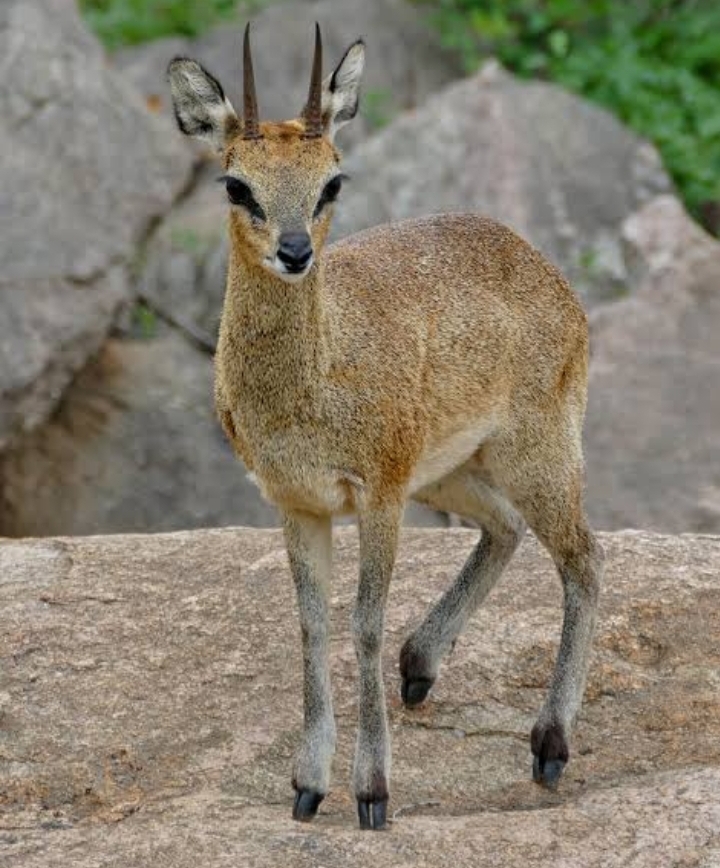
    …the only population of klipspringer in West Africa found on the Jos plateau and the last pack of African wild dogs in the sub-region found in Gembu are all under the endangered animal list…

    Although like shoppers in wealthy countries who pay extra for meat from free-range, organically raised animals, many urban dwellers in West Africa prefer bush meat which shows status and respect for tradition. Bushmeat supplies are dependent on a supporting ecosystem that is being disrupted in many parts of the country due to rapid population growth. The survival of our wildlife is a matter of grave concern to all of us in Africa. These wild creatures and the wild places they inhabit are not only important as a source of wonder and inspiration but are an integral part of our natural resources and of our future livelihood and well being.

    Read also: Nigeria’s environmental problems — The ringworm and leprosy

    The overexploitation of African wildlife for human consumption has mushroomed into a crisis of global proportion. In forests in West Africa the increase in logging and mining activities has helped fuel a dramatic explosion in the hunting of wild animals, including many threatened and endangered species. Unsustainable quantities of wild meat are now reaching large population centres, in turn driving further demand. Bushmeat networks extend as far away as London, Paris, Atlanta, and Washington, D.C., where eating wild animals is a status symbol in certain communities. The international trade in wildlife as pets to Europe and animal parts to the Far East is also fanning the flame with lack of enforcement and zeal on the government of the sub-region the biodiversity is being lost. All this occurs even though the majority of the trade is illegal both within nations and by international law/treaty.


    Impact of the bushmeat “industry”
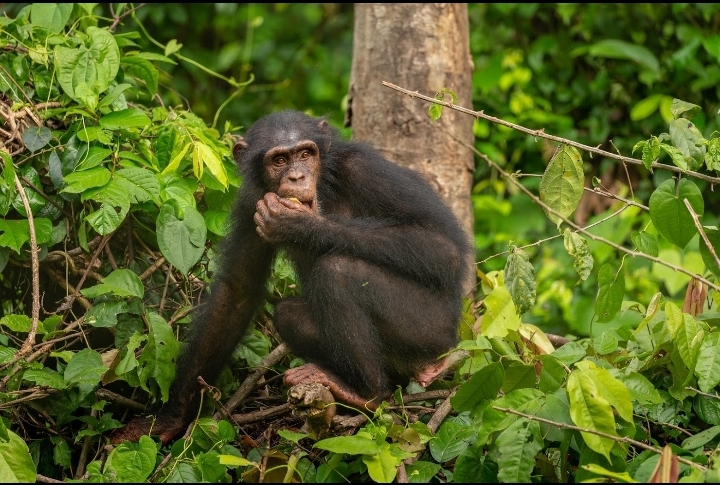
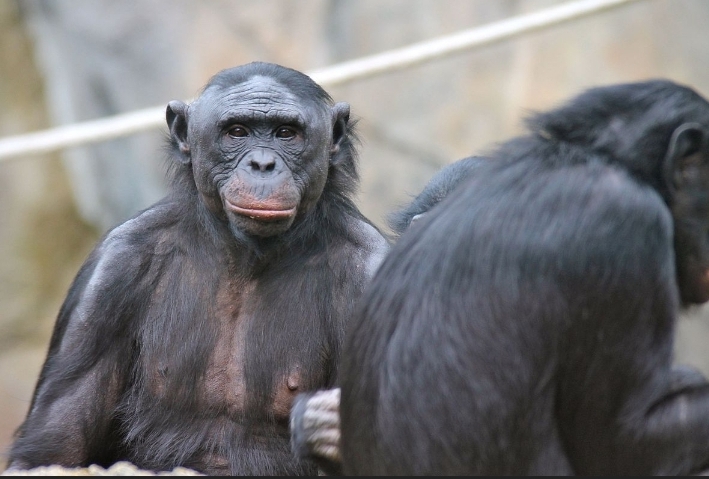
    Spread of diseases: It should be noted that bushmeat can serve as a vector for the spread of highly infectious diseases such as Ebola, monkeypox to both human and domestic animal population. The source of Ebola is far from unknown. Apes are known to be the bearer of the virus, as well as human beings. They can mutually infect each other.
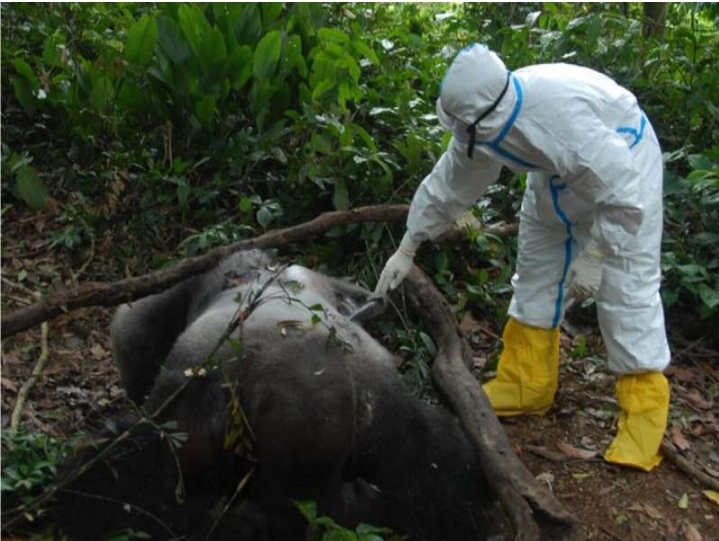
    Apes are known to be the bearer of the virus, as well as human beings. They can mutually infect each other.
    Photo: WCS Congo

    Besides apes and human beings, also plant, rodents and fruit-eating bats may be the source of the viral disease. It is known that the killing of apes for the bushmeat trade helps to spread the disease. Not by way of eating, but via the hunters who have touched the dead animals and women who prepare the food. The infection spread through blood, sweat and urine. There is evidence that one of the recent outbreak of the Ebola virus in the Congo appears to have resulted from human handling of apes for the bushmeat trade.

    At present, the quantity of bushmeat exported from Africa to Europe and the United State is small relative to that which is consumed in the continent, anecdotal reports suggest that such exports may be widespread and may pose a risk of transmitting emerging diseases to the wider world. For example, in November 2003 there was an outbreak of monkeypox in the Midwest of the United State attributed to infected rodents imported from Africa thus, the ban on the importation of all African rodents dead or alive by the U.S. Food and Drug Administration.

    Read also: Vietnam, Hong Kong seize 13,300kg ivory, others from Nigeria


    A threat to food security: Rural communities all over Africa are historically dependent on the exploitation of natural resources most especially wildlife as a primary protein source and have hunted sustainably for generations. For most people living in the forest, bushmeat is one of the few sources of protein available, along with locally caught fish. Today’s bushmeat “industry” is depriving these communities of their basic nutritional needs, contributing to disease risk (especially when immune systems are depressed), and raising longer-term food security concerns. The Pygmy populations of Central Africa are a good example of an entire culture that is at risk.
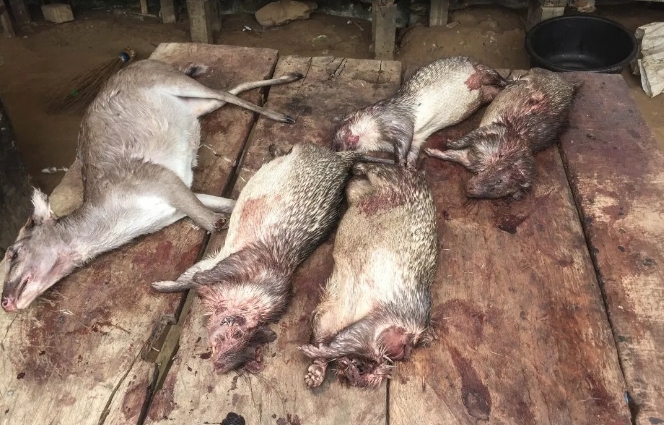
    Today’s bushmeat “industry” is depriving these communities of their basic nutritional needs…
    Photo: findingae.com


    Major environmental crisis: The unsustainable commercial harvesting of Africa’s wildlife is the singular greatest threat to Africa’s biodiversity. It has very rapidly eradicated almost all large mammals from unprotected areas in West Africa and threatens to do the same over the next 20 years in Central Africa. As this occurs, species for which the public in Europe and the United States express particular concern, such as the elephants, lions and the great apes, are also put at great risk. In Gabon, approximately 18 million kilogrammes of bushmeat are traded every year, with an estimated turnover of Euro 50 million accounting for some 2 percent of the countries non-oil GDP.


    At this point, it should be noted that the extinction of key species as a result of overhunting threatens irreversible ecological change. Take for example the loss of fruit eaters within the tropical forests alters the seed dispersal patterns of up to 80 percent of tree species. This would result in the change in forest composition and potentially alter the rate of carbon sequestration. Loss of grazers could have an equivalent impact on savannas’ ecosystem structure and function.


    Possible ways out

    A breeding program for wild animals has tamed the wild into “domesticated” animal, which on the long-run changes the authorities relating to its management. Some school of taught may say that this type of practice introduces a genetic erosion or variation and docility which would invariably influence meat production. The need to stimulate the rural economy through wild animal breeding programs to promote food security for the ever-growing population in Africa is more important and outweighs any demerits of this practice.

    In order to achieve food security through bush meat production, Africa has to engage in active capacity development in terms of training the trainers in the improvement of the rural economy to stimulate rapid economic growth, poverty alleviation and political stability within the continent. Effort should be made by different governments to define specific strategies for achieving these goals. Such efforts could include (1) conservation education in the National Programs of Public enlightenment; (2) supporting community conservation programs as well as promoting representation of rural communities in monitoring existing wildlife conservation programs;
    (3) introduction of Wildlife Resources utilization programs with local community participation thus basing planning and development on grass-root consultations; (4) provision of sustainable and affordable alternative supplies of resources; (5) putting in place mechanisms to involve and authorise local people as resource managers in decision making and wildlife resources management operations while allocating a substantial percentage of the resulting/accruing revenue to them for use as social amenities; (6) encouraging and supporting activities of organised private sectors and non-governmental organisations involved in wildlife resource conservation efforts and giving national recognition to successful conservation initiatives at the local levels.

  • Covid19: Experts call for greater protection of great apes

    Covid19: Experts call for greater protection of great apes

    Conservation experts have called for the suspension of all great ape tourism to protect the species from Covid19. They have also called for other protective measures for the great apes.

    The experts recommend that innovative measures are needed to reduce the risk of wild gorillas, chimpanzees and orangutans from encountering the virus.

    SARS-CoV-2, the coronavirus responsible for the current COVID-19 pandemic, is also a threat to our closest living relatives, the great apes, conservationists reveal in a letter in Nature

    Read also: Cross River gorilla conservation gets support from US

    “As leading experts in the conservation and health of these animals, we urge governments, conservation practitioners, researchers, tourism professionals and funding agencies to reduce the risk of introducing the virus into these endangered apes,” the letter co-author by Thomas Gillespie,  Emory University, Atlanta, Georgia, USA, and Fabian Leendertz, Robert Koch Institute, Berlin, Germany. 

    “They can do this by applying the International Union for Conservation of Nature’s best-practice guidelines for health monitoring and disease control in great-ape populations.”

    It is yet unknown if morbidity and mortality associated with SARS-CoV-2 in humans are similar in apes. However, transmission of even mild human pathogens to apes can have severe negative effects on the apes.

    Read also: National Park Service suspends group visit over Covid19

    Many great apes are already facing difficult situation due to habitat loss and poaching.

  • Nigerian conservationist, Ikemeh wins Whitley Award 

    Nigerian conservationist, Ikemeh wins Whitley Award 

    • Rachel Ikemeh honoured for protecting newly discovered chimpanzee group

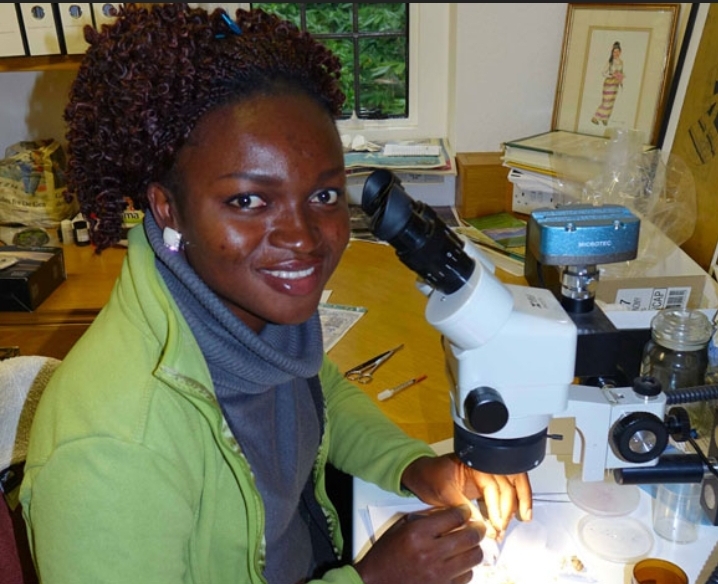
    Leading conservationist Rachel Ashegbofe Ikemeh has won a prestigious Whitley Award worth £40,000 for her work with chimpanzees in her home country of Nigeria.

    The Director and Founder of the SW/Niger Delta Forest Project, Rachel’s research and conservation work addresses the decline of chimpanzees and their habitat. With 80 Percent of forests lost to uncontrolled farming and logging, chimpanzee habitat has been disappearing at an alarming rate. Chimps are also under threat from poachers, hunted for their body parts.

    Read Also: Celebrating conservation champions on IWD 2020

    The Whitley Awards, often referred to as ‘Green Oscars’, are awarded annually to individuals from the Global South by UK-based conservation charity the Whitley Fund for Nature (WFN). Rachel is one of six conservationists to be recognised this year for their achievements in nature conservation.

    Rachel came into the conservation world after accepting an internship at the Nigerian Conservation Foundation, and soon realised she had found her calling. After the Nigerian-Cameroon chimpanzee was declared the most endangered of all chimpanzee groups in 2012, Rachel launched her project in the Idanre Forest cluster and Ise Forest Reserve; refusing to stand by and watch these great apes continue to decline. 

    Read also: Ise Forest Reserve gets conservation area

    Over the past eight years, she and her team have led a genetic study amongst other relevant activities, which in 2018 found that whilst chimpanzee populations in the South West and Niger Delta of Nigeria share ancestry with the Nigeria-Cameroon chimpanzee, they are in fact a distinct group. This exciting discovery reinforced the urgent need to protect this group of chimpanzees, helping Rachel to gain support for her cause.

    Nigerian-Cameroon chimpanzee was declared the most endangered of all chimpanzee groups in 2012…
    Photo: WFN

    Rachel’s approach combines patrolling, education, research and policy reform to protect this newly discovered primate. With her Whitley Award, Rachel aims to work with government to establish about 40,000 ha of conservation areas, and to advocate for revised laws to protect the area’s wildlife. With most wildlife preservation laws in the state created in the 70s, many have become obsolete and are in need of reform. 

    Rachel’s team also works closely with communities in and around forest areas, using public awareness campaigns to educate people about the importance of endangered animals and to discourage poaching. 

    Working against gender stereotypes as a Nigerian woman, Rachel has amazed many people with her choice of career. Her family feared the work was dangerous but they have since come to admire her strength. 

    “The funding will help me and my team to conserve chimpanzees and other wildlife in this fast disappearing forest ecosystem,” said Rachel Ikemeh

    “In a country where women’s voices are not being heard and are often discounted, I am determined to make a difference and be an inspiration to others. Having a daughter has been like a driving force for me. There are so many obstacles for women and I want to use my resilience to show her and many young Nigerian women that they can make the sort of impact that is distinguishable, constructive and timeless despite the obstacles we face,” Rachel said.

    “I am extremely proud to have been recognised by the Whitley Fund for Nature. The funding will help me and my team to conserve chimpanzees and other wildlife in this fast disappearing forest ecosystem.”

    Commenting on the conservationist’s achievements, Edward Whitley, WFN Founder, expressed admiration for Rachel’s strength of character.

    “Rachel’s strength of character and determination should be admired. The work of SW/Niger Delta Forest Project has made important gains for chimpanzee research and conservation, and we look forward to watching Rachel’s career progress as she scales up her work in the years to come,” Whitley said in a press release by WFN.

    Rachel is among six conservationists to receive 2020 Whitley Awards to support their work to conserve some of the planet’s most endangered species and spectacular natural habitats.

    Other winners are Kenya’s Abdullahi Hussein Ali for his work on landscape‐level approach to conserve the hirola antelope;
    Brazil’s Gabriela Rezende who is working on Connecting populations of black lion tamarins in the Atlantic Forest and South Africa’s Jeanne Tarrant who is working on country-wide strategy for South African amphibians.

    The other recipients of the award are Phuntsho Thinley from Bhutan and YokYok (Yoki) Hadiprakarsa from Indonesia

    While normally presented to winners by charity Patron HRH The Princess Royal at an annual Ceremony in London, the 2020 Whitley Awards Ceremony was postponed due to the COVID-19 pandemic. Whilst the winners will receive their funding now, they will be invited to attend a ceremony and related events in London later this year to celebrate their achievements, should circumstances allow. 

    This year’s Whitley Gold Award honours Brazilian conservationist Patrícia Medici for her outstanding dedication to protecting South America’s largest land mammal, the lowland tapir, using it as a flagship for largescale habitat preservation. Patrícia is a world expert in the science of tapir conservation and has dedicated her life to shedding light on this unusual looking, yet little-known species. Against a backdrop of political and environmental instability in Brazil, her work is more important than ever. The Whitley Gold Award enables the expansion of her work to the embattled Amazon. 

  • Covid19 : Leave wildlife, avoid diseases, says Conservator General

    Covid19 : Leave wildlife, avoid diseases, says Conservator General

    The Conservator General, National Park Service, Ibrahim Goni, has said Nigerians must have behavioural change towards wildlife to curb avoidable diseases in our country.

    The Conservator General gave the charge on Tuesday, while underlining the dangers posed by hunting, eating and trading in, wildlife, and also warned about using wild animals as pets.

    “We got reports that people still eat and sell various species of dead monkeys, cats, and birds such as bats, as well as pangolins suspected to be at the center of COVID-19.

    “Pangolin, the world’s most trafficked mammal is believed to have possibly been a vector in the leap of the novel coronavirus from animal to human at a market in China’s Wuhan city last year.

    Read also: Historic wildlife bust highlights how the black market threatens ecosystems

    “They are commonly used in traditional Chinese medicine, although scientists say they have no therapeutic value, he said.

    The CG said that this pandemic should make hunters of wildlife to consider the health not just of humans, but of animals and the environment, to avert future crises.

    “Due to hunting, eating and trading in wildlife, the world has seen the emergence of all sorts of animal- borne infectious diseases such as SARS, Ebola, Lassa Fever, and now, COVID-19.

    “At our parks we have experts who handle these animals in hygienic ways to avoid direct human contact that can become breeding grounds for existing and emerging infectious diseases.

    He said that the ongoing COVID-19 pandemic has wreaked havoc globally and Nigeria is not left out and wondered why some people still engage in a trade that supposedly brought the new disease upon mankind.

    “One of the frightening realities of this trade is the threat that it poses to the health of human beings, through the spread of diseases from animals to human beings.

    “Wildlife belongs to the wild and therefore should be left in the wild, Goni said.

    He called for a paradigm shift in behavior of the public towards Nigeria’s Environmental Laws and the Convention on International Trade in Endangered Species (CITES).

    He added that 75 percent of emerging infectious diseases are linked to wildlife and that underscored the mutually-effective relationship between human beings and nature.

    “It is important we understand the links between habitat and environmental damage and the coronavirus.

    “The destruction of ecosystems makes disease outbreaks, including pandemics, more likely and now the destruction of nature is the underlying crisis behind the coronavirus crisis.

    “Our Wildlife is increasingly going into extinction and its trade puts ecosystems at risk.

    He said the Service will continue to create awareness on the impact of hunting and trading on biodiversity and the risks that it poses to human health.

    “We urge those involved in wildlife trade to stop the killing and eating of wildlife, for their own good.

    “Wild animals belong in the wild and are not pets and should be handled by professionals,’’ he warned.

  • Covid19: Tiger tests positive in US zoo

    Covid19: Tiger tests positive in US zoo

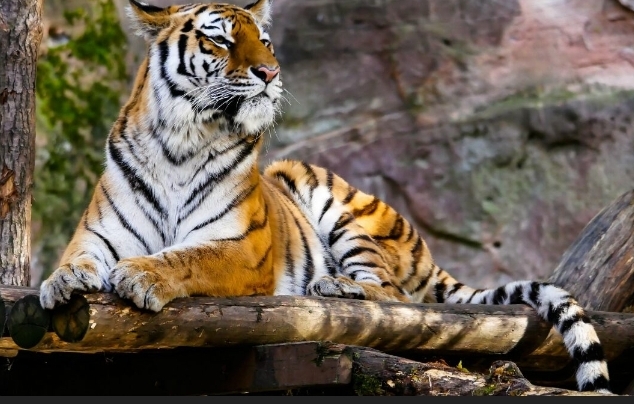
    A tiger at the Bronx Zoo has tested positive for the coronavirus.

    The four-year-old female Malayan tiger, named Nadia, is believed to be the first known case of an animal infected with Covid-19 in the US.

    The Bronx Zoo, in New York City, says the test result was confirmed by the National Veterinary Services Laboratory in Iowa.

    Nadia, along with six other big cats, is thought to have been infected by an asymptomatic zoo keeper.

    The cats started showing symptoms, including a dry cough, late last month after exposure to the employee, who has not been identified.

    Read also: Pangolins found to carry related strain of Coronavirus

    “This is the first time that any of us know of anywhere in the world that a person infected the animal and the animal got sick,” Paul Calle, the chief veterinarian at the zoo, told Reuters news agency on Sunday.

    There have been isolated instances of pets testing positive for the coronavirus elsewhere in the world, but experts have stressed there is no evidence they can become sick or spread the disease.
    Calle said he intends to share the findings with other zoos and institutions researching the transmission of Covid-19.

    “We tested the cat [Nadia] out of an abundance of caution and will ensure any knowledge we gain about Covid-19 will contribute to the world’s continuing understanding of this novel coronavirus,” the zoo said in a statement.

    Nadia, her sister Azul, as well as two Amur tigers and three African lions who showed symptoms, are all expected to make a full recovery, the zoo said.

    The big cats did have some decrease in appetite but “are otherwise doing well under veterinary care and are bright, alert, and interactive with their keepers”, it said.

    The zoo said it is not known how the virus will develop in animals like tigers and lions since various species can react differently to new infections, but all the animals will be closely monitored.

    Read also: Coronavirus forces China to ban wildlife trade

    None of the zoo’s other big cats – four other tigers, snow leopards, cheetahs, a clouded leopard, an Amur leopard, a puma and a serval – are showing any signs of illness.

    “Our cats were infected by a person caring for them who was asymptomatically infected with the virus or before that person developed symptoms,” said the zoo.

    All the tigers showing symptoms were housed in the zoo’s Tiger Mountain area. It is unclear if the others will be tested.

    All four zoos run by the Wildlife Conservation Society in New York City, including the Bronx Zoo, have been closed to the public since 16 March. New measures will now be put in place to protect the animals and their caretakers at all the facilities.

    Even though a couple of companion cats and dogs have tested positive to the disease in Hong Kong, the is no known case of animals transmission to humans yet.

  • Nigerian biologist, Tanshi wins Future For Nature Award

    Nigerian biologist, Tanshi wins Future For Nature Award

    Nigerian biologist, Iroro Tanshi who discovered bat species in Nigeria that was last seen 45 years ago is among the three winners of Future For Nature (FFN) Award 2020. Tanshi, beat 120 others to win the prestigious award.

    The award ceremony is scheduled for Friday, May 8th 2020. Tanshi alongside María Fernanda Puerto-Carrillo from Venezuela and Tjalle Boorsma from the Netherlands/Bolivia will receive this prestigious nature conservation prize during the Future For Nature Award Event at Royal Burgers’ Zoo. In the past this internationally renowned prize was presented by icons such as Sir David Attenborough and Dr. Jane Goodall.

    Read also: Celebrating conservation champions on IWD 2020

    The 35-year-old biologist is a dedicated bat specialist. Amongst other achievements, she rediscovered a population of the Short-tailed Roundleaf bat in Nigeria. The last one was seen 45 years ago. Now, she is on a mission to protect the last known stable cave roost. That roost is under threat of fruit bat hunting and wildfires in Nigeria. Her ‘Zero Wildfire Campaign’, which engages local people to protect critical habitats for this bat species is yielding results to help bring back this species from the brink of extinction. In 2019 zero wildfires were reported in the dry season.

    “Her passion and perseverance is now rewarded with the internationally recognised Future For Nature Award,” said Onnika van Oosterbosch, Coordinator Future For Nature in a press release.

  • Pangolins found to carry related strain of Coronavirus

    Pangolins found to carry related strain of Coronavirus

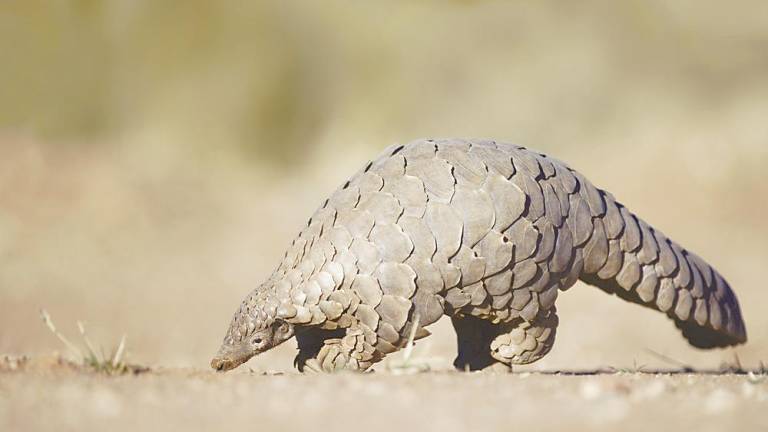
    The world’s most illegally trafficked mammal, the pangolin has been found to carry viruses closely related to the novel coronavirus currently spreading globally.

    According to scientists, the sale of pangolins in wildlife markets should be strictly prohibited to minimise the risk of future outbreaks.

    Pangolins are illegally trafficked both as food and in traditional medicine. The animals’ scales and meat are erroneously believed to be cures for numerous diseases including sexual dysfunction.

    Read also: Coronavirus forces China to ban wildlife trade

    A research published in the journal Nature, emphasised that these animals should always be handled with caution.

    The research also recommended that surveillance of wild pangolins is needed to understand their role in the risk of future transmission of the virus to humans.

    Lead researcher innthe study, Dr Tommy Lam of The University of Hong Kong said two groups of coronaviruses related to the virus behind the human pandemic have been identified in Malayan pangolins smuggled into China.

    “Although their role as the intermediate host of the SARS-CoV-2 outbreak remains to be confirmed, sale of these wild animals in wet markets should be strictly prohibited to avoid future zoonotic [animal to human] transmission,” he said.

    Read also: Researchers seek in-depth knowledge about pangolins before imminent extinction

    Bats also contain coronaviruses, which are closer still to the human virus, except in one key area – the part that helps the virus invade cells.

    “This tells us that viruses that look pretty adapted to humans are present in wildlife,” said co-researcher, Prof Edward Holmes of the University of Sydney. “Bats are certainly involved, pangolins may be, but it is very possible that other animal species are involved as well.”

    The bat has been implicated in the recent spread of the Covid19 causing viruses. However, it is yet to be determined how the transmission occurred and the role of the pangolins or other wild animals in the spread of the novel coronavirus disease.

  • Ogoni Cleanup poorly executed –  Elders Council

    Ogoni Cleanup poorly executed – Elders Council

    The ‘Gbo Kabaari,’ Ogoni Elders Council has written a letter to the Minister of Environment over what it described as the flawed implementation of the United Nations Environmental Programme (UNEP) recommendations of Ogoni Clean-up exercise, alleging insiders abuse within government agencies.

    The letter dated March 18 2020 also accused officials NOSDRA of complicity .

    The letter was signed by Senator Bennett Birabi as Chairman; Dr. Aluba Bari D. Nbete, General Secretary; with Mr. Ledum Mitee; Mr .Baritor L. Kpagih; Chief Monday Nbueh; Chief Michael Aloega and John Pascal Nalley, as members.

    Read also: Minister, others visit UK over Ogoni clean up

    “Even more worrisome is the fact that by the UNEP Report which forms the basis of the clean-up exercise, about 30 per cent of the estimated cost of $1 billion for the first five years of the exercise was to be utilised for the provision of alternative drinking water, alternative employment for those in artisanal refining and restoration of artisanal refining sites,Ogoniland Restoration Authority and Centre for Excellence in Restoration,” the letter alleged.

    “Yet, nothing significant has been done about these out of the $360million that is reported to have been released so far for the clean-up exercise. There is equally a mind-boggling disproportion between the said reported disbursed amount and the scope of job done in terms of remediation, environmental sustainability, livelihood enhancement”.

    The letter further stated that it is obvious from the way activities connected to the clean-up are carried out that the lives of the Ogoni people have been tagged with prices and are being conspiratorially mortgaged for various forms of patronage and inordinate economic and political interests of some powerful and influential players outside of Ogoni.

    Read also: Ogoni cleanup under HYPREP has failed — MOSOP

    “What else can account for the award of contracts for a highly technical job such as hydrocarbon pollution remediation to incompetent non-indigenous companies, whose only qualification is their possession of procured documents that are at a variance with their technical capabilities, and annoyingly so?

    “Perhaps equally worrisome is the fact that persons who have been part of the problem in the first place are now being put in charge of critical aspects of the equation”.

  • Expert calls for more conservation effort on International Day of Forests

    Expert calls for more conservation effort on International Day of Forests

    … as world commemorates event despite COVID19 

    Notwithstanding any progress it is making, Nigeria still has a long way to go in conserving its abundant biodiversity. The country needs to do more in protecting its forests and the species that depend on the forest to survive by minimising the rate of deforestation and habitat loss. 

    These are some of the sentiments shared by conservation experts on Saturday to mark the International Day of Forests. The International Day of Forests is set aside annually by the United Nations on 21 March to raise awareness of the importance of forests to people and their vital role in poverty eradication, environmental sustainability and food security. This year’s commemoration drew attention to forest and biodiversity.

    Speaking in an interview on the importance of the forest and its biodiversity to humans, Dr. Tajudeen Amusa, a conservation expert from the Department of Forest Resources Management, University of Ilorin stated that humans and the biodiversity supported by forests are interdependent and one cannot do without the other. He encouraged everyone to play their own role in conserving the forest, which supports 80 percent of terrestrial life. He added a lack of political will is one of the major issues militating against forest conservation in the country.

    Read also: Celebrating conservation champions on IWD 2020

    “We need to stem the tide of habitat loss and fragmentation, we need policies to support the protection of wildlife in their ranges and we need political will to stop all human land use practices capable of causing destruction and fragmentation of the forests,” said Dr. Amusa.

    “…we need political will to stop all human land use practices capable of causing destruction and fragmentation of the forests,” said Dr. Amusa.

    The expert who has spent over a decade of his career on elephant conservation in the country also mentioned insecurity as a major setback to wildlife conservation in the country. He pointed some conservation oarks as examples of how insecurity can hinder conservation work.

    “Birnin-Gwari and its environs where we carried out the first project was highly prone to bandit attacks,” he recounted. “A number of Park rangers have been killed in the area. The security situation in the area became so tense that we needed to stop the project there.”

    He commended the Nigerian National Park Service, the Nigerian Conservation Foundation, The Rufford Foundation among others for their activities in making sure the forest and its biodiversity in the country receive constant attention. He urged the government and other stakeholders not to relent in keeping the forest sustainable.

    Despite the global battle against the Covid19 pandemic, conservationists worldwide joined their voices online and as best as they could while taking all the precautions against the spread of the virus to commemorate the International Day of the Forest.

  • National Park Service suspends group visit over Covid19

    National Park Service suspends group visit over Covid19

    The National Park Service has suspended some of its activities, including group visits and overnight stay at the seven parks across the nation.

    Dr Ibrahim Goni, the Conservator- General, National Park Service, said this in a statement issued by his Special Assistant on Media, Mr Yakubu Zull, in Abuja on Tuesday.

    Goni said that in view of the reality of COVID-19 in the country, and in order to take further preventive steps, all Conservators of Parks (CPs) were to follow all the directives of the Federal Government.

    Read also: Coronavirus forces China to ban wildlife trade

    “The National Centre for Disease Control (NCDC) has continued to issue advisories to stem the spread of the disease which has no known cure.

    “They have also recommended the cessation of all gathering in excess of 50 people because of the risks it poses.

    “Therefore, the CPs has been directed to suspend all group bookings and visits and ensure no overnight stay by visitors; all visitors must be screened.

    “There will be no Easter celebrations or gatherings inside the parks and no parties of any sort, weddings etc,” he said.

    However, he noted that the service would continue its operations but as much as possible, efforts would be made to ensure that crowds coming to the parks would not exceed the recommended number.

    Goni said the service would take all necessary steps to ensure the safety of visitors in its jurisdiction in view of the risk such large gatherings posed.

    “This is a matter of grave concern to the entire National Park Service Management so we have provided test kits, sanitizes, soap and water for maintenance of proper hygiene,’’ he added.

    The C-G called on all park visitors to comply with all the rules and cooperate with service staff to help curtail the spread of the virus.

    He said all guidelines must be followed to ensure concerted and coordinated efforts in the prevention of the spread of this disease.

    “As you are aware, the COVID-19 and its spread in Nigeria has become a source of concern to all.

    “We, therefore, insist that all our visitors must submit themselves to the precautionary measures put in place at the parks”.

    Goni advised the parks visitors and intending visitors to observe the general recommendations from the World Health Organisation (WHO).

    “They include frequent washing of hands with soap and water, avoid touching of eyes, mouth, and nose, cover your mouth and nose with your bent elbow or tissue when you cough or sneeze.

    “Stay more than 1 meter (3 feet) away from a person who is sick and follow proper food hygiene practices.’’

    He said that the global pandemic had affected every aspect of the nation including the service’s ability to carry out its programmes.

    “As the situation unfolds, our top priority is everyone’s safety, and so we are in the process of making key alterations to how we work.

    “I want to assure you that we are determined to do our best to help the Federal Government preserve lives and restore normalcy within the shortest possible time,” he promised.