Author: ConservationsNG

  • Ise Forest Reserve gets conservation area

    Ise Forest Reserve gets conservation area

    A protected area native species has been established in Ise Forest Reserve, Ekiti State.

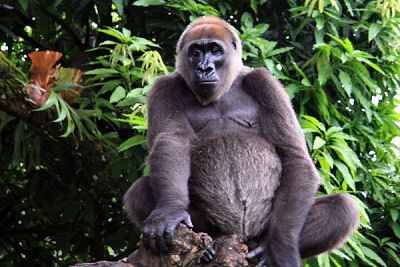
    The protected area will go a long way in bringing back species in the forest from the brink of extinction. It will also help in protecting the chimpanzee population in the forest.

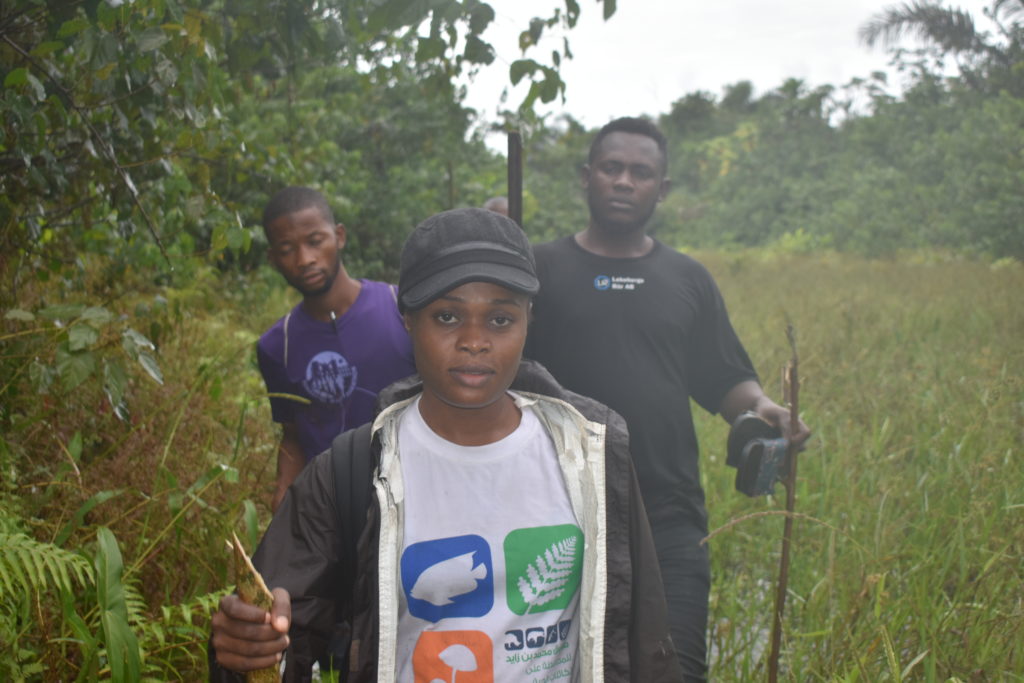
    The announcement was made by the SW Niger Delta Forest team through its twitter handle on Tuesday.

    “It’s official!!! We are happy to announce that a conservation area has been established in Ise forest reserve, Ekiti State following executive order by the outstanding Gov. @kfayemi of @ekitistategov. It’s win win for forests, chimpanzees, wildlife & indigenous people,” the handle tweeted.

    Ise Forest Reserve covers 142 km². The reserve is bordered by the Ogbesse River and the Ondo-Ekiti boundary along its western limits. Though considered an important priority area for Nigerian-Cameroon chimpanzee conservation in southwestern, Nigeria, the biodiversity in the reserve is threatened by excessive logging and land clearing for illegal marijuana plantations. The establishment of a conservation area will bring more attention to the forest with the aim of safeguarding it from illegal activities.

    Details later…

  • Lagos to get 270 days of rain in 2020

    Lagos to get 270 days of rain in 2020

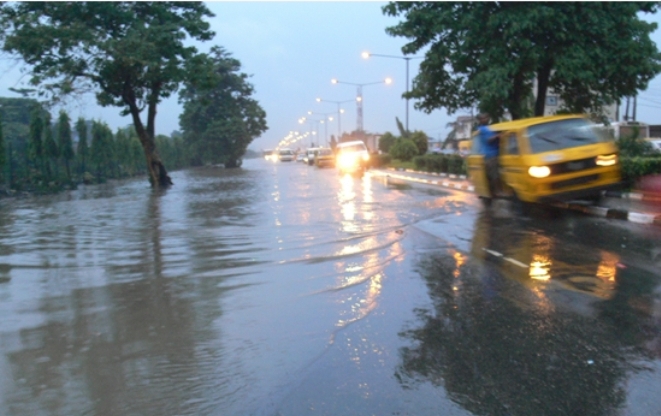
    The Lagos State government has warned residents to get ready for a massive rainy season this year. The state is expected to receive between 240 to 270 days of rainfall in 2020.

    The Commissioner Environment, Lagos Mr Tunji Bello, who stated this during a press briefing on the Year 2020 Seasonal Rainfall Predictions and prevention of flooding in the State on Tuesday, added that the maximum annual rainfall is predicted to be 1,750mm.

    Read also: Lagos moves to ban single use plastic

    While giving reference to a report obtained from the Nigerian Meteorological services (NIMET), the commissioner stated that the earliest predicted onset of the rainy season is 17th March with other areas following.

    He added that the rainy season is expected to cease earliest by 22 Nov in Surulere with other areas following after.

    “Ikeja is expected to have about 1526mm, while that of Badagry is 1750mm, Lagos Island with 1714mm, Ikorodu with 1690mm and Epe with 1730mm of rainfall.

    “Lagos Island was expected to have a rainfall onset date of 19th March with an error margin of three days, while its cessation date is expected to be 26th of November,” he stated.
    The Environment Commissioner noted that this year’s prediction by NiMeT is based on the global consensus that El-Nino Southern Oscillation (ENSO) is at the neutral phase which will continue till around August or September.

    Bello explained that residents staying coastal areas will witness flash-floods which he describes as ‘natural’, but it will disappear in a matter of time if the drains are clean.

    “As long as the drains are clean, we should be assured that, in a matter of time, the flash flood will disappear,” he said.

    Read also: Environmentalist calls for ‘trash blindness’ sensitisation

    “It must be noted that anytime the Lagoon level rises, it may “lock-up” the discharge points drainage channels and until it recedes, there will be no discharge. Occurrences like these also cause backflows, resulting in flooding.”

    He added that the state government is collaborating with Ogun-Osun River Basin Development Authority and this has ensured control and monitoring of the release of water from Oyan Dam to prevent flooding of the downstream communities;

    According to him, since last year the Emergency Flood Abatement Gang under Drainage Maintenance Department of the Ministry have been consistently de-silting and working on secondary collectors and conduits, to enable them to discharge efficiently.

    The Commissioner advised Lagosians who reside along flood plains, coastal and low-lying wetland areas near major rivers to always be on the alert and be ready to relocate when the need arises.

    He called on the state residents to desist from acts that can lead to flooding such as indiscriminate dumping of refuse in unauthorised places.

  • Poachers kill rare dazzling white giraffe

    Poachers kill rare dazzling white giraffe

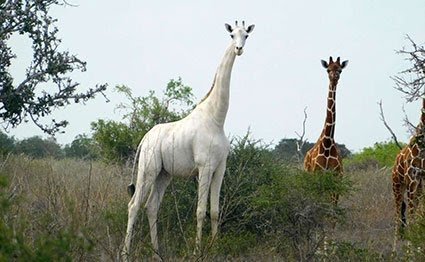
    There is only one white giraffe known to be alive in Kenya after poachers killed the only female white giraffe and her calf at Ishaqbini Hirola Community Conservancy in Ijara, Garissa County, eastern Kenya.

    Conservancy manager Mohammed Ahmednoor said on Tuesday that only skeletons of the rare animals were found after a long search.

    Read also: Sumatran rhino now extinct in Malaysia

    “This is a very sad day for the community of Ijara and Kenya as a whole. Her killing is a blow to the steps taken by the community to conserve rare and unique species, and a wake-up call for continued support to conservation efforts,” said Mr Ahmednoor in a statement.

    In 2017, the rare white giraffe put a remote community conservancy in Ijara, Garissa, on the global map after its discovery.

    The giraffe, described as one of a kind and believed to be the only one in the world, dazzled the local community, scientists and wildlife enthusiasts globally.

    Scientists believed it suffered from a genetic condition called leucism which inhibits skin cells from producing pigment.

    “This is a long-term loss given that genetic studies and research which were a significant investment in the area have now gone down the drain.

    Read also: Kenyan vets harvest 10 white rhino eggs in desperate conservation move

    “Also, the white giraffe was a big boost to tourism in the area,” Ahmednoor added.

    Last August, the Northern Rangelands Trust announced that the female white giraffe had given birth at the Ishaqbini Hirola Community Conservancy.

    The birth of the male white calf brought to three the number of all known white giraffes in the country.

    “After this incident, only a lone bull remains,” Ahmednoor said.

  • WWF urges Southeast Asia to ban unregulated wildlife trade like China

    WWF urges Southeast Asia to ban unregulated wildlife trade like China

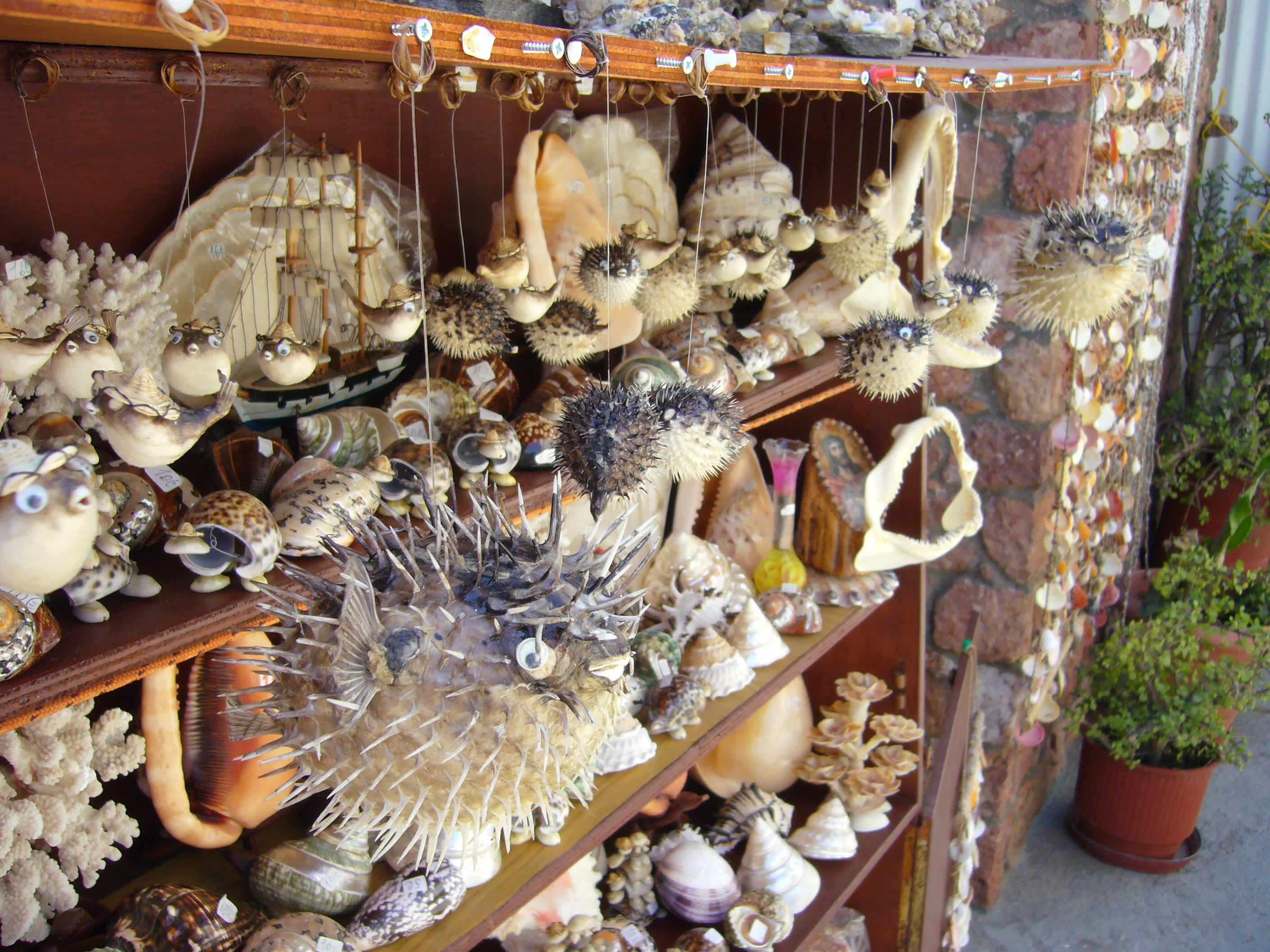
    The World Wildlife Fund (WWF) has called on Southeast Asia to follow the footsteps of China to ban unregulated wildlife trade and consumption of wild animals. Southeast Asia is a key hub of wildlife trafficking and a major pathway for trafficking into China. China banned unregulated trade in wildlife recently after the outbreak of the novel coronavirus in the country.

    Scientists are yet to determine the exact cause of the recent outbreak but they believe it could be linked to improper handling of raw meat from wild animals. 

    While the WWF commended China’s move on the ban, it held that there is still more to be done. 

    Read also: Coronavirus forces China to ban unregulated wildlife trade

    “Southeast Asian countries must learn from China’s example and ban the sales of wild meat for the health of their citizens and to prevent damage to their economies, as is happening currently due to COVID-19,” said Christy Williams, the WWF International regional director for the Asia Pacific.

     “This means that they must stop the trade from moving into their territories.”

    Williams noted that in the past when China banned wildlife products such as ivory, traffickers shifted their  trade into Southeast Asia. He this held that China’s current ban on wild meat could move the trade to its neighbors, which is why WWF Asia Pacific is urging other nations to follow suit with their own bans. It recommended that governments increase market inspections and raise awareness among the public to stop the sale and consumption of wildlife products.

    While the concern around the current coronavirus epidemic is primarily about human health, it may also yield the benefit of having fewer animals trafficked. China has long been a major market for animal products such as rhino horn and pangolin skins. Besides wildlife trafficking among Chinese citizens, this has led traffickers to do business in nearby developing nations, which they can use to source animal products or to transfer the products from farther afield.

    In Vietnam for instance, which shares a land border with China, the environmental groups Education for Nature (ENV), Four Paws International, and World Animal Protection are trying to convince owners to give up their sun bears and Asiatic black bears, whose bile is collected and sold for perceived medicinal benefits in China and elsewhere.

    “The bear bile industry was once profitable and in-demand,” Nguyen Thi Phuong Dung, the vice director of ENV, said. “However, as more people choose to not buy bear bile, more farmers are asking their bears for forgiveness and giving them better lives at a rescue center.”

    Her group said that bears have been tortured and that hundreds remain in cages. Vietnam had thousands of bears 15 years ago, a number that has decreased to less than a thousand now because of the bile trafficking, according to Four Paws.

    Environmental groups in Asia have cited ethical reasons in appealing to people to stop the wildlife trafficking. However with the coronavirus epidemic, the groups are now also appealing to people’s self interest. Past epidemics show that just focusing on the containment of infected individuals is not enough, but there needs to be control over the use of animal products as well, said Ron Ryuji Tsutsui, the chairperson of the WWF CEOs group in the Asia Pacific.

    The coronavirus has already had some unintended environmental benefits, such as improved air quality in some Asian cities as fewer factories and cars on the road emit less greenhouse gas into the atmosphere. Tsutsui hopes that tighter regulatory control of the wildlife trade in the wake of the virus will be good not just for humans but for animals too.

    “China’s decision to deal with the source of the problem — permanently closing markets and banning the eating of wild meat — is a game changer,” he said of the response to the coronavirus. “All Asian governments need to follow this example in the interest of human health, as well as the conservation of wildlife.”

  • Loads of charcoal seized in Niger

    Loads of charcoal seized in Niger

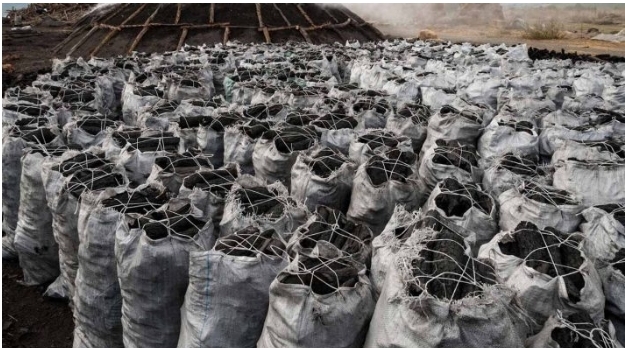
    The Niger Government says it has confiscated about 33 trucks loaded with 518 bags of Charcoal suspected to be produce of illegal tree felling in the state.

    The Secretary to the State Government, Ahmed Matane, disclosed this in a statement in Minna on Saturday.

    He warned that the government would deal decisively with anyone caught engaging in such a destructive act.

    Matane said that in spite of efforts by the present administration to fight the trend, there were few unscrupulous elements undermining such efforts.

    “Government would leave no stone unturned in ensuring the protection of the forests in the state,” he said.

    He said that soil erosion, desertification and land degradation were some of the challenges faced by the people as a result of indiscriminate felling of trees.

    Matane said that the act of felling of trees in the name of timber and charcoal remained a threat to the community.

    He called on the Ministry of Environment and the Task Force Committee on Forest Exploitation in the state to intensify effort towards putting an end to this unfortunate incident.

    Matane appealed to Niger people to report activities of unscrupulous Timber and Charcoal vendors to security agencies for necessary action.

  • Celebrating conservation champions on IWD 2020

    Celebrating conservation champions on IWD 2020

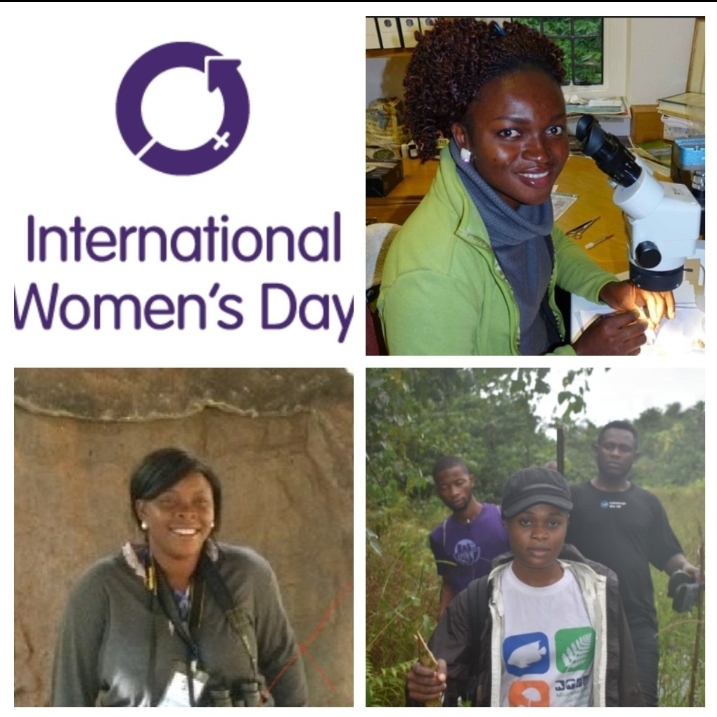
    It is another March 8, the International Women’s Day, a time specially set aside to appreciate and celebrate women.

    This year’s theme is #EachforEqual and we are commemorating IWD 2020 by celebrating the achievements of three leading women in the field of conservation in Nigeria. These women have given voice to the voiceless flora and fauna of Nigeria. They deserve resounding ovation.

    Meet Rachel Ikemeh, Iroro Tanshi and Stella Egbe in our International Women’s Day special.

    Rachel Ashegbofe Ikemeh


    Rachel Ikemeh

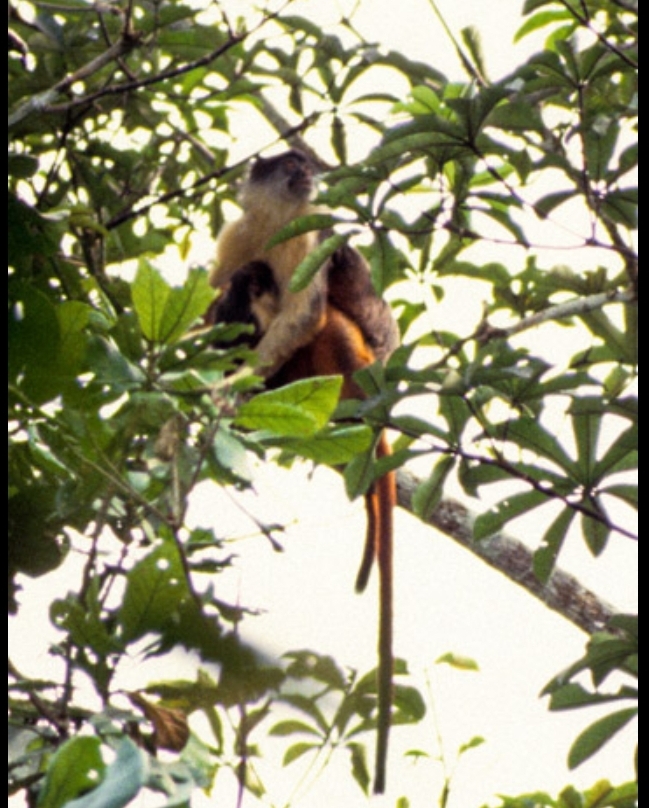
    Rachel is the Project lead/founder of the SW/Niger Delta, a non-governmental organization pioneering conservation actions for a small but unique population of endangered chimpanzees in southwestern Nigeria and for critically endangered Niger Delta Red Colobus monkey across their range – another rare species of primates found only in Bayelsa State, Nigeria. The project’s efforts span over 5,000km2 of highly threatened forest landscape.

    Read Also: Experts make case for intensified effort in Cross River gorilla conservation

    Her contributions and commitments to primate conservation earned her a seat on the International Primatological Society (IPS) Conservation and Education committees. She is the Co-Vice Chair Africa section of the IUCN/SSC Primate Specialist Group and a member of the United Nations Commission on Sustainable Development (UNCSD) Education Caucus. She also co-led  the steering committee that founded the African Primatological Society (APS).

    Rachel is committed to all of these groups and always seeks ways to maximize her associations with these networks and explore opportunities for collaboration to promote African leadership an enhance primate conservation across board.

    the critically endangered Niger Delta Red Colobus monkey…
    Photo: Noel Rowe

    She is an alumni of the Durrell Institute of Conservation and Ecology (DICE), University of Kent, U.K where she studied for a degree in Conservation Project Management. She is a two-time nominee of the Future for Nature Awards and twice long-listed for the Whitley Awards also well-known as the ‘Green Oscars’. She recently became a National Geographic Explorer.

    For more than a decade she has worked in the Guinean Forests of West Africa which is home to over 2,200 unique plant and animal species.  The threatened primates on which she has focused serve as a reference point for the broader assemblage of threatened species and bolster her efforts to engage local communities in their protection.  Rachel offers an excellent example of how to combine a specialized education, training and field experience to serve as a conservation leader. Her purpose driven work provides critical link between the Nigerian government and the people sharing the habitat with some of the world’s most unique but threatened species.  

    Iroro Tanshi

    Iroro Tanshi

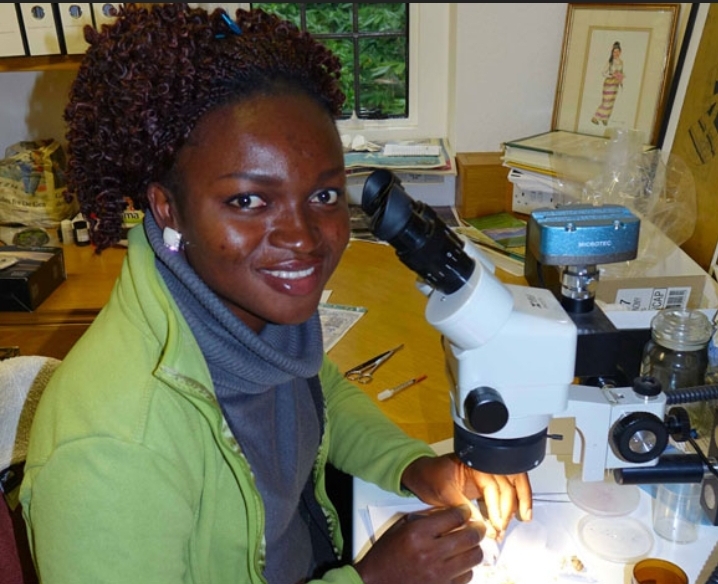
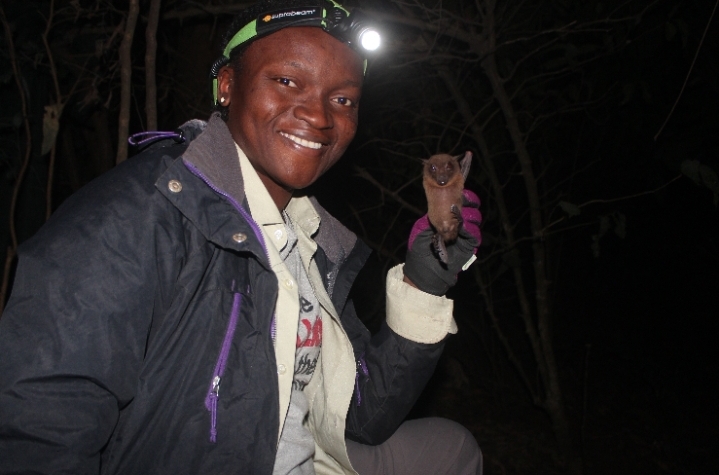
    Iroro Tanshi is an award-winning Nigerian bat ecologist and conservationist, whose interest spans research on landscape, community and population ecology of bats that generate evidence for conservation of threatened bat species. She is also passionate about raising the next generation of biologists and conservationists, while developing local infrastructure for research and conservation. 

    Read also: SaveTheVultures: They need all the help

    Her career spans more than a decade during which she has a track record of species protection, worked with policy makers and mentored budding conservationists. Iroro is a lecturer at the University of Benin. She is currently finishing a doctoral program at Texas tech University, Lubbock, USA, where she’s also a teaching assistant. She holds two Masters’ degrees in biodiversity and conservation from the University of Benin, and University of Leeds. As part of her efforts to conserve Nigerian bats and raise capacity of local conservation scientists, she co-founded a Nigerian based NGO – Small Mammal Conservation Organisation (SMACON). She is also a founding member and first co-Chair of Bat Conservation Africa (BCA) – a network of bat researchers and conservationists working to protect African bats. During her leadership of BCA, she helped fund raise to support researchers and institutions with important library resources and organized a workshop to train budding scientists on important bat research skills. Iroro initiated the Bats of Nigeria Project and is a strong critic against wide spread misconduct and sub-par research in Nigerian science.


    Iroro initiated the Bats of Nigeria Project and is a strong critic against wide spread misconduct and sub-par research in Nigerian science.

    Iroro is currently working on conserving foraging habitat and roosting caves of the range-restricted endangered Short tailed roundleaf nosed bat, Hipposideros curtus. The major threats to the species are habitat loss from wildfires and cave disturbance from fruit bat hunting, which in addition to declining population is driving the species to the brink of extinction. The key strategy to reducing these threats to this species is working with local farmers and fruit bat hunters, through collaborating with other NGOs and relevant government agencies.

    Stella Egbe

    Stella Egbe

    Stella is a conservation biologist who has worked extensively on maintenance of habitat integrity to avoid loss of biodiversity which — if it happens — would be detrimental to man and wildlife. She holds strongly that continuous research is the key to understanding the landscape and land use interactions which will provide basic knowledge for sustainable habitat use.

    Read also: APLORI trains young scientists on field ornithology, biostatistics, others

    Balancing the needs of humans while maintaining ecosystem quality in Nigeria is what has kept her forging ahead in the field of conservation. Stella holds strongly that mitigating negative anthropogenic activities, while learning and enjoying all that nature has to offer is a key conservation strategy that should be embedded in the hearts. Stella loves helping new conservationists with fundamentals of field work.

    Stella loves helping new conservationists with fundamentals of field work.
    Photo: birdlife.org

    She has carried out her research at the Afi Mountains and Wildlife Sanctuary, looking at the effects of activities on forest edges using birds as indicators. She has also collaborated on projects with the Royal Society for the Protection of Birds (RSPD), Nigerian Conservation Society (NCF), A. P Leventis Ornithological Institute (APLORI) and so on.

  • Minister urges Nigerians to protect nature on Wildlife Day

    Minister urges Nigerians to protect nature on Wildlife Day

    The Honourable Minister of State, Environment, Chief Sharon Ikeazor has called on Nigerians to protect wildlife and plant species and support the Federal Government’s effort at tackling illegal wildlife trade across international ports and border posts of the country.

    She said this is in line with the Convention on International Trade in Endangered Species of Wild Fauna and Flora (CITES).

    Ikeazor made the call on Tuesday during the commemoration of the World Wildlife Day for the year 2020. The theme for this year’s commemoration is “Sustaining all life on Earth”.

    Ikeazor stated that the theme is well timed and all-encompassing as biodiversity is critically endangered and there is a need to rescue these natural resources and the planet as a whole. She added that the Federal Government is ready to give maximum support for the protection of wildlife and its sustainability as Nigeria is a signatory to a number of treaties on the conservation of Endangered Species.

    While reiterating Nigeria’s commitment to the fight against illegal wildlife trade, she noted that Nigeria joined other 182 nations to sign and ratify the International CITES Convention in 1974, and to give credence to this Convention, Nigeria promulgated the Endangered Species Decree No. 11 in 1985, which is now enacted as Endangered Species Act 2016.

    Ikeazor represented by the Permanent Secretary of Environment, Dr. Wadinga Bakari, the minister eulogized Nigeria’s endowment with enormous biodiversity resources of both plant and animal species.

    ‘‘There are about 7,895 plant species and over 22,000 vertebrate andinvertebrate species which include; insects, fish, birds and mammals, in Nigeria,” Izeakor said.

    “This shows the depth of natural resources found within the geographical boundary of the country.

    “The effective management of these enormous resources in actualising the United Nation’s Sustainable Development Goals calls for the celebration of the World Wildlife Day.”

    Over the years, Nigeria has been recognized as a transit route by major wildlife traffickers in the perpetration of their illegal crimes. These traffickers according to her, harvest enormous wildlife resources such as Elephant tusks, Pangolin scales, hippopotamus hooves and their derivatives in the Natural Reserves of many East African countries such as Kenya, Cameroun, Tanzania etc. and transport them through our Country’s porous borders.

    However, to curb this trend, the Nigeria CITES Management Authority form a Joint Task Force in Combatting Illegal Trade of Wildlife Resources with several Agencies such as the Police(Interpol unit), Nigeria Customs Service, Nigeria Immigration Service, NESREA, FAAN, Ministry of Justice and many more through which proper awareness, dissemination andexchange of information is carried out resulting in strong inter- agency collaboration to curbthe menace of wildlife trafficking in the Country.

    This inter-agencies collaborations according to her, resulted in the arrest, seizure andsubsequent prosecution of wildlife traffickers in their numbers at several locations within thecountry with the Nigerian Customs Services in 2019, intercepted wildlife resources worth over 10 million naira. Ikeazor reaffirmed the ministry’s role as focal point of CITES implementation in Nigeria andits commitment to conserve wild species which according to her were now almost driven intoextinction due to over exploitation, habitat change and illicit trafficking.

    She, however, addedthat it is the desire of the ministry to continue to create awareness on large scale knowingfully well that solving environmental issues will require truly comprehensive action andresponse at the local and international levels, as the illegal trade in wildlife resourcestranscend borders.

    In Nigeria, efforts have been made with considerable successes towards securing the survivalof endangered species of wild fauna and flora through the establishment of National Parksacross the country in an effort to safeguard the surviving endangered species, she added thatformation of Joint Task Force in Combating Illegal Wildlife Trade in Nigeria, training of judges specialised in wildlife related matters, with vigorous awareness and re-orientationamong the citizenry and the proposed drive to include wildlife course in the Para-militarytraining centers.

    Ikeazor called for attitudinal change and advocacy to save the environmentand its endangered species.

  • Cross River gorilla conservation gets support from US

    Cross River gorilla conservation gets support from US

    Some United States (U.S.) based donors have donated field equipment worth about N4 million and 10 motorcycles to the National Parks Service (NPS), to boost the conservation of Africa’s most threatened apes, the Cross River gorillas.

    The donors are the Wildlife Conservation Society (WCS) with funds from the Arcus Foundation, the United States Fish and Wildlife Service, Critical Ecosystem Partnership Fund and the Rainforest Trust.

    READ ALSO: Experts make case for intensified effort in Cross River gorilla conservation

    The donation is aimed at helping to support ranger patrols in the Okwangwo Division of Cross River National Park, a statement issued on Monday by the Country Director of WCS, Nigeria Programme, Andrew Dunn revealed.

    “The equipment also include tents, rucksacks sleeping mats and rain ponchos to allow rangers to camp inside the national park for up to one week and conduct long-distance foot patrols essential for the protection of the endangered species.

    “Three specialised camera-traps were also donated to the National Park Service and WCS is planning to provide specialised training in the use of camera traps in April this year,” Dunn noted.

    READ ALSO: WCS celebrates four years of zero elephant poaching in Yankari

    He added that due to past hunting, it was estimated that only 300 Cross River gorillas survive in the mountains between Nigeria and Cameroon and the most important site for Cross River gorillas in Nigeria was the Okwangwo Division of the Cross River National Park.

    Conservator-General of the NPS, Dr. Ibrahim Goni, commended the WCS for the donation, but urged more support for other parks in the country. Dunn expressed hope that the field equipment would be put to good use adding that additional equipment for the Oban Division of the Cross River National Park would be provided later in the year.

    “The most threatened of all African apes, the Cross River gorilla is listed as critically endangered based on its small population size, their fragmented distribution across a large complex landscape and ongoing threats to their survival from habitat loss and poaching.

    “About 100 Cross River gorillas are found in Nigeria (with an additional 200 in Cameroon). In Nigeria, Cross River gorillas are restricted to Afi Mountain Wildlife Sanctuary, the Mbe Mountains and the Okwangwo Division of Cross River National Park. “The largest and most important of the three sites is the Okwangwo Division of Cross River National Park, managed by the NPS,” the statement added.

  • Coronavirus forces China to ban wildlife trade

    Coronavirus forces China to ban wildlife trade

    China has declared a comprehensive ban on wildlife trade and consumption over fears that improper handling of raw wildlife meat may be responsible for the deadly coronavirus outbreak.

    The country’s top legislative committee approved a proposal “prohibiting the illegal wildlife trade, abolishing the bad habit of overconsumption of wildlife, and effectively protecting the lives and health of the people,” the Chinese state television reported.

    Previous temporary bans have been put in place, including after the SARS (Severe Acute Respiratory Syndrome) virus killed hundreds of people in China and Hong Kong in 2002-03 and was also traced to wild animal consumption.

    That prohibition was short-lived, however, and conservationists have long accused China of tolerating a cruel trade in wild animals as exotic menu items or for use in traditional medicines whose efficacy is not confirmed by science.

    The decision was made by the Standing Committee of the National People’s Congress (NPC), which oversees the country’s rubber-stamp legislature.

    The coronavirus epidemic had highlighted “the prominent problem of excessive consumption of wild animals, and the huge hidden dangers to public health and safety,” said the report by China Central Television (CCTV).

    Chinese health officials have said the virus likely emerged from a market in the central city of Wuhan that sold wild animals as food.

    The coronavirus has killed 2,592 people in China, infected some 77,000 others and paralysed the country’s economy.

    It has also infected people in at least two dozen other countries, killing nearly 30, and its rapid global spread has raised fears of a full-blown pandemic.

    The committee also on Monday decided to postpone this year’s NPC session — scheduled to begin in early March — which will delay any legal revisions on wildlife trade.

    As a result, the Standing Committee issued a full ban immediately until final legislation can be passed, CCTV said.

    There already are laws in place against the wildlife trade, but conservationists say they are full of loopholes regarding many species, and that enforcement is episodic or just plain lax.

    After the epidemic began exploding across the country, China late last month ordered a temporary ban “until the national epidemic situation is over”.

    But conservationists and virologists said a temporary ban was not enough, calling for a permanent prohibition with tough enforcement.

    Health experts warn that transporting, butchering and consuming wild species poses a significant and growing public health risk by exposing humans to dangerous animal-borne pathogens.

    Conservationists say China is the single biggest country driving consumption of many threatened species, and that animals are routinely subjected to horrible conditions and cruel treatment.

    The exact source of the coronavirus remains unconfirmed, with scientists variously speculating it originated in bats, pangolins, or some other mammal.

    Scientists say SARS likely originated in bats, later reaching humans via civets.

  • Ogoni cleanup under HYPREP has failed — MOSOP

    Ogoni cleanup under HYPREP has failed — MOSOP

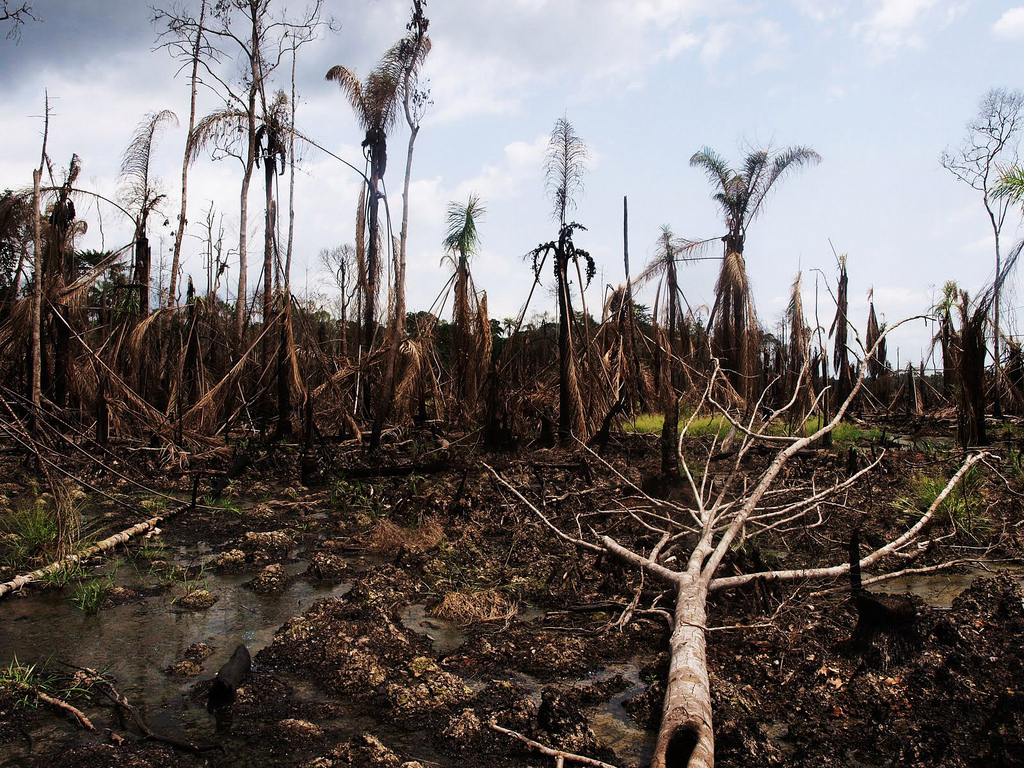
    President of the Movement for the Survival of the Ogoni People (MOSOP) Fegalo Nsuke has said the cleanup exercise in Ogoni has failed under the management of Hydrocarbon Pollution Remediation Project, HYPREP, despite the fact that the project had gulped over $350 million since 2017.

    He maintained that the amount stipulated for the project had been misappropriated due to corruption perpetrated by the leadership of HYPREP.

    READ ALSO: Ogoni cleanup: Group frowns at quality of HYPREP’s work

    “Ogoni people still drink polluted water, there is no plan to compensate people whose lands and livelihood sources have been destroyed. There is no plan to construct the Center of Excellence as a training centre to build the capacity of Ogonis to participate in the cleanup exercise as recommended by UNEP.

    “HYPREP does not have any plan to build an Integrated Soil Management Center to handle the contaminated soil and wastes from the spill sites,” he said.

    During the presentation to the House of Representatives Committee on Environment and Habitat, the Group Managing Director, GMD of the Nigerian National Petroleum Corporation, NNPC, Mele Kyari confirmed that the NNPC and its Joint Venture, JV, partners were up to date on their financial obligations to the clean-up project fund, though the results were still far fetched.

    “We have so far disbursed $360 million out of the $900 million recommended to fund the project as prescribed by the UNEP Report. The disbursement was based on the standards set, which required that we release funds based on the implementation parameters of the clean-up exercise,” he said.

    He remarked that the NNPC and its JV partners were not responsible for the implementation of the clean-up, all stakeholders must ensure that the project was carried out successfully.

    In 2011, the UNEP report warned of catastrophic pollution in soil and water in Ogoniland which Royal Dutch Shell Plc and the Nigerian government were expected to curtail.

    Shell accepted responsibility for operational faults that caused two major spills in 2008 and paid a settlement of £55 million to the affected residents, including training youths to establish businesses and fund community patrols to reduce pollution by vandals stealing oil.

    The UNEP report on Ogoniland clean-up had estimated initial clean-up costs of over $1 billion for the first five years of a 25 to 30-year process.

    The cleanup process was launched in 2017 and spearheaded by the management of HYPREP to implement the recommendations of the UNEP report.

    Nsuke blamed HYPREP for breaching the recommendation of the UNEP report which stipulated that the Center of Excellence and the Integrated Soil Management Center were to be in place before the commencement of work but they were not on the ground.

    “We were to have an Integrated Soil Management Center to handle the contaminated wastes and the Center of Excellence for capacity building. All of these are not in place in Ogoni including emergency measures including water provision, a health audit and not to give pain relief like paracetamol to people.

    “All HYPREP is doing are in deviation from the recommendations of the UNEP report,” he said.

    The MOSOP president also condemned the vested interests of the managers of HYPREP who approved contracts to unqualified firms without addressing the fundamental emergencies raised in the UNEP report.