Category: Ecotourism

  • What you should know about the Landmark vs Lagos Calabar Coastal Highway saga

    What you should know about the Landmark vs Lagos Calabar Coastal Highway saga

    Recently, Nigeria has seen a heated battle between development goals and current infrastructure, highlighted by the Landmark Beach Resort versus Lagos-Calabar Coastal Highway issue. This dispute shows the complex relationship between economic growth, environmental issues, and land ownership.

    The Landmark Beach Resort

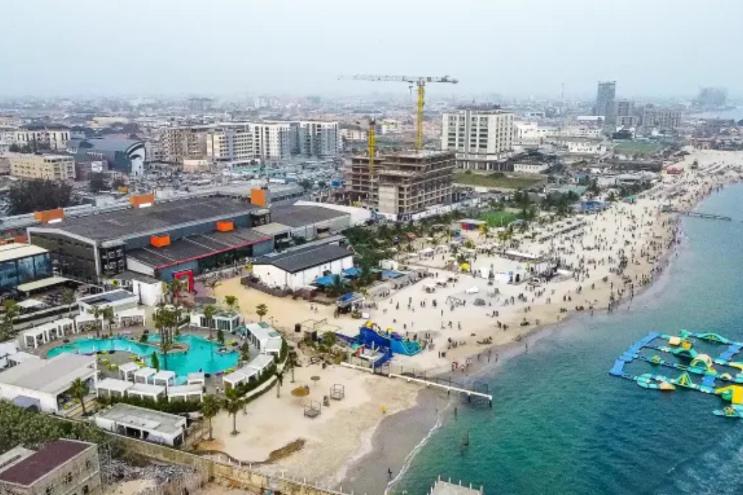
    Located on the beautiful Victoria Island in Lagos, Landmark Beach Resort is a luxurious and relaxing destination. Since its establishment in 2007, this beachfront oasis has been an important part of Nigeria’s tourism scene, attracting visitors from near and far. With a variety of businesses and over 4,000 jobs, Landmark is a cornerstone of the local economy.

    The Ambitious Lagos-Calabar Coastal Highway Project

    The ambitious Lagos-Calabar Coastal Highway project, initiated by the Nigerian government, aims to boost connectivity and economic growth. Stretching over 700 kilometres, this coastal route will connect Lagos, the economic capital, with Calabar, a busy port city near the Cameroonian border. Drawing parallels to famous coastal roads like the Wild Atlantic Highway in Ireland and the Pacific Coastal Highway in the United States, this project shows great potential for Nigeria’s transportation sector.

    Collision Course: The Conflict Opens Up

    Progress is often met with obstacles. The conflict between Landmark Beach Resort and the Lagos-Calabar Coastal Highway project showcases the challenges of big development projects. The government’s move to fill sand on Landmark’s property led to protests from the resort’s staff and management. Signs with messages like ‘#SaveLandmarkBeachResort’ and ‘Save Our Jobs’ were powerful symbols of opposition to what was seen as a threat to their jobs and investments.

    The disagreement centres around property rights and compensation. Paul Onwuanibe, the founder of Landmark Beach Resort, claims he acquired the land before the coastal highway project was even planned. The resort’s management is aware of the upcoming demolition orders and has been working with federal and Lagos State officials to discuss the issue and push for changes to the highway’s route to protect their interests.

    Government’s Perspective and Environmental Concerns

    The government sees the coastal highway as a big step in Nigeria’s infrastructure development. Minister of Works, David Umahi, promises to find a balance between progress and preservation. He acknowledges the need for land acquisition but assures that efforts will be made to minimize negative effects on businesses and communities.

    The Landmark versus Lagos-Calabar Coastal Highway issue is causing a dilemma for stakeholders. Economic reasons support the coastal highway project, but worries about property rights and environmental impact is also important. The key is to have discussions, consider other route options, and focus on the well-being of everyone involved.

    In Nigeria’s complex development scene, the conflict between Landmark Beach Resort and the Lagos-Calabar Coastal Highway project highlights the struggle between advancement and conservation. Balancing economic goals with environmental protection, while considering the interests of all parties, is crucial for Nigeria’s sustainable and inclusive growth. Collaboration and mutual understanding are key to navigating these challenges and moving towards a brighter future.
  • Nigeria’s Ecotourism Potential: Preserving Nature, Cultures, and Communities

    Nigeria’s Ecotourism Potential: Preserving Nature, Cultures, and Communities

    Nigeria is renowned for its vibrant cultures, diverse ecosystems, and rich history, making it an ideal location for ecotourism enthusiasts. Ecotourism, a sustainable form of travel, not only provides visitors with unforgettable experiences but also plays an important role in preserving the environment, supporting local communities, and safeguarding cultural heritage. Let us explore the significance of ecotourism in Nigeria and why it is more important now than ever.

    What is ecotourism?

    Ecotourism goes beyond mere sightseeing; it involves a conscientious way of travelling that emphasizes sustainability and preservation. It includes discovering natural marvels, engaging with indigenous cultures, and making a beneficial contribution to the environment and local communities. Nigeria offers a diverse range of ecotourism spots, from the bustling streets of Lagos to the tranquil scenery of Badagry and beyond, all waiting to be explored.

    Why does ecotourism matter?

    In a world facing environmental deterioration and cultural uniformity, ecotourism stands out as a ray of hope. It presents a sustainable alternative to traditional tourism methods, which frequently result in carbon footprints and cultural disrespect. Through the adoption of ecotourism, we protect the valuable ecosystems of our planet and honour the variety of cultures that contribute to Nigeria’s distinctiveness.

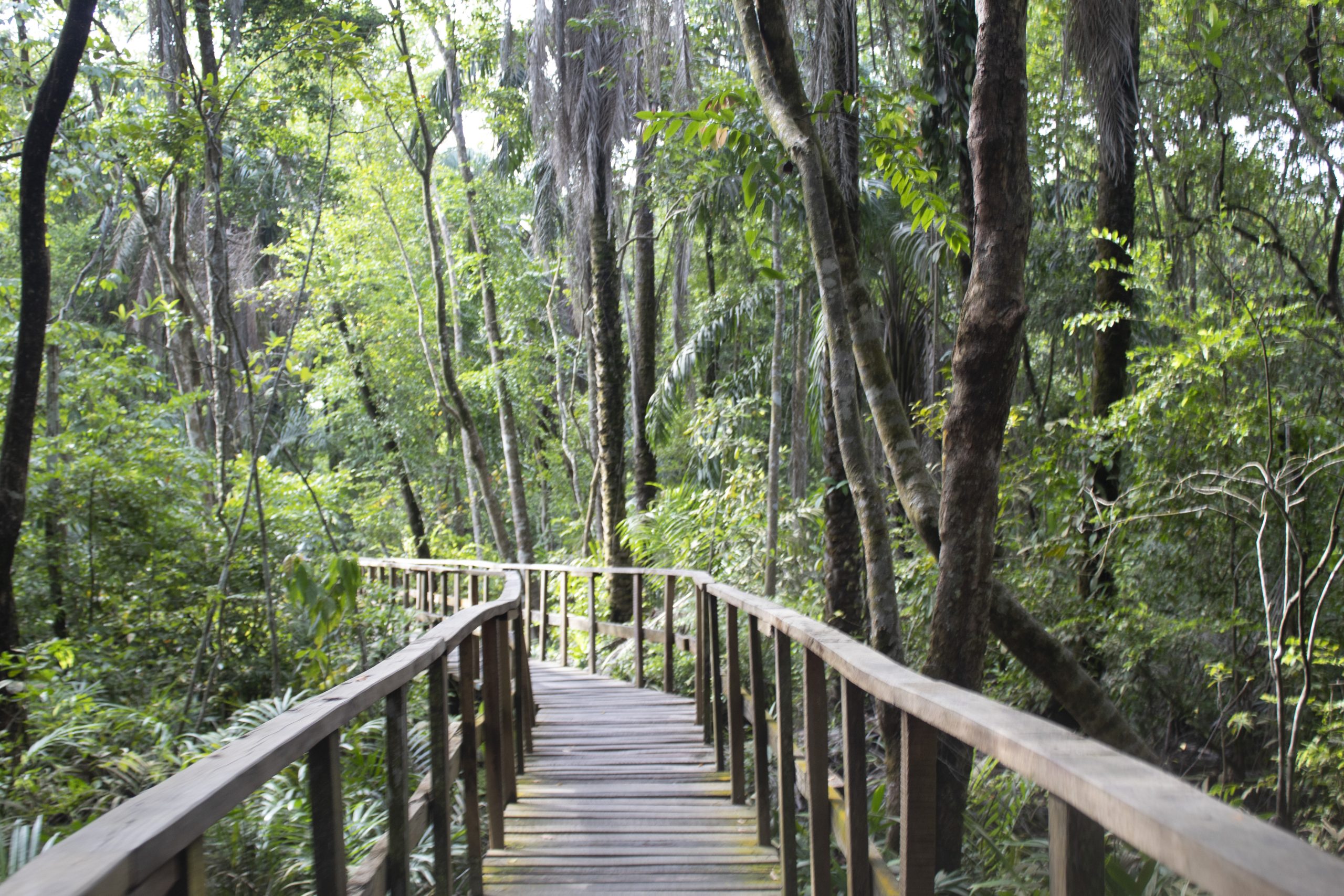
    Nigeria’s natural wonders, ranging from majestic waterfalls to dense rainforests, are not only visually stunning but also serve as crucial ecosystems brimming with diverse life forms. Ecotourism serves as a means to safeguard these habitats by fostering an understanding of their ecological significance and encouraging sustainable tourism practices. Whether exploring the green forests of Cross River National Park or admiring the magnificence of Erin-Ijesha Waterfalls, each ecotourist assumes the role of a guardian of Nigeria’s invaluable natural legacy.

    Nigeria boasts a diverse cultural landscape, comprising more than 250 ethnic groups, each with its own language, customs, and stories. Ecotourism serves as a means to delve into this vibrant mix of cultures, promoting intercultural comprehension and admiration. Whether engaging in traditional dances in Benin City or relishing local delicacies in Kano, eco-tourists can deeply experience the diverse culture of Nigeria.

    Ecotourism is centred around empowering local communities. Through the adoption of sustainable tourism practices, ecotourists play an important role in boosting the economy of communities living in ecotourism spots. Whether it’s backing local craftsmen or choosing eco-conscious accommodations, each dollar spent by tourists on ecotourism serves as a driver for beneficial transformations, fostering job prospects, and enhancing the quality of life.

    Nigeria’s ecotourism industry, despite its vast potential, is hindered by various obstacles, such as insufficient infrastructure, environmental damage, and socio-political unrest. Nevertheless, with cooperation among the government, private sector, and local communities, these challenges can be overcome, paving the way for the industry to flourish.

    As we find ourselves on the brink of a new age, the significance of ecotourism in Nigeria is paramount. It goes beyond being just a recreational pursuit; it is a deliberate decision to protect the natural beauty of our planet, honour our cultural legacy, and support our local communities. Embracing ecotourism means embarking on a path of exploration, sustainability, and harmony—a path that offers to enhance our existence and protect Nigeria’s riches for the future.

    In summary, ecotourism is not merely a temporary trend; it represents a significant change in perspective—a transition towards a more sustainable and balanced connection between mankind and the environment. As we set out on our ecotourism journeys throughout Nigeria, let us be mindful of our impact, leaving behind nothing but footprints and carrying with us memories that will endure. Welcome to Nigeria—a country of stunning landscapes, rich cultural heritage, and boundless opportunities for ecotourism discovery.

  • Sightseeing train in Japan runs on ramen soup

    Sightseeing train in Japan runs on ramen soup

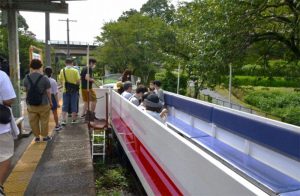
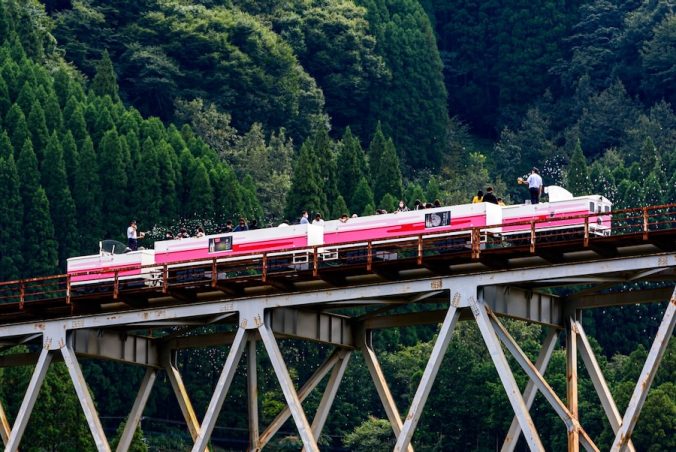
    The whimsical bright pink colored train in the town of Takachiho, in Miyazaki prefecture, Japan is powered by biofuel made from ramen soup.  

    The train which has been the delight of tourists began functioning in August 2022 under the operation of the Takachiho Amaterasu Railway company. The railway company is known to operate its trains using biodiesel energy. 

    The biofuel is a mixture of discarded tempura oil, fat extracted from tonkatsu (a type of pork broth), and ramen soup, all restaurant leftovers. After a series of chemical processes have been performed on the mixture, it becomes, capable of powering the engine of the train

    The actualization of this amazing feat is the brainchild of Masumi Nishida, the founder of Nishida Shoun Transportation Company located in the town of Shingu in Fukuoka Prefecture, Japan. This invention piqued the interest of the Takachiho Railway company because of its desire to operate its trains on environment-friendly fuel thereby leading to a collaboration between the two companies. 

    In June, a series of test runs commenced on the train of the railway company to determine the efficiency of the trains while running on biofuel. The biodiesel turned out to be powerful enough to move the fully loaded cars of the train uphill and its first official journey was on the 1st of August. 

    Therefore, as tourists delight in the beautiful scenery of mountains, rice fields, and LED light-decorated tunnels from the open rooftop of the bright pink train, they are also welcomed by the pleasant aroma of fried rice as the conductor blows bubbles from the train. A more appealing smell than the toxic fumes that previously emanated while diesel was in use. 


  • SLAN commends Taraba state for the adoption of green initiatives

    SLAN commends Taraba state for the adoption of green initiatives

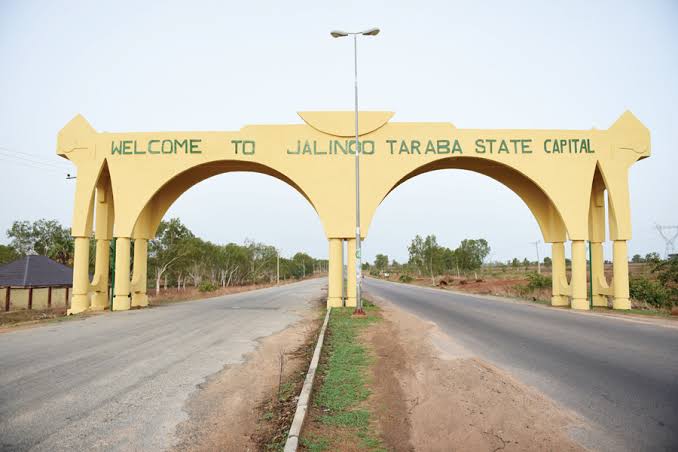
    The Taraba State governor, Darius Ishaku has received a commendation from The Society of Landscape Architects of Nigeria (SLAN) for the adoption of green initiatives in the state.

    The chairman of SLAN, Mr. Amos Alao, extended this recognition on behalf of the body in a statement signed by him on the 24th of November 2022 in Lagos after a courtesy visit by the society to Taraba Government House.

    The commendation was extended as a result of the many admirable green initiatives introduced by the governor in the state.

    The initiative was documented as the Green Taraba Afforestation Project and the establishment of Rosewood (Madrid) seedlings nursery for the replacement of lumbered trees.

    The statement issued mentioned that the visit was to canvass support, collaboration, and awareness of the landscape architecture profession in the country.

    It said that discussions during the visit centered on various issues such as biodiversity loss, flooding, deforestation, climate change mitigation, and adaptation to achieve a United Nations’ near net zero carbon emission goal by 2050.

    The statement further mentioned that governor Darius praised the efforts of the society in the development of the country.

    The state governor Darius Ishaku, however, enjoined them to do more in the area of advocacy for Nigerians to comprehend the fundamentals of the profession.

    He further encouraged the society to educate Nigerians on the importance of a properly landscaped environment to promote good mental and physical health as well as the socio-economic development of the populace.

    SLAN was founded in 2003 and is affiliated with the International Federation of Landscape Architects (IFLA), which is the world body of landscape architects.

    IFLA currently represents 77 national associations from Africa, the Americas, Europe, Asia Pacific, and the Middle East.

    SLAN is one of the five registered Landscape Architecture Associations in Africa.

  • Nigeria launches Project 250k to curb climate change

    Nigeria launches Project 250k to curb climate change

    Nigeria has inaugurated Project 250k for climate change. The project is geared towards supporting the Nigerian youth to plant and tend 250,000 tress across the country.

    The project was launched at he COP27 conference in Sharm El-Sheik, Egypt, where the Minister of Youth and Sport Development, Sunday Dare said his ministry and that of Environment will encourage and harmonise contributions from youths towards mitigating climate change in Nigeria.

    “Young people are valuable contributors to climate action as agents of change, entrepreneurs and innovators hence their mobilisation shows meaningful contributions in achieving the objectives of COP 27 and beyond,” he said.

    Dare implored the youths to continue to lend their support to the government in it’s effort to ensure a better future for all. He also commended the youths for their resilient effort in climate change mitigation.

    “The goal is to make sure that we are not just planting the trees but the awareness is generated, they plant the trees and also become ambassadors for climate change,” Dare added

    The minister for Environment Mohammed Abdullahi noted that “the youths must be involved in all climate change mitigation effort of Nigerian government going forward”

    He further enjoined young people to participate actively in climate action programs and to accomplish specific results for themselves and the country.

  • The worst floods over the past decade displaces more than a million in Nigeria.

    The worst floods over the past decade displaces more than a million in Nigeria.

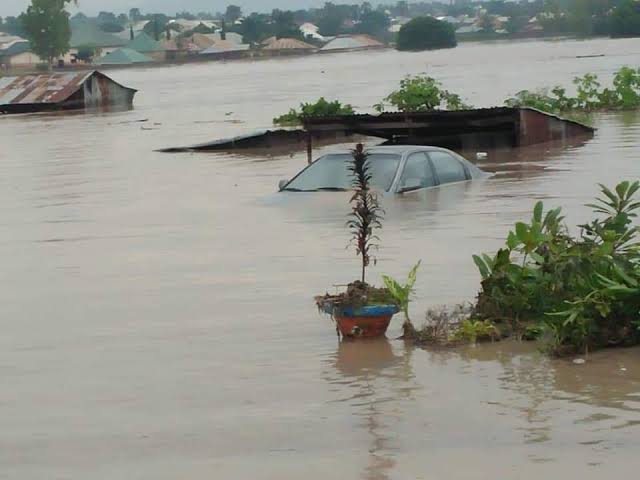
    The severe floods which began in Nigeria in September has brought about the displacement of about 1.5million inhabitants of those affected areas and has also unfortunately led to the demise of more than 600 people. One government minister has described it as the most devastating episode of seasonal floods Nigeria has seen in a decade.

    The many heavy rains and poor urban planning has made parts of he country flood prone

    Many communities around the Niger bridge have been submerged in water thereby halting economic activities for many small scale traders and farmers. As a result of the bleak situation, Nigeria’s minister of humanitarian affairs, Sadiya Umar Farouq, has asked five state governments to get ready to evacuate the residents living along flood plains. In Anambra which is one of those state, 76 people died while trying to escape the flood as their boat capsised.

    According to the minister, more than 200,000 houses and 266,000 acres of farmland have been completely or partially damaged. She further warned states to “prepare for more flooding and to provide medical supplies for a likely outbreak of water borne diseases.”

    The last experience of major floods in Nigeria was between July and  October 2012 when the Niger and Benue rivers overflowed their banks. The death toll reported was under 500 however, a similar number of people were displaced.

    The release of the surplus water in the Lagdo dam in Cameron alongside the negligence of the government in preparing for the seasonal floods, have been speculated to be the root cause of this year’s flood occurrence.  Despite the fact that a need for a buffer dam has been in existence since 1982 when the Lagdo dam was completed, Nigeria still does not have one.

    Due to inadequate prevention efforts, the country has to make concerted efforts to provide relief supplies for the victims. Therefore, there is going to be a disbursement of about 12,000 metric tons of food from Nigeria’s reserves, which will be sent to he affected communities, following President Muhammadu Buhari’s approval.

    Unfortunately, government efforts are barely enough to cater to the magnitude of damage experienced around the country. Therefore, individuals have begun online and offline fundraising campaigns to crowdsource relief.

    Major agricultural business are feeling the impact of these tragic occurrences and this is presumed to have a negative effect on food prices in the coming months. Olam which produces a quarter of Nigeria’s rice declares 10,000 acres of it’s farmland submerged, leading to a shortfall that is likely to inflate prices.

    The company’s vice president for corporate and government relations, Ade Adefeko said ” we should expect an increase in rice prices in December. Of course, that goes without saying, because the entire crop has been lost

  • Dominica named ‘Tourism Location of the Future’ in FDI strategy ranking

    Dominica named ‘Tourism Location of the Future’ in FDI strategy ranking

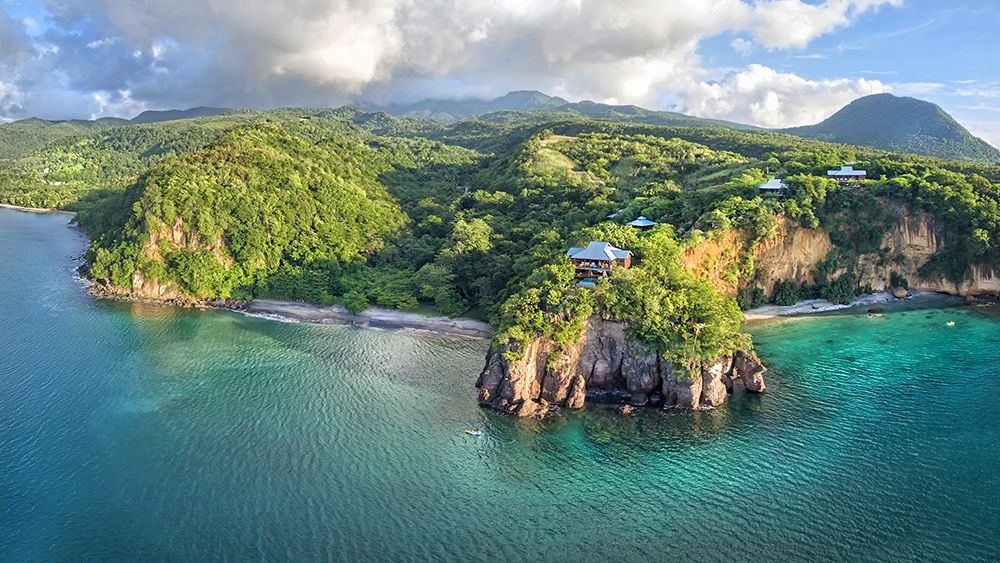
    The Commonwealth of Dominica is one of the top 20 tourism locations of the future in terms of its foreign direct investment strategy. This is according to a new report issued on Monday by the fDi Intelligence, a service from the Financial Times. The Nature Isle of the Caribbean leads with hotels development and investment, ecotourism, wellness, climate resilient strategy and incentives for businesses.

    READ ALSO: Ecotourism industry to grow remarkably for the next five years — new report

    The FDI Strategy category in the Tourism Locations of the Future 2019/20 found that the hotel construction sector benefitted from the largest investments in Dominica. Importantly, though hotel numbers are purposely kept relatively low, their scale, sustainable approach and consideration for the local communities is what makes them stand out. The Citizenship by Investment (CBI) Programme is funding the construction of a select portfolio of resorts on the scenic island.

    READ ALSO: Ecotourism company announces cut in plastic use

    “The most significant foreign investments made in Dominica during the past year were hotel properties, partly financed by funds from the Citizenship by Investment Programme,” the report highlights. “These include Tranquility Beach, part of the Hilton Curio Collection, and Anichi Resort & Spa, part of the Marriot Autograph Collection.”

    Through CBI, foreign investors can obtain Dominican citizenship so long as they pass all due diligence checks and make a minimum US$200,000 investment into CBI-approved real estate, such as the aforementioned resorts that are currently under construction, but also the already operational Jungle Bay and Secret Bay. Kempinski CBI shares are sold out, however, a new hotel called Sanctuary Rainforest Eco Resort and Spa has been approved for CBI and has already broken ground. Together, they build Dominica’s foundation for an emerging ecotourist sector with a diverse wellness offering. The same report notes that the island “attracts eco-tourists with its lush rainforests, mountains, waterfalls and volcanoes and offers various eco-lodges and resorts to accommodate visitors.”

    Alternatively, eligible investors hoping to obtain second citizenship from Dominica could make a one-off contribution of at least US$100,000 to the Economic Diversification Fund. The government uses these funds to build climate resilience, which takes the form of reinforced modern infrastructure, hurricane-resistant housing or harnessing green energy.

    The report also found Dominica to have attractive incentives for investors. If coupled with obtaining economic citizenship, the benefits to investors grow, enhanced by Dominica’s promising development prospects.

  • WCS celebrates four years of zero elephant poaching in Yankari

    WCS celebrates four years of zero elephant poaching in Yankari

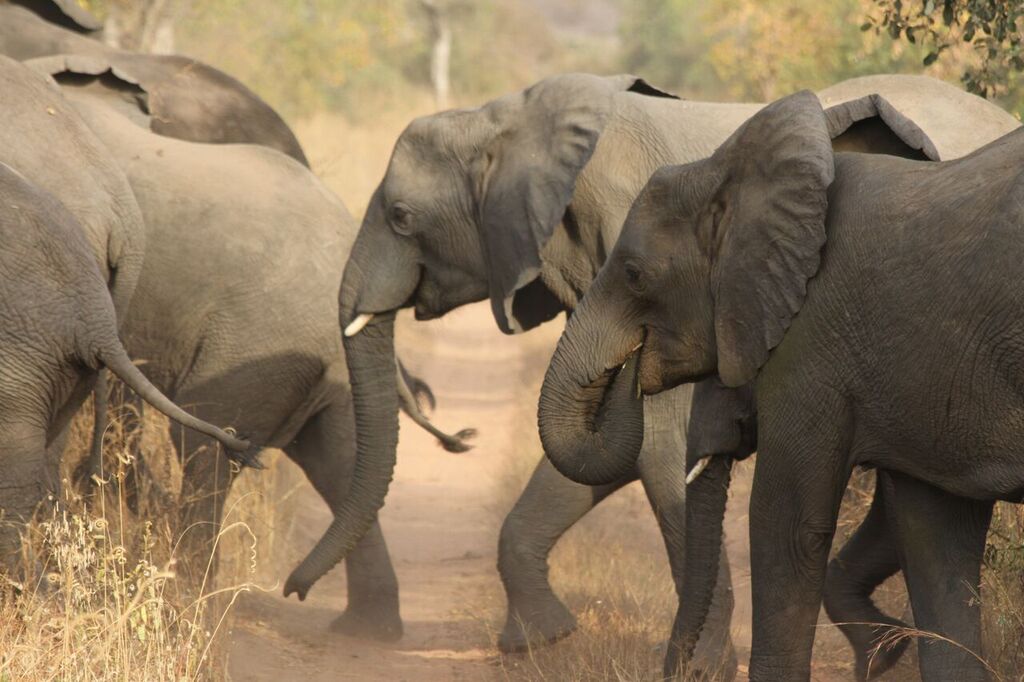
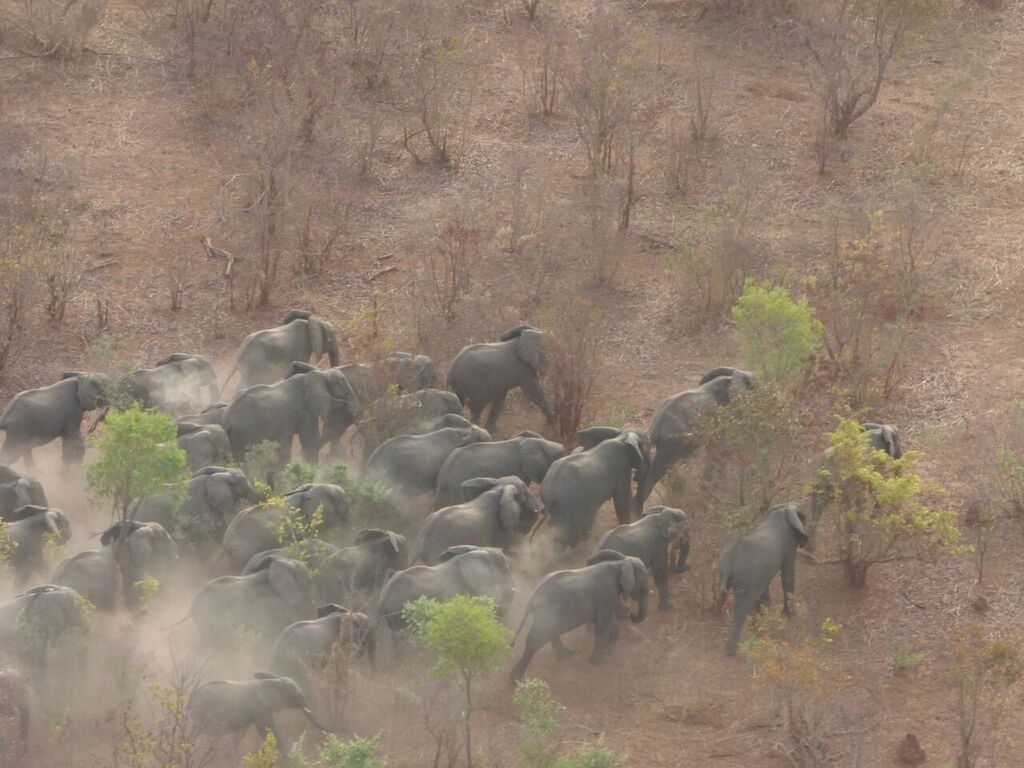
    Yankari Game Reserve, home to Nigeria’s largest remaining elephant population, has experienced zero poaching in the last four years, the Wildlife Conservation Society (WCS) has reported.

    The announcement was made just days before officials gather for the meeting of CITES, the Convention on International Trade in Endangered Species. The success underscores the importance of tightening up the closure of importing countries’ domestic ivory markets, along with vigilant anti-poaching and anti-trafficking efforts.

    WCS, which helps manage the protected area, attributes the success to well-managed, well-equipped and highly trained rangers who patrol the 866 square miles (2,244 square kilometers) reserve, which also supports important populations of lion, buffalo, hippo, roan and hartebeest.

    READ ALSO: World Rangers Day 2019 in Omo

    Yankari’s elephant population remains stable at 100-150 individuals, and is expected to grow in the coming years if conservationists remain steadfast in keeping poachers out of the reserve. As recently as 2006 there were as many as 350 elephants in Yankari, but a period of heavy poaching from 2006 to 2014 reduced their numbers dramatically. Since 2014 Yankari has been managed through a co-management agreement between Bauchi State Government and WCS.

    Yankari’s elephant population remains stable at 100-150 individuals
    photo: WCS Nigeria

    Elephants are critically endangered in Nigeria, with the Yankari elephants being the only savanna elephants remaining in the country. Some forest elephants also still remain in low numbers in the forested south including Cross River National Park area (where WCS is also working to secure forest elephants and the Cross River Gorilla). Historically the Yankari savanna elephants may have been ecologically connected with the Sambisa area (impacted by Boko Haram) and perhaps also Gashaka Gumti National Park and neighboring areas of Cameroon. This is a core critical area for elephant conservation in the Sudano-Sahel Region.

    READ ALSO: Ogun elephant video: No one was injured, says expert

    Originally created as a game reserve in 1956, Yankari was upgraded to a national park in 1991. It was managed by the National Parks Service until 2006 when responsibility for the management of the reserve was handed back to Bauchi State Government. Since then tourism infrastructure has been dramatically improved. Yankari is now one of the most popular tourism destinations in Nigeria.

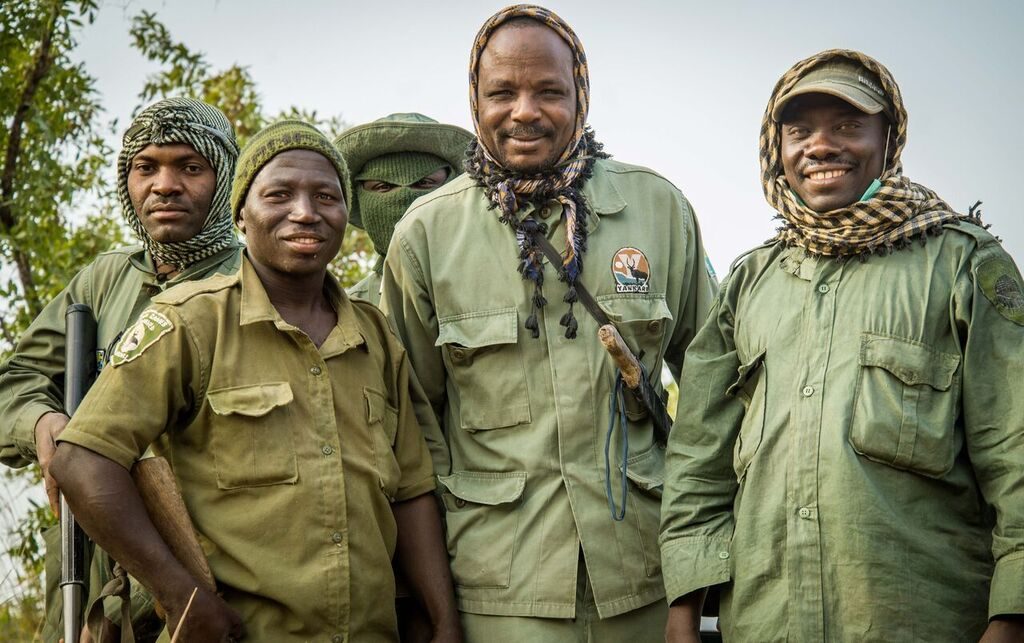
    “Rangers are the key to stopping poaching in protected areas” said Andrew Dunn,WCS Nigeria Program Director “Yankari is an amazing success story and shows the world that with targeted use of limited funds, and government commitment, progress can still be made provided that rangers are properly trained and supervised.”

    Rangers are the key to stopping poaching in protected areas
    photo: Natalie Ingel/WCS Nigeria
     

    Dunn attributes the success in the reserve to several factors. The leadership of Nachamada Geoffrey, Director of the Yankari Landscape for WCS, directs efforts to ensure a zero tolerance policy for corruption coupled with making sure all rangers are well-equipped in the field and trained with regular refresher courses. SMART (Spatial Monitoring and Supporting Tool) together with real time radio communications is used help guide and monitor the rangers and optimize their impact.WCS supplements rangers’ incomes with additional monies per night as an incentive whenever they are on a long-distance foot patrol.

    Nachamada Geoffrey stated, “Solid logistical support (food rations), equipment, and motivation through regular salary payments support our ranger operations day in and day out. Most of the rangers are recruited from the local community and are highly motivated to protect the wildlife of Yankari.”

    David Adejo Andrew of Nigeria’s Federal Department of Forestry and Federal Ministry of Environment also commended WCS’s efforts.

    “The efforts of the WCS in conserving the largest pool of elephant populations at the Yankari Game Reserve has given Nigeria a good platform for conserving other Elephant population in the country. This has encouraged the Nigerian Government to work with the WCS to translate this success stories to other areas,” he said.

    The future outlook

    Of course in the long-term Yankari will only survive if it has the support of the surrounding communities. Yankari is one of the main sources of employment locally, including both rangers, hotel staff and elephant guardians. WCS is also working with local schools to help develop future conservation leaders. In addition, WCS has helped establish an informant network among the communities surrounding the reserve that provides critical information on poachers.

    Building on this foundation and work ethic, significantly more resources are urgently needed to fully establish the Reserves full management systems and effectiveness.

    WCS’s conservation efforts within Yankari are supported by the Bauchi State Government, United States Fish and Wildlife Service, Embassy of France in Nigeria, Australian High Commission in Nigeria, Tusk Trust, the North Carolina Zoological Society, Omaha’s Henry Doorly Zoo and Aquarium, CITES-MIKE, the UNEP African Elephant Fund, the A.P. Leventis Conservation Foundation, the Lion Recovery Fund—an initiative of the Wildlife Conservation Network in partnership with the Leonardo DiCaprio Foundation, and the Elephant Crisis Fund—a joint initiative between Save The Elephants and the Wildlife Conservation Network, in partnership with the Leonardo DiCaprio Foundation.

  • Appetite for fin soup may soon drive sharks into extinction – Conservationists

    Appetite for fin soup may soon drive sharks into extinction – Conservationists

    Conservationists have called for the regulation of shark harvesting globally to avoid driving the species in to extinction. They point out also that contribution of live sharks to the ecosystem as a whole is invaluable and far outweighs the satisfaction a select few get from a bowl of soup in restaurants in the Far East, hence the need to protect the species from extinction.

    Conservationists made the call at the kick off of the 2019 edition of the Dubai Shark Week on Sunday.

    According to the experts, as many as 100 million sharks are gruesomely killed globally every year for their dorsal fins. Once the fin is sliced off, the poor animal is discarded into the ocean to bleed to death.

    Unless countries come together to stem this animal cruelty, sharks will eventually become extinct, conservationists said during the start of the event organised by the Ministry of Climate Change and Environment (MOCCAE), International Fund for Animal Welfare (IFAW) and Atlantis, The Palm, in Dubai. The event coincides with Discovery Channel’s Shark Week.

    “The destination is the Far East, in China, Hong Kong, Singapore, and other parts of Asia,” Dr Elsayed Ahmad Mohammad, regional director, Mena, International Fund for Animal Welfare (IFAW), said, adding the need to regulate harvesting of shark fins is critical.

    Sharks are apex predators and are on the top of the food chain. Decreasing shark population could throw the ecosystem out of balance. On top of their value in the ecosystem, they also give more value to humans.

    “We want people to know the value of sharks. There’s a study about the value of a shark in attracting tourists. The value is more than $100,000 (N36,000,000) a year for ecotourism. This in turn helps the economy,” Dr Mohammad sad.

    Another study said shark ecotourism could generate more than $314 million annually worldwide.

    Compare this with a delicacy sold in the market for a few hundreds of dollars, with the average of about $450.

    Dr Elsayed said another gap in the conservation measures is people who consume the shark fin soup are usually “unaware of the problem of how the fins were harvested in the country of origin”. But a number of non-government organisations area already working in China to educate patrons and reduce the demand for shark fins.

    Hiba Al Shehhi, acting director of Biodiversity Department, Ministry of Climate Change and Environment (MOCCE), strongly emphasised that “no shark fins” are supplied from UAE waters to the Far East.

    This is because of the number of legislations and existing National Action Plan to protect the species.

    But Al Shehhi said that sharks in the UAE are also in critical number and populations are yet to recover.

    “In a study in 2016, the ministry found out that almost 50 per cent of the sharks in the Arabian Gulf is threatened. Twenty-two per cent of them are critically threatened and three per cent are already extinct. When we saw the status of the sharks, we said we have to do something,” Al Shehhi said.

    Mike Rutzen, shark behaviourist and conservationist from South Africa and speaker at the conference, said global shark populations are dwindling as well and if nothing is done about it, it may be too late.

    “Unfortunately, we are now at a crossroads. The world population of sharks is at a point where if we don’t do anything about it, all of them will go extinct — not just one population of shark — because of poaching and illegal trade,” he said.

  • Abu Dhabi prepares for post oil economy with ecotourism development

    Abu Dhabi prepares for post oil economy with ecotourism development

    Abu Dhabi has initiated an ecotourism drive to encourage private-sector investment in undeveloped parts of the emirate – particularly its islands and the Mirfa coastal region.

    The move is part of the Ghadan 21 programme, announced by Sheikh Mohamed bin Zayed, Crown Prince of Abu Dhabi and Deputy Supreme Commander of the Armed Forces, in 2018. Ghadan 21, which means Tomorrow, is an initiative intended to boost the private sector and prepare Abu Dhabi for a post-oil economy.

    The scheme which was underlined at an event on Tuesday formally began in January, with yesterday’s event designed to take place six months into the three-year programme, with the overarching aim of reducing the economy’s reliance on fossil fuels.

    “We have a very clear vision to diversify the economy away from oil,” said Rashed Al Blooshi, undersecretary at Abu Dhabi Department of Economic Development.

    “As a result we have put very clear steps in place to shift the economy. We have huge potential to do so, and to proceed with that we have come up with these initiatives, with the close cooperation of the private sector.”

    The open data programme will enable potential investors and other parties to ask Abu Dhabi Data Authority for information held by the government, which will help them make informed decisions. The move is designed to create an “open data culture”.