Category: Environments

  • Guardians of the Forest: A Battle for Survival in Cross River National Park

    Guardians of the Forest: A Battle for Survival in Cross River National Park

    A Sit-Down with Martins Egot, Executive Director of Panacea for Developmental and Infrastructural Challenges for Africa Initiative (PADIC-AFRICA), Formerly Known as Development Concerns (DEVCON). In the interview with Mike Abang, the discussion primarily revolved around various issues concerning the Cross River National Park and the Community forest. One key topic addressed was the government’s decision to grant licenses to two mining firms within the Cross River National Park. Regarding this, Abang expressed his sentiments in the following statement:

    “Apart from the fact that the environmental organisation is very concerned about the environment of Cross River State and its forest communities, we have been in very close partnership with the Cross River National Park for over ten years now. They have been part of building the capacity of the community eco-guards that we train and support to take care of, manage and carry out surveillance and protection of community forests. The National Park has been very cooperative and they have been seeing results from our partnership but this same National Park is being encroached. For example, in Ofumkpa, where this mining activity is happening, for two years now we have been having joint patrols with the National Park officers, Rangers and the community eco-guards that we put together in Ofumkpa, and they have been protecting the forests together. But suddenly, we hear that there is a licence given to companies to mine, there is so much disaster in that place and for us, it is very disheartening.”

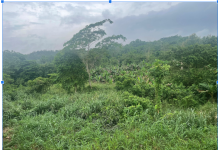
    Abang also voiced his concerns for the National Park facing imminent mining. He highlighted that Cross River State has been in a prolonged struggle against deforestation, an ongoing challenge. The region has witnessed significant damage due to activities like timber exploitation and uncontrolled deforestation, resulting in severe environmental harm. Amidst this ongoing battle, three distinct forest management systems played pivotal roles: Community Forests, Government Reserves, and the last stronghold of conservation, the National Park.

    The Sanctity of the National Park

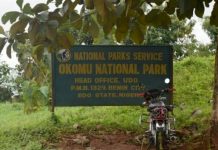
    During the interview, when asked about the mandate of the National Park, Martins emphasized its significance. Established under the National Park Service Act, the National Park serves as the ultimate guardian of its ecosystem. Its primary directive is straightforward: safeguard and foster the diverse array of life within its confines. However, despite explicit prohibitions against mining, trespasses continued, posing a fundamental threat to its sanctity. This quote underscores his claim:

    “The National Park Service Act (2006) unequivocally underscores that national parks are sanctuaries meant exclusively for the propagation, protection and management of vegetation and wildlife. Notably, Section 22 of the Act delineates the functions of Management Committees, reinforcing the exclusive dedication of national parks to the propagation, protection and management of vegetation and wildlife.

    Section 29 makes an offence for any unauthorised person to go into the National Park without the permission of the Conservator-General. Mining activities are explicitly prohibited in section 30(1) of the Act which says, a person who, unless authorised to do so under this Act or the regulations under this Act, carries out an undertaking connected with forestry, agriculture, grazing or excavation or does any levelling of the ground or construction or any act tending to alter the configuration of the soil or the character of the vegetation; or does an act likely to disturb the fauna or flora; or engages in drilling, mining, prospecting or exploration of any kind of natural resources, is guilty of an offence.

    The National Park, therefore, has the mandate to manage and protect the National Park and the Federal Ministry of Mines and Steel Development should not in any way, give out leasing rights to any mining company in the National Park and they know this. We are trying to get to the appropriate authorities to ensure that this is reversed as soon as possible. As we speak, it is still happening in Ofumkpa.”

    Martins Egot fervently believed that the National Park held the potential to not only sustain the ecological balance but also to benefit the state and its people economically. Responsible tourism, he argued, could transform the park into a source of sustainable revenue, bridging the gap between conservation and livelihoods. While dissenting voices questioned the tangible benefits of the National Park, Martins Egot understood that its true value transcended monetary reckoning. It was the lifeblood of a delicate ecosystem, a sanctuary for a myriad of species, each playing a crucial role in the intricate web of life.

    Empathy for Communities

    Martins Ergot spoke on the threat these actions have to the communities. He said: “Yes. At some point, we pity them and want to reason with them, even though they are not completely right. I have been engaging directly with the Ofumkpa people, we have been working closely and they have been part of our patrols, listening closely to our conservation debates and discussions and they participate. When this happened, we took them on and they said they were accepting these people because they were promising roads, schools, employment and little stipends for working with them at the mining site. These are the things that pull and push communities to be part of it and we do not blame them, it is life survival as a community; because these communities neither have good roads nor schools and the people there are very poor. Our governments that are supposed to be supporting communities with all these amenities are not forthcoming. Again, the National Park Authority which is supposed to be empowered to engage well in these communities and provide for the communities, is not doing that. We talk about livelihood but what degree of livelihood projects are we pushing to these community people? We empathise and sympathise with the community people and so in that direction, I will be calling on the Federal and state governments, even international NGOs to intervene.”

    A Call for Collaborative Action

    Martins Egot’s wisdom echoed through the trees, urging governments and NGOs to join hands with the communities. Building bridges, he believed, was the key to safeguarding both the cherished lands and the livelihoods of those who called them home. The battle for the Cross River National Park continues, a testament to the unwavering spirit of those who dare to stand as guardians of the forest. In this emerald realm, voices rise in unison, unwavering in their commitment to preserve this natural wonder for generations.

  • Zero Emissions Day

    Zero Emissions Day

    Today, September 21st, marks an exceptional occasion – Zero Emission Day. This day presents a wonderful and enjoyable opportunity to not only celebrate our cherished planet but also to unite in an effort to shield it from the detrimental effects of air pollution, a major contributor to global warming. Every year on this date, individuals across the globe engage in various activities aimed at advocating for clean air and minimizing both greenhouse gas and carbon emissions. It is a collective endeavour to foster a sustainable environment for all.

    Established in 2008, today is a special day dedicated to giving our planet a break from harmful fossil fuels and the pollution they cause. It’s also a chance to talk about the importance of using renewable energy sources and how each of us can make a positive impact by changing our habits.

    Today, our focus is on understanding how we can actively support this day by adhering to the following steps:

    1. Conserve Energy – Use less electricity by turning off lights and appliances when you’re not using them. Opt for energy-saving devices and use natural light instead of electric lights. Also, unplug chargers and gadgets you’re not using. This helps save energy and keeps the air cleaner. If you can, try using candles or enjoy the sunlight instead of using electric lights.
    2. Use Public Transportation – Cut your emissions by sharing rides, using public transit, or walking/biking for short trips. Riding your bike is a healthy, eco-friendly choice. If biking isn’t an option, take the bus or train to lessen city traffic and pollution. Walking is good exercise and helps the environment too. If you must drive, carpool with friends or family to reduce the number of cars on the road.
    3. Plant Trees – Planting trees is a great way to help the environment. They absorb carbon dioxide and give shade and homes to animals. You can do this in your yard or join a community event. Trees make the air cleaner, too. Get involved in tree-planting projects or support local green areas.
    4. Support Local Businesses – Choose local businesses that care about the environment. Look for ones using recycled or renewable materials. If you own a small business, you can help too. Give discounts for using reusable bags and use eco-friendly practices. It’s not just about the environment, it’s also about keeping our local economy strong!
    5. Learn and Enlighten – Learn and talk about climate change. Read, watch, and discuss with family and friends how we can help. Share useful articles like this on social media. Every person matters, but we all need to join in for a big change. Spread the word about zero emissions and eco-friendly habits. Support rules that make our future greener.

    Even small actions add up to a better planet. Together, these steps make a big difference in cutting emissions and keeping our Earth safe. Zero Emissions Day is a chance to enjoy and care for our planet. Join in, support sustainable living, and speak up for a greener world!

  • Protecting Our Planet’s Shield: Celebrating the Preservation of the Ozone Layer

    Protecting Our Planet’s Shield: Celebrating the Preservation of the Ozone Layer

    Today, September 16 marks the annual observance of the International Day for the Preservation of the Ozone Layer, a day that powerfully highlights the vital role played by the ozone layer in helping maintain the delicate balance of life on our planet and highlights the collective effort needed to safeguard it. This year’s observance is centred around the theme: “Montreal Protocol: fixing the ozone layer and reducing climate change”.

    This year’s observance was themed “Montreal Protocol: fixing the ozone layer and reducing climate change” by the United Nations with the aim of educating people about the importance of the ozone layer and how its depletion is leading to global warming and climate change across the world. What is the Ozone layer?

    Ozone layer

    The ozone layer is a region of the Earth’s stratosphere, about 10 to 50 kilometres above the Earth’s surface. It contains a high concentration of ozone (O3) molecules, which absorb the majority of the sun’s harmful ultraviolet (UV) radiation. This layer acts as a shield, preventing most of this harmful radiation from reaching the Earth’s surface.

    Okay, to simply put it, imagine the earth is a cosy bed on a chilly night, and the atmosphere is like a bunch of blankets (we’d refer to it as the “Ozone Blanket”). The “Ozone Blanket” is a special layer in this stack of blankets, positioned higher up, about 10 to 50 kilometres above us.

    Now, this Ozone Blanket isn’t your regular blanket. It’s made of special molecules called ozone. These molecules are like the super warm and fuzzy part of the blanket that keeps you toasty.

    When the sun decides to be extra intense (when the night is super cold), sending down those harsh ultraviolet (UV) rays, the Ozone Blanket springs into action. It’s like the superhero layer that catches most of these rays, making sure they don’t get through to us down here. It’s like the blanket telling you “Sleep tight, I’d keep you warm”.

    History

    In 1994, World Ozone Day was established to highlight the crucial role of the Ozone Layer in safeguarding our environment. Concerns about human activities harming the ozone layer were first raised by scientists in the 1970s. In response, governments worldwide rallied behind the Vienna Convention for the Protection of the Ozone Layer, committing to its preservation.

    On the 16th of September each year, World Ozone Day commemorates this milestone and reinforces the message that our united commitment remains the key to addressing this significant global challenge.

    The Montreal Protocol

    In 1987, the global community united to combat ozone layer depletion through the adoption of the Montreal Protocol. This crucial agreement was established with the aim of stopping the production and usage of substances that can harm the ozone layer. Since its inception, the protocol has gained global approval and remains an unmatched success in environmental conservation.

    What can you do to support the Montreal Protocol?

    1. Choose Ozone-Friendly Products: Look for labels that indicate products are ozone-friendly. Choose products that do not contain substances harmful to the ozone layer as a better option. To identify Ozone-Friendly products, look out for these: “Ozone-Friendly” or “Ozone-Safe”, “CFC-Free” “No CFCs”, “HCFC-Free” or “No HCFCs”, or Environmentally Friendly.
    2. Energy Efficiency: Reduce energy consumption in your home and workplace. This can be achieved by using energy-efficient appliances and making conscious efforts to conserve energy. To apply these, you can: Switch to LED Bulbs, Unplug Devices, Use Energy-Efficient Appliances, Insulate Your Home (keeps your home cooler in the summer and warmer in the winter, reducing the need for heating and cooling.), Wash Clothes with Cold Water, Use Natural Light (Open curtains during the day to let in natural light and reduce the need for artificial lighting.), Plant Trees and Shrubs.
    3. Raise Awareness: Spread the word about the importance of the ozone layer and the role individuals can play in its preservation by sharing this article.
    4. Support Policy and Regulations: Advocate for policies and regulations that protect the ozone layer and the environment as a whole.

    The International Day for the Preservation of the Ozone Layer reminds us of the power of global cooperation in the face of environmental challenges. By recognizing the significance of the ozone layer and taking proactive measures to safeguard it, we can secure a better, safer planet for both present and future generations. Let’s work together to preserve this vital shield that sustains life on Earth.

  • Nigerians Unveil AI-Powered Engine for Environmental Conservation

    Nigerians Unveil AI-Powered Engine for Environmental Conservation

    Given the increased rate of climate change worldwide and its harmful effects on Earth, Yewande Akinse and Fela Akinse, two Nigerians, have introduced an  AI-powered search engine aimed at addressing climate change.

    The co-founders, in an official statement to BusinessDay, disclosed their search engine named pap.earth which is used not only as an aid to help users find information but also to empower them to contribute to the fight against climate change with every online search.

    According to the co-founders, pap.earth functions very much like Google or any other search engine. The outstanding feature it has is that it’s an eco-friendly (has zero impact on the environment) search engine. It uses its profits to support lesser-known climate projects worldwide, helping fight climate change in a unique way.

    Yewande Akinse, co-founder of pap.earth, explained how the app operates, stating, “Every search on pap.earth earns a coin. Users can collect these coins to either donate them to featured climate projects for likely sponsorship, or convert them at our partner stores for discounts and rewards.” This way, your searches directly contribute to positive climate action. She further explained that when using pap.earth, every user receives rewards through a fun system called gamification

    Yewande mentioned that despite studying Law at university, the passion and concern for finding creative solutions to combat climate change challenges is what motivates her steadfast commitment. This commitment has led her to actively advocate for and lead efforts towards raising awareness for a sustainable environment.

    Yewande emphasized that Pap.earth is at the forefront of the fight against the detrimental consequences that the severe effects of climate change cause to the Earth.

    Co-founder and chief scientist of pap.earth, Fela Akinse shared that he created the pap.earth search engine with the aim of taking CO2 (Carbon dioxide) out of the atmosphere.

    He pointed out a point in the quote, “We have a special opportunity to connect scientific knowledge with everyday people, equipping them with the knowledge and skills they need to make meaningful contributions to a more eco-friendly earth. This is the essence of what Pap.earth, driven by AI, is all about”.

    In a world confronted by terrifying environmental challenges, Yewande and Fela, the co-founders of Pap.earth, see their creation as a flare of hope.


  • Rotarians promote tree planting for environmental protection and conservation.

    Rotarians promote tree planting for environmental protection and conservation.

    Rtn. Peter Itawawansa, Assistant Governor of Zone 22 in Rotary Club, passionately encourages Nigerians to cultivate economic trees as a means of protecting the environment. He also emphasizes the importance of clearing overgrown weeds within their surroundings, stressing the aged adage that “health is wealth.”

    Itawawansa delivered this message during a recent event at the Ugbolu Primary Health Centre in Oshimili North Council, Delta State with the collaborative effort involved between multiple Rotary Clubs, including Asaba Government House, Asaba Downtown, Okpanam Hilltop, Issele-Azagba Uptown, Asaba Bonsaac, and Rotaract clubs under District 9141 Nigeria, coming together for a four-in-one project aimed at enhancing healthcare services at the health centre.

    In addition to urging individuals and organizations with a vibrant spirit to contribute to maternal and child care, Itawawansa shared the list of items donated to the health centre. This included mattresses, pillowcases, bed sheets, window curtains, hand hygiene materials, and sanitary waste bins. In addition, as an indication of environmental preservation, economic trees were planted to fortify the local ecosystem, and overgrown weeds were cleared from the premises, dignifying the quality of healthcare services provided to the community.

    Itawawansa accentuated that this act aligns with Rotary Clubs’ worldwide vision, emphasizing that Rotary’s mission revolves around uplifting and empowering people.

  • The 5 Rs of waste management: A guide to sustainable living

    The 5 Rs of waste management: A guide to sustainable living

    Waste management is a crucial aspect of sustainable living. As our population grows and our consumption increases, we generate more waste, leading to environmental problems such as pollution, resource depletion, and climate change. 

    However, through the use of the 5 R’s: reduce, reuse, recycle, refuse, and repurpose, these issues can be addressed. 

    Reduce

    The first step in waste management is reducing the amount of waste we generate. We can strive to achieve this by choosing products with less packaging, using reusable items instead of disposable ones, and avoiding single-use items like plastic straws and bags. 

    By reducing our consumption, we can decrease the amount of waste that ends up in landfills and reduce our impact on the environment. 

    Furthermore, we can reduce waste by being mindful of our consumption habits. Before purchasing anything, it is essential to evaluate the need for the product, and if we do need it, we can opt for products that are eco-friendly, biodegradable, and durable. 

    To make this eco-friendly choice, rather than using disposable plastic containers, we can opt for glass containers that can be used repeatedly. Also, we can reduce our energy consumption by using energy-efficient appliances and turning off the lights when not in use.

    Reuse 

    The next step is to reuse items whenever possible. Many products can be used multiple times before they need to be discarded. For example, glass jars can be washed and used for storing food or household items, while cloth bags can be used for grocery shopping instead of plastic bags. Reusing items not only aids in reducing waste, it also saves money and resources.

    Practical ways in which reusing products can help save resources, money, and energy include not throwing away old clothes, these can be donated to charity organizations, where they can be repurposed and used by those in need. 

    Moreover, we can also reuse items like old furniture, toys, or electronic devices by repairing or refurbishing them, thus extending their lifespan.

    Recycle

    Recycling is the process of converting waste materials into new products. Many materials, such as paper, plastic, and metal, can be recycled and made into new products. 

    Recycling helps reduce the need for virgin materials, saves energy, and decreases greenhouse gas emissions. It is important to properly sort and dispose of recyclables to ensure they are recycled correctly.

    Recycling is an essential aspect of waste management that helps reduce the amount of waste that ends up in landfills. Items such as plastic bottles, paper, and metal cans can be recycled by depositing them in the appropriate recycling bins. Additionally, we can compost organic waste like food scraps, which can be turned into nutrient-rich soil for plants.

    Refuse 

    Refusing items that we don’t need is another way to reduce waste. For example, we can refuse free samples, promotional items, and unnecessary packaging. By saying “no” to things we don’t need, we can reduce the demand for those products and the waste they generate.

    Refusing unnecessary items is an important aspect of waste management that can help us reduce our environmental footprint. For instance, we can refuse plastic straws and carry our reusable ones or refuse single-use plastic bags and carry a cloth or reusable bags instead.

    Repurposing

    Repurposing is the process of using an item for a different purpose than what it was originally intended for. For example, old t-shirts can be turned into cleaning rags or used as cloth napkins. Repurposing items not only reduces waste but also encourages creativity and innovation.

    Repurposing items can help us reduce waste and save resources. We can turn old furniture into new and functional pieces by painting or redesigning them. Furthermore, we can also use old newspapers to create decorative items like paper mache sculptures or gift wrapping.

    In conclusion, waste management is an essential part of sustainable living, and the 5 R’s – reduce, reuse, recycle, refuse, and repurpose – are important ways to manage waste effectively. By implementing these practices, we can reduce the amount of waste that ends up in landfills and contribute to a healthier environment.

    As individuals, we can play a crucial role in waste management by adopting these practices in our daily lives. When we make small changes to our consumption habits, we can collectively make a significant impact on the environment and work towards a more sustainable future.

  • The menance of plastic waste pollution and probable solutions

    The menance of plastic waste pollution and probable solutions

    Plastic is a universal material that poses a considerable environmental threat. With less than 20% of plastics recycled globally, plastic waste is becoming increasingly prevalent. The growth in plastic production and consumption, particularly in single-use packaging, along with an inefficient waste management system, continues to worsen the issue.

    In Lagos – the economic capital of Nigeria – alone where about 9000 metric tons of waste is generated daily, 86% of that waste is made up of plastic bottles and bags. The real problem with plastic is that it does not break down naturally and can take approximately 500-1000 years to decompose, while in the process releasing harmful chemicals into the environment. PET bottles are particularly problematic as they are non-biodegradable and pose a significant threat to wildlife.

    To address the issue of plastic waste, collaborative efforts are needed from bottlers, governments, and NGOs. They can work together to support initiatives aimed at reducing plastic waste, such as awareness campaigns, recycling infrastructure improvements, and the promotion of reusable bottles. 

    Governments can establish policies and regulations that promote sustainable packaging practices, and support research and innovation in alternative packaging materials and recycling technologies. NGOs can also play a critical role in raising awareness of the issue and promoting behavioral change among consumers.

    To curb PET waste, several probable solutions can be implemented immediately and these include:

    Promoting the use of reusable bottles through education and awareness campaigns, or by incentivizing their use through discounts or other incentives. 

    Improve recycling infrastructure by setting up more recycling centers, enforcing effective collection systems, and creating markets for recycled PET. 

    Added to that, governments can implement a bottle deposit system where consumers can receive rewards for returning bottles for recycling. 

    Conclusively, bottlers can explore the use of biodegradable alternatives to PET bottles and reduce the amount of packaging used.

    Collaboration is the key to tackling the issue of plastic waste. Every solution must be considered, and every option explored. By working together, we can create a sustainable future for all. 

  • Meet Inemesit Edem Eniang, a rising environmental conservation star

    Meet Inemesit Edem Eniang, a rising environmental conservation star

    Inemesit Edem Eniang is an environment champion who hails from Mbak Atai, Itam in the Itu local government area of Akwa Ibom State, Nigeria.

    He was born into the family of Professor Edem A. Eniang some 19 years ago. He currently studies at the Michael Okpara University of Agriculture, Umudike, Abia State where he studies Forestry and Environmental Management and also volunteers at the Biodiversity Preservation Center (BPC), Uyo, Nigeria.

    Aganais Speciosa; photo taken by Inemesit at the BPC

    He is one of the founding staff of Dangerous Animals Controllers International Limited (DACIL)

    At the BPC, Eniang grows and nurtures plants and animals while also giving educative tours to visitors who come to get enlightened on the topic of conservation.

    His passion for conservation propels him to participate in community and conservation awareness programs arranged by the organization.

    “I join the organization in their community and conservation awareness programs in different locations in Nigeria to preach against the indiscriminate killing/poaching of Nigeria’s endangered species,” he said.

    His flair for conservation which moved him to decide on his course of study at the university began at the young age of 12 when he accompanied his father on an ecological survey at Ibeno LGA, Akwa Ibom State, Nigeria. He described it as an interesting experience even though he didn’t completely grasp what his father was doing till much later when he was in senior secondary school.

    Rainbow Agam
    Photo credit: Inemesit

    Among the many activities organized by the Biodiversity Preservation Center (BPC) is the Ibom Bird Club which Inemesit is a member of. He joined this club to help create awareness about birding, and assist with gathering and submitting data on different species of birds in Nigeria. This data collection was done based on the location at which they were directed to work by the NIBAP officials and directors.

    Apart from this, he also collects data on plants and animals for iNaturalist.org.

  • World’s wildlife depleted by 70 percent over the decades – report

    World’s wildlife depleted by 70 percent over the decades – report

    The last 50 years have witnessed a great decrease in the population of the monitored animal species by 70% according to a landmark assessment sent out on Thursday which spotlights the devastating effect human activities is having on nature.

    The data used was gathered from 32,000 populations of more than 5,000 species of mammals, birds, amphibians, reptiles and fish. The WWF Livjng Planet Index shows growing falls across the globe.

    Territories rich in biodiversity have also been highly impacted by these losses, for instance, areas such as Latin American and the Carribeans the loss is as immense as 94 percent.

    The Director General of WWF International Marco Lambertini, commented that his organisation was very worried by the recent data.

    Quoting his directly, he said ” it shows a devastating fall in wildlife populations, in particular in tropical regions that are home to some of the most biodiverse landscapes in the world”

    Mark Wright, the director of science at WWF, said the figures were “truly frightening” particularly for Latin America.

    “Latin America is renowned for its biodiversity of course. It’s really important for lots of other things as well” he said

    “It’s super important for regulating the climate. We estimate currently there’s something like 150 to 200 billion tons of carbon wrapped up in the forests of the Amazon.”

    This surpasses by 10 to 15 times the current emission rates of green house gasses.

    According to the research, freshwater species has dwindled more than those found in any other habitat, with an 83 percent fall since 1970.

    Through the research, it has also discovered that development, farming, exploitation, the introduction of invasive species, pollution, climate change and diseases are the root causes of habitat degradation which results in wildlife loss.

    Mr Lsmbertini observed that humans needed to reconsider their harmful and wasteful agricultural practices before the collapse of the global food chain occurs.

    “Food systems today are responsible for over 80 percent of deforestation on land, and if you look at the ocean and freshwater they are also driving a collapse of fishery stocks and populations in those habitats. ” he enunciated

    With world leaders due to convene in Montreal for the COP15 biodiversity summit in December, the report authors called for an international, binding commitment to protect nature, similar to the 2015 Paris Agreement on climate change.

    The Living Planet Report argues that increasing conservation and restoration efforts, producing and consuming food more sustainably, and rapidly and deeply decarbonizing all sectors can alleviate the twin crises of climate change and biodiversity loss.

    It behoves on he government not to neglect the usefulness of nature in providing food, medicine and water thereby including this in their policy making.

    “We need to stress the fact that nature loss is not just a moral issue of our duty to protect the rest of the world. It is actually an issue of material value, an issue of security for humanity as well,” said Lambertini

    The population loss hit harder in some regions than others, for example, Europe experienced a wildlife population decrease by 18 percent.

    “But that also masks historic, very extreme losses of biodiversity,” said Andrew Terry, director of conservation at the Zoological Society of London, which helped compile the data.

    “We know that we’re coming out of (a) low point in the state of biodiversity in the northern hemisphere.”

    Africa as well reported a two-thirds drop in wildlife populations since 1970.

    The Africa regional director at WWF Alice Ruhweza said that the assessment revealed how there was a “huge human cost” when nature is lost.

    She said young people in particular were concerned about wildlife preservation, and would push governments to implement greater protective measures.

    “We have a young, entrepreneurial and increasingly educated population that is showing more awareness around issues of nature,” said Ruhweza.

    “So the potential for transformative change is really significant. But the time is running short, and we need to act now.” she concluded.

  • 9 LGA in Kogi submerged in 2022 floods

    9 LGA in Kogi submerged in 2022 floods

    The destruction of countless numbers of homes began the spate of flooding in various areas of the Kogi State, especially the capital Lokoja and Ajaokuta Local Government Area in late September. This led the state government to swing into prompt action by turning schools into temporary centers which sheltered about 10,000 victims.

    The Governor has since then affirmed that the flooding has affected 9 LGAs which cut across the Niger and Benue rivers and these include: Lokoja, Kogi-Koto, Ajaokuta, Ofu, Igalamela-Odolu, Bassa, Idah, Ibaji, and Omala.

    He further mentioned that Ibaji is nearly 100% submerged while the other parts are about 30% flooded. Other inland LGAs also have some measure of flooding from smaller rivers and tributaries.

    While issuing a statement on the incident on the 1st of October 2022, Governor Yaha Bello expressed his dismay over the happening saying ” I am deeply distressed by the scope if devastation and suffering that has already been visited on our people by the rising floodwaters this year”

    He further stated ” we therefore have a serious humanitarian tragedy on our hands, but I wish to assure every person, family and community which has been affected that they are not alone and that help is coming.”

    With the assistance extended from national partners, the state government will be in a position to provide shelter at different Internally Displaced Persons (IDP) Camps, as well as food, medicine, clothing, monetary donations and security among other things.
    While efforts are made towards more sustainable solutions

    The Federal Government has reported over 300 deaths and 100,000 displaced people across the nation in September.

    Governor Yahaya Bello has noted that 2022 floods have been confirmed as Nigeria’s worst flood disaster in a decade and appealed to President Muhammadu Buhari, to declare a State of National Disaster as a result of the flooding in Kogi and other affected states like it was done in 2018.

    The Governor stressed that “the declaration will help to unlock the nation’s latent capabilities to respond more aggressively with more men, money and materials to this harrowing situation”

    On October 4th 2022, Nigeria’s National Emergency Management Agency (NEMA) reported an unprecedented flood in border areas of Kogi and Enugu State. In Uzo-Umani LGA around 35,200 people have been affected, 53,800 hectares of farm land submerged, along with houses, roads, bridges and public facilities, schools, community health centres, markets and places of worship.