Category: Water

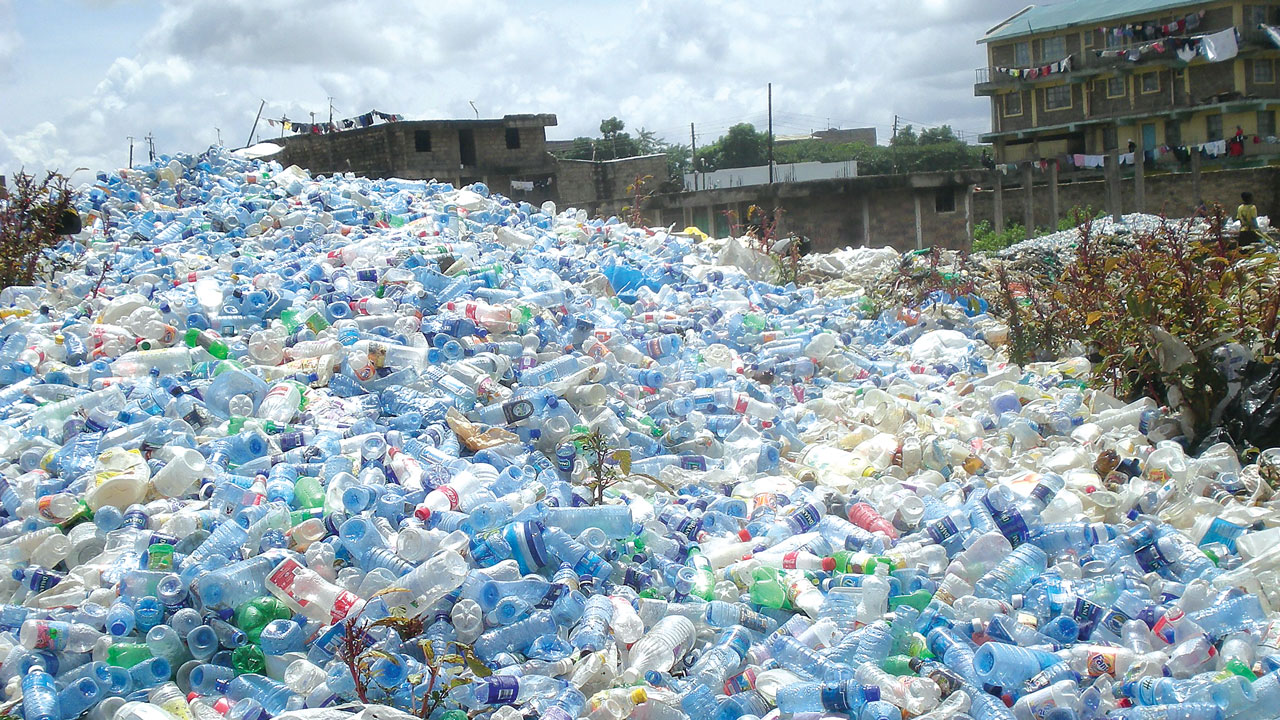
  • What Lagos will gain from banning styrofoam ‘take away packs’ and single us plastic materials

    What Lagos will gain from banning styrofoam ‘take away packs’ and single us plastic materials

    On Sunday, January 21, 2024 word came out that Lagos State, the economic capital of Nigeria has banned styrofoam and single use platic materials.

    Tokunbo Wahab, the state’s commissioner for environment and water resources recounted the menace caused by single use plastics in the state. Because they were non-biodegradable, the plastics clogged sewage channels and waterways, causing flash flood when it rained and costing billions of naira in cleaning up and damages.

    There have been outcries from food vendors and others about the issues that will come from the ban, but the upside is still more attractive than the downside.

    Banning single-use plastics and styrofoam containers offers multitudes of advantages, spanning environmental, health, and economic benefits. Here are some of the key highlights:

    Environmental Advantages:

    Reduced Waste: Single-use plastics and styrofoam contribute significantly to global plastic pollution. Banning them drastically curbs the amount of waste accumulating in landfills, oceans, and ecosystems, protecting wildlife and natural habitats.

    Minimized Microplastics: These tiny plastic fragments, often resulting from breakdown or improper disposal, pose a major threat to marine life and potentially human health. Bans help prevent their formation and entry into the food chain.

    Reduced Carbon Footprint: Plastic production and disposal involves high energy consumption and greenhouse gas emissions. Banning these materials translates to decreased reliance on fossil fuels and a smaller carbon footprint.
    Enhanced Recycling: By eliminating single-use options, focus shifts towards reusable and recyclable materials, leading to more efficient waste management and resource utilization.

    Health Advantages:

    Improved Public Health: Styrofoam can leach harmful chemicals like styrene and benzene when heated or exposed to certain foods. Banning its use reduces risks of these chemicals migrating into food and potentially impacting human health.

    Protected Marine Life: Sea turtles, birds, and other marine animals often mistake plastic debris for food, leading to choking, intestinal blockages, and even death. Reducing plastic pollution saves wildlife from these detrimental effects.
    Cleaner Water Sources: Microplastics and plastic pollution contaminate our water sources, posing potential health risks to humans and ecosystems. Banning single-use plastics helps mitigate this contamination and safeguard water quality.

    Economic Advantages:

    Job Creation: Transitioning to reusable and compostable alternatives can create new jobs in manufacturing, distribution, and repair of sustainable products. This fosters economic diversification and green business opportunities.
    Reduced Cleanup Costs: Plastic pollution cleanup presents enormous financial burdens to governments and communities. Banning single-use plastics minimizes these costs and redirects resources towards more productive endeavors.

    Tourism Revenue: Pristine beaches and healthy ecosystems attract tourists, boosting local economies reliant on tourism. Banning plastic pollution enhances environmental appeal and potentially increases tourism revenue.
    Banning single-use plastics and styrofoam containers is not without its challenges, but the numerous advantages in terms of environmental, health, and economic benefits make it a compelling long-term strategy for building a more sustainable and healthy future.
  • Wetlands

    Wetlands

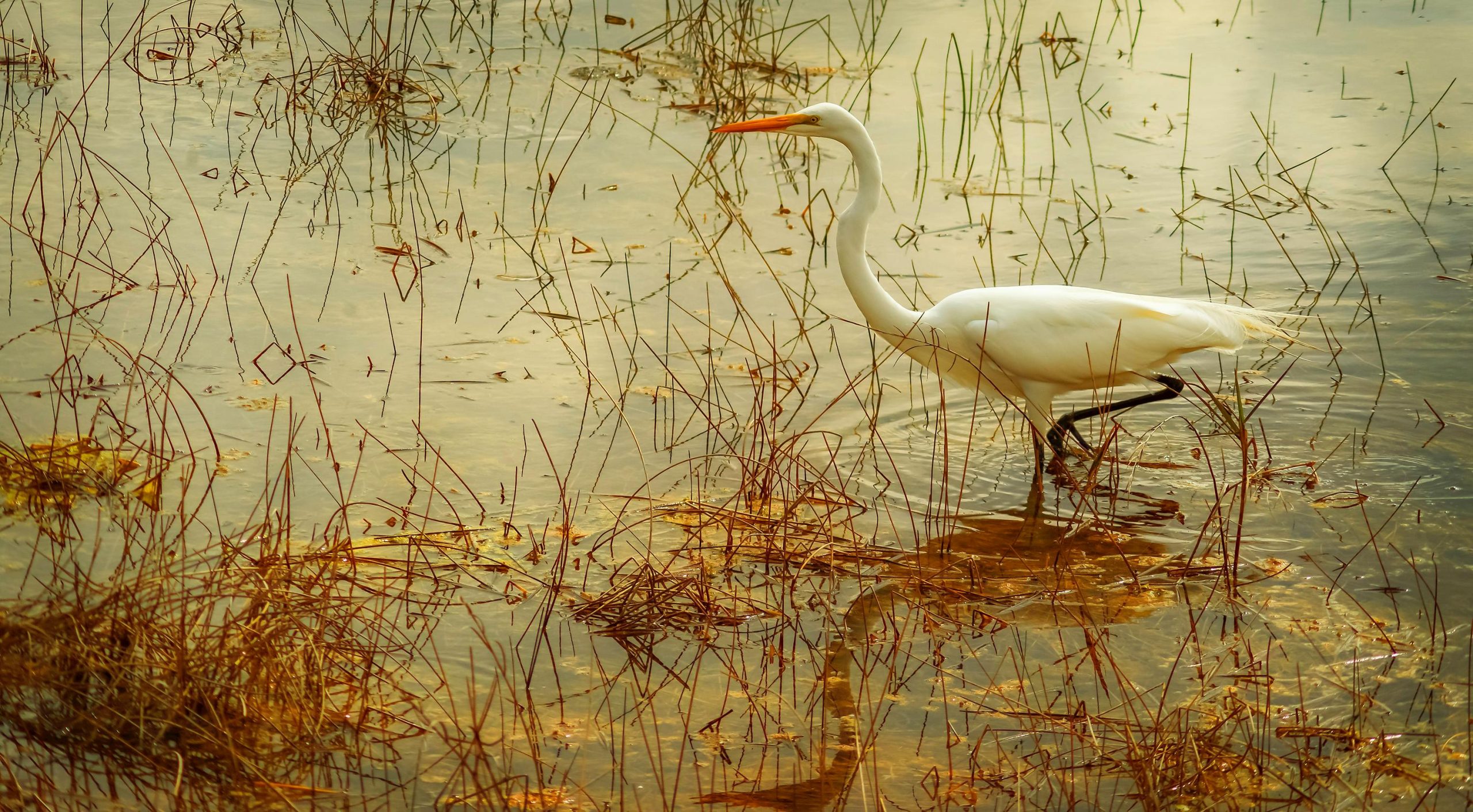
    Wetlands may not get much attention, but they’re vital for supporting life on Earth. These waterlogged regions, including marshes, swamps, and bogs, are important for ecological stability. These environments support a wide variety of plants and animals. Recognizing the significance of wetlands is important for understanding their contribution to the overall health of our environment. 

    What are wetlands?

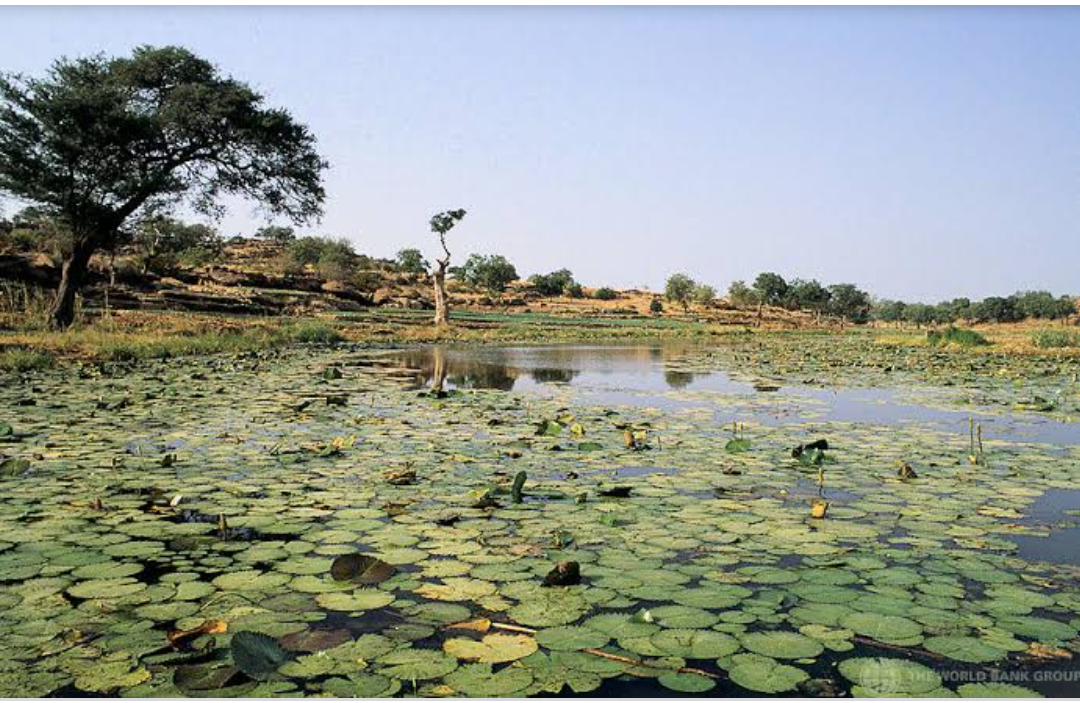
    Wetlands are areas of land where the ground is either permanently or seasonally saturated with water. They can include various types of ecosystems, like marshes, swamps, and bogs. Wetlands play crucial roles in supporting diverse plant and animal life, providing habitat for many species, and offering important ecological functions such as water filtration, flood control, and carbon sequestration. Some wetland regions in Nigeria include the Hadejia-Nguru Wetlands in northeastern Nigeria, the Omo Forest Reserve in southwestern Nigeria, the Lake Chad Basin, and the Lekki Conservation Centre in Lagos State. 

    Wetlands serve as important locations for biodiversity, supporting a variety of flora (referring to all the plant life or vegetation in this region) and fauna (encompassing all the animal life in this region) that have specifically adapted to the wet conditions. The presence of plentiful water and nutrient-rich soils creates the perfect environment for a diverse range of living beings. From amphibians and water birds to a wide array of plant species, wetlands provide a haven for numerous organisms, making a significant contribution to the overall biological richness of our planet.

    Ecological Functions of Wetlands?

    • Water Filtration and Quality: Wetlands are essential for the provision of water purification services as they act as natural filters, effectively eliminating pollutants, sediments, and excess nutrients from water. Through the use of vegetation and soils as sponges, wetlands can absorb and trap harmful substances, preventing them from reaching downstream water bodies. This crucial role not only helps protect aquatic ecosystems but also ensures the availability of clean water for human communities.


    • Flood Mitigation and Resilience: Wetlands are essential in reducing the impact of floods on the environment. During times of intense rain or strong storms, wetlands are crucial in absorbing and retaining excess water, thus reducing the risk of flooding in nearby areas. This particular function of wetlands becomes even more important in the face of climate change as the frequency and intensity of these events increase. As a natural defence against floods, wetlands play a significant role in strengthening the resilience of ecosystems and communities.


    • Carbon retention:The carbon cycle on a global scale is significantly impacted by wetlands. Due to the presence of waterlogged conditions, the decomposition of organic matter is slowed down, leading to the storage of carbon in wetland soil. This vital process, known as carbon sequestration or retention, plays a crucial role in mitigating the effects of climate change by offsetting the release of greenhouse gases into the atmosphere. As a result, protecting and restoring wetlands should be a top priority in addressing climate change.


    • Sustainable Livelihoods: Throughout history, wetlands have been a source of sustenance for human communities, providing a variety of resources. Wetland resources such as fish, waterfowl, and plants have played important roles in traditional activities like fishing and farming. It is important to find a balance between human needs and wetland preservation to maintain the sustainable use of these ecosystems, safeguarding their ecological functions and supporting the livelihoods of local communities.

    The preservation of wetlands is crucial for maintaining the ecological balance of the Earth and ensuring essential benefits for both the environment and human society. It is essential to prioritize the conservation and restoration of these areas and recognize their importance. By safeguarding wetlands, we not only protect biodiversity but also make a valuable contribution to the long-term sustainability of our planet and the well-being of future generations.

  • Flowing Towards Freedom: Celebrating World Rivers Day and Advocating for the Rights of Rivers

    Flowing Towards Freedom: Celebrating World Rivers Day and Advocating for the Rights of Rivers

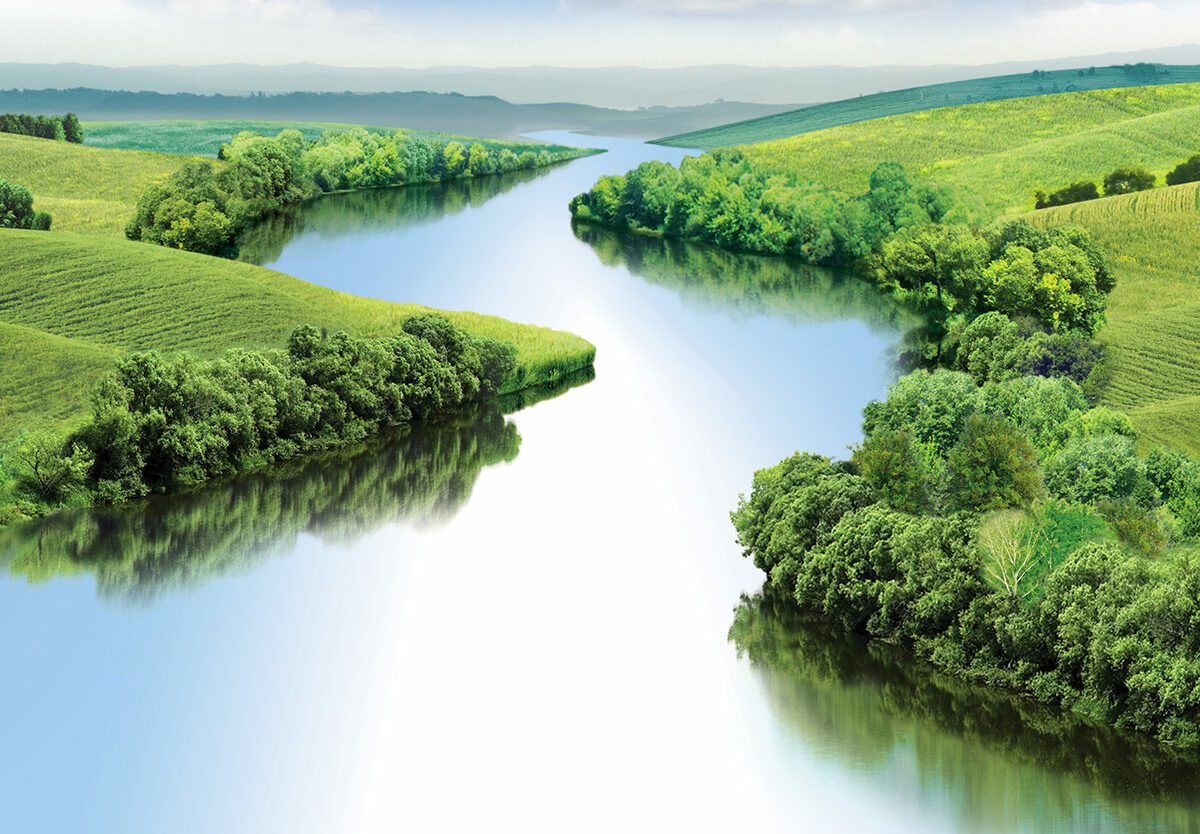
    World Rivers Day, established in 2005, is dedicated to reminding us of our invaluable aquatic landscapes. This commemoration reminds us to cherish and safeguard this priceless resource we have, it emphasizes the significance of rivers in sustaining life and urges individuals to take action for the conservation of these natural bodies.  In this article, we’ll discuss the importance of World Rivers Day, and the role of rivers in our ecosystems, and offer practical ways to contribute to the preservation of these bodies.

    This year’s World Rivers Day centres on the concept of the “Rights of Rivers.” This theme underscores the profound value of rivers, recognising them as the vital force of our planet, sustaining all forms of life. Rivers supply vital water resources for human, animal, and plant life and serve as natural channels for efficient transportation.

    The Importance of World Rivers Day

     World Rivers Day is a day set to remind us of our precious water bodies and aims to foster awareness about the crucial role that rivers play in our environment and society. It provides the international community with an opportunity to come together to talk about the vital role water plays in our lives– Consumption, Transportation, Recreation etc. It’s a day that reminds us of our shared responsibility of protecting our waters from harm.

    Roles of rivers in our ecosystem

    1. Water Source – Rivers are the primary source of freshwater supply for drinking, agriculture, and industrial use. rivers play a crucial role in providing us with clean and usable water for our daily needs.
    2. Biodiversity – Rivers are the home to several species of sea creatures, they serve as the habitat to countless species of fish, birds, insects and mammals.  All these creatures together create a connected and balanced environment where they can thrive and depend on each other for survival. So, rivers are not just water; they’re bustling ecosystems full of diverse life forms.
    3. Transportation and Trade – Throughout recorded history, rivers have been crucial for transportation and trade. They enable people and goods to move from one place to another, which in turn leads to economic growth and the exchange of different cultures. In simple terms, rivers have always been important for moving things around and for the development of economies and cultures.
    4. Recreation – Rivers offer enjoyable activities like fishing, swimming, boating, and more, offering valuable chances for relaxation and leisure.
    5. Natural Filtration Systems – Rivers work like natural cleaners, taking out dirt and harmful substances from the water. This is really important because it keeps the water safe and clean for both the animals that live in it and for us to use.

    Practical Ways to Contribute to the Preservation of Rivers

    1. Taking steps to fix any leaks, opting for water-saving appliances, and being conscious of how much water you use are effective strategies to reduce the amount of water consumed in your home. This helps conserve this precious resource and can lead to a more sustainable and environmentally friendly household.
    2. Trees and plants that grow along the edges of rivers (riverbanks) play several important roles. They help hold the soil in place, which prevents it from being washed away by the water (erosion). This is crucial for maintaining a stable environment. Additionally, these trees and plants offer homes and shelter for various kinds of wildlife. One way to support this ecosystem is by getting involved in tree-planting programs or projects that aim to restore and enhance these natural areas. By participating in such initiatives, you’re actively contributing to the health and stability of river ecosystems.
    3. Spreading information and knowledge about why rivers are crucial for our environment and society. It also involves actively supporting and promoting rules and guidelines that focus on taking care of rivers in a way that ensures they can be used and enjoyed for a long time without causing harm to the environment or depleting their resources. This can involve things like controlling pollution, managing water usage, and preserving the natural habitats around rivers.
    4. Become part of efforts to clean up rivers in your local area. It could involve participating in organized events where community members come together to remove trash and harmful substances from the riverbanks and the areas nearby. This action helps in keeping the river environment clean and safe for both wildlife and people. It’s a practical way to contribute to the well-being of the ecosystem and ensure that the river remains a healthy and enjoyable place for everyone.
    5. Share information like this about World Rivers Day and the significance of rivers with your friends, family, and community members. Having knowledge about this topic is a potent catalyst for making positive differences.

    World Rivers Day offers a special chance to engage with nature and acknowledge the crucial role rivers play in supporting life on our planet. Getting involved in activities that advocate for river conservation allows us to enhance the health of our ecosystems and communities. On this significant day, let’s unite to celebrate the life-giving essence of rivers and pledge to protect them for the well-being of generations to come.


  • Concerns rising over dead fish along Niger Delta coastlines

    Concerns rising over dead fish along Niger Delta coastlines

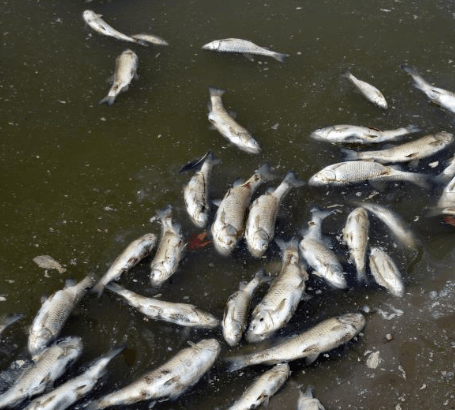
    Fishes are dying in great numbers and are getting washed ashore along the coast of Niger Delta states. It is a worrying situation for residents along the coastlines of Akwa Ibom, Bayelsa, Cross River, Delta, and Rivers, and other places within the region.

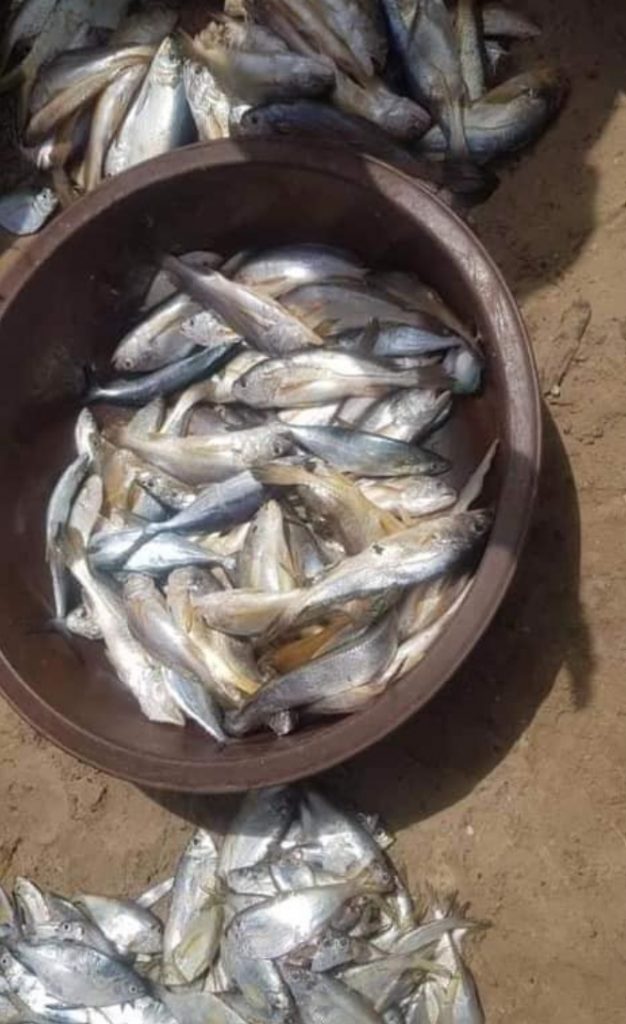
    The dead fish are mostly croaker, but experts from the Nigeria Conservation Foundation (NCF) identified some shiny nose fish amongst the dead.

    “The cause of death of the fish is yet to be confirmed,” NCF tweeted. “However (we are) working with relevant stakeholders, samples have been taken to the laboratory to conduct proper investigation and advise accordingly”.

    The Nigerian Maritime Administration and Safety Agency (NIMASA) also said it has commenced inquiry to identify the cause of the mass fish deaths.

    While the situation is of utmost concern, some locals are taking advantage of the situation to make brisk business. They are selling the fish to unsuspecting individuals. Consuming such fish is dangerous especially when the cause of death is not known. 

    “We want to identify the cause and establish what can be done to alleviate the adverse effect of this occurrence on the people and the marine environment in the affected areas,” Director-General of NIMASA, Dr. Bashir Jamoh said in a press release.

    He added that deliberately selling the dead fish to the public may carry criminal liability.

    Rivers State Commissioner for Environment, Dr Igbiks has also warned the people living in the communities around Finima in Bonny LGA and Oyorokoto in Andoni LGA not to eat dead fishes as the ministry would carry out full scale investigation to ascertain the actual cause of the death.

    The Shell Petroleum Development Company (SPDC) said it is also helping with the investigation into the cause of fish deaths. Shell activities had been fingered as the cause. An Environmentalist, Mr. Furoebi Akene, alleged that the fish deaths were caused by the discharge of toxic chemicals from Shell’s operations at Ogulagha in Delta.

    House of Representatives member from the Degema/Bonny Federal Constituency in Rivers State, Farah Dagogo also thinks the deaths may be linked to pollution. 

    “Their death may be as a consequence of pollution caused by the oil and gas companies operating in the region or other associated factors as noted by some environmentalists, or likely as a result of increasing toxicity of the Atlantic ocean, which the primary investigation I conducted indicates. And it can also be all of the aforementioned,” Dagogo said in a statement on May Day.

    He called for swift action to be taken on the matter.

    But the Media Relations Manager of SPDC, Mr. Bamidele Odugbesan brushed the allegation off, saying that there was no oil leakage from its activities linked to the dead fishes.

    Read also: Nigeria’s environmental problems — The ringworm and leprosy

    “The Nigeria Oil Spill Detection and Response Agency (NOSDRA) was widely reported to have clearly stated that there is no evidence that oil and gas operations may have impacted the aquatic environment as being claimed in respect of the fish kill incident,” Odugbesan said in a statement.

    Idris Musa, Director-General of NOSDRA confirmed that the agency found no connection with oil spills to the dead fishes and was looking at other probable causes. 

    Fish were also seen in rivers around Finima in Bonny LGA and Oyorokoto in Andoni LGA.

    According to FishNet Alliance, shoals of dead crocker, also known as “broke marriage” or “onah” were first noticed in February along the Niger Delta coastlines in Ogbulagha Kingdom in Burutu Local Government Area of Delta State

    Then the same pattern was noticed in other fishing communities along the Atlantic coastline of Ondo, Bayelsa, Rivers and Akwa Ibom.

  • 100kg of garbage found in dead whale’s stomach

    100kg of garbage found in dead whale’s stomach

    A sperm whale that died after being stranded on a Scottish island was found to have 100 kilograms of rubbish in its stomach.

    The whale was nearly 46 feet long and weighed around 26 tons – 52,000 pounds – according to Scottish Marine Animal Strandings Scheme (SMASS), a Scottish organization that investigates stranded marine animals.

    It washed up on the shore of Seilebost Beach in Scotland’s Isle of Harris, according to Dan Parry, who lives in Luskentyre, Scotland, and is an administrator of a Facebook page to keep the nearby Luskentyre Beach clean.

    READ ALSO: Conservationists call for end of plastic pollution on World Migratory Birds Day

    Fishing nets, bundles of rope, plastic cups, plastic bags and other garbage were found in the whale’s stomach, according to a necropsy done by SMASS.

    “All this material was in a huge ball in the stomach and some of it it looked like it had been there for some time,” they wrote on a Facebook post published Sunday.

    They wrote that the whale “wasn’t in particularly poor condition,” and they couldn’t confirm that the garbage contributed to its stranding or starvation.

    SMASS wrote that it is unclear what resulted in the excess of debris in the whale’s stomach. The trash, they explained, “seemed to have originated from both the land and fishing sectors.”

    They added that the discovery of the whale “serves to demonstrate, yet again, the hazards that marine litter and lost or discarded fishing gear can cause to marine life.”

    Parry said the whale’s intestines had virtually nothing in them.

    “The issue of pollution, plastics and ocean debris is a worldwide issue that needs action,” he told USA TODAY in a Facebook message. “We all need to use less plastic but also get involved in cleaning up what is already out there. Too many people turn a blind eye to it thinking it’s someone else’s problem.”

    SMASS buried the whale at the site. “If you go to the beach today, there should be almost no evidence that there was a large sperm whale necropsy undertaken there this weekend,” they wrote.

    This isn’t the first time this year a dead whale was found to have garbage in its stomach. A whale found in the Philippines in March had 88 pounds of plastic trash in its stomach.

    More than 90% of plastic is not recycled, and millions of metric tons a year pour into the planet’s oceans.

  • Appetite for fin soup may soon drive sharks into extinction – Conservationists

    Appetite for fin soup may soon drive sharks into extinction – Conservationists

    Conservationists have called for the regulation of shark harvesting globally to avoid driving the species in to extinction. They point out also that contribution of live sharks to the ecosystem as a whole is invaluable and far outweighs the satisfaction a select few get from a bowl of soup in restaurants in the Far East, hence the need to protect the species from extinction.

    Conservationists made the call at the kick off of the 2019 edition of the Dubai Shark Week on Sunday.

    According to the experts, as many as 100 million sharks are gruesomely killed globally every year for their dorsal fins. Once the fin is sliced off, the poor animal is discarded into the ocean to bleed to death.

    Unless countries come together to stem this animal cruelty, sharks will eventually become extinct, conservationists said during the start of the event organised by the Ministry of Climate Change and Environment (MOCCAE), International Fund for Animal Welfare (IFAW) and Atlantis, The Palm, in Dubai. The event coincides with Discovery Channel’s Shark Week.

    “The destination is the Far East, in China, Hong Kong, Singapore, and other parts of Asia,” Dr Elsayed Ahmad Mohammad, regional director, Mena, International Fund for Animal Welfare (IFAW), said, adding the need to regulate harvesting of shark fins is critical.

    Sharks are apex predators and are on the top of the food chain. Decreasing shark population could throw the ecosystem out of balance. On top of their value in the ecosystem, they also give more value to humans.

    “We want people to know the value of sharks. There’s a study about the value of a shark in attracting tourists. The value is more than $100,000 (N36,000,000) a year for ecotourism. This in turn helps the economy,” Dr Mohammad sad.

    Another study said shark ecotourism could generate more than $314 million annually worldwide.

    Compare this with a delicacy sold in the market for a few hundreds of dollars, with the average of about $450.

    Dr Elsayed said another gap in the conservation measures is people who consume the shark fin soup are usually “unaware of the problem of how the fins were harvested in the country of origin”. But a number of non-government organisations area already working in China to educate patrons and reduce the demand for shark fins.

    Hiba Al Shehhi, acting director of Biodiversity Department, Ministry of Climate Change and Environment (MOCCE), strongly emphasised that “no shark fins” are supplied from UAE waters to the Far East.

    This is because of the number of legislations and existing National Action Plan to protect the species.

    But Al Shehhi said that sharks in the UAE are also in critical number and populations are yet to recover.

    “In a study in 2016, the ministry found out that almost 50 per cent of the sharks in the Arabian Gulf is threatened. Twenty-two per cent of them are critically threatened and three per cent are already extinct. When we saw the status of the sharks, we said we have to do something,” Al Shehhi said.

    Mike Rutzen, shark behaviourist and conservationist from South Africa and speaker at the conference, said global shark populations are dwindling as well and if nothing is done about it, it may be too late.

    “Unfortunately, we are now at a crossroads. The world population of sharks is at a point where if we don’t do anything about it, all of them will go extinct — not just one population of shark — because of poaching and illegal trade,” he said.

  • Overgrazing, others threaten Hadejia Nguru Wetlands – NCF

    Overgrazing, others threaten Hadejia Nguru Wetlands – NCF

    Nigerian Conservation Foundation (NCF) has named overgrazing, drought, excessive logging activities and poor management of upstream water development scheme as major threats to the continued existence of Hadejia Nguru Wetlands (HNW).

    The Director-General of the NCF, Dr Muhtari Aminu-Kano issued the statement in Lagos last week while warning that the HNW spanning Jigawa and Yobe States could be totally lost if the Federal Government fail to tackle the challenges.

    “These wetlands, made up of floodplain wetland comprising permanent water bodies and seasonally flooded areas,” the statement revealed.

    Aminu-Kano pointed oit further that the HNW is of international significance to Palaearctic and Afro tropical migratory water birds, with 423,166 individual birds from 68 species.

    Bird populations in the wetlands usually fluctuate at each seasonal counts and has attracted a lot of fanciers to the country. In 1989, Prince Phillip, the Duke of Edinburgh visited Borno State in his capacity as President of the Worldwide Fund for Nature.

    “He toured Dogana Village of Bade Local Government (now in Yobe State), where birds come from Europe to roost. This was the first time the HNW would receive international recognition. The area is now known as Waterfowl Sanctuary, a wetland sector of the Chad Basin National Park,” the NCF statement revealed.

    “The area around the HNW is of immense interest to bird-watchers particularly those seeking out endangered species. In 2000, the Marma Channel/Nguru Lake Complex of the wetland was designated a RAMSAR SITE, a first of its kind in Nigeria.”

    Giving other value of the wetland, the firm said the HNW had long been known as a centre of fish production.

    “The economic value of fish production from the flood plains adds weight to the argument in favour of maintaining the annual flooding of the wetlands. Moreover, the significance of fishing goes beyond its value in monetary terms. Fishing plays an important role in the flexibility and adaptability of the rural economy in the flood plains,” it stated.

    The foundation also noted that a reduction in the flexibility through degradation of the fishery resource could have serious repercussions on the ability of communities to adapt to fluctuations in their environment.

    “Many people are involved in the fisheries and so the social consequences of any appreciable reduction in productivity will be felt throughout the area,” Aminu-Kano said.

  • ASEAN nations move to combat plastic pollution, illegal wildlife trade

    ASEAN nations move to combat plastic pollution, illegal wildlife trade

    The Association of Southeast Asian Nations (ASEAN) have expressed its determination to fight against plastic pollution in the ocean, as 10 leaders from the region adopted a joint declaration during the 34th Asean summit in Bangkok.

    The Bangkok Declaration on Combating Marine Debris in ASEAN Region was adopted by leaders of the 10-member Association of Southeast Asian Nations (ASEAN), which includes four of the world’s top polluters.

    Indonesia, the Philippines, Vietnam and Thailand –all ASEAN members — along with China throw the most plastic waste into oceans, according to a 2015 report co-authored by environmental campaigner Ocean Conservancy.

    Other signatories are Brunei Darussalam, the Kingdom of Cambodia, the Lao People’s Democratic Republic, Malaysia, the Republic of the Union of Myanmar, the Republic of Singapore and the Socialist Republic of Viet Nam.


    The countries made the declaration to emphasize the ASEAN Community Vision 2025, particularly the ASEAN Socio-Cultural Community (ASCC) Blueprint 2025 on Conservation and Sustainable Management of Biodiversity and Natural Resources which reaffirmed the commitment of strategic measures to “promote cooperation for the protection, restoration and sustainable use of coastal and marine environment, respond and deal with the risk of pollution and threats to marine ecosystem and coastal environment, in particular in respect of ecologically sensitive areas,” the declaration document revealed.

    “All countries…value and emphasize environmental protection and support Thailand in including the agenda on safeguarding of the environment and combating marine debris, which matches a global agenda,” deputy government spokesman Werachon Sukondhapatipak told reporters on Saturday.

    The declaration was commended by environmentalists as a good first step for the region, though doubts remained that implementation will be a challenge because the group has a code of non-interference that would leave necessary policymaking in the hands of individual member countries.

    Earlier, ASEAN Ministers responsible for CITES and Wildlife Enforcement had vowed to increase their efforts in combatting illegal wildlife trade in the region at their meeting held from 21-22 March 2019 in Chiang Mai, Thailand.

    At the meeting chaired by General Surasak Karnjanarat, Minister of Natural Resources and Environment, Kingdom of Thailand, the ministers reaffirmed their commitment to the United Nations 2030 Agenda for Sustainable Development Goals (SDGs). Goal.15 Targets 15.7, to “take urgent action to end poaching and trafficking of protected species of flora and fauna and address both demand and supply of illegal wildlife products”.

  • Ogoni cleanup: Remediation commences in 16 sites says Zarma

    Ogoni cleanup: Remediation commences in 16 sites says Zarma

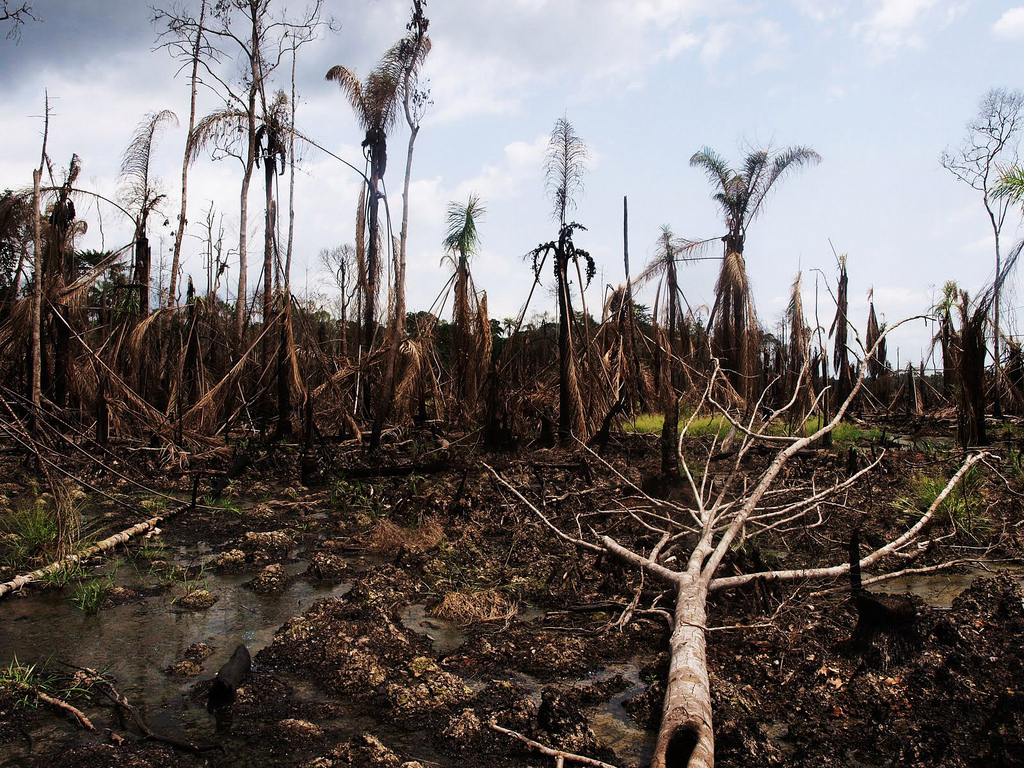
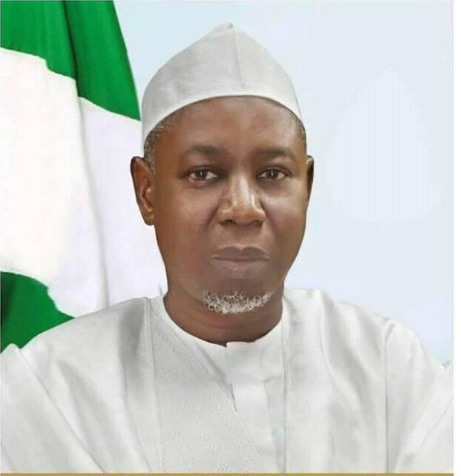
    The Federal Government of Nigeria says it has commenced remediation exercise in 16 sites affected by oil pollution, across the four local government areas in Ogoniland. The immediate past minister of environment, Suleiman Hassan Zarma, made the announcement on behalf of the Federal Government in Abuja during his valedictory press briefing and presentation of the ministry’s four-year achievement.

    In 2016, President Muhammadu Buhari launched the clean up of Ogoniland as recommended by United Nations Environment Programme (UNEP), resulting in the set up of a new Hydrocarbon Pollution Remediation Project (HYPREP).  

    According to Zarma, that federal government handed over the clean-up of additional five sites to contractors approved by the Federal Executive Council (FEC) last month.

    Sulaiman Hassan Zarma

    He said that federal government started sensitisation and engagement of communities and stakeholders in all the local government areas since 2016 and that over 21,000 patients were treated through community health outreaches.

    “Scooping/delineating of phase 1 remediation sites are ongoing while procurement for phase II remediation have fully commenced,” he noted.

    While stating that water facility inventory, sampling and surveys were ongoing in partnership with RSG, he pointed out that the process of rehabilitation of existing water facilities has commenced in Ogoni land.  

    He described the flag-off of the Ogoniland clean-up exercise as unprecedented feat that heralds President Buhari’s  determination to restore and maintain the ecosystem, ecological process and preserve biodiversity in Nigeria.

    Zarma hinted that NESREA has issued about 804 air quality, waste and toxic substances permit as well as 14 eco-guard certificate to various industries and facilities. He disclosed that the agency developed one additional regulation on healthcare waste control which has been transmitted to the Federal Ministry of Justice and gazetted as a national environmental regulation. The minister disclosed that PMB – led administration under the ‘Change’ mantra has recorded significant progress in securing a quality and conducive environment by promoting the sustainable use of natural resources, likewise in the development of programmes that affect the environment.  

    He stated that Nigeria was championing the fight against illegal wildlife trade in the West African region, a situation that led  to the development of a West African Strategy on Combating Wildlife Crimes (WASCWC). According to Zarma, this would be presented at the Conference of Parties (COP) 18 of Convention on International Trade in Endangered Species of Wildlife Flora and Fauna (CITES).

    Zarma added that the ministry has developed National Forest Investment Programme (NFIP), expected to run from 2019 to 2023, adding that CITES has consistently served as key revenue earner for government. On the activities of Forestry Research Institute of Nigeria (FRIN), he emphasised that about 10 indigenous tree species were planted on 834.6 hectares of land in 2018 through the National Afforestation Project (NAP). He pointed out that the institute has commenced research into biotechnological approach to mass production and multiplication of endangered and economic tree plant.

    He revealed that the National Oil Spill Detection and Response Agency (NOSDRA) has embarked on routine review and activation of the National Oil Spill Contingency Plan (NOSCP), Regional Oil Spill Contingency Plan (ROSCP) and Facility’s Oil Spill Contingency Plan (OSCP). He said that NOSDRA’s laboratories were currently renovated for effective regulation and certification of polluted sites.    

    The minister informed the gathering that the National Agency for the Great Green Wall (NAGGW) had produced 4,145,070m assorted forest and fruit tree seedlings for various afforestation, land rehabilitation and restoration projects in the front line states. Great Green Wall is an African Union Initiative covering 11 frontline states of Borno, Yobe, Adamawa, Bauch, Gombe, Jigawa, Kano, Katsina, Zamfara, Sokoto and Kebbi, with focus on afforestation and land restoration.

    While stating that NAGGW established  389.96km shelterbelt and 293ha community woodlots, he said it developed a robust framework for the promotion of alternative livelihoods in the frontline states, expected to serve as incentive for community ownership of afforested land. He disclosed that Nigeria Erosion and Watershed Management Project (NEWMAP) supported the development of a framework for adoption of Liquefied Petroleum Gas (LPG) as low carbon alternative to firewood and kerosene. This was aimed at reducing environmental pollution from use of kerosene, likewise to curtail felling of trees used as firewood, noting that NEWMAP started with six participating states at inception and has extended to 21 participating states, Zarma said.

    The NEWMAP is a World Bank-assisted project aimed at addressing gully erosion crisis in the south-east and land degradation in the north.

    Also speaking at the event, the permanent secretary in the ministry, Mrs Ibukun Odusote, commended Zarma for securing notable accomplishments in climate change issues, including improved access to Global Environmental Facility (GEF), the issuance of Sovereign Green Bond and among others.

    She stated that the minister also initiated various environmental policies and programmes targeted at addressing environmental pollution, land degradation, biodiversity and efficient framework for the effective management of the environment. Odusote commended Zarma for addressing various ecological challenges facing different parts of the nation as well as his commitment towards ensuring the establishment of shelterbelts across the country to protect desert encroachment and desertification.

  • Lake Chad Basin gets massive attention at UN General Assembly

    Lake Chad Basin gets massive attention at UN General Assembly

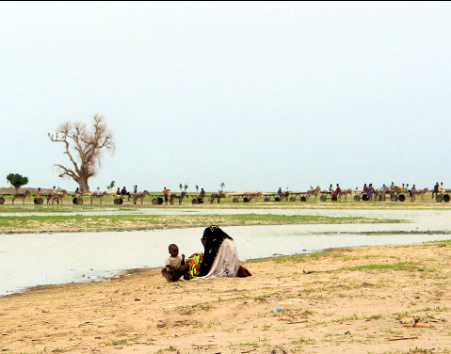
    The raising of international awareness on the Lake Chad Basin and efforts of Nigeria to promote sustainable development, peace and security is a major issue to be discussed during the visit of Ms María Espinosa, President of the United Nations General Assembly.

    She is due to be in Nigeria on Monday on the invitation of the Nigerian Government to strengthen bilateral relations between Nigeria and the United Nations.

    Mr Oluseyi Soremekun, the spokesperson, United Nations Information Centre said on Sunday in Lagos.

    Soremekun said that during her mission, she will further discuss the priorities of the UN General Assembly as related to women and youth empowerment, raise awareness and encourage understanding of the importance of multilateralism and the UN.

    “While in Nigeria, the President of the UN General Assembly will have bilateral meetings with President Muhammadu Buhari, and Minister of Foreign Affairs, Geoffrey Onyeama.

    “She will also engage with students and youths on the theme: Responding to Global Challenges in a fast-Changing World: The Case for Strengthening Multilateralism”.

    “Espinosa will also discuss with a women audience on the theme: `The Role of Women in the Promotion of Multilateralism”.

    “She is scheduled to also meet with the Minister of Women Affairs and Social Development, Hajiya Aisha Abubakar,’’ Soremekun said.

    Soremekun said that Espinosa will be received at the Nnamdi Azikiwe International Airport Abuja, by a representative of the Nigerian Government and Mr Edward Kallon, United Nations Resident Coordinator in Nigeria.

    According to him, this was the second official visit of Espinosa, President of the 73rd Session of the UN General Assembly to the African region since taking over the presidency.

    He said that on June 5, 2018, the United Nations General Assembly elected Espinosa who was then Ecuadorean Foreign Minister as President, the fourth woman to hold that position and the first since 2006.

    Somerekun disclosed that she has more than 20 years of multilateral experience in international negotiations, peace, security, defence, disarmament, human rights, indigenous peoples, gender equality, sustainable development environment, biodiversity, climate change and multilateral cooperation.