Category: News

  • World Vulture Day 2025

    World Vulture Day 2025

    Every year, on the first Saturday of September, people around the world pause to celebrate a bird that doesn’t always get the best reputation: the vulture. Known officially as International Vulture Awareness Day (IVAD), this observance started in 2009 as a joint effort between South Africa’s Birds of Prey Programme and the UK’s Hawk Conservancy Trust. Since then, it has evolved into a global movement, with conservation organizations, schools, and communities joining forces to raise awareness about the importance of vultures and the urgent need for their protection.

    Nature’s Cleanup Crew

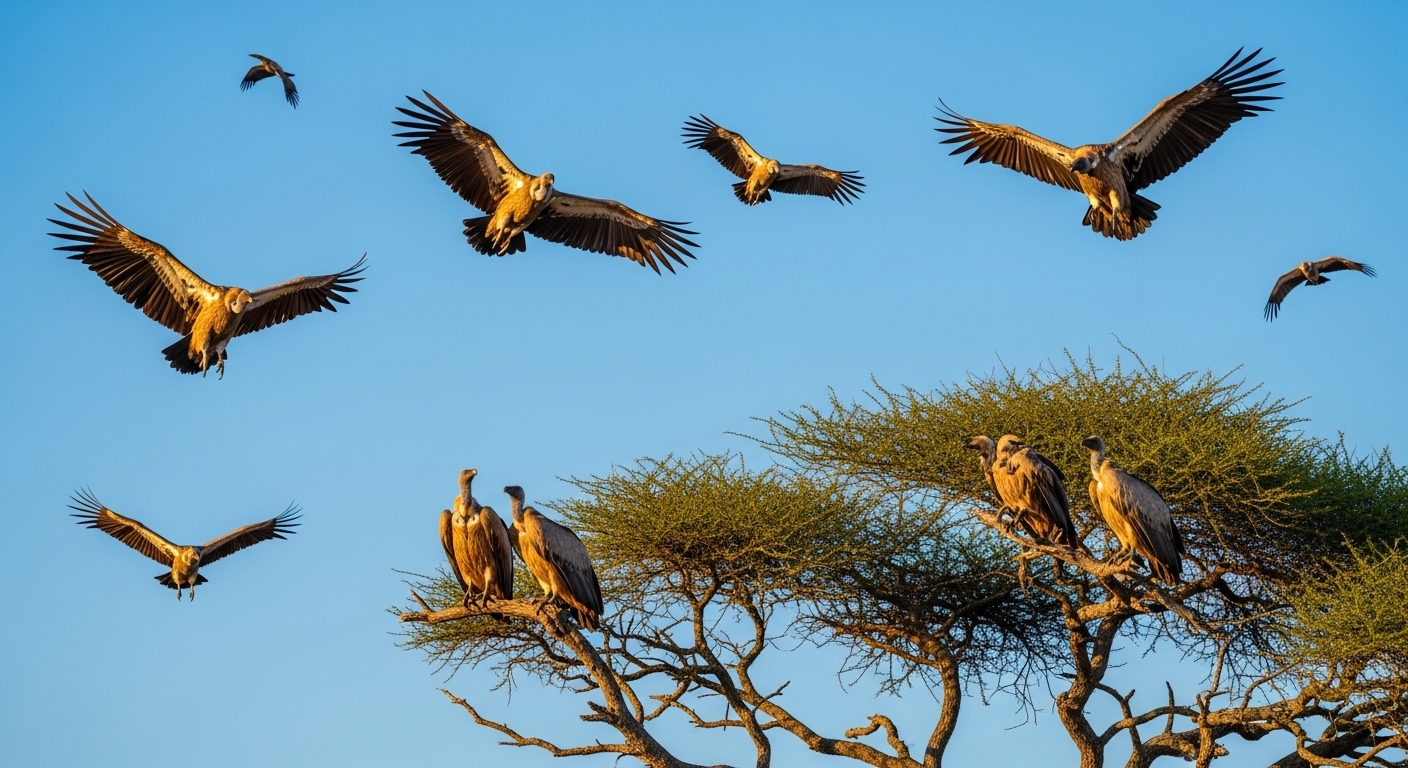
    Vultures may not be as glamorous as eagles or as colorful as parrots, but their role in nature is unmatched. They act as “nature’s cleanup crew”, feeding on dead animals before these carcasses can rot and spread disease. Their digestive systems are incredibly strong, capable of destroying harmful bacteria and pathogens, including anthrax, rabies, and botulism.

    In doing this, vultures protect both humans and wildlife from dangerous outbreaks. They also recycle nutrients back into the ecosystem, thereby maintaining natural balance. When vultures disappear, other scavengers,  often less efficient ones like feral dogs, increase the risk of diseases spreading into human communities. Simply put: without vultures, the health of entire ecosystems, including people, is at risk.

    A Grim Population Decline

    Sadly, vultures are among the most threatened bird species in the world today. Africa, in particular, has seen shocking declines. According to the IUCN Red List, four of Africa’s 11 vulture species are now Critically Endangered, with population drops of up to 97% in some regions.

    Key species in West Africa and Nigeria include the Hooded Vulture, White-backed Vulture, Lappet-faced Vulture, White-headed Vulture, and Rüppell’s Vulture. All of these species face steep declines and, without intervention, may vanish within a few decades.

    Globally, other species such as the Egyptian Vulture, Griffon Vulture, and Bearded Vulture are also under severe pressure. The loss of these birds would not only be an ecological tragedy but also a public health disaster.

    Why Are Vultures Disappearing?

    Several human-driven threats are pushing vultures toward extinction:

    • Poisoning: Sometimes predators like lions or hyenas are targeted with poisoned carcasses. Vultures, being scavengers, feed on the same carcasses and die in large numbers. In some incidents, hundreds have been wiped out at once.
    • Illegal trade: Vulture body parts are sold in traditional medicine markets, especially in West Africa, where they are believed to bring luck, protection, or healing.
    • Habitat loss: Expanding farms, roads, and cities reduce the safe spaces vultures need for nesting and feeding.
    • Infrastructure: Power lines, wind turbines, and other developments lead to accidental collisions and electrocution.
    • Veterinary drugs: Medicines like diclofenac, used on livestock, are toxic to vultures when they eat treated carcasses.

    A Cultural Snapshot

    In Africa and Nigeria, vultures also hold cultural significance. Among the Yoruba, the vulture (ìgun) is regarded as a sacred messenger of the divine. Other communities see them as either spiritually powerful or unclean, depending on local traditions. While some beliefs have helped protect vultures, others unfortunately fuel the demand for their body parts. This mix of reverence and exploitation reveals how deeply vultures are intertwined with human societies, for better and for worse.

    Conservation Efforts

    Thankfully, many organizations and communities are fighting back.

    • The Vulture Conservation Foundation (VCF) and BirdLife International lead international research, education, and conservation programs for vultures.
    • In Nigeria, the Nigerian Conservation Foundation (NCF) raises awareness, monitors populations, and collaborates with law enforcement to curb illegal trade.
    • The West African Vulture Conservation Action Plan (WAVCAP 2023–2043) is a long-term regional strategy spanning 16 countries aimed at addressing poisoning, illegal trade, and habitat loss.
    • Local projects also include creating “Vulture Safe Zones”, promoting alternatives to harmful veterinary drugs, and engaging with traditional healers to reduce the demand for vulture parts.

    These efforts combine modern science with community action, demonstrating that conservation is most effective when local people are involved.

    Why Awareness Matters

    World Vulture Day is about saving the balance of nature. Schools, NGOs, and communities use this day to host events such as art competitions, lectures, and field demonstrations. The goal is to inspire people, especially young people, to view vultures not as dirty scavengers, but as essential allies in maintaining a healthy environment.

    Looking Ahead

    The outlook is challenging, but not hopeless. If nothing changes, many vulture species could vanish within our lifetime, with disastrous consequences for ecosystems and public health. But with stronger laws, better education, safer veterinary practices, and active community participation, we can turn the tide.

    The lesson is clear: protecting vultures means protecting ourselves. The next time you see a vulture circling overhead, don’t think of it as a symbol of death. Think of it as a guardian, silently doing the hard, dirty work that keeps our world clean and safe.

  • World Cleanup Day 2025

    World Cleanup Day 2025

    About World Cleanup Day

    World Cleanup Day is one of the largest civic movements of our time, mobilizing millions across continents to tackle the mounting global waste crisis. Its roots trace back to Estonia in 2008, when 50,000 citizens came together to remove over 10,000 tons of illegal waste in just one day. This inspiring act sparked the birth of Let’s Do It World, the organization now coordinating annual cleanups in over 190 countries.

    Since its global debut in 2018, World Cleanup Day has continued to grow in scale and significance. In 2024, the movement achieved a historic milestone, its first recognition as a United Nations International Day. That year, millions of people from 191 countries joined forces, proving that environmental action can transcend borders, politics, and cultures. In 2025, the global cleanup will take place on September 20, continuing its mission to unite communities for cleaner, healthier environments.

    2025 Theme and Goals

    The 2025 campaign carries the slogan “Strive for Five”, urging communities to mobilize at least 5% of their populations. Research indicates that this percentage marks the tipping point necessary to drive systemic societal and environmental change.

    This year’s focus highlights one of the most pressing yet under-discussed waste issues: the pollution caused by the fashion and textile industry. Globally, an estimated 92 million tonnes of textiles are discarded annually, the equivalent of a garbage truck full of clothes being dumped every second. Addressing textile waste is closely tied to promoting sustainable consumption and transitioning toward circular economies.

    World Cleanup Day directly supports several United Nations Sustainable Development Goals (SDGs), including:

    • SDG 11: Sustainable Cities and Communities 
    • SDG 12: Responsible Consumption and Production 
    • SDG 13: Climate Action 
    • SDG 14: Life Below Water 
    • SDG 15: Life on Land 

    By aligning grassroots cleanups with these global frameworks, the movement not only removes waste but also pushes governments and businesses toward lasting policy change.

    Global Impact

    The numbers tell a powerful story of collective action:

    • In 2022, over 15 million volunteers worldwide removed 60,000 tons of waste, contributing more than 30 million volunteer hours. 
    • In 2024, participation expanded to 191 countries, covering 90% of all UN member states. 

    From small island nations to bustling megacities, volunteers braved challenges to clear streets, forests, and waterways of plastic, electronics, household waste, and industrial debris.

    The Digital Cleanup Day initiative encourages people to declutter their digital spaces, which indirectly reduces carbon emissions linked to data storage. In 2025, over 540,000 participants deleted 2.3 million gigabytes of unnecessary files, resulting in a reduction of approximately 575 tonnes of CO₂ emissions annually.

    Spotlight on Nigeria and Africa

    In Africa, the day is urgent. Nigeria, for example, generates over 2 million tonnes of plastic waste annually, much of it ending up in waterways, landfills, or the open environment.

    Grassroots groups, such as SustyVibes and the Centre for Water and Environment Development (CWED), have been instrumental in mobilizing citizens. Despite challenges such as poor infrastructure, heavy rainfall, and limited resources, Nigerian volunteers consistently show resilience. In 2023, major cleanups in Lagos and Kaduna resulted in markets, neighborhoods, and riverbanks being cleared of plastic and other waste.

    Across the continent, local governments, schools, NGOs, and eco-startups collaborate to raise awareness and inspire action. Youth activism especially shines—turning waste into art, launching recycling businesses, and leading education campaigns that reshape community attitudes.

    Why It Matters in 2025

    Waste is a global crisis tied directly to climate change, biodiversity loss, and public health. Plastic and textile waste leach toxins into soil and water, choke marine life, and clog urban drainage systems, worsening flooding.

    World Cleanup Day matters because it proves that people power can spark systemic change. By gathering even a small critical mass, communities reclaim ownership of their environments while demanding accountability from industries and policymakers.

    How to Get Involved

    Everyone has a role to play:

    • Individuals & Communities: Join or host cleanup drives, share stories online, and adopt waste-reducing habits. 
    • Schools & Youth Groups: Organize student cleanups, recycling projects, or creative “art from waste” exhibitions. 
    • Businesses: Sponsor cleanups, volunteer staff, or implement better internal waste policies. 
    • Digital Participants: Take part in Digital Cleanup Day by deleting unused apps, emails, and files. 

    To officially join, events and volunteers can register through worldcleanupday.org.

    Closing Thoughts

    World Cleanup Day 2025 is about hope, unity, and responsibility. Whether you’re clearing plastics from a riverbank in Nigeria, reducing textile waste in Europe, or deleting digital clutter at home, your action contributes to a cleaner and healthier planet.

    As Let’s Do It World President Heidi Solba reminds us: “Striving for five percent participation unlocks the power of collective action for lasting change.” On September 20, 2025, let’s rise together to leave a legacy of clean, thriving communities for generations to come.

  • World Gorilla Day 2025

    World Gorilla Day 2025

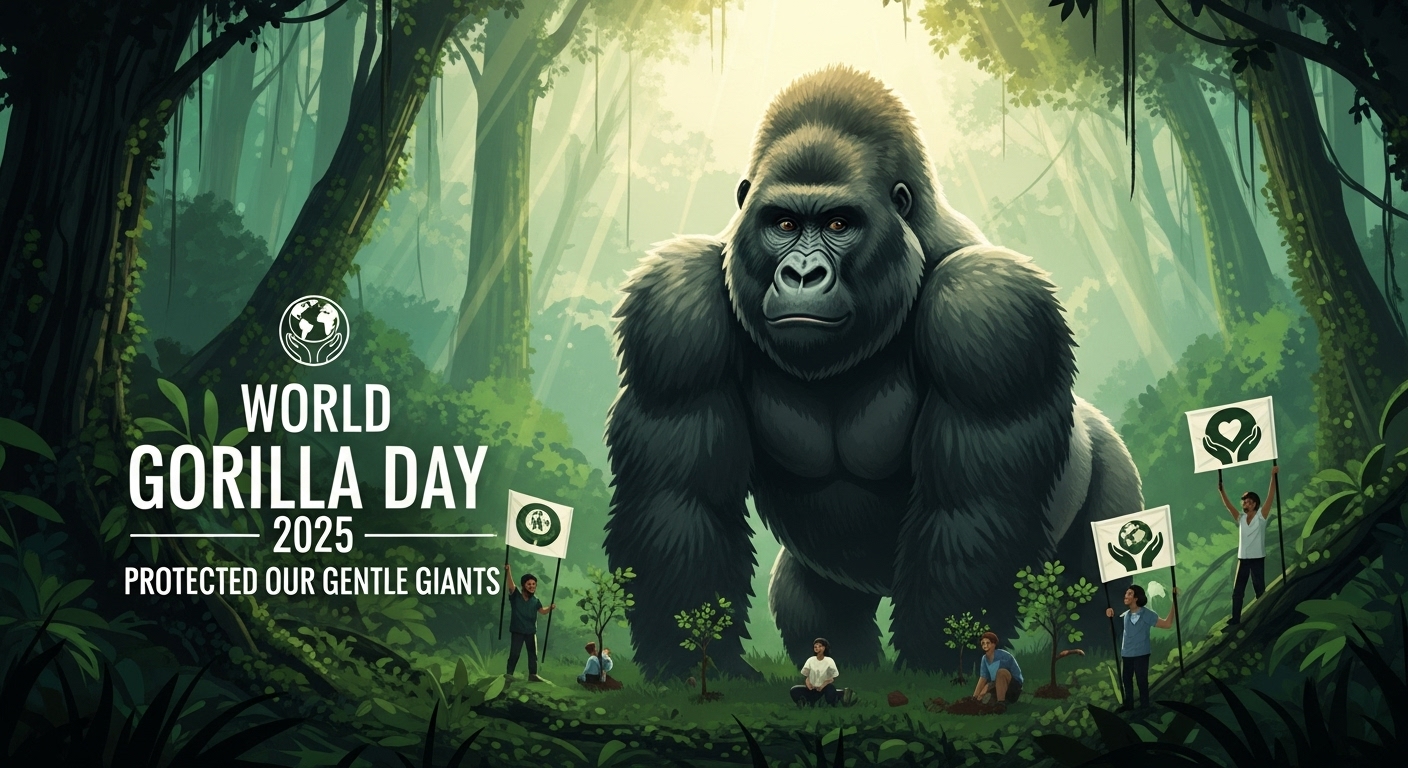
    Every September 24, the world pauses to celebrate World Gorilla Day, a day dedicated to honoring these remarkable great apes and renewing our commitment to their survival. Established in 2017 to commemorate the 50th anniversary of Dian Fossey’s pioneering Karisoke Research Center in Rwanda, the day serves as a global reminder that the future of gorillas, and the forests they call home, is tied to our choices and actions.

    Why September 24 Matters

    The choice of September 24 is symbolic. It marks the beginning of modern gorilla conservation, rooted in Dian Fossey’s groundbreaking research and relentless advocacy. Her legacy continues today, inspiring countless conservationists, rangers, and community members who dedicate their lives to protecting gorillas.

    This year’s theme highlights urgent challenges, including poaching snares, habitat destruction, and climate change. With snares on the rise in several gorilla ranges, conservation groups are calling for stronger forest patrols, better technology, and deeper community partnerships.

    Getting to Know Gorillas

    • Mountain gorillas (~1,000+) are found in the misty forests of Rwanda, Uganda, and the Democratic Republic of Congo (DRC).

    • Eastern lowland gorillas (~5,000) inhabit the Congo Basin, the largest of their range but also among the most threatened.

    • Western lowland gorillas (~90,000), widespread in Central and West Africa, but heavily impacted by poaching and disease.

    • Cross River gorillas, the rarest of all, with fewer than 300 individuals surviving in fragmented forests along the Nigeria–Cameroon border.

    Despite decades of challenges, the mountain gorilla offers a beacon of hope. From fewer than 250 individuals in the 1980s, their numbers have slowly rebounded thanks to conservation efforts, eco-tourism revenue, and community involvement.

    The Challenges They Face

    Gorillas’ biggest threats mirror the pressures humans put on nature:

    • Habitat loss from logging, farming, and mining.

    • Poaching and snares not only kill gorillas but also injure them severely.

    • Diseases from respiratory infections to Ebola are easily transmitted because of our genetic closeness.

    • Climate change, which alters the forests gorillas depend on.

    • Human–wildlife conflict, as shrinking ranges bring gorillas into contact with villages.

    Conservation in Action

    Conservation isn’t just about protecting gorillas; it’s about empowering people. In Rwanda, Uganda, and DRC, eco-tourism has turned gorillas into ambassadors of economic growth. Programs like Rwanda’s Kwita Izina, the annual baby gorilla naming ceremony, raise awareness while celebrating conservation success.

    Technology is also playing a growing role, as AI-driven camera traps and satellite monitoring help rangers track gorillas and detect illegal activity. Cross-border collaborations, such as the International Gorilla Conservation Programme (IGCP), ensure that protection extends across national boundaries.

    Spotlight on Nigeria and Cameroon

    For Nigeria and Cameroon, the conservation story is especially urgent. The Cross River gorilla is Africa’s most endangered gorilla subspecies. Elusive and rarely seen, these gorillas are monitored mainly through camera traps and nest surveys. Their forests are threatened by the expansion of farming and illegal hunting.

    Encouragingly, community-led initiatives, such as the Mbe Mountains Community Wildlife Sanctuary in Nigeria, are making a difference. Local rangers, often drawn from nearby villages, are being trained and equipped to patrol forests, remove snares, and collaborate with communities on sustainable land use practices.

    For Nigerians, this year’s World Gorilla Day is a call to action: support conservation groups, join awareness programs in schools, advocate for stronger forest protection policies, or simply share the story of these incredible apes.

    Why World Gorilla Day Matters in 2025

    At its heart, World Gorilla Day is about connection. Protecting gorillas safeguards biodiversity, strengthens forest ecosystems, and supports livelihoods through tourism and conservation jobs. It also directly ties into global goals, such as the UN Sustainable Development Goals (SDGs), focusing on life on land, climate action, and partnerships.

    Gorillas symbolize resilience, but they also remind us of responsibility. Their survival depends on the choices humanity makes in the next decade.

    How You Can Celebrate and Contribute

    • Support NGOs such as the Dian Fossey Gorilla Fund, IGCP, or Rainforest Trust.

    • Take action locally by organizing a school project, art contest, or fundraiser to support conservation.

    • Promote eco-tourism that benefits both wildlife and communities.

    A Personal Call to Action

    World Gorilla Day 2025 is more than a commemoration; it’s a promise. A promise that the sight of a gorilla mother cradling her infant, or the call of a silverback echoing through the forest, will not vanish into memory. By learning, sharing, donating, or simply raising your voice, you help ensure these gentle giants continue their journey alongside us.

  • Nigeria’s Conservation Revolution

    Nigeria’s Conservation Revolution

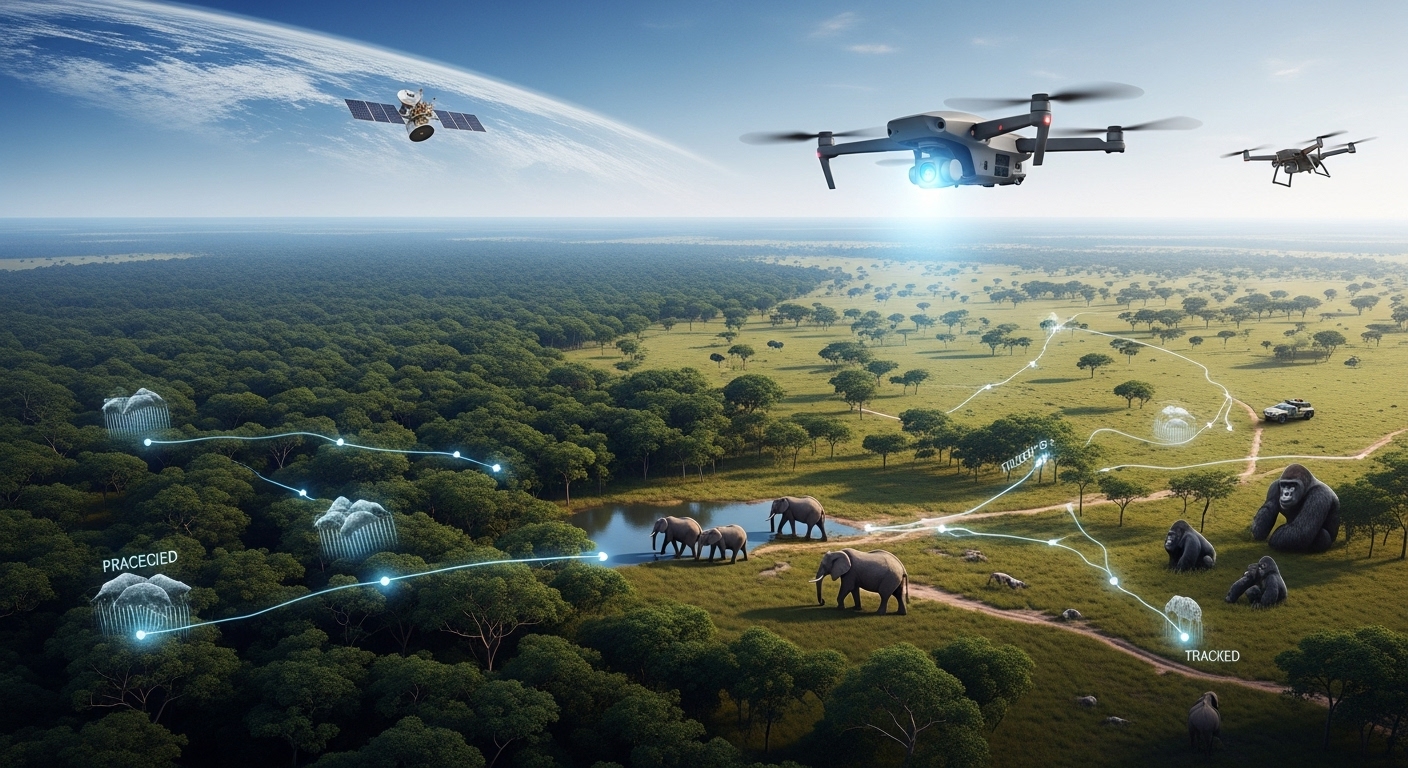
    When you think about wildlife conservation in Nigeria, the first image that probably comes to mind is a ranger in the forest, trekking through thick vegetation with nothing but determination and a few basic tools. For decades, that picture was accurate. Rangers were our only line of defense against poachers, loggers, and others who threatened our national parks. They are still the backbone of this fight, but something exciting is happening; technology is stepping in as their powerful new partner.

    This shift in strategy was clearly laid out by Nigeria’s Minister of Environment, Alhaji Balarabe Lawal, during the 2025 World Ranger Day celebration in Abuja. His message was simple but powerful: if Nigeria wants to protect its incredible biodiversity, from elephants in Yankari to gorillas in Cross River, we must embrace innovation. He called for what he described as “transformative conservation”, built on advanced tools and smarter methods.

    The Conservator-General of the National Park Service, Dr. Ibrahim Goni, is already bringing this vision to life, and the results are promising. Let’s break down what this “transformative conservation” actually looks like.

    Drone Surveillance

    Drone technology provides rangers with real-time aerial monitoring across vast landscapes that are impossible to cover on foot. In parks such as Kainji Lake, drones can track animal movements, identify illegal activities, and reach remote areas quickly. By providing live video feeds, drones improve the ability of rangers to respond to threats before they escalate.

    SMART Technology and Cyber Trackers

    The introduction of digital systems such as SMART (Spatial Monitoring and Reporting Tool) allows rangers to log patrol routes, record sightings, and document illegal activities directly on handheld devices. This replaces outdated paper records with instant, reliable data. Park managers can then analyze this information to identify poaching hotspots, allocate resources more effectively, and measure conservation progress with greater accuracy.

    Satellites and Helicopters

    While drones cover specific patrol areas, satellites and helicopters provide a broader perspective. Satellites can detect large-scale changes such as deforestation and land degradation, while helicopters support rapid deployment of rangers to crisis zones. Together, they ensure that conservation responses are not only faster but also better informed.

    All of this sounds exciting, and it is, but the heart of the matter is that technology is not replacing our rangers. It’s making them stronger, safer, and more effective. As Dr. Goni rightly called them, rangers are the “unsung heroes of conservation.” They are the ones who risk their lives every day to protect elephants, gorillas, and countless other species. Technology simply gives them the tools to do their jobs better and survive the dangers they face.

    But conservation is never a one-man show, or even a one-ministry show. During the event, Chris Galliers, President of the International Ranger Federation, made an important point: the government cannot do this alone. If Nigeria’s high-tech conservation strategy is going to succeed, it will require partnerships. NGOs, local communities, private companies, and ordinary citizens all have roles to play.

    Supporting conservation organizations, advocating for stronger environmental policies, or even just spreading awareness about the importance of our biodiversity, these actions matter. Small steps, when taken by many, add up to real change.

    What we are seeing now is a bold new chapter in Nigeria’s conservation story. Our rangers’ courage remains timeless, but when you blend that courage with modern technology, you create a force capable of protecting our national treasures for generations to come.

  • Nigeria’s Dwindling Elephant Population Sparks Urgent Conservation Call

    Nigeria’s Dwindling Elephant Population Sparks Urgent Conservation Call

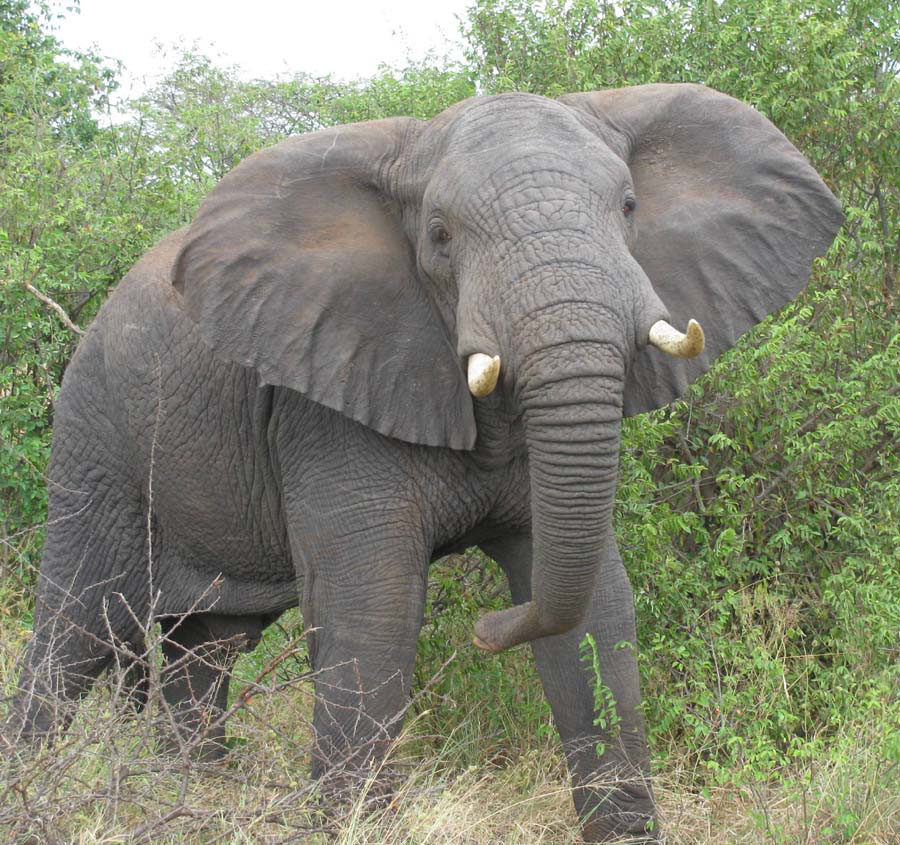
    As the world marked World Elephant Day on August 12, 2025, with the theme “Bringing the world together to help elephants,” wildlife conservationists in Nigeria sounded the alarm over the country’s rapidly declining elephant population. According to reports from conservation groups, the number of elephants in Nigeria has plummeted from over 1,200 to just about 300-400 in the last 30 years.

    Threats to Nigeria’s Elephants

    The main threats to Nigeria’s remaining elephants are habitat loss caused by agriculture, logging, and infrastructure development, pushing elephants into farmlands and villages in search of food and water. This has led to human-elephant conflicts, resulting in fatal incidents. In July, an elephant killed a farmer in Ogun State, highlighting the seriousness of the conflict.

    Conservation Efforts

    Conservation organisation Wild Africa is pushing for Nigeria to step up efforts to protect its remaining elephants. The newly launched National Elephant Action Plan (NEAP) aims to protect habitats by securing and restoring elephant habitats and connecting fragmented ranges through wildlife corridors. The plan also seeks to reduce conflicts by implementing early warning systems and non-lethal deterrents like chilli repellents to minimize human-elephant conflicts.

    Read also: FG launches 10-year plan to combat elephant poaching and preserve wildlife

    Also, the plan aims to boost law enforcement to combat wildlife crime and mitigate habitat degradation. This is particularly relevant as Nigeria considers the Endangered Species Conservation and Protection Bill, which could enhance the country’s capacity to protect its wildlife.

    Mark Ofua, West Africa Representative for Wild Africa, emphasised the need for deliberate planning and stronger law enforcement to protect both elephants and people.

    “When elephants have access to safe habitats and corridors, they’re less likely to come into conflict with communities. But achieving that requires deliberate planning, investment, and stronger law enforcement,” Ofua said.

  • Why Nigeria’s Wildlife Needs Our Voice Now

    Why Nigeria’s Wildlife Needs Our Voice Now

    Across Nigeria’s rivers, rainforests, grasslands, and skies, a quiet crisis is emerging, and most people don’t even notice. There are no headlines, no protests. However, what’s happening is serious: our forests are thinning out, rivers are becoming polluted, and many of our animals, such as elephants, manatees, gorillas, and rare birds, are disappearing.

    This isn’t just a problem for the animals. It’s a problem for us too.

    Nigeria is blessed with a rich and beautiful natural environment. We have amazing creatures that exist nowhere else in the world, like the gentle manatees gliding through the Niger Delta, or the shy Cross River gorillas in the highlands. These animals are special, not just because they’re rare, but because they play a crucial role in maintaining our environment’s health.

    Sadly, many of them are in danger. And if we lose them, we lose more than just wildlife; we lose part of who we are, and part of what keeps our land and water safe and alive.

    That’s why this article series was created.

    In the coming stories, we’ll take you on a journey into Nigeria’s wild places, places most of us never get to see. We’ll introduce you to animals whose lives are connected to ours in surprising ways. You’ll learn about monkeys that help protect mangroves, birds that balance nature, and river creatures that clean our waters, all without ever asking for anything in return.

    Each of these animals has its own story. Each one faces threats like deforestation, hunting, pollution, and climate change. But there’s also hope, because more and more Nigerians are stepping up to protect them.

    This is a story of courage and care, of local people, students, and young activists choosing to stand up for the natural world. They’re not using violence or anger. They’re using knowledge, love for the land, and the power of speaking out.

    We’re not here to scare you or make you feel helpless. We’re here to show you why this matters and how you can be part of the solution because protecting Nigeria’s wildlife also means safeguarding clean water, healthy forests, safe weather, tourism, jobs, culture, and national pride.

    So let’s begin this journey together.

    Let’s hear the stories of these animals and speak up for them, before it’s too late.

  • Mangrove

    Mangrove

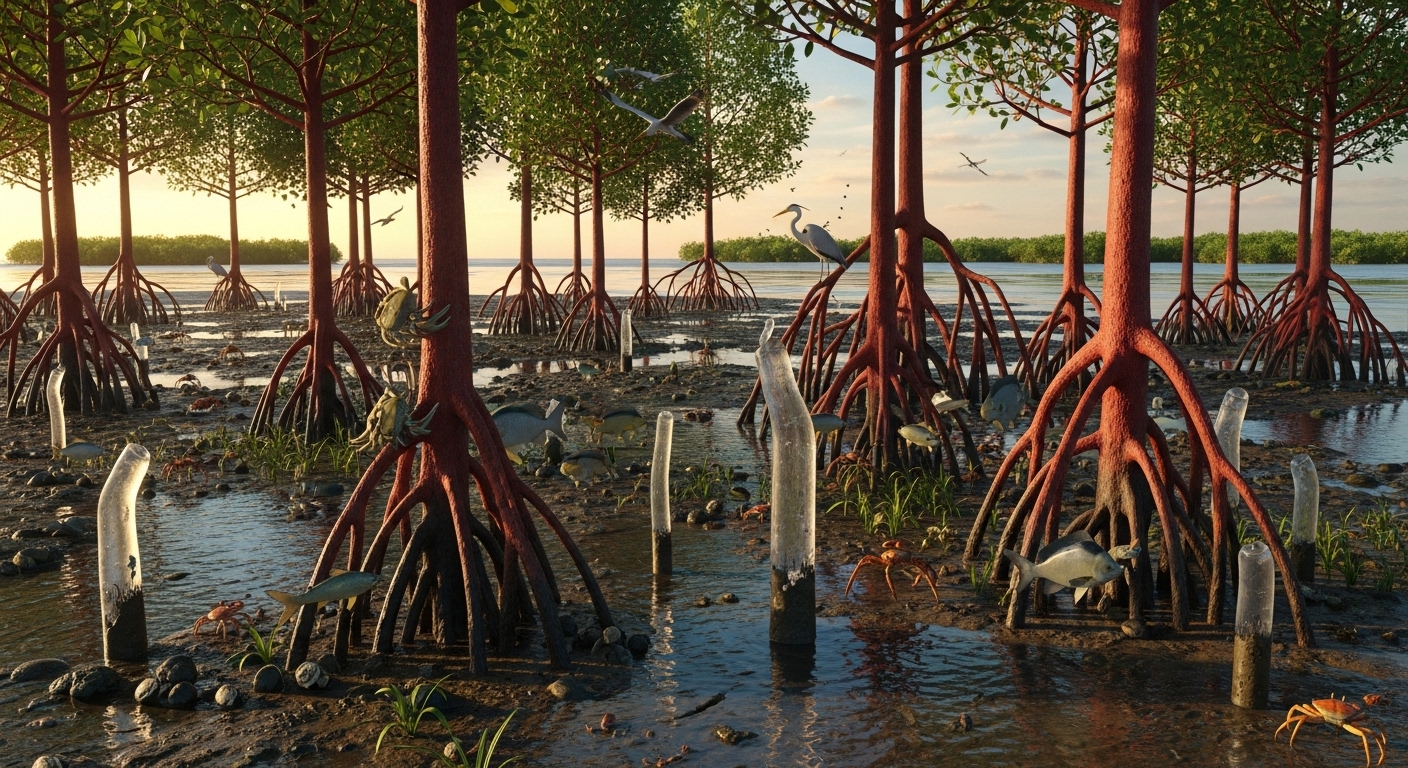
    Mangroves are special shrubs or trees found in coastal areas where salt and freshwater meet. These plants are uniquely adapted to survive in harsh environments, such as saltwater, flooding, and erosion. They are salt-tolerant trees and shrubs that grow in tropical and subtropical regions. Mangroves are found in intertidal areas, such as river deltas, estuaries, and shallow lagoons. They can also be found in other open seas, sheltered bays, and fringe islands.

    Key Characteristics of Mangroves

    1. Salt Tolerance: Mangroves are halophytes, meaning they can grow in salty conditions. 
    2. Prop Roots: Their exposed supporting roots help stabilize them in muddy areas.
    3. Pneumatophores: Some species have breathing roots that protrude from the mud to absorb air.
    4. Buttress Root System: Their strong root systems help them survive in unstable soils.

    Where Mangroves Grow

    Mangroves are found in tropical and subtropical regions, especially in estuaries, salt marshes, and along muddy or rocky coastlines. They grow in areas with low oxygen, where fine sediments accumulate due to slow-moving waters.

    Why Mangroves Matter

    Mangroves are incredibly important to both the environment and humans.

    • Protect Coastlines: They act as natural barriers against storms, flooding, and erosion.
    • Support Marine Life: Mangroves provide shelter and breeding grounds for a diverse array of fish, crabs, birds, and other marine organisms.
    • Store Carbon: They absorb and store carbon dioxide, helping to fight climate change.
    • Improve Water Quality: Mangrove roots filter pollutants and sediments from the water.
    • Provide Resources: They offer food, timber, and livelihoods to local communities.
    • Support Other Ecosystems: Mangroves protect nearby coral reefs and seagrass meadows by trapping sediment that could harm these ecosystems.

    Mangroves in Nigeria

    Nigeria is home to the largest mangrove forest in Africa and the third-largest in the world, located in the Niger Delta region.

    Location

    The Niger Delta spans nine states, including Rivers, Bayelsa, Delta, and Cross River.

    Common Species

    The most common mangroves in Nigeria are:

    • Red Mangroves (Rhizophora species)
    • Black Mangroves (Avicennia germinans)
    • White Mangroves
    • Golden Leather Fern

    Importance

    The mangroves in the Niger Delta are vital for:

    • Protecting coastlines and communities from natural disasters.
    • Supporting marine and terrestrial life.
    • Providing essential resources for millions of people in the region.

    Threats to Mangroves

    Mangroves in Nigeria face several challenges, including:

    • Oil Spills and Pollution: Widespread oil exploration has destroyed large areas of mangroves.
    • Deforestation and Urbanization: Human activities and land development reduce mangrove forests.
    • Invasive Species: Plants like the Nipa palm outcompete native mangroves.
    • Climate Change: Rising sea levels and shifting weather patterns pose a threat to mangrove habitats.

    Efforts to Protect Mangroves

    Several initiatives aim to conserve mangroves in Nigeria and globally:

    • Mangrove for Life Project: Launched in 2021 to restore Nigeria’s mangroves.
    • UN-REDD Programme: Trains local communities to protect mangroves and cut invasive plants.
    • Global Mangrove Alliance: Promotes conservation and regrowth worldwide.
    • Community Action: Local groups and conservationists are working to replant and safeguard mangrove forests.

    Mangroves are not just trees; they are lifelines for coastal communities and critical ecosystems. Protecting them is essential for biodiversity, climate stability, and the well-being of millions of people. By conserving mangroves, we protect ourselves and the planet.

  • Carbon in the Forest, Friend or Foe?

    Carbon in the Forest, Friend or Foe?

    When people hear the word “carbon,” the first thought that comes to mind is usually “pollution” or “climate change.” However, carbon plays a crucial role within forests.

    Let’s delve into the world of forest carbon, discover how it works, and explore whether it’s beneficial or detrimental, as well as how our everyday actions—often without our awareness—impact this delicate balance.

    What is Forest Carbon?

    Simply put, forest carbon refers to the carbon stored in forests. Trees and plants absorb carbon dioxide (CO₂) from the atmosphere during photosynthesis, converting it into biomass, comprising trunks, branches, leaves, roots, and even the soil. This process helps reduce the amount of CO₂ in the air, making forests one of nature’s most effective tools in combating climate change.

    That’s why forests are often called carbon sinks—they “sink” or absorb carbon, locking it away for years, decades, or even centuries.

    Is Forest Carbon a Good Thing?

    Absolutely. When forests are healthy and thriving, the carbon stored in them is beneficial. It means the forest is actively capturing CO₂ and storing it safely. This helps to cool the planet, stabilize the climate, and support a wide range of life, from birds to insects to humans.

    In fact, since 2000, forests have been removing approximately 2 billion metric tons of CO₂ from the atmosphere every year. That’s roughly the same as the annual emissions of hundreds of millions of cars.

    When Does Carbon Become a Problem?

    Carbon in forests becomes a problem not because of the carbon itself, but because of what humans do that releases that stored carbon back into the atmosphere.

    Here’s how we’re unknowingly turning forests from carbon savers into carbon sources:

    • Deforestation and Land Use Change

    Cutting down trees for farming, roads, or cities instantly releases the carbon stored in those trees. It’s like smashing a savings bank—years of stored carbon vanish into the air. Tropical deforestation alone accounts for approximately 12–20% of global greenhouse gas emissions.

    • Forest Degradation

    Even without cutting down entire forests, activities such as selective logging, illegal harvesting, or forest fires can damage the ecosystem. This weakens the forest’s ability to store carbon, and in some cases, makes it start emitting more CO₂ than it absorbs.

    • Biomass Energy

    Burning wood for fuel or turning forests into wood pellets is often marketed as a “green” energy source. However, in reality, this process releases large amounts of carbon and typically involves clearing natural forests to meet energy demands, especially in countries such as Indonesia and parts of Africa.

    Climate Change Makes It Worse

    To make things worse, the CO₂ we’ve already pumped into the atmosphere is changing the climate, and forests are feeling the heat.

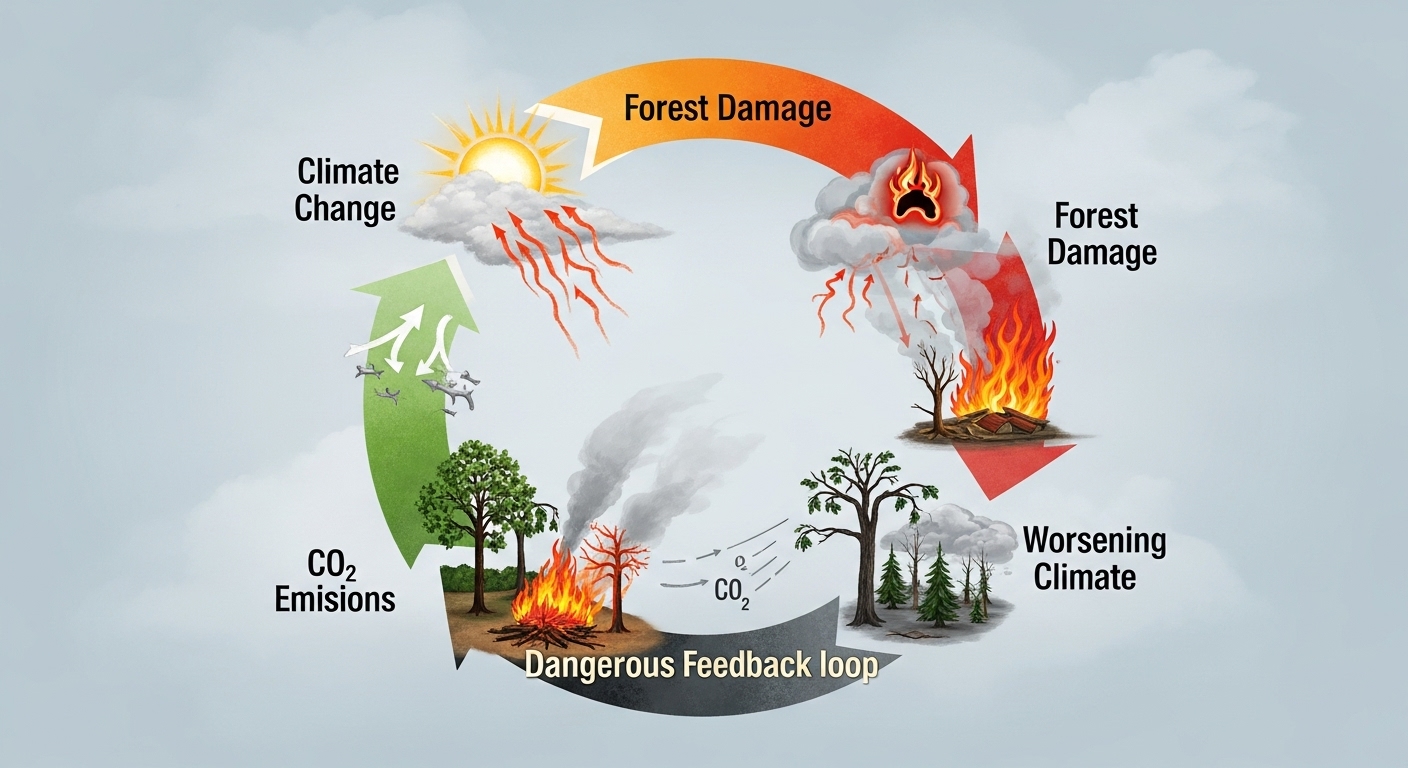
    • More Wildfires: Hotter, drier conditions are increasing the number and intensity of forest fires. These fires release massive amounts of carbon and destroy trees that would otherwise help absorb it.
    • Rainfall Changes: Unpredictable rain patterns stress trees, slow down growth, and reduce carbon absorption.
    • Soil Degradation: Warming temperatures and shifting weather patterns also damage the forest floor. Since soil stores a tremendous amount of carbon, this is a big problem.

    These effects create a dangerous feedback loop: climate change harms forests, and damaged forests make climate change worse by releasing even more CO₂.

    What Can We Do About It?

    We can still fix this. There are proven solutions that protect forests and the climate at the same time:

    • Protect Existing Forests: It’s cheaper and more effective to keep forests intact than to regrow them later.
    • Restore Degraded Land: Planting trees and improving soil can help damaged forests recover their ability to store carbon.
    • Use Land Wisely: Practices like agroforestry (growing trees alongside crops) can balance food production with environmental protection.
    • Support Clean Energy: Transitioning away from fossil fuels and unsustainable biomass to solar, wind, and hydro reduces pressure on forests.
    • Engage Local Communities: Forest conservation is most effective when local people are involved and benefit from protecting their environment.

    So, is carbon in the forest good or bad? The answer is: It depends on what we do.

    When forests are protected and healthy, they are powerful allies in the fight against climate change. However, when forests are destroyed or degraded, often through everyday activities such as farming, construction, or burning wood, they can become part of the problem.

    Understanding the role of forest carbon helps us appreciate just how vital our trees are, not just for their shade or beauty, but for the future of our planet.

  • How NFSS Could Be a Game-Changer for Conservation and Security

    How NFSS Could Be a Game-Changer for Conservation and Security

    Nigeria’s richly biodiverse forests are under increasing threat from a range of illegal activities, including logging, poaching, and agricultural encroachment. These activities not only decimate valuable ecosystems and contribute to climate change but also pose significant national security challenges. 

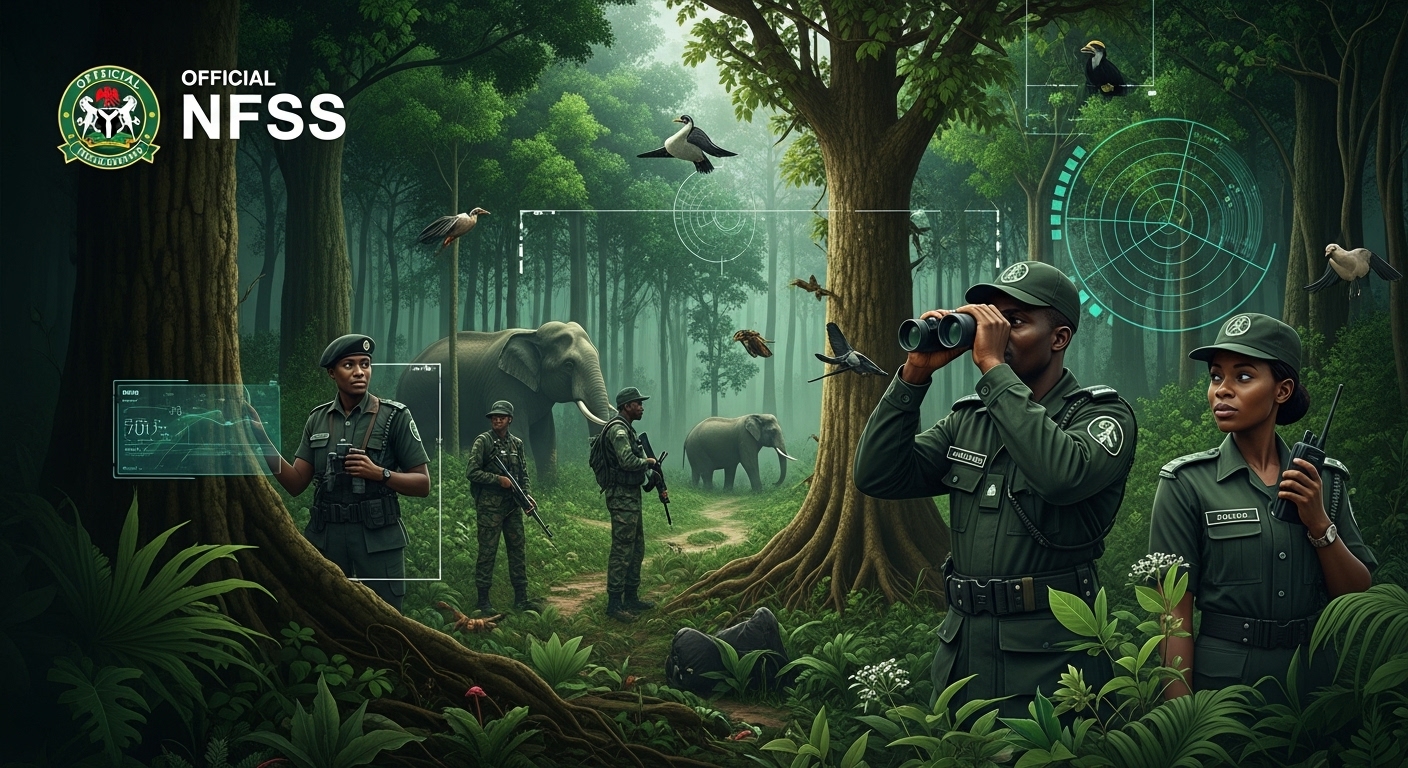
    The Nigerian Forest Service (NFSS), formerly known as the Nigerian Hunters and Forest Service (NHFSS), plays a vital role as a frontline agency in combating these multifaceted threats. Its personnel are often tasked with patrolling vast and challenging terrains, intercepting illegal operators, and enforcing forestry laws to protect Nigeria’s natural heritage and safeguard its national interests. The effectiveness of the NFSS is crucial for the sustainable management of Nigeria’s forests and the preservation of its biodiversity for future generations.

    From Traditional Hunters to Modern Conservation Force

    Officially renamed in late 2024, the NFSS transformed both title and purpose. The shift, announced by Commander-General Dr. Wole Joshua Osatimehin, aligns with a pending bill in the National Assembly to integrate traditional hunter groups into a unified forest security architecture.

    This is more than a name change; it’s a blueprint for safeguarding Nigeria’s forests, wildlife, and natural resources. It’s about giving teeth to conservation efforts in regions where rangers alone can’t reach and where crimes against nature often go unchecked.

    In an earlier article, we discussed the Ecological Significance of Trees and how trees are the lifeblood of ecosystems. We also wrote about Economic Trees and their role in livelihoods. What we’re seeing with the NFSS is the emergence of a structured, strategic initiative that could protect these very assets—our trees, biodiversity, and forest communities—from being lost to greed and violence.

    Conservation and Security: Two Sides of the Same Coin

    Dr. John Metchie, Deputy Commander-General (Intelligence) of the NFSS, emphasized this connection recently during the training of Intelligence, Surveillance, and Provost personnel in Abuja. He described forest guards as “the missing link” in Nigeria’s security framework, underscoring the unique role NFSS can play in bridging the gap between conventional security agencies and the rugged terrains of our forest landscapes.

    “The forest guards possess credible and actionable intelligence that could help tackle insecurity in the forested regions,” he said. And when we talk about insecurity, we’re not just talking about kidnappers and bandits. We’re talking about illegal loggers decimating forests that took centuries to grow. We’re talking about poachers who eliminate rare species for black market profits. All of it is connected.

    It’s a conservation issue. It’s a climate issue. And yes, it’s a human safety issue too.

    Collaboration is Key

    Support for the NFSS has been growing. Agencies such as the Nigeria Police Force (NPF), the National Drug Law Enforcement Agency (NDLEA), and the Nigeria Security and Civil Defence Corps (NSCDC) have thrown their weight behind the service, acknowledging that no single agency can secure Nigeria’s forests alone.

    CP Ajao Adewale of the NPF highlighted the strategic value of intelligence sharing and collaboration. NDLEA Chairman, Brig. Gen. Buba Marwa (rtd) emphasized the importance of cooperation in tackling drug-related crimes, often linked to forest routes. And NSCDC’s Commandant Olusola Odumosun commended NFSS’s “doggedness and commitment” to national security.

    In other words, Nigeria’s security architecture is slowly recognizing that true protection starts with those who know the land.

    A Hopeful Future for Nigeria’s Forests

    Commander-General Osatimehin’s vision for NFSS includes highly trained operatives working in sync with the military, police, and DSS. His recent initiative to train forest officers in intelligence and surveillance marks a turning point—one where we can truly begin to see forests not as lawless no-man’s-lands but as vital, monitored habitats deserving of protection.

    If fully empowered, the NFSS could become a conservation game-changer—not only reducing insecurity but also preserving the integrity of Nigeria’s forests, its flora, and fauna. Imagine a network of trained forest guardians working side by side with communities, protecting ancient trees and rare species we wrote about—trees with deep ecological and economic value.

    It’s time we saw forest protection not just as a green issue, but as a national one. And the Nigerian Forest Security Service may be the boots on the ground we’ve been waiting for.

  • Pollinators in Peril: Bees, Butterflies, and the Food Chain

    Pollinators in Peril: Bees, Butterflies, and the Food Chain

    When was the last time you saw a butterfly out in the open, fluttering around flowers, or resting quietly in the sun? What about a bee, buzzing from petal to petal? If your answer is “not recently,” you’re not alone. Across the world, bees, butterflies, and other pollinators are disappearing, and that’s a much bigger problem than many realize.

    Why Pollinators Matter More Than We Think

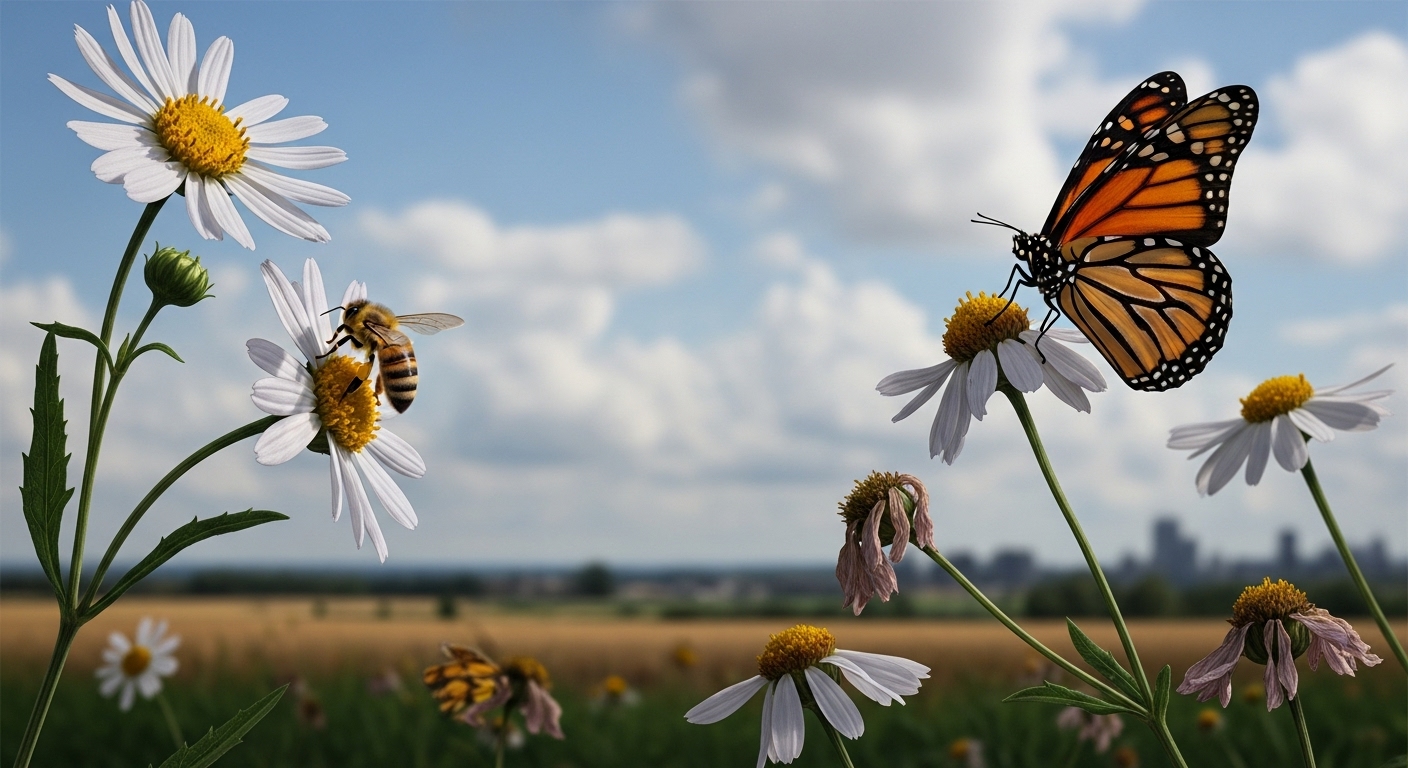
    Bees and butterflies do more than just add beauty to gardens and wild spaces. They are essential workers in nature, helping plants reproduce by carrying pollen from one flower to another. This simple act of pollination supports over 75% of the world’s food crops.

    Without pollinators, plants can’t produce seeds or fruit. And if the plants struggle, so does the food chain.

    Bees and Butterflies: Different Roles, Same Importance

    • Bees

    Bees are among the most efficient pollinators. Their work supports a wide range of crops, including apples, cucumbers, almonds, and melons. They also help maintain wild plant populations and contribute to soil health through their foraging habits (as they move from flower to flower collecting nectar and pollen, they spread seeds and promote plant growth).

    • Butterflies

    Butterflies aren’t as fast or focused as bees, but they still play a role in pollination. More importantly, their larvae (caterpillars) are a key food source for birds and other animals. Butterflies are also considered “indicator species” because their presence signals a healthy environment.

    What’s Causing the Decline?

    Pollinators are in trouble, and the reasons are many:

    • Habitat Loss: As forests, fields, and wild spaces are cleared for farms, cities, and roads, pollinators lose the places they depend on to feed and nest.
    • Pesticides: Chemicals used to kill pests can also harm pollinators. Certain pesticides can damage bees’ brains, weaken their immune systems, and stop them from finding their way back to the hive.
    • Climate Change: Rising temperatures and changing seasons confuse pollinators. Flowers may bloom earlier or later than usual, missing the moment when bees and butterflies are ready to feed.
    • Diseases and Invasive Species: New pests and illnesses spread quickly, especially when natural habitats are weakened. This puts even more pressure on pollinators, who are already struggling to survive.

    Why It Matters for Us

    • Food Security: No pollinators, no pollination. That means lower crop yields, fewer fruits and vegetables, and higher prices in markets.
    • Biodiversity: Pollinators help a vast variety of plants reproduce. When they disappear, plant species also start to vanish. This affects the entire web of life, from insects to birds to mammals.
    • Economy: Pollination services are worth billions of dollars each year. Farmers rely on bees and butterflies, not only for high yields but also for quality produce. Without them, food becomes more difficult and expensive to grow.

    What Can We Do?

    You don’t need to be a scientist to help. Here’s how everyone can make a difference:

    • Protect Green Spaces: Support the Conservation of Wild Areas. Even planting native flowers in your garden or community can make a significant difference.
    • Avoid Harmful Chemicals: Use natural pest control methods and encourage others to do the same.
    • Support Pollinator-Friendly Farming: Buy from farms that protect pollinators through sustainable practices.
    • Act on Climate: Every step we take to reduce emissions helps protect the natural balance that pollinators rely on.

    The decline of pollinators is a quiet crisis. It’s easy to miss, but its impact will be loud and lasting if we don’t act. The good news is that solutions exist, and many of them start with simple choices in our homes, gardens, and communities.