Category: News

  • How to Start a Backyard Garden that Fights Climate Change

    How to Start a Backyard Garden that Fights Climate Change

    Do you have a backyard, balcony, or even a small open space in your compound? You can use it to help the planet. Climate change may seem like a distant, big problem, but the truth is that every small action counts. One of those actions is gardening.

    Creating a climate-friendly garden helps reduce carbon pollution and supports wildlife. Additionally, it can provide you with fresh food, clean air, and a peaceful space to unwind.

    Here’s how to start a backyard garden that fights climate change – no matter where you live.

    Plant Native and Drought-Tolerant Species

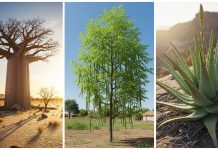
    Start by choosing native plants – the ones that naturally grow in your area. In Nigeria, these might include species such as aloe vera, moringa, bitter leaf (ewuro), or scent leaf (nchuanwu). If you live elsewhere, look up the native plants in your area.

    Why native plants?

    • They don’t need much water or care.
    • They attract local birds, butterflies, and bees.
    • They are better at handling local weather, even drought.

    Planting trees is especially powerful. Trees pull carbon dioxide (a main cause of climate change) from the air and store it. They also cool your surroundings and provide shade, which can reduce the need for fans and air conditioners.

    Use Compost – Don’t Waste Your Food

    Instead of throwing away kitchen scraps, turn them into compost. This includes things like:

    • Fruit peels
    • Vegetable leftovers
    • Eggshells
    • Yard leaves or cut grass

    Composting reduces waste that would otherwise decompose in landfills and release methane, a gas more harmful than carbon dioxide. Additionally, compost provides essential nutrients to your soil, enabling plants to grow strong without the need for chemical fertilizers.

     Avoid Harmful Chemicals

    Chemical fertilizers and pesticides harm the soil, kill useful insects, and pollute water. Instead, use natural alternatives like:

    • Compost or animal manure
    • Neem oil spray for pests
    • Interplanting (for example, planting basil near tomatoes to keep pests away)

    Let nature work with you, not against you.

    basil
    Basil

    Grow Your Food

    Growing your fruits, vegetables, and herbs reduces the need to buy food transported from faraway places, which means fewer trucks on the road and lower carbon emissions.

    Start small. Try:

    • Fluted pumpkin (“ugu” (in the Igbo language), “Eweroko” (in the Yoruba language))
    • Tomatoes
    • Pepper
    • Moringa
    • Scent leaf

    Not only are they easy to grow, but you’ll also enjoy fresh, healthy meals from your garden.

    Make Your Garden Wildlife-Friendly

    Create a mini home for birds, bees, and butterflies. These creatures help pollinate plants and keep your garden alive.

    • Add a small water bowl for birds.
    • Leave some wildflowers or grasses.
    • Avoid spraying chemicals that harm insects.

    You don’t need a big budget or ample space to start a climate-friendly garden. What matters is your intention and your action. By planting the right plants, composting, and reducing waste, your backyard can become a powerful tool in the fight against climate change.

  • Are There Wild Rabbits in Nigeria? The Truth About Hares, Rabbits, and a Common Misconception

    Are There Wild Rabbits in Nigeria? The Truth About Hares, Rabbits, and a Common Misconception

    A lively debate recently sparked online: Are there wild rabbits in Nigeria? The conversation quickly caught fire, especially after a renowned conservationist firmly claimed that Nigeria doesn’t have wild rabbits at all. Many Nigerians, especially those familiar with the countryside or rural areas, found this hard to believe. So, what’s the real story? Do wild rabbits roam our forests and savannas, or has there been a mix-up all along?

    Let’s investigate the facts and clear up a major case of mistaken identity.

    Rabbits vs. Hares: What’s the Difference?

    First, it’s important to understand that rabbits and hares are not the same, even though they both belong to the same animal family: Leporidae.

    Here’s a quick breakdown:

    • Rabbits are smaller, have shorter ears and legs, and live in burrows. They are social animals and can be domesticated easily.
    • Hares, on the other hand, are generally larger, faster, and more solitary. They make simple nests above ground (called forms) and are born fully furred with open eyes—ready to hop around almost immediately.

    So, if you’ve seen a long-legged, fast-running “rabbit” darting through the grasslands of Nigeria, there’s a strong chance it wasn’t a rabbit at all—it was a hare.

    So, Are There Any Hares in Nigeria?

    Yes. Nigeria is home to hares, specifically the African savanna hare (Lepus victoriae) and, possibly, the scrub hare (Lepus saxatilis) in certain regions.

    These hares aren’t commonly talked about in Nigeria’s mainstream wildlife discussions, but they are present in various habitats—especially in open grasslands, savannas, and woodland fringes. While they may not be as iconic as elephants or antelopes, they’re a part of Nigeria’s biodiversity.

    The scrub hare, in particular, is native to parts of Southern and Eastern Africa but has also been reported in Nigeria. It’s worth noting, however, that its presence here is somewhat limited compared to countries like South Africa or Namibia. Nonetheless, occasional sightings and local knowledge suggest that hares do exist in Nigeria, even if they’re not widespread or heavily studied.

    But What About Wild Rabbits?

    Now here’s the key clarification: There are no confirmed native wild rabbit species in Nigeria.

    The confusion likely stems from the similar appearance of hares and rabbits, especially for people who may not know the scientific distinctions. When people talk about seeing “wild rabbits” in the bush, they are most likely referring to hares.

    The Rise of Domestic Rabbit Farming

    While wild rabbits may not be native to Nigeria, domestic rabbits are increasingly common. In fact, rabbit farming has become a growing trend, especially among smallholder farmers and urban entrepreneurs.

    These domestic rabbits—imported breeds that are now widely reared across the country—are raised for:

    • Meat: A healthy, low-fat source of protein
    • Fur: Though not yet widespread, it has potential for local textile production
    • Pets: Many families keep rabbits as pets, particularly in urban settings

    What makes rabbit farming attractive is that rabbits require minimal space, reproduce quickly, and are relatively inexpensive to feed and manage. This makes them ideal for low-income households seeking extra income or protein for the family dinner table.

    Conservation and Sustainable Livelihoods

    Interestingly, the growth of rabbit farming is not just an economic opportunity—it has conservation benefits too.

    By promoting rabbit farming as an alternative to hunting bushmeat, communities can reduce pressure on Nigeria’s wild animal populations. Instead of hunting hares, antelope, or other endangered species, farmers can rely on rabbits for meat—creating a win-win for both conservation and rural development.

    A study in the Nigerian Journal of Animal Production highlighted how integrating rabbit farming into agricultural practices can support food security and reduce illegal wildlife trade, especially in areas where bushmeat is a major protein source.

    In Conclusion, No Wild Rabbits

    So, to settle the debate: Nigeria does not have native wild rabbits—but it does have wild hares.

    The African savanna hare and possibly the scrub hare are part of Nigeria’s landscape, even if they don’t get the spotlight. And while true rabbits may not hop around in the wild here, they are thriving in homes and farms across the country—feeding families, generating income, and offering an eco-friendly alternative to bushmeat.

    So the next time someone says, “I saw a wild rabbit in the bush,” smile and gently ask: Are you sure it wasn’t a hare?

  • Reflecting on 2024: ConservationsNG’s Journey Through the Year

    Reflecting on 2024: ConservationsNG’s Journey Through the Year

    As 2024 comes to a close, we at ConservationsNG want to take a moment to reflect on an incredible year of raising awareness, sharing knowledge, and advocating for conservation, wildlife, and a healthier planet. From wildlife stories to climate action, it’s been a lot of learning, exploring, and encouraging change. Let’s check out the highlights of what we’ve covered this year and why you should stick with us for even more in 2025.

    Celebrating Parks, Wildlife, and Ecotourism

    This year, parks and ecotourism took centre stage on ConservationsNG. We looked into how parks serve as safe havens for wildlife while offering unforgettable experiences for visitors. Articles like Kainji Lake National Park became readers’ favourites, showing just how much these natural treasures mean to our readers. We also went global with Top National Parks in the World, spotlighting stunning locations that remind us why we need to protect our planet.

    Wildlife Conservation and Fascinating Insights

    Wildlife was another big focus. We wrote about the Nigerian government stepping up its efforts to protect wildlife, which was an inspiring development. On a more sobering note, we covered challenges like the mass beaching of 130 whales in Western Australia and the tragic story of a hippopotamus fatally attacking a guard in Kebbi. These events reminded us of the delicate balance between humans and wildlife, leading to articles like Understanding Wildlife Behavior and Human-Wildlife Conflict.

    We also tackled interesting myths and misconceptions. One standout piece was Are Snakes Poisonous or Venomous?, where we explained the difference between the two: “If it bites you and you die, it’s venomous. If you bite it and you die, it’s poisonous.” It was a fun yet informative way to help readers understand these often misunderstood creatures.

    Diving Into Plant Life and Permaculture

    Plants got their fair share of the spotlight too! We answered the thought-provoking question Do Plants Feel Pain? by explaining that plants don’t have pain receptors, even though that doesn’t give us an excuse to harm them recklessly. We also focused on permaculture, highlighting its role in sustainable farming and environmental restoration.

    Standing Against Plastic Pollution

    On Earth Day, we joined the global fight against plastic pollution with Planet vs. Plastics: Earth Day 2024’s Urgent Call to Action. This article showed the immense threat plastics pose to our planet and how small changes in our daily habits can make a big difference.

    A Love Letter to Forests

    One of our favourite features this year was 10 of the Largest Forests in the World. We discovered the vast beauty of forests like the Amazon and Taiga, sharing their vital role in balancing our ecosystems. Forests aren’t just beautiful—they’re essential for life on Earth.

    Climate Action and Global Conversations

    Towards the end of the year, COP29 took the stage, and we jumped in with our coverage, COP29: A Crucial Step Toward Climate Action and Financial Reform. This global gathering set the tone for urgent climate action and inspired us to write even more about how we can all contribute. Articles like Simple Habits for a Greener 2025 gained quick attention, showing that our readers are eager to make positive changes.

    Observing Conservation Holidays

    From International Day for the Preservation of the Ozone Layer to Earth Day, we observed key moments that remind us why conservation is so important. These events helped us reflect on how far we’ve come and how much more we need to do.

    Looking Ahead to 2025

    As we look forward to 2025, we’re excited to keep exploring the fascinating world of conservation. Whether it’s uncovering hidden wildlife stories, diving deeper into climate solutions, or spotlighting breathtaking parks and forests, we’ll be here to inspire, educate, and advocate for a healthier planet.

    We couldn’t do this without you, our amazing readers. Your comments, shares, and support keep us motivated to continue this vital work. So here’s a big thank you from all of us at ConservationsNG.

    Let’s make 2025 even better! Stay tuned for more articles, tips, and stories that celebrate our planet and the incredible life it supports. Together, we can create a brighter, greener future.

    Until next year, keep exploring, keep learning, and keep caring for our world. See you in 2025! 🌍

  • The Cost of the Hottest Year in History: Climate Disasters of 2024

    The Cost of the Hottest Year in History: Climate Disasters of 2024

    As we bid farewell to 2024, it’s impossible to ignore the unprecedented toll that climate change has taken on our world. This year marked the hottest in recorded history, with record-breaking temperatures in both the atmosphere and oceans fueling extreme weather events across the globe. According to World Weather Attribution (WWA), nearly every disaster analysed in 2024 was exacerbated by climate change. Climate scientist Friederike Otto put it briefly: “The impacts of fossil fuel warming have never been clearer or more devastating than in 2024. We are living in a dangerous new era.”

    Heat Waves

    Extreme heat claimed thousands of lives in 2024, from the 1,300 fatalities during the Muslim hajj pilgrimage in Saudi Arabia—where temperatures soared to 51.8°C (125°F)—to deadly heatwaves in Thailand, India, and the United States. In Mexico, conditions were so severe that howler monkeys fell dead from trees, while Pakistan shut down schools as temperatures exceeded 50°C. Greece experienced its earliest heatwave, which closed its iconic Acropolis and caused devastating wildfires. Europe as a whole endured its hottest summer on record.

    Floods

    Warmer oceans, driven by climate change, have led to higher evaporation rates and increased atmospheric moisture, resulting in heavier rainfall and catastrophic flooding worldwide. The United Arab Emirates saw two years’ worth of rain in a single day in April, turning parts of the desert into a temporary sea. Kenya suffered back-to-back disasters, shifting from a historic drought to the worst floods in decades. West and Central Africa experienced catastrophic flooding that killed over 1,500 people and left four million in need of aid.

    Europe, too, faced its share of devastation, particularly in Spain’s Valencia region, where the October floods claimed more than 200 lives. In Nigeria, persistent rains triggered widespread flooding across 31 states, causing hundreds of deaths, injuring thousands, and displacing over 1.2 million people. The collapse of the Alau Dam in Borno State alone killed 150 people and displaced 419,000.

    Cyclones

    Warmer ocean surfaces provided additional energy for tropical cyclones in 2024, intensifying their destructive power. The Atlantic hurricane season brought major hurricanes, including Milton, Beryl, and Helene, which wreaked havoc across the United States and the Caribbean. In Southeast Asia, the Philippines endured six major storms in November, compounding the destruction left by Typhoon Yagi just months earlier. In December, Cyclone Chino—fueled by climate change—slammed into Mayotte, devastating one of France’s poorest overseas territories.

    Droughts and Wildfires

    While some regions faced torrential rains, others suffered from crippling droughts. Severe drought-parched much of the Americas, with wildfires torching millions of hectares in the western United States, Canada, and the Amazon basin. By September, over 400,000 fires had been recorded across South America, enveloping the continent in smoke. Meanwhile, according to the World Food Programme, southern Africa’s months-long drought left 26 million people at risk of hunger.

    The Economic and Human Toll

    The human cost of these disasters is immeasurable, but the economic cost highlights the massive scale of the destruction. Swiss Re, a Zurich-based reinsurance giant, estimated global damages at $310 billion as of December. In the United States alone, 24 weather disasters each caused over $1 billion in damages by November. Flooding in Valencia and hurricanes like Helene and Milton were among the most costly events, while Brazil’s drought inflicted $2.7 billion in agricultural losses. Even global wine production fell to its lowest level since 1961 due to “climatic challenges.”

    Nigeria

    Nigeria demonstrated the varied effects of climate change in 2024. Heavy rainfall—worsened by global warming—triggered catastrophic flooding that affected 31 states. Poor drainage systems, rising sea levels, and silt buildup in rivers compounded the crisis, causing hundreds of deaths and massive displacement. In Lagos, floods destroyed buildings and disrupted education, while Borno State’s dam collapse submerged communities and displaced nearly half a million people. Nigeria’s experience shows how human and natural factors combine to worsen climate change impacts.

    A Call to Action

    The disasters of 2024 are a stark reminder of the urgent need for global action to combat climate change. As we reflect on this year of extremes, let us commit to adopting greener habits for a more sustainable future. From reducing fossil fuel dependence to investing in resilient infrastructure, every step counts in mitigating the impacts of our warming world. For actionable tips on how to make a difference, check out our previous article on simple habits for a greener 2025.

    Together, we can work towards a future where such devastating climate disasters become a thing of the past.

  • 742 New Species Discovered in the Congo Basin

    742 New Species Discovered in the Congo Basin

    In the heart of Africa lies the Congo Basin, one of the most ecologically vibrant regions on the planet. Over the past decade, in this rainforest, stretching across six countries, 742 new species of plants and animals have been discovered. This announcement, detailed in the World Wildlife Fund’s (WWF) report New Life in the Congo Basin: A Decade of Species Discoveries (2013–2023), is both a celebration of nature’s abundance and a wake-up call to humanity.

    These discoveries include 430 plants, 140 invertebrates, 96 fish, 22 amphibians, 42 reptiles, 2 birds, and 10 mammals. Each species adds to our understanding of biodiversity. Highlights include the ‘lesula’ monkey, a striking venomous bush viper, delicate orchids, and the intriguingly named dragonfly Umma gumma. Indigenous knowledge played a key role in these discoveries, emphasising the depth of ecological understanding held by local communities.

    Lesula monkey (Cercopithecus lomamiensis)
    Lesula monkey (Cercopithecus lomamiensis) – This Image is courtesy of wikpedia.org

    These findings are monumentally significant. First, they reaffirm the Congo Basin’s status as one of the world’s greatest biodiversity hotspots. This region alone harbours about 10,000 tropical plant species, with roughly 30% found nowhere else on Earth. Beyond its scientific importance, this biodiversity supports over 75 million people who depend on its resources for food, shelter, and cultural identity.

    The Congo Basin’s role extends far beyond its regional significance. As a critical carbon sink, it helps mitigate climate change and supports global weather patterns, heightening the urgent need to protect it. However, the region faces serious threats: deforestation driven by agriculture and logging, poaching of iconic species like forest elephants, and habitat loss accelerated by climate change. Mining activities and human-wildlife conflicts compound these challenges, putting immense pressure on its ecosystems.

    Deforestation
    An industrial logging operation in the Congo Basin – This Image is courtesy of wikpedia.org

    Preserving the Congo Basin is not just about protecting a unique ecological treasure; it is about securing a lifeline for local communities and ensuring global ecological stability. The WWF’s report calls for immediate action, advocating collaboration among governments, conservationists, and local communities. Recognizing indigenous knowledge and fostering sustainable land-use practices are crucial to safeguarding this irreplaceable natural heritage.

    While the discovery of 742 species offers hope, it also reminds us of the fragility of these ecosystems. Protecting the Congo Basin is a collective responsibility—one that makes sure that life continues to thrive for generations to come.

  • Deforestation Threatens Oluwa Forest Reserve: Need for Urgent Action

    Deforestation Threatens Oluwa Forest Reserve: Need for Urgent Action

    The Oluwa Forest Reserve in Ondo State, Nigeria, established in 1918, is facing unprecedented challenges from deforestation, which threatens its rich biodiversity and ecological importance. Once a critical habitat for endangered species like the Nigeria-Cameroon chimpanzee and red-capped mangabeys, the reserve lost approximately 18% of its primary forest between 2002 and 2023, with recent satellite data showing an alarming rise in forest clearing and fires in 2024.  

    A combination of smallholder farming and industrial plantations drives the forest’s decline. Rising unemployment and poverty have pushed many young people and skilled artisans to the reserve, seeking opportunities in agriculture. Fertile land and a favourable climate make it attractive, leading to the widespread conversion of forested areas into farmland. Meanwhile, industrial activities, particularly large-scale plantations for palm oil and cocoa, have intensified forest loss.  

    Human activities, including slash-and-burn farming, have also triggered frequent fires in the forest. In 2024, the reserve experienced the highest number of fires since monitoring began in 2012, intensifying the already dire situation.  

    Efforts to reclaim the reserve have faced resistance from local communities who rely heavily on the forest for their livelihoods. In 2022, around 10,000 farmers protested government eviction attempts, arguing that their agricultural activities are essential for survival. The evictions were halted by a court injunction, emphasizing the tension between conservation efforts and the socioeconomic realities of the region.  

    The ongoing deforestation poses severe risks to biodiversity, with conservationists warning that species like the Nigeria-Cameroon chimpanzee could face local extinction due to habitat loss and increased hunting. Additionally, the degradation threatens essential ecosystem services such as carbon sequestration and water regulation, which are vital for climate resilience and local communities.  

    Despite monitoring efforts and conservation initiatives, weak enforcement has allowed forest clearing to continue unchecked. Experts emphasise the urgent need for solutions that balance local economic needs with sustainable land management. Community involvement will be crucial to developing effective strategies that protect the reserve while addressing the socioeconomic challenges faced by its inhabitants.  

    The Oluwa Forest Reserve is at a critical crossroads. Without immediate and decisive action from local authorities, conservation organisations, and the global community, this invaluable ecosystem may face irreversible damage, destroying the unique species and resources it sustains.

  • COP29: A Crucial Step Toward Climate Action and Financial Reform

    COP29: A Crucial Step Toward Climate Action and Financial Reform

    As the 29th Conference of the Parties (COP29) to the United Nations Framework Convention on Climate Change (UNFCCC) convenes in Baku, Azerbaijan, world leaders and environmental advocates gather to address critical climate issues. Running from November 11 to November 22, 2024, at the Baku Stadium, this year’s COP comes at a time of heightened urgency, with recent extreme weather events emphasizing the stakes. With representatives from nearly 200 nations in attendance, COP29 aims to solidify a new approach to climate financing, while addressing national commitments, adaptation strategies, and support for vulnerable communities.

    Key Issues at COP29

    • Climate Finance and the New Collective Quantified Goal (NCQG): One of the foremost goals is setting a new financial target to replace the outdated $100 billion annual commitment, which has proven inadequate given the escalating impacts of climate change on developing nations. Negotiators will discuss innovative financial mechanisms to see that predictable, accessible funds reach the most affected communities. This commitment is particularly serious for developing nations seeking support as they endure the increasing costs of adaptation and recovery.


    • Strengthening Nationally Determined Contributions (NDCs): Countries are expected to update their Nationally Determined Contributions (NDCs)—plans to reduce greenhouse gas emissions. The deadline for these updates follows COP29 closely, and the summit is seen as a prime moment to inspire stronger, science-backed commitments to keep global warming below 1.5°C.


    • Operationalizing the Loss and Damage Fund: Building on COP28’s establishment of the Loss and Damage Fund, COP29 seeks to finalize this fund’s framework and secure additional financial pledges. The fund is critical for nations facing irreversible climate impacts, such as sea-level rise and extreme weather, which disproportionately harm those least responsible for climate change.


    • Accountability for Prior Commitments: A key priority for COP29 is making sure that countries hold themselves accountable for commitments from previous summits, especially regarding fossil fuel reduction, renewable energy expansion, and adaptation initiatives. By addressing gaps in previous pledges, the conference hopes to prompt meaningful progress on sustainability, food security, and resilience-building efforts.


    • Broadening the Scope of Climate Solutions: Beyond financial and emission commitments, discussions will tackle carbon market regulations, food security, and equitable climate transitions. This broad agenda focuses on the need for extensive solutions that prioritize equity for marginalized communities that bear the brunt of climate impacts.

    Setting the Stage for Future Climate Policy

    The outcomes of COP29 could shape global climate policy for years to come. With an intensified focus on finance and international cooperation, this summit emphasizes the pressing need for robust action to combat climate change. For conservation advocates, COP29’s themes provide an essential framework for global efforts, from innovative finance solutions to bolstering resilience in vulnerable nations.

  • Celebrating Nature and Eco-Friendly Transportation: An Overview of World Migratory Bird Day, and Ride to Work Day

    Celebrating Nature and Eco-Friendly Transportation: An Overview of World Migratory Bird Day, and Ride to Work Day

    October is a month to reconnect with nature. This year, we embraced two meaningful celebrations: World Migratory Bird Day, and Ride to Work Day. Each event highlights different aspects of our relationship with the environment, reminding us of our impact on the world. Let’s find out why these celebrations are important and how they encourage us to protect our planet and ourselves.

    World Migratory Bird Day (October 12): Protect Insects, Protect Birds

    Every year in May and October, we celebrate World Migratory Bird Day, which shines a light on the challenges that migratory birds face during their incredible journeys. These tiny adventurers travel hundreds, even thousands, of miles each year. Some soar at altitudes as high as 30,000 feet, a record achieved by the bar-headed goose. Along their travels, migratory birds must steer against fluctuating weather, habitat loss, and various other threats.

    Bar-headed goose: a record 30,000-foot flyer
    Bar-headed goose: a record 30,000-foot flyer. Image courtesy of wikipedia.org

    This year’s theme, “Protect Insects, Protect Birds,” highlights the crucial role that insects play in the lives of these birds. Insects are vital energy sources, especially during breeding seasons and long migrations, directly impacting the timing and success of their journeys. A decline in insect populations can weaken birds’ immune systems, leading to higher mortality rates.

    Unfortunately, insect populations are declining due to factors such as intensive agriculture, urban development, light pollution, and the use of pesticides. By addressing these issues, we can help support both insect and migratory bird health.

    The migration of these birds exemplifies the beauty of endurance and adaptability—traits essential to all life on our planet. However, they depend on safe ecosystems for food, rest, and shelter along their routes. Supporting World Migratory Bird Day means advocating for conservation efforts that protect these vital ecosystems and their inhabitants.

    In 2024, World Migratory Bird Day was observed on May 11 and October 12, with art playing a significant role in the day’s activities. 

    National Ride to Work Day (October 18): Pedaling Towards a Healthier Planet

    What better way to show appreciation for the environment than by swapping four wheels for two? National Ride to Work Day, celebrated in Australia and beyond, encourages commuters to leave their cars at home and cycle to work instead. This movement, which began in 1994, has inspired over 60,000 participants in recent years to get outside, stay active, and reduce their carbon footprint.

    Riding a bike instead of driving has numerous environmental benefits, including lower greenhouse gas emissions and reduced air pollution in our cities. It’s also a healthier choice, helping to reduce stress and improve physical fitness. Beyond individual benefits, more cyclists on the road mean less traffic congestion and cleaner air—a win for everyone. National Ride to Work Day reminds us that our daily choices, even how we commute, can have a significant impact on our planet.

    Conclusion

    These October celebrations invite us to think about how we share our world with other species and the role each of us can play in creating a healthier, more vibrant planet. Observing World Migratory Bird Day helps protect our natural heritage while participating in National Ride to Work Day reduces our environmental footprint. So whether you’re counting birds, marvelling at migratory flocks, or pedalling to work, remember: that small actions add up, making a big difference in our collective journey toward conservation.

  • World Food Day 2024: Right to Foods for a Sustainable Future

    World Food Day 2024: Right to Foods for a Sustainable Future

    World Food Day, observed annually on October 16, is a global event aimed at combating hunger. First established in 1979 by the Food and Agriculture Organization (FAO) of the United Nations, this day coincides with the FAO’s founding and serves to highlight its mission. Each year, various events are organized to raise awareness about the importance of food security worldwide. The theme for World Food Day 2024 focuses on the right to food as essential for a better life and future. It emphasizes the need for diverse, healthy, and safe food options accessible to everyone.

    The Significance of World Food Day

    Food is more than just a basic need; it’s a vital part of our humanity. This year, the FAO emphasizes that everyone should have access to a diverse range of nutritious foods that are both affordable and readily available. Despite the fact that the world produces enough food to feed everyone, around 10% of people still experience hunger. This stark inequality highlights the urgent need to change how we grow and distribute food.

    World Food Day serves as a powerful reminder that achieving food security relies on sustainable agricultural practices. By adopting these methods, we can protect our ecosystems, reduce greenhouse gas emissions, and promote biodiversity—all while ensuring that everyone has access to a healthy diet.

    How You Can Make a Difference

    On World Food Day, there are plenty of meaningful ways for individuals and communities to make a difference:

    1. Learn More: Start by educating yourself about the global food system, food insecurity, and sustainable farming practices. The more you know, the better equipped you’ll be to advocate for change.
    2. Support Local Farmers: Whenever possible, buy food from local farmers who prioritize sustainability. This not only helps lower your carbon footprint but also strengthens the community by supporting small-scale producers who care about eco-friendly practices.
    3. Cut Down on Food Waste: Be conscious of how much food you buy and use. Planning your meals, composting, and getting creative with leftovers can help you reduce waste at home and in your community.
    4. Speak Up: Get involved in conversations about food policies. Support initiatives that focus on reducing food waste, improving access to food, and encouraging sustainable farming practices at both local and national levels.
    5. Get Involved: Consider volunteering with local food banks or organizations that tackle food insecurity. Donating non-perishable items or offering your time can make a real difference in people’s lives.

    The Journey Forward

    World Food Day has been celebrated in over 150 countries since it was established, making it one of the most important days on the United Nations calendar. This highlights the reality that food insecurity is a global challenge, and each of us has a role to play in combating hunger and promoting sustainable food systems.

    This World Food Day, let’s take action to make sure everyone has access to a variety of healthy and nutritious foods. Together, we can work toward a world where food is recognized as a right and healthy living is attainable for all. Get involved, raise your voice, and support efforts to create a more sustainable planet.

  • World Animal Day 2024: Celebrating the Creatures We Share Our World With

    World Animal Day 2024: Celebrating the Creatures We Share Our World With

    October 4th is observed worldwide as World Animal Day, a day dedicated to raising awareness about the suffering of animals. This year’s theme, “The world is their home too!” aims to celebrate animals—whether pets, wildlife, or those raised for food and commercial purposes—as fellow inhabitants of our planet, deserving of our compassion and consideration as valued creatures. From ants and bees to the fierce beasts in jungles, savannahs, and forests, all play vital roles in maintaining ecosystems and, by extension, our lives.

    World Animal Day, first observed in 1925, continues to be an annual global campaign that rallies individuals and organizations around the world to advocate for better treatment of animals. This observance traces its roots to the feast of St. Francis of Assisi, the patron saint of animals, whose legacy promotes the protection of animals. Today, his message of compassion and love for all living creatures inspires many to learn about the rights and dignity of animals.

    This event emphasizes recognizing animals as unique individuals with feelings, thoughts, and a desire to be left alone, protected from those who exploit them in cages, laboratories, and restaurants. World Animal Day aims to promote this fact by encouraging the community to raise awareness on issues such as endangered species protection, ecosystem conservation, and combating cruelty, abuse, and neglect toward animals. People are encouraged to participate in these activities, while organizations and governments are called upon to enact stronger animal protection laws.

    As the world celebrates World Animal Day 2024, we are reminded that our planet is home to a rich diversity of animals. By practising love and dignity toward all living beings, we work toward creating a new global order that respects both humans and animals.