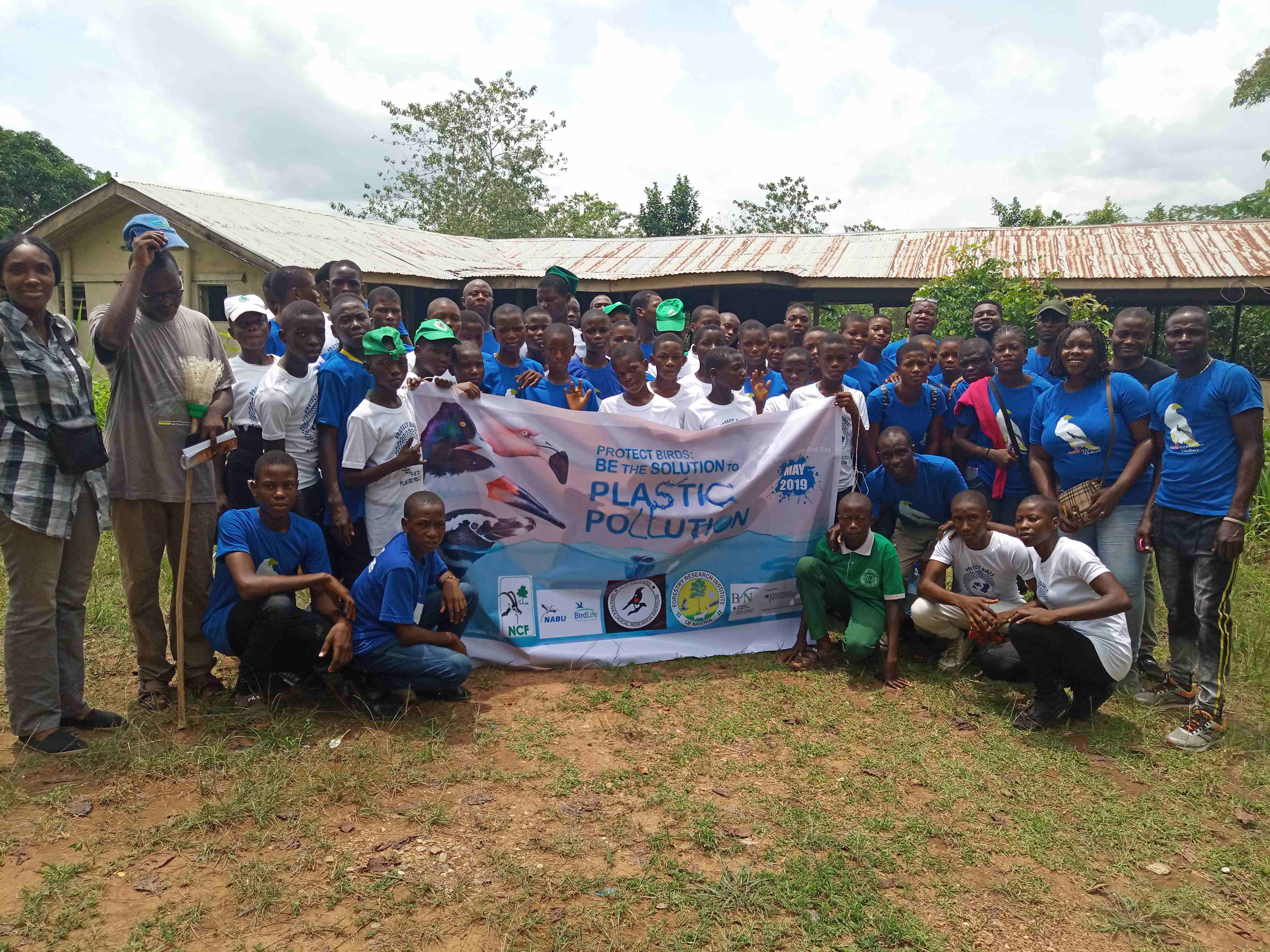
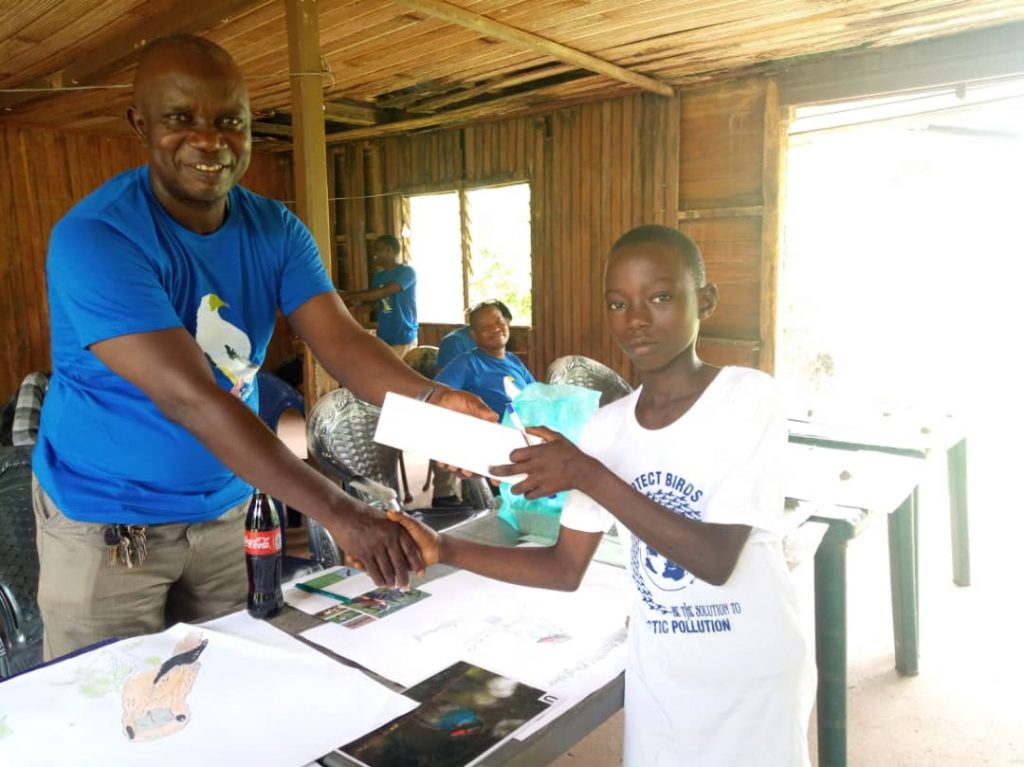
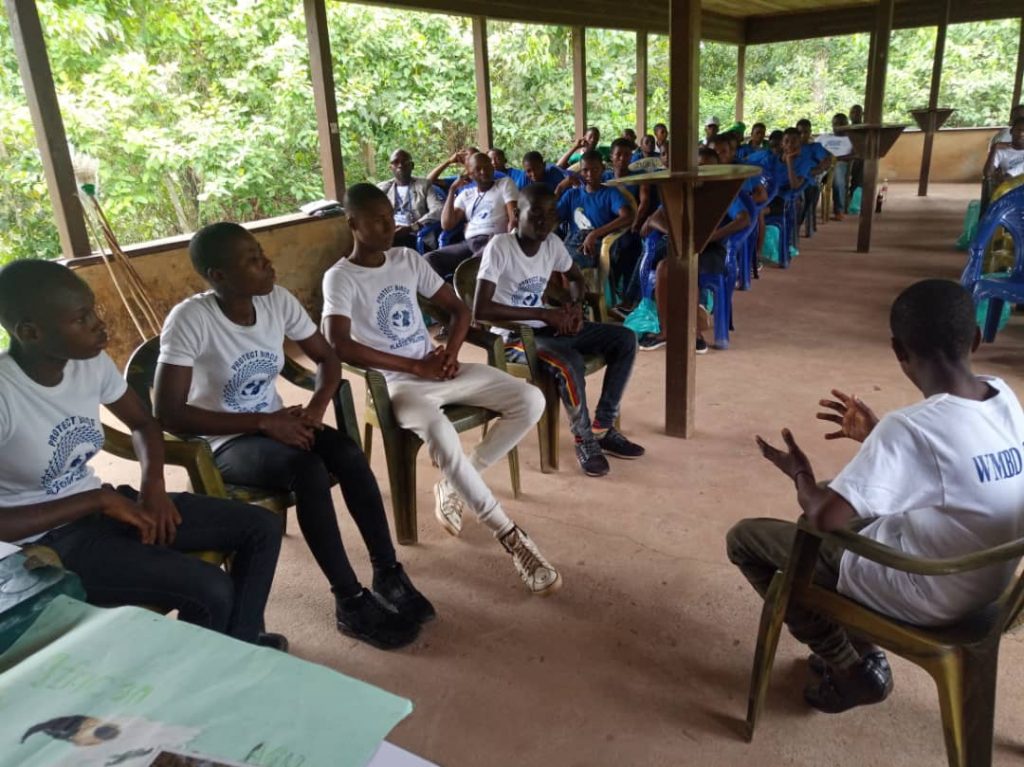
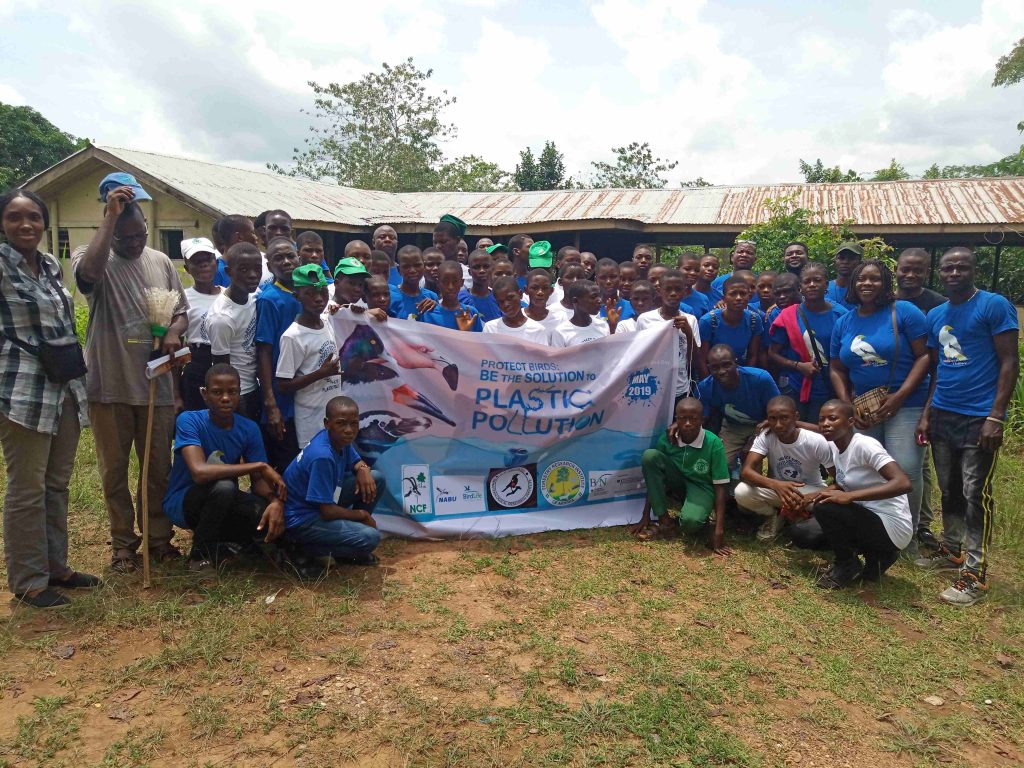
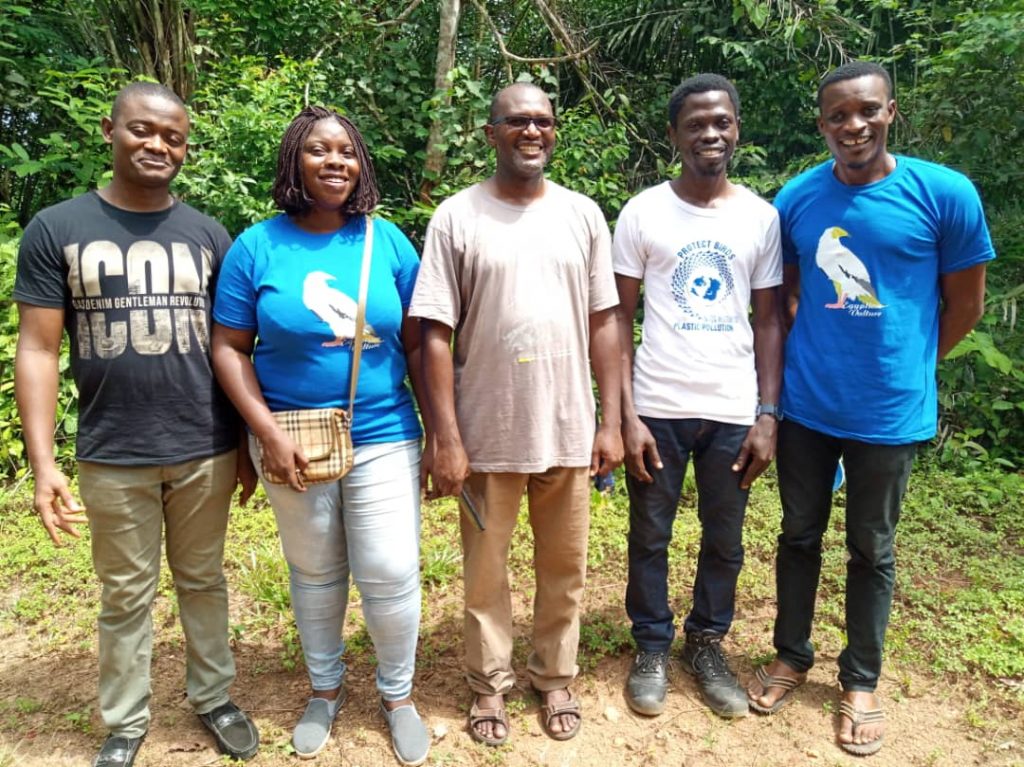
Birds need to be protected because they are vital to life on earth. Protecting birds is not only by preventing hunting and trafficking but also by guarding against the destruction of their habitats. These and many more are some of the points made by members of the Conservation Club of Omo on Wednesday.
The club which comprises of students, teachers, forest rangers and researchers commemorated the event with a multi-session event which hammers on responsible use and disposal of plastics. The worldwide event is themed “Protect Birds: Be the Solution to Plastic Pollution!”
The event was setup in conjunction with Forest Elephant Initiative and Birdlife International.
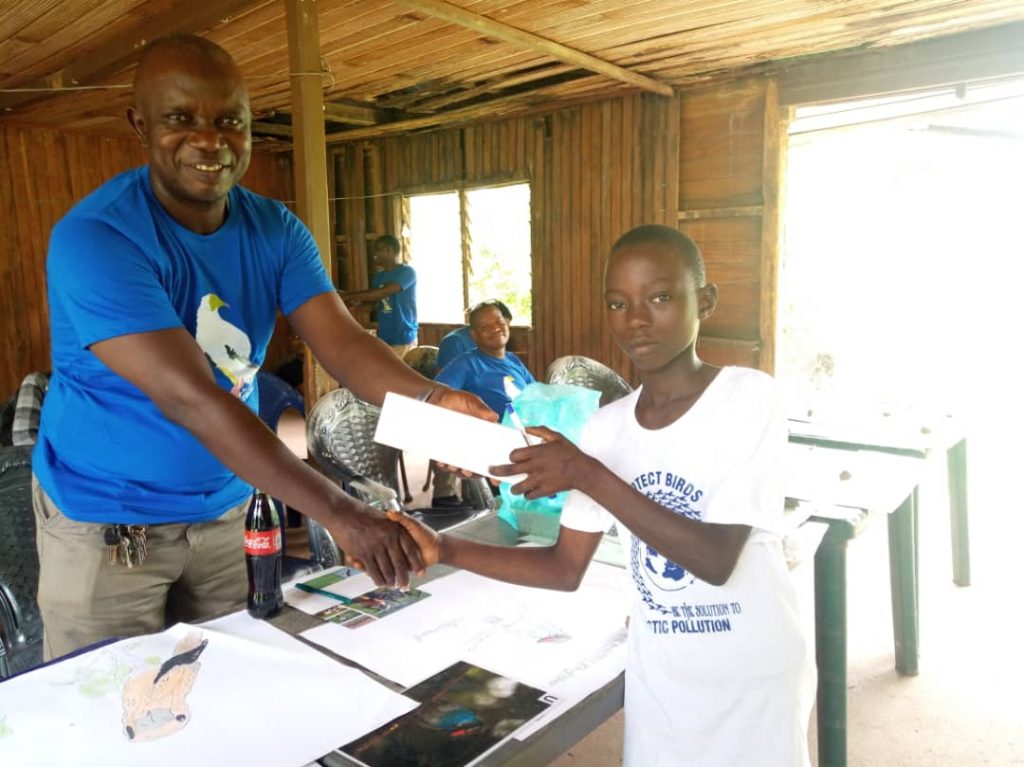
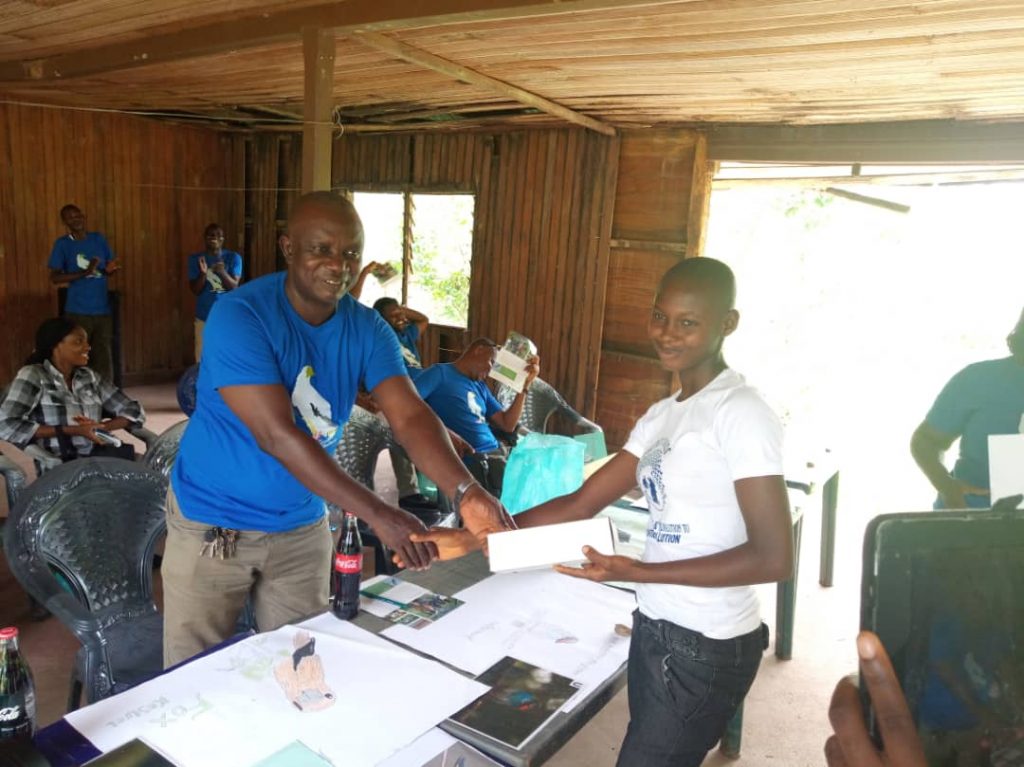
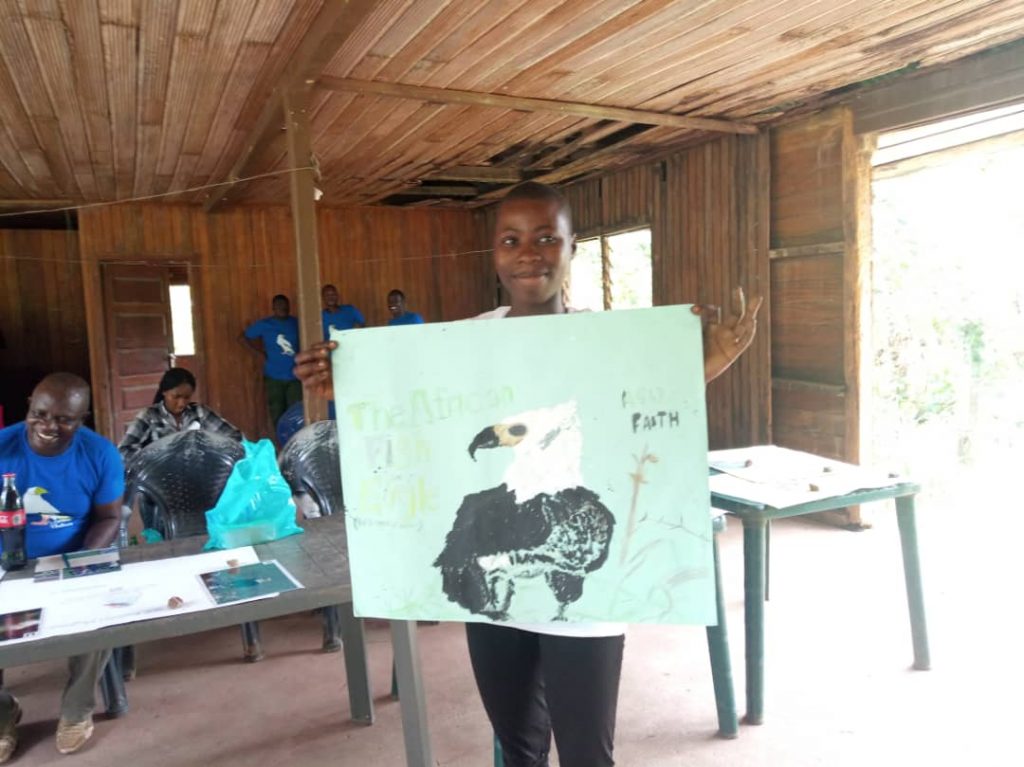
Students were awarded with prizes for a drawing contest that was carried out as a build up to the event. A Conservation TV event which featured pupils from the Conservation Club discussing solutions to the plastic crises was one of the high points of the event. Participants in the event advised the general public to follow the 3Rs – reduce, reuse and recycle of plastic to prevent plastic pollution. Other events were bird watching, poems, songs and community sensitization.
world Migratory Bird Day 2019 at Omo wildlife reserve
world Migratory Bird Day 2019 at Omo wildlife reserve
world Migratory Bird Day 2019 at Omo wildlife reserve
world Migratory Bird Day 2019 at Omo wildlife reserve
world Migratory Bird Day 2019 at Omo wildlife reserve
world Migratory Bird Day 2019 at Omo wildlife reserve
world Migratory Bird Day 2019 at Omo wildlife reserve
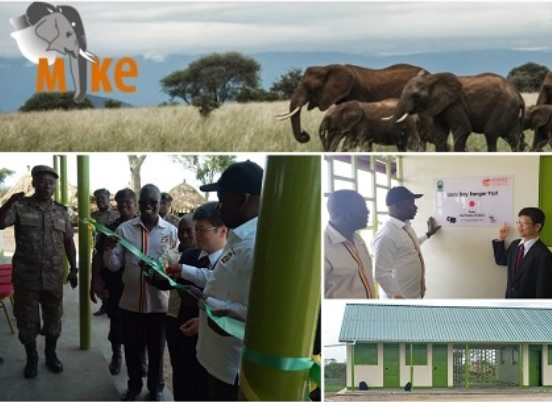
The government of Japan has built and handed over to Uganda a Strategic Anti-Poaching Outpost for Elephants. The anti-poaching facility was completed and handed over to Uganda in April at the Queen Elizabeth National Park in Uganda. The project was in line with the Convention on International Trade in Endangered Species of Wild Fauna and Flora (CITES).
The Deputy Head of Mission, Embassy of Japan in Uganda, Mr. Mizumoto Horii launched the Lions Bay ranger post.
The new outpost is part of Uganda Wildlife Authority (UWA)’s larger Recovery of Queen Elizabeth National Park programme and provide a base for field rangers conducting operations in important wildlife and tourism sector, and will significantly strengthen UWA’s capacity to address current and emerging threats impacting this important site of the CITES Monitoring the Illegal Killing of Elephants (MIKE) Programme. The project was led on-the-ground on behalf of CITES by the Uganda Conservation Foundation in close collaboration with UWA.
Two new eight-man ranger posts were handed over to the Uganda Wildlife Authority (UWA) on Friday 12th April 2019.
Queen Elizabeth National Park provides protection for 95 species of mammal, including buffaloes, hippopotami, crocodiles, elephants, leopards, lions and chimpanzees, and over 620 species of birds. The park forms part of an extensive transboundary ecosystem that covers forest reserves and the adjacent Virunga National Park World Heritage Site, in the Democratic Republic of Congo.
The elephant population in the Queen Elizabeth National Park was recently reported by UWA as young and healthy, numbering over 3000 individuals, which is by far the largest elephant population in Uganda but still below levels, the park can sustain. The elephant population has been increasing steadily over the last twenty years, since being reduced by poaching to below 400 elephants in 1988.
“The illegal wildlife trade is an urgent global issue. Japan is deeply committed to the cause of protecting elephants and their natural habitat. Japan places great importance on supporting elephant range states in the fight against elephant poaching,” said Deputy Head of Mission, Embassy of Japan in Uganda, Mr. Mizumoto Horii.
He added that, “Japan continues to make great efforts in implementing the trade control of ivory under CITES and working together with our partners to tackle the problem of elephant poaching and the illegal elephant trade.”
The Honourable Minister Godfrey Kiwanda highlighted that “Having a well-built, dry and clean facility, with clean water, solar power lighting and an ablution block, makes rangers feel respected and motivated.”
“The recovery of wildlife and tourism in Queen Elizabeth National Park depends on the motivation of our frontline staff and tangible support such as this. This support also provides a solid foundation for growing tourism in Uganda which is already recognised as the countries strongest contributor to the regional and national regional economy,” said Uganda Wildlife Authority, Executive Director, Sam Mwandha.
“The funding provided by the Government of Japan for the development of essential infrastructure needed to support management operations is invaluable. The investment and attention given to the area has had a significant impact on the overall morale of the staff based in the Lions Bay and Katore Sectors and enhanced their capacity to effectively protect the area,” added Thea Carroll, CITES-MIKE Programme Coordinator.
The Government of Japan contributed 55,000 US$ to CITES’s Monitoring the Illegal Killing of Elephants (MIKE) Programme.
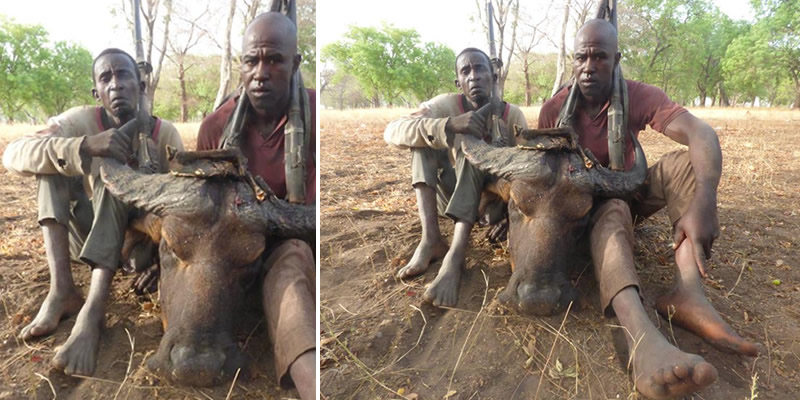
Two yet to be named men were on Tuesday apprehended at the Yankari Game Reserve in Bauchi State for killing a buffalo.
The suspects said to be from Mai Ari area in the state were caught by rangers at the game reserve with the buffalo’s head.
It is expected that the suspects will be charged to court.
Yankari National Park is a large wildlife park located in the south-central part of Bauchi State, in northeastern Nigeria. It covers an area of about 2,244 square kilometres and is home to several natural warm water springs, as well as a wide variety of flora and fauna. Hunting is strongly prohibited within the reserve.