Home Blog Page 18

Tree planting day: Rotary Club plants trees in schools

0

The Rotary Club of Idimu High-Rise (provisional) District 9110 Nigeria planted trees in two elementary schools in Lagos to support basic education in the state.

In each of the schools – Government Primary School, and Oreofe Primary School in Ikotun-Egbe area – half a dozen infant species of giant trees – Almond, Step, and Masquerade – were planted on dug and fertilised holes, as a means of reinforcement to the erosion-threatened citadels of learning.

Read also: Group plants 12,000 trees in Jigawa

The Supervising Officer and Chairman, Planet Earth Committee, Jelili Efedi, expressed that the club was consistent with the renewed global efforts targeted at stemming the catastrophic tides of climate change.

He added that the tree planting was its efforts in line with International Tree Planting Day 2020 and its slogan ‘Supporting the Environment’. “Rotary Clubs across the world are expected to plant trees, gardens, beautify parks creatively, manage wastes, and support the coastal regions among others”.

Efedi said: “For the public, because of the emergency of climate change, Rotary International has recently expanded its Areas of focus to accommodate what is now called ‘Supporting the Environment’ in a bid to support the environment.”

Read also: Environmentalists urge Nigerian government to act with purpose

Speaking also, the Charter President of the club, Bankole Adeshina, said the decision to plant trees inside the premises of the schools, was consistent with his administration’s determination to support basic education however possible.

He further implored well-meaning Nigerians to, as a matter of priority, embrace tree planting, effective management of domestic wastes, and routine environmental sanitations as their indispensable contributions to global development.

According to Adeshina, the challenge of flooding became too conspicuous to be ignored. “The three days back-to-back downpour in Lagos recently rendered many poor residents homeless, and destroyed many other means of livelihood, especially when the rain has not climaxed yet”.

“The same can be said of the extremely blazing sun and the highly polluted air and environment.

As a result, the president said, “We have an emergency on our hands. But we should not wait for every July 14, the International Tree Planting Day, to contribute our quotas.”

For the club, the little they could do is plant trees more often, clean the environment, and find a more creative way to manage wastes. “This is for the good of all of us, for a healthy environment breads healthy inhabitants”.

While lauding the efforts of the club, the Chairman, Egbe-Idimu Local Community Development Area, Kunle Sanyaolu, said giving its selfless contributions over the years, Rotary had proven to be a dependable ally in global affairs.

“We are happy and grateful for this gesture, especially the choice of this school, for I know that when the trees survive, they will not only beautify the environment, but facilitate learning assimilation too,” he expressed.
Rare photos of Cross River gorillas inspire hope

0

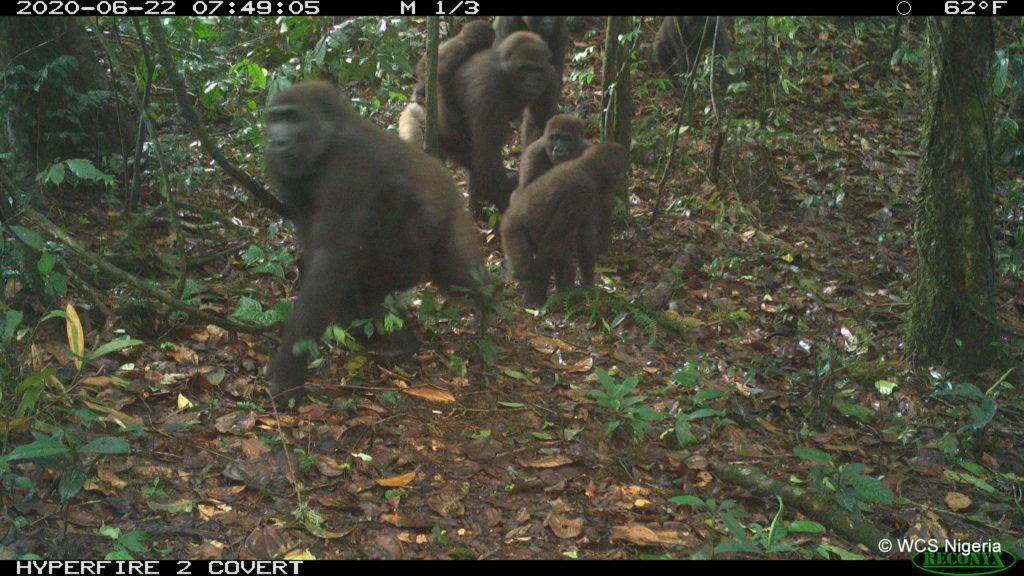
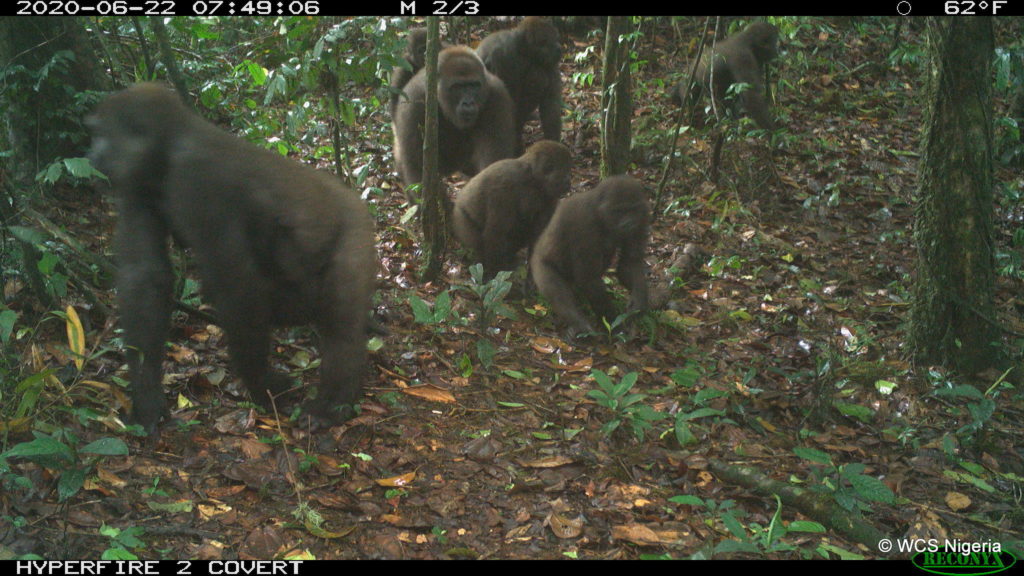
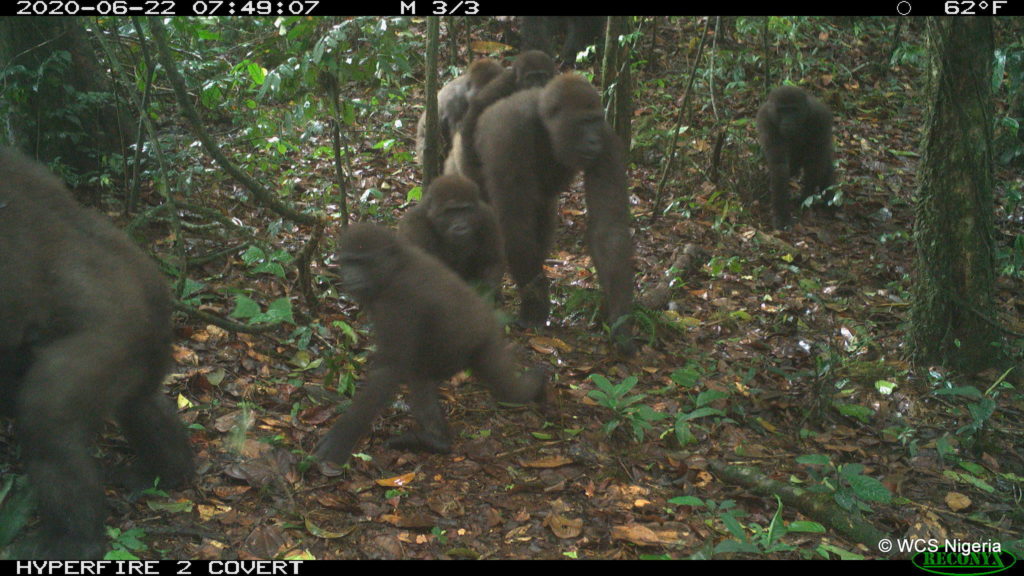
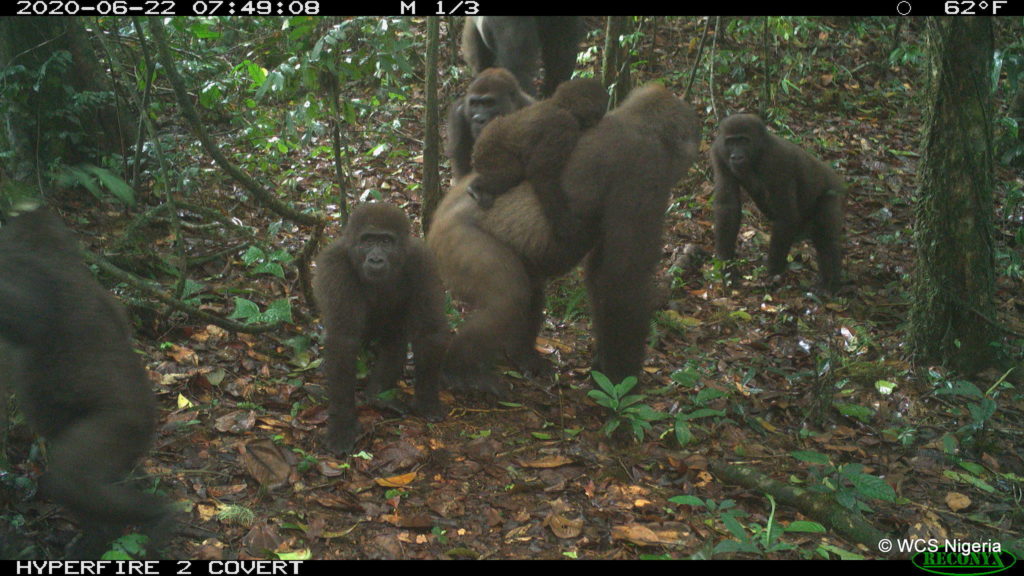
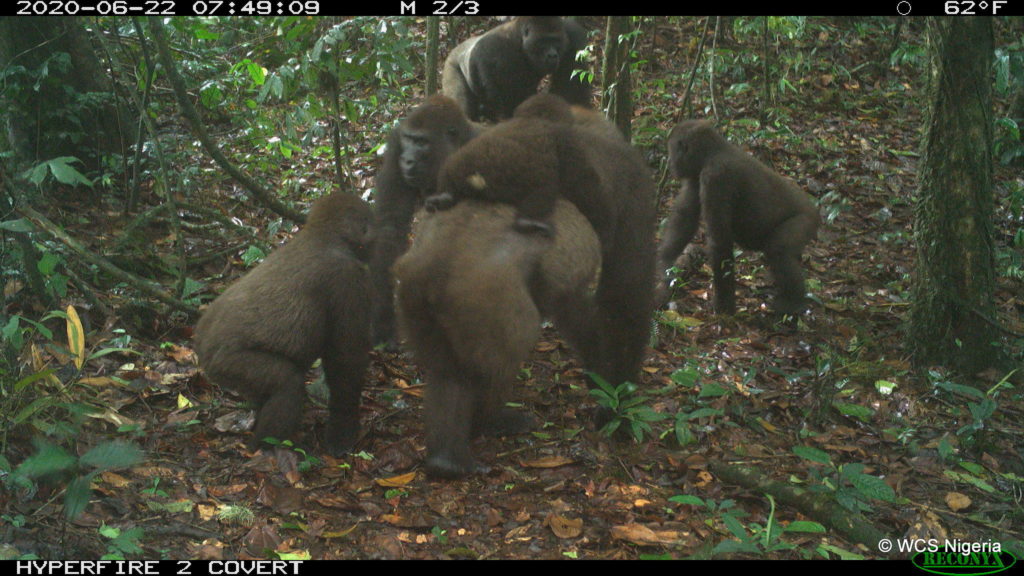
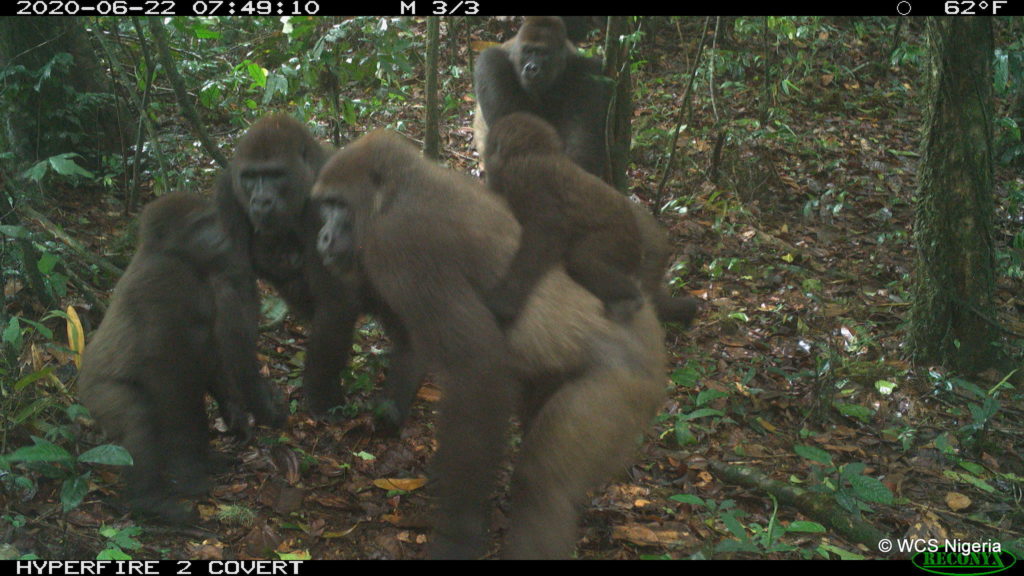
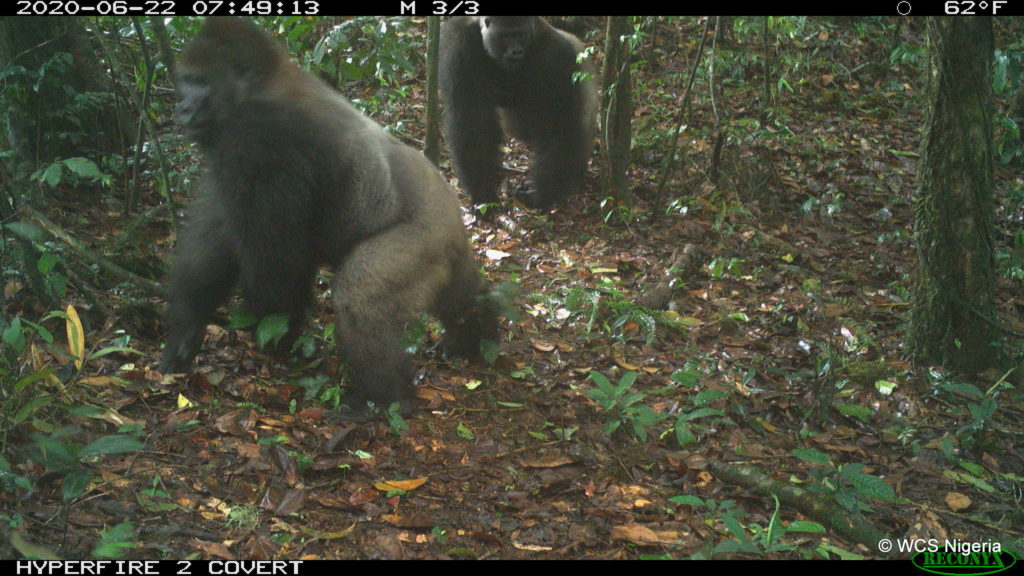
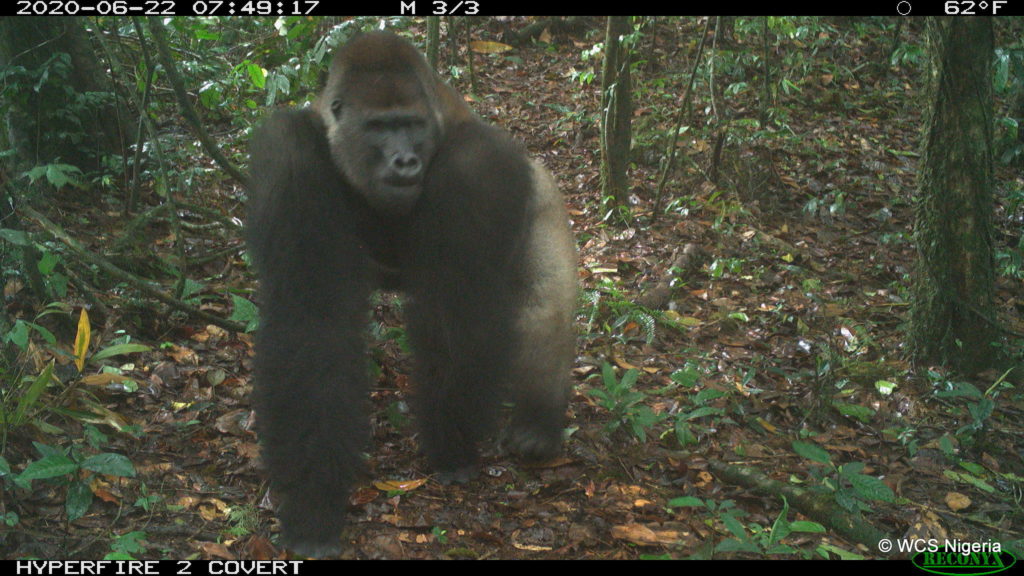
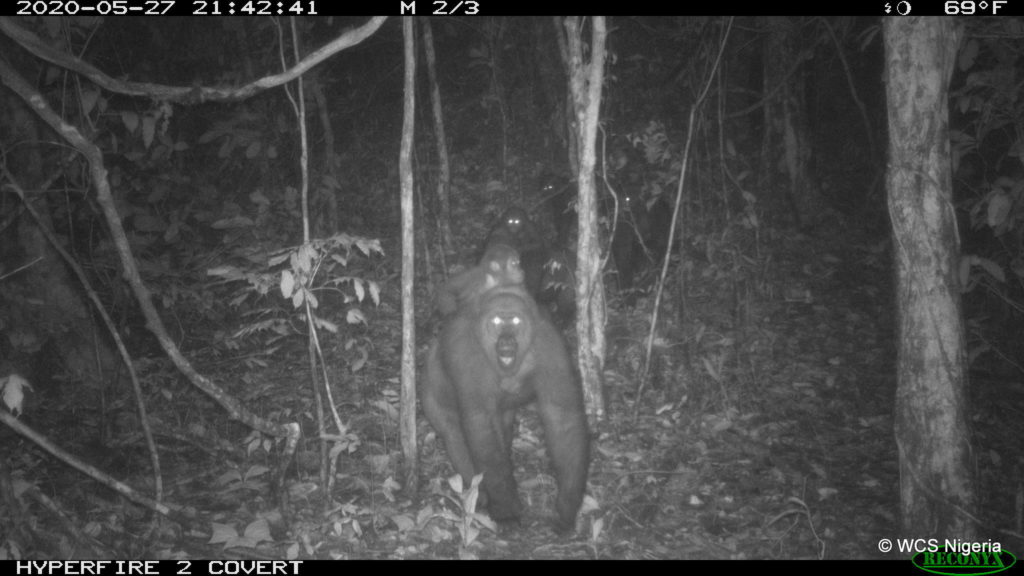
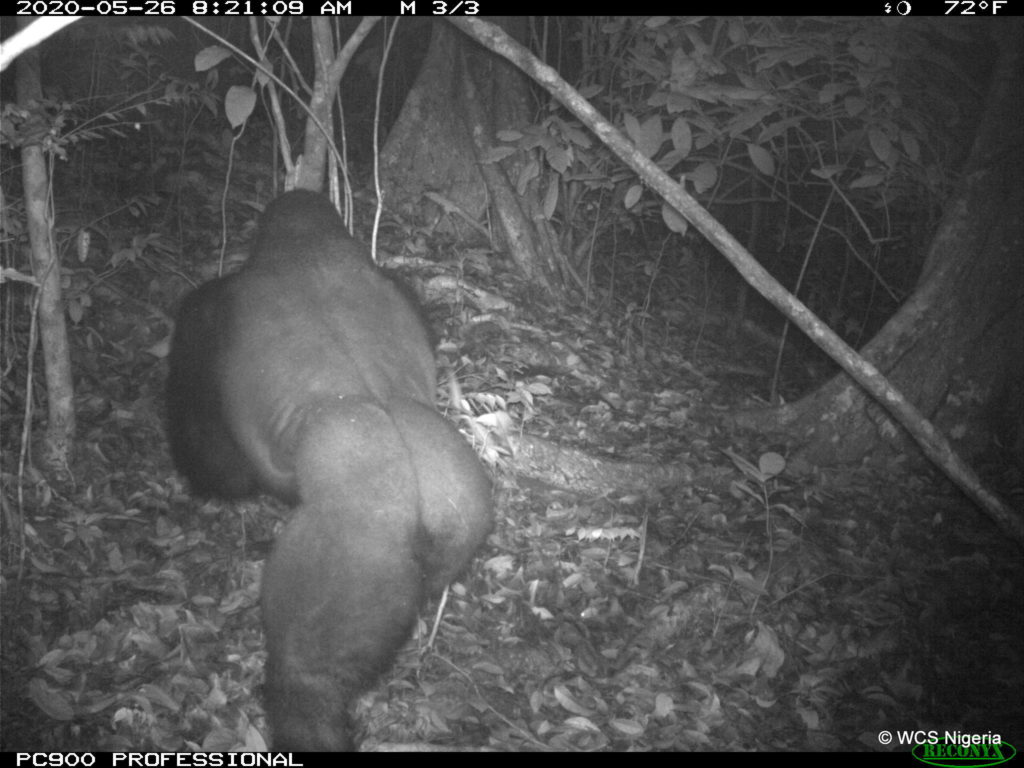
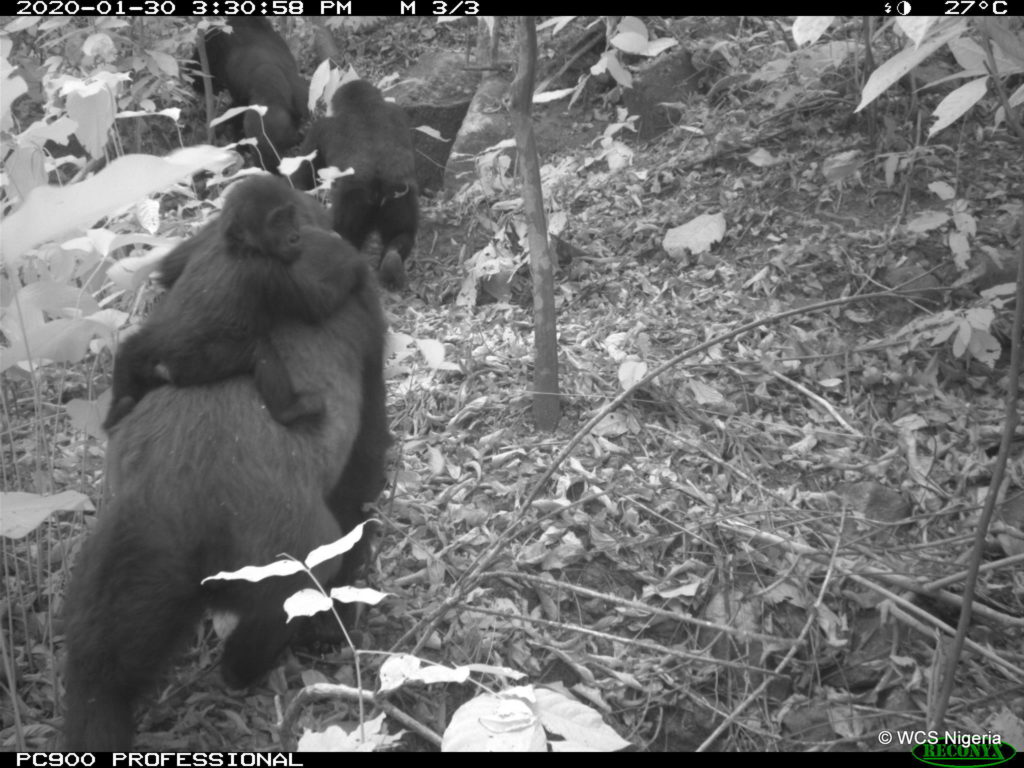
Camera-trap images of a group of rare Cross River gorillas with a number of infants of different ages recently released by the
Wildlife Conservation Society (WCS) is generating a lot of excitement among Nigerians, especially conservation aficionados and stakeholders. For many, it is evidence of hard work and dedication paying off while for others it is an indication of hope for the future.

Images of the most endangered gorilla subspecies, Gorilla gorilla diehli,  were captured in the Mbe Mountains in Nigeria. The Cross River gorillas number only around 300 individuals and found only in an isolated region along the Nigeria/Cameroon border. In the 1970s, the subspecies were thought to have disappeared, only to be rediscovered about a decade later, following efforts by the Cross River State Government, WCS and the local communities.

Professor John Oates, lead author of the first Cross River gorilla action plan in 2007 described the recently released camera-trap photos as wonderful. To him, it is a photo of hope.

“It is wonderful to see images of gorillas from the Mbe Mountains that show so many young animals, indicating that the population there is in good health,” Oates said. 

Read also: Experts make case for intensified effort in Cross River gorilla conservation

Cross River gorillas are rarely seen, let alone photographed, even by remote cameras. Previously, camera traps at WCS sites in Cameroon and Nigeria have captured just a few images including one from 2012 in Cameroon’s Kagwene Gorilla Sanctuary showing one member of the group missing a hand likely from snare injury, the WCS indicated in a press release accompanying the photos.

In the Mbe Mountains and Afi Mountains in Nigeria, camera traps photographed a mother carrying a single infant on her back and lone silverbacks on separate occasions. Those images were obtained in 2013 and on separate occasions since then, but these recent images are the first time that multiple infants have been recorded in the same group.

Extremely shy of humans due to a long history of persecution, Cross River gorillas live in the most rugged and inaccessible parts of their range. Their presence can be detected mainly by indirect signs such as nests, dung, and feeding trails. They are distributed patchily over a mountainous, forested landscape spanning some 12,000 square kilometers across the transboundary region of Cross River Nigeria and Takmanda-Mone Cameroon.

Ph02. Photo © WCS Nigeria_Cross River gorilla group including adults and young of different ages Mbe Mountains, Nigeria May 2020.
Cross River gorilla group including adults and young of different ages Mbe Mountains, Nigeria May 2020.
Photo: © WCS Nigeria

Approximately 100 Cross River gorillas live in Nigeria in three contiguous sites in Cross River State – the Okwangwo Division of Cross River National Park (Okwangwo), Afi Mountain Wildlife Sanctuary and the Mbe Mountains community forest.

The Mbe Mountains forest, home to about a third of the Nigerian gorilla population, provides an important link between Afi Mountain and Okwangwo. It is have been managed jointly by the WCS and the Conservation Association of the Mbe Mountains as a community wildlife sanctuary since 2005.  A team of 16 eco-guards recruited from the surrounding communities, trained and employed by WCS conducts daily law enforcement patrols of the sanctuary to protect gorillas and other wildlife. In addition to protection, WCS works with the local communities to raise awareness of conservation and improve livelihoods.

Read also: WCS celebrates four years of zero elephant poaching in Yankari

“It is extremely exciting to see so many young Cross River gorillas – an encouraging indication that these gorillas are now well protected and reproducing successfully, after previous decades of hunting,” said
Inaoyom Imong, Director of WCS Nigeria’s Cross River Landscape.

“While hunters in the region may no longer target gorillas, the threat of hunting remains, and we need to continue to improve the effectiveness of our protection efforts.”

The success recorded in the Mbe Mountains is largely attributable to the strong support and commitment of our local community partners.  Reacting to seeing the gorilla images, the head chief of one of the surrounding villages (Kanyang I), Otu Gabriel Ocha said: “I am very happy to see these wonderful pictures of Cross River gorillas with many babies in our forest.  This shows that our conservation efforts in partnership with WCS are yielding fruits. I hope that we can continue these efforts so that we can pass the heritage to future generations.”

Chief Damian Aria, Village Head of Wula I, said: “Seeing these photos of Cross River gorillas with many infants makes me very happy because they tell me that the population is increasing.  I feel honored to be part of the efforts that are producing these results and I commend WCS for their support to protect the natural resources God has blessed us with.”

Otu Bernard A. Eban, Clan Head of Abo Clan, said: “Seeing this today rekindles my hope that our communities will benefit from ecotourism in the future.  We will further strengthen our local laws to protect Cross River gorillas in the Mbe Mountains.  I wish to take this opportunity to appeal to our partners to support us more to find sustainable economic alternatives to bushmeat hunting and other activities that destroy our forest.”

Donkey population rapidly collapsing in Nigeria – NAQS

0

There is a sudden rise in demand for donkey skin in Nigeria and this is causing a rapid collapse in donkey population in the country. There is also a growing number of underground sellers of donkey skin. And authorities in the country are moving to combat the rapid depletion of the species population.

The Nigeria Agricultural Quarantine Service (NAQS) raised these concerns Wednesday in a statement made available by
Head of Media, Communications and Strategies, NAQS, Dr. Gozie Nwodo.

Read also: An Alleged Wildlife Trafficking Kingpin Evaded Prosecution

Director-General, NAQS, Dr. Vincent Isegbe, in the statement reminded audience that Nigeria is a signatory to the Convention on International Trade in Endangered Species, CITES, therefore Nigeria is obligated to institute all reasonable safeguards to protect the surviving breeds of donkeys within her borders from the possible threat of biodiversity loss and extinction.

The global population of donkeys has suffered a collapse over the past decade, Isegbe revealed. The impact of climate change is projected to aggravate their depletion, hence efforts to conserve the species are required urgently.

“The rise in demand for donkey skins has fostered a ravenous underground market for the product, resulting in a relentless open season on the donkey population,” Isegbe said.

Donkeys from Nigeria are in high demand in China, where their hides and bones are used in traditional medicine.

This is why a balance must be found between conservation of the species and its use for economic purpose.

“This is a delicate balancing act that calls for the structuring and standardization of the value chain in order to maintain and restock the national herd population of donkeys by improved breeding, ranching, and other innovative ways,” he added.

NAQS’ strategy to curtail the bad business is to “place value and viability” on Nigerian donkeys. This requires formalizing the export trade in donkey skins, setting the code for the management of the chain of custody and ensuring that traceability is obtainable at all points and from all angles of human interaction with donkeys.

Read also: #SaveTheVultures: They need all the help

“The Quarantine Service will engage all stakeholders as much as possible to achieve these fundamentals in order to make the export trade in donkey skin advantageous for everybody, including generations unborn.”

Head of Animal Quarantine Department, NAQS, Dr. Abidodun Akinjo, fingers non-Nigerians as big players in the illegal donkey trade.

“Despite the prohibition, we noticed that there were considerable donkey skin transactions afoot. In the past three months, we have worked hard to disorient the network behind this illicit activity,” Akinjo said.

“We found out that foreign nationals were inducing and instigating this wanton depopulation of Nigerian donkeys.”

Akinjo maintained that black market buyers of donkey hides in Asia have spent time and resources to cultivate a loyal supply network in Nigeria.

Donkeys from Nigeria are in high demand in China, where their hides and bones are used in traditional medicine. The skins are boiled to produce a gelatin known as ejiao, which is used in Chinese medicine to cure anything from coughs to blood circulation.

In 2016, it was estimated that around 156,000 donkeys were exported to China from Maigatari, a border town market in Jigawa, less than two minutes drive from Republic of Niger.

“The sole interest of the donkey skin dealers is instant profiteering. Hence, they do not spare a thought beyond the exchange of money for donkey skin. Neither do they care about breeding donkeys to maintain the carrying capacity of the animals to ensure the perpetuity of the goose that lays the golden eggs,” he added.

Since last year, the federal government has been in talks with investors on commercial breeding of the species to curb the black market.

Concerns were also raised about the environmental hazards and public health issues resulting from the sourcing, transportation, slaughtering, and flaying of the donkeys for export.

“That is why the NAQS is embarking on joint special operations with the police across the country and at all interstate control posts to checkmate export-bound stockpiling of donkey skin”, Akinjo said.

How Gombe combats erosion, ecological problems through tree planting

0

Malam Musa Kawuwa, 50, a tailor, lives with his two wives and 10 children in a four-bedroom house he inherited from his late father at the Jauro Musa area in Kumo town of Akko Local Government Area of Gombe State. Sometime in 2014, the whole house was submerged by gully erosion following torrential rain, leaving Kawuwa and his family of 13 homeless.

They lost all their belongings. To worsen the situation, his farmland of about 10 hectares was also affected by the gully erosion. He cultivates both food and cash crops from the farm annually to feed his family and supplement what he gets from tailoring. Having lost his major means of livelihood, it took him over four years to rebuild the house, after squatting in a two-bedroom apartment for over three years.

Read also: NESREA commends Gombe government for 3G initiative


Not long after he returned to his house, the erosion is still threatening to consume his property. “Few months after I returned to my house, erosion is still lurking. “And if nothing is done to address the situation, I may have to relocate again because, as I am speaking with you, the wall of my house is at the verge of collapsing,” Kawuwa lamented. Kawuwa’s story is similar to hundreds of others in the Unguwar Jauro Musa area of Kumo town, where over the years, an estimated 300 hectares of farmlands and hundreds of people have left their ancestral homes due to the menace of erosion. Over a period of 20 years, an estimated 75 percent of the total landmass of Gombe State is affected by varying degrees of desertification.

Investigations revealed that in the 11 local government areas of the state, the problem is more severe in Akko, Nafada, Dukku, Funakaye and Kwami, Gombe and Yamaltu/Deba. In an effort to address the gully erosion and other ecological problems facing the state, Governor Muhammad Inuwa Yahaya introduced an environmental restoration project, the Gombe Goes Green Project (3G), to, among other things, combat desert encroachment, stop or reduce deforestation, restore biodiversity and reduce the negative effects of climate change. The coordinator of the 3G project, Dr. Mu’azu Usman Shehu, said it sought to restore the environment through the massive establishment of new forests and woodlands.

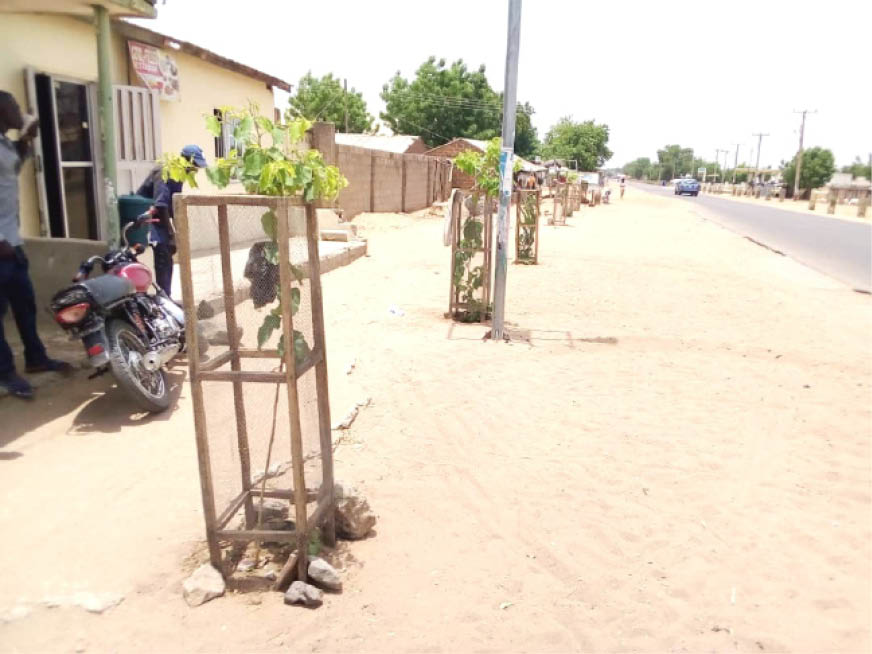
Trees were planted along major streets in Gombe metropolis 3G
Trees were planted along major streets in Gombe metropolis in the 3G program

“The 3G seeks to achieve the objectives of the project through afforestation, that is the establishment of new forests and woodlands, restoration of degraded forests and woodlands, and by allowing natural regeneration. We also seek to restore biodiversity by reintroducing a broad range of indigenous tree species, with emphasis on species facing extinction; promoting sustainable development by growing exotic fruit-bearing trees that benefit local people, especially in rural areas; increasing societal awareness of human-induced ecological problems and solutions,” he said.

According to him, the government has set an ambitious target of planting four million assorted tree species in the next four years in the 11 local government areas of the state. “That is, we are expected to plant one million trees every year,” he said.

Dr Shehu added that the 3G is a holistic environmental restoration and conservation project, which is carefully tailored to address the peculiar environmental challenges in the state. He said the state government introduced the 3G project because desert encroachment is approaching the state at an alarming rate and affecting its forest resources every year. “We are alarmed that Gombe is one of the frontline states affected by a myriad of environmental challenges.

Major among these challenges is desertification, which, according to available evidence, is encroaching at an alarming rate of more than 0.6km annually. Another serious ecological problem affecting our state is severe gully erosion, which has devastating consequences on our economy. And our society being agrarian, the huge economic and social impacts range from resource scarcity to decline in agricultural yield, poverty, population migration, and conflicts,” Dr. Shehu said. The coordinator added that Governor Yahaya recognized the urgent need to combat land degradation and address the negative effects of climate change in the state. “That is why he introduced an environmental restoration program as soon as he was sworn into office,” he recalled. According to him, the 3G project, in collaboration with the state Ministry of Environment and Forest Resources, has raised 1.5 million seedlings of assorted improved tree species for the 2020 tree planting season.

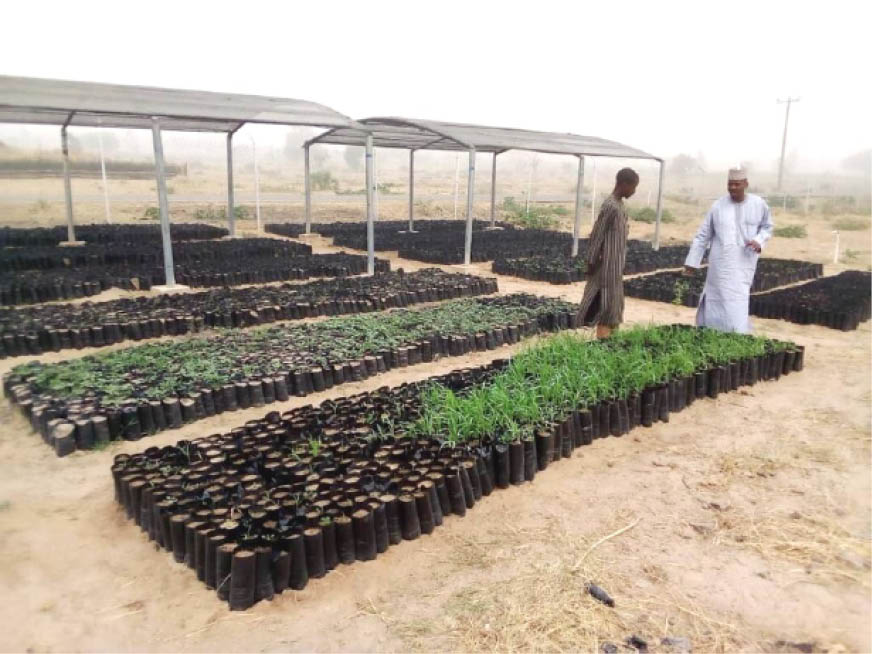
One of the 3G nursery at Dukku LGA of Gombe state

He said, “The 3G project has revived existing nurseries throughout the state, and three of these nurseries in Gombe, Kwadon and Hashidu are being used to raise 1.2 million seedlings.” We have also engaged the Federal College of Horticulture, Dadinkowa to raise 300,000 seedlings of fruit-bearing trees for the project. So far, we have achieved 65 percent of the target.” Dr. Shehu further said they were going to use 150,000 seedlings to establish six woodlots, two in each of the three senatorial zones of the state.

He added that they have urban planting, which includes roadside planting and planting in public buildings like hospitals and government buildings. “About 300,000 seedlings will be used for urban planting. The last category is what is called social forestry, where about 500,000 seedlings will be planted in schools and places of worship. We have also made enough provision of seedlings for free distribution to individuals to plant in their homes and places of occupation, as well as to farmers who want to improve soil nutritional cycle in their farms,” he added.

Animal welfare organisation, Born Free USA launches campaign against trophy hunting

0

Born Free USA, an internationally recognized leader in animal welfare and compassionate conservation, is launching a six week-long campaign in July and August to raise awareness of the global impact of trophy hunting and reveal the brutal facts behind common myths supporting the continuation of this cruel, outdated practice.

“The trophy hunting industry has unfortunately been able to persuade a segment of the public that it’s actually helping save endangered species like lions, tigers, elephants, and rhinoceroses by killing them for so-called sport,” said Angela Grimes, CEO of Born Free USA. “But hunting these threatened animals as recreation and then showing off their heads or other body parts doesn’t do anything to help vulnerable populations, and this is a chance to set the record straight.”

Read also: Namibia convicts 41 for wildlife crimes in three months

Trophy hunting weakens wildlife populations by killing off the strongest and healthiest animals, which are considered better trophies. Hunters frequently target endangered species and contribute to the global wildlife trade that threatens biodiversity and wilderness habitats, the organisation notes in a press release, dismissing claims that trophy hunting helps maintain wildlife populations. 

Born Free USA’s trophy hunting campaign coincides with the fifth anniversary of the death of Cecil the lion. In a case that provoked widespread outrage, an American hunter and his guide in Zimbabwe used bait to lure Cecil from a national park, wounded him, and left him to suffer overnight before returning to kill him more than 10 hours later.

Despite the negative public reaction to Cecil’s death, the United States continues to allow trophy hunters to import trophies into the U.S. from around the world and allows domestic trophy hunting of iconic species like wolves, black and grizzly bears, and mountain lions.

“There’s nothing sporting about this practice,” Grimes said. “The animals targeted by the trophy hunting industry are facing shrinking habitats, increased contact with humans, and reduced populations. Many of them are on the verge of extinction. They need to be protected, not hunted.”

Born Free USA owns the largest Primate Sanctuary in the United States providing a permanent home for more than 450 primates rehomed from laboratories or rescued from zoos and private ownership.

New tech could help nail pangolin poachers

0

One of the pangolin’s features that makes it the most illegally trafficked mammal in the world may also be one of the most important features to save it from poachers, a new research is suggesting.

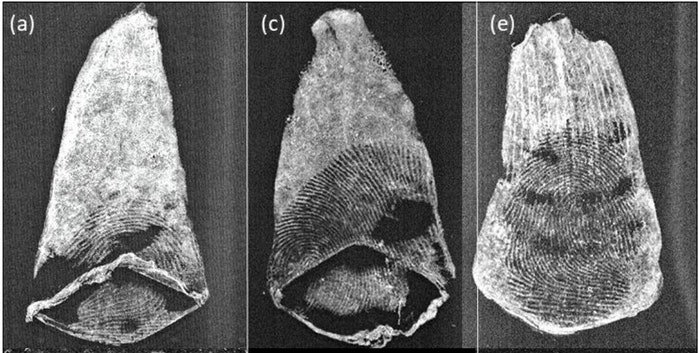
Wildlife forensic experts have figured out a way to lift fingerprints from pangolin scales. The new method uses gelatin, a common way that forensic scientists pick up prints from surfaces.

The new research involved an international collaboration between United Kingdom researchers and wildlife crime rangers based in Africa and India. Paul Smith, director of the Forensic Innovation Center at the University of Portsmouth and his colleagues describe the method in a recently published online paper included in the August edition of the journal Forensic Science International.

Examples of fingerprints lifted from pangolin scales.Moorat et. al., 2020

Eight pangolin species live in Africa and Asia. All of them are considered threatened — their status ranging from vulnerable to critically endangered. The animals are hunted for their meat and scales and are the world’s most trafficked animal. In June, Chinese officials removed pangolin scales from a list of approved ingredients used in traditional medicine in an effort to deter pangolin hunting, killing, and smuggling.

At the start of the Covid-19 outbreak, pangolins were thought to be a potential interim animal host, facilitating the spread of the novel coronavirus SARS-CoV-2 from bats to humans. Now, that theory is largely discounted, and pangolins are being studied as a potential treatment model since the animals’ unique immune system prevents them from getting very sick.

Read also: Pangolins being wiped out at terrifying rate

Gelatin which is capable of picking up microscopic prints from materials has been used in forensics for around a century, Smith revealed. Its basis is simple: When something touches a surface, it may leave behind an impression — perhaps in the dust, or in the form of a sweat deposit.

By pressing a sheet of gelatin onto the surface, the gel — a soft material, which can be cut to different sizes but looks similar to the underside of a mousepad — adheres to the surface and picks up those impressions. That’s true whether the surface is a tabletop or a pangolin scale.

“You will see it more or less instantly,” Smith said.

Since gel picks up other substances besides fingerprints, it can give scientists additional clues into where pangolins are being traded. By lifting soil or pollen, for example, which are specific to certain regions of the world, forensic experts can detect where a pangolin scale has traveled.

For that reason, using gel is a better option than the old standby of dusting for fingerprints, Smith noted.

“When you apply powder to something, potentially, you’re brushing things away,” he said. “You’re taking away the evidence.”

It also helps that pangolins are adept at digging and burrowing, so they’re likely to pick up some debris from their surroundings.

In future gelatin could even be used to pick up DNA, the director added

“Gel is not only just for finger marks,” Smith said. “It can potentially be used for a whole host of evidence opportunities” on scales and other items.

Beyond pangolin scales, the method could hypothetically be used for other smooth surfaces, like ivory tusks. It’s particularly useful for pangolins because scales are small enough to efficiently check for fingerprints.

Using gelatin could also help keep people safe when they are tracking down poachers. It’s low-tech, easy to use, and allows wildlife rangers to quickly get in and out of a scene, Smith explained.

That’s important because illegal wildlife trade is a dangerous realm — especially for those trying to stop it. A 2018 study found that more than 100 wildlife rangers died in the line of work in just one year. Of those deaths, 48 people were murdered while working.

Hearing what it’s like to work on the ground in places where pangolin trade is thriving helps illuminate how science can help, he said. The key, he says, is to “develop methods that work — that’s based on the lens of people doing the frontline investigation.”

That means traveling internationally and talking to local rangers about their experiences.

“Allow the design, the development, the methods that work to come from those at the frontline,” Smith added. “Those that experience it day-in, day-out. Those that know the area.”

Artists, conservationists, others team up on Reading For Wildlife campaign

0

July sees the launch of the ‘Reading for Wildlife’ campaign, a month-long book reading for children and adults to raise awareness of the illegal wildlife trade and the impact of Covid-19 on wildlife and communities.

London-based author Zella will be reading her children’s adventure story ‘An Elephant for Breakfast’ with a group of friends and releasing a chapter a day over the month of July.

An Elephant for Breakfast’ is a detective story where a group of children in London have an adventure trying to stop ivory being smuggled into the country.

Read also: PHOTOS: Conservation Club of Omo marks WMBD 2019

The illegal wildlife trade is worth US$213 billion a year and is the fourth largest international organised crime in the world. According to the World Bank, an elephant is poached for its tusks every 30 minutes. Since Covid-19 stopped most international travel and resulted in an enormous fall in tourism revenues, funding for conservation projects and rangers has all but dried up and the situation has worsened.

Zella, who is originally from New Zealand, said “My journey into the Illegal Wildlife Trade began when I wrote the book. I was shocked to learn how endangered elephants are and that we are likely to be the generation that sees them disappear forever, unless we stop the supply or demand of ivory. The Illegal Wildlife Trade is also likely to cause the extinction of Rhino, Cheetah and other iconic animals, unless people everywhere help stop demand. Now, things are even worse, with the devastating impact of Covid-19 on both animals and people, with tourism being wiped out and the obliteration of funding sources for conservation projects.”

Zella continued, “I am delighted to be joined by so many dedicated and illustrious readers all with the same objective, to galvanise public support for the fight against the illegal wildlife trade. We are encouraging everyone, young and old, to make sure the wildlife is SAVED by suggesting five simple steps that everyone can take to join the fight.”

Actor and wildlife advocate Joanna Lumley, who is one of the readers in the campaign said “A thought provoking and gripping and entertaining story, surely this will be a key to changing the minds of adults through the insistence of their children.”

A total of 27 readers will each read a chapter of the book, with one chapter being released each day. Alongside Joanna Lumley are a number of authors, actors, broadcasters, artists, conservationists and industry leaders including, author, Ellen Alpsten; presenter and biologist Patrick Aryee; blogger Lucy Campbell; editor in chief of First News, Nicky Cox, Editor in Chief; artist Emily Croft-Baker; former Secretary General of CITES and Special Envoy for African Parks, John Scanlon among others.

Lagos moves to deal with rapid urbanisation

0

The Lagos State Government on Saturday said that it had evolved strategies through inter-agency collaboration to deal with shocks of rapid urbanisation toward evolving a resilient safe and healthy city.

Mr Gbolahan Oki, Chief Resilience Officer, Lagos State Resilience Office who made this known during a virtual meeting organised by the Lagos State Chapter of the Nigerian Institute of Town Planners (NITP) with the theme `Cities beyond Pandemic’ listed sharp shocks that threatened Lagos State in recent times to include fire outbreak, building collapse, COVID-19 outbreak, flooding, traffic congestion, bloated population, among others.

The resilience includes the capacity of individuals, communities, institutions, businesses and systems within the city to survive, adapt and grow; in spite of acute shocks or chronic stresses.

Oki explained that the state government was returning to a vertical settlement template started by the Babatunde Fashola’s regime, which offered opportunity for building affordable mass housing in small land areas.

He added that high rise buildings were an important strategy for dealing with the problem of urban slums and overcrowding, which could trigger and increase disease outbreak and spread.

“Resilience is all about being all inclusive with the agencies working together to bounce back and look good,’’ he said.

Oki said that the state government was adopting intermodal transportation to deal with some of the problems.

He added that the state launched a strategy about five months ago to implement the city resilience framework which included health and well-being as well as the infrastructure and environment.

Oki further explained that the state was discussing with communities, local governments and its leadership on ways to evolve workable inclusive strategies to curb stresses and shocks of urbanisation.

He said that the resilience office was working on health, security, environment strategy in line with the global resilience standards while carrying other agencies along.

He noted that a letter had been sent to local governments through its permanent secretary to ensure communities and the third tier of government got involved in urban slum upgrading processes.

Dr Idris Salako, the Commissioner for Physical Planning and Urban Development, represented by his aide, Mr Niyi Osinaike, said the COVID-19 pandemic increased cost of building materials and other items across board.

Salako said that the ministry was interfacing with the ministry of health and other agencies to evolve “robust strategies for disaster management” and curb spread of coronavirus.

He added that the ministry’s monitoring surveillance mechanisms had been upgraded by its agencies to implement the model city plan of the state government.

Other speakers at the event stressed the need to encourage mixed land use to reduce migration, upgrade slums, address infrastructure and housing needs, tackle the effects of climate change for the health and welfare of the people.

Covid19: UK zoo threatens to kill animals over lack of funds

0

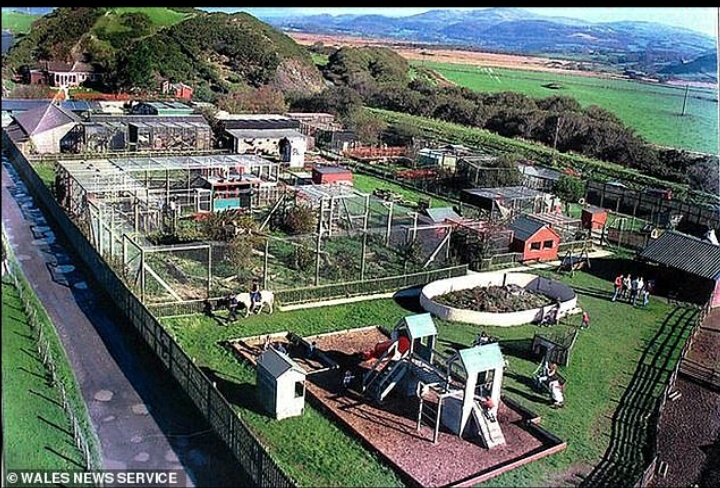
A zoo in Wales, Britain is threatening to put down its animals because it is running out of money to feed the exotic breeds amid the coronavirus lockdown.

Tracy and Dean Tweedy, who own Borth Wild Animal Kingdom in West Wales, fear they only have enough money to feed more than 300 animals for a week.

The married couple say their money is running out to care for their stock and are planning ‘as a last resort’ to euthanise ‘the animals that we care for’.

Council chiefs ‘lost confidence’ in the ability of the zoo to operate safely following the deaths of two lynx and other animals.

In January this year, the zoo was ordered to close because it did not have trained gunmen in case of an animal escape.

it costs £3,000 a week to run the zoo and a cull of the animals has been considered if they cannot be fed.

But it was allowed to reopen in February before having to close again in March due to the coronavirus outbreak.

Ms Tweedy, 49, said many staff are on furlough and the zoo’s business relief grant of £25,000 has nearly run out.

She said: ‘We were already only scraping by financially after the long, quiet winter season.

‘We need help now more than ever. Despite everything, we are as determined as ever to not give up.’

Read also: Covid19: Tiger tests positive in US zoo

She said it costs £3,000 a week to run the zoo and a cull of the animals has been considered if they cannot be fed.

After the money runs out, the couple will have to start looking at re-homing but are considering euthanasia as a last resort.

Problems for the zoo began in late 2017 when Lilleth the Eurasian lynx escaped and was shot dead by a marksman after being found at a nearby caravan site.

A second lynx, Nilly, also died in what was described as a ‘handling error’.

A report revealed one in five of the zoo’s animals died in just one year. It was discovered that monkeys, crocodiles and a leopard also died from its animal stock during 2018.

Owner Tracy and Dean bought the zoo for £625,000 in 2016 to start a dream new life with their family, but it has since turned into a nightmare.

Tracey said: ‘It would be tragic if mid Wales lost its only zoo. We work with so many local organisations on animal education and wildlife conservation that we see ourselves as a vital asset for the community.’

Read also: ‘Security’ lion removed from Lagos house opposite crèche

Tracy said many of the animals would be very hard to re-home due to licence requirements needed to look after the exotic animals.

‘We also run as a sanctuary for animals that have been rescued from the exotic pet trade. For many of these animals, we are a last resort.

‘They came here because destruction was their only alternative.

‘They would be very difficult to re-home as the licence requirements to look after these animals and provide the proper care, can be very involved and expensive,’ she said.

The couple say Westminster has announced a fund to help zoos in England but there is no similar support in Wales.

The Welsh government said it had already provided all licensed zoos with details of existing support schemes.

‘If any zoo operators have concerns about their ability to meet the needs of their animals, they should contact their local authority’s animal health team for advice without delay as they are on hand to offer support,’ a spokeswoman said.

It said its £500m economic resilience fund provided more generous support than one specifically for zoos would have.

A spokesman for Ceredigion County Council earlier said: ‘The local authority has lost confidence in the ability of the zoo to operate responsibly and safely.’

Zoos were forced to close at the end of March due to the coronavirus lockdown and many have warned their futures are in danger from the impact of the pandemic.

Andrew RT Davies, Shadow Minister for Environment, Food and Rural Affairs in the Welsh Parliament, said: ‘This is a dire situation that the zoo finds itself in, but I’m afraid that zoos right across Wales are in the same precarious situation and desperately need support due to the profound impact of Covid-19.

‘It’s outrageous that whilst the UK Government has taken action and given £14 million to support zoos in England the Welsh Government has still not followed suit.

Boko Haram kills three elephants in Nigeria – Cameroon border community

0

Not less than three savannah elephants from a herd of about 300 roaming the Nigeria-Cameroon border have been killed.

The elephants were believed to have been shot by Boko Haram terrorists around May 16, 2020, in Kala Balge Local Government Area, Borno State of Nigeria.

A statement from Cameroonian MP Kamssouloum Abba Kabir, who represents the Far North Region, revealed that the elephants were shot in a village about one kilometre from the border between Nigeria and Cameroon.

Read also: WCS celebrates four years of zero elephant poaching in Yankari

The elephants which are listed as vulnerable on the IUCN Red list of threatened species seasonally visit Waza National Park located South of Lake Chad and adjacent to Borno State in Nigeria.

Kabir said vigilantes of Afadé (Cameroon) quickly alerted the 41st Motorised Infantry Battalion [BIM], who intervened and prevented Boko Haram elements from gaining control of the dead animals.

The presence of the elephant herd was first known when they were photographed from a United Nations helicopter on December 19, 2019, during a routine humanitarian mission flight over Rann in Kala Balge.

It was the first known sighting of elephants in years in Borno State and Nigerian section of the Lake Chad National Park, the epicentre of a decade-long violent terrorism and insurgency campaign by Boko Haram and Islamic State in West Africa Province.

Kabir told HumAngle that the herd usually migrates to Kalamalou National Park near Chari River during the dry season and returned to Waza National Park and Chad in the rainy season.

Hundreds of elephants tend to migrate between national parks and game reserves in the Lake Chad region states of Niger, Nigeria, Chad and Cameroon, he explained.

A 2006 count of elephants funded by the EU through Cite MIKE (Monitoring of Illegal Killing of Elephants) programme in the Sambisa Game Reserve in the southwestern Chad Basin National Park indicated extensive farmland and human settlement encroachment was affecting the local elephant range.

Read also: Kebbi considers wildlife park for elephants

Since then, the region has become an active war zone with a devastating impact on the local economy, population, and wildlife.

Peter Ayuba, the Director of Forestry and Wildlife in Borno State, told HumAgle by telephone that Borno had lots of elephants and it was important to monitor and protect them.

Ayuba said a memo was sent to the Federal Government for the acquisition of deterrent equipment (firecrackers) and training of villagers to scare them and prevent conflict between the local population and the displaced elephants.

The proposal followed a report by the local Bulama (traditional leader) about the elephants destroying crops and trying to enter the town, he explained.

Borno State Commissioner for Environment, Mr Kabiru Wanori, an engineer, told HumAngle that he was not aware of the killing of the elephants.

Wanori said the state governments had contacted the National Park Service to monitor and protect the elephants and that there were efforts to get international organisations to support the conservation efforts.

Whilst Nigeria wants to protect the elephants, Cameroon’s Kabir is concerned about their safety and wants the herd assisted back to Waza National Park in Cameroon.

Tunde Morakinyo, Executive Director, Africa Nature Investors Foundation, said: ‘’It is very upsetting to see these terrible pictures of elephants having been killed in Nigeria.

“We have so few elephants left, we cannot afford the death of even one elephant. The key question is: What can be done to protect these elephants so this does not happen again?”

Morakinyo added: “We have to recognise that these elephants live in a conflict zone where human life is also in great danger. This makes any effort to protect them very difficult indeed.

“However, this does not mean nothing can be done. I believe we have to recognise that these elephants do not belong to a single country alone.

“They have migrated between Nigeria, Cameroon and Niger for hundreds of years.

“Thus, just as all three countries need to work together to solve the conflict in the region, so too must we work together to protect these elephants.”

“I would like to propose that all three countries should work together to identify the elephants’ migration routes between the three countries.

“And then the three countries should work with the communities around Lake Chad to protect these migration routes and to prevent farming in these routes.

‘’This way we can ensure that one day when peace is restored to the region, the communities can benefit from tourism revenues as a result of protecting these wonderful elephants.

“There have been talks of an economic package to revive the region. Creating new protected areas linking all three countries to promote elephant tourism should be part of the plan for the revival of the region,” he said.

It is believed that Boko Haram has killed a huge number of wildlife in the past seven years since occupying the Sambisa Reserve and Alagarno forest areas.

Among the wildlife in the region are endangered species such as the scarlet-fronted gazelle, African bush elephant and the African leopard.

The region is now inaccessible to conservationists to ascertain how many of the animals are left.

In February 2013, Boko Haram killed at least six park rangers in a reprisal attack after troops backed by helicopter gunships destroyed their position in a Sambisa game reserve.