The Commissioner for Environment in Abia, Dr Solomon Ogunji, is dead.
The state’s Commissioner for Information, Chief John Okiyi-Kalu, confirmed the development in a statement issued in Umuahia on Sunday.
Okiyi-Kalu stated that Ogunji died on Saturday “after a brief illness, relating to high blood pressure” at the Abia State University Teaching Hospital in Aba.
He said the Abia government was deeply saddened by Ogunji’s death.
“Gov. Okezie Ikpeazu, who received the sad news with shock yesterday (Saturday) has personally communicated and condoled with the bereaved family and he is currently in mourning,” he stated.
“The state government prayed God to grant the bereaved family the fortitude to bear this irreparable loss,” said Okiyi-Kalu.
Ogunji was a senatorial aspirant in the 2019 general elections, seeking to represent Abia South on the platform of the PDP.
He was appointed special adviser to Ikpeazu on urban renewal in 2015 and later commissioner for environment in the previous administration.
Ogunji, who was a close political ally and confidant of the governor, was a member of the state’s Inter-Ministerial Committee on COVID-19.
The Edo State Governor, Mr Godwin Obaseki, has implored environment activists, community leaders and local councils to continue to push for actions and behaviours that preserve the pristine features in Nigeria’s forest belt amid the coronavirus (COVID-19) epidemic.
The governor made the call on the occasion of the commemoration of the World Biodiversity Day marked every May 22, by the United Nations and its various organs.
Obaseki noted that it was imperative to preserve the country’s biodiversity as some of the solutions to the pandemic plaguing the world could be found in nature.
According to him, “On this day, it is important to stress the need to conserve nature and preserve the defining features of our pristine flora and fauna, amid the coronavirus pandemic, which has caused everyone to be indoors and the forest assets at the risk of being unattended to. However, we need to ensure that these assets are protected for other organisms that benefit from our peculiar biological makeup in this period.”
He described the theme for the 2020 celebration, Our solution is in nature, as germane, noting that remedies for ailments such as the one the world is currently plagued with can be found in our peculiar biodiversity if only researchers look hard enough. Obaseki noted that the state government was working with the Federal Government to preserve the Okomu Forest Reserve, as the Okomu National Park is a national asset that can boost tourism receipts. According to the United Nations, “2018 marks the 25th anniversary of the entry into force of the Convention on Biological Diversity.
Since entering into force, the Convention has been implemented through the vision and leadership displayed by countries, non-governmental and inter-governmental organisations, indigenous peoples and local communities, the scientific community and individuals alike.”
The large amount of dead fish washed ashore along the Atlantic Ocean’s coastline of some Niger Delta states in Nigeria is due to increased toxicity of the water bodies, the National Oil Spills Detection and Response Agency (NOSDRA) has revealed.
The agency noted that the discharge of toxic materials into the Atlantic may have come from land as the wastes from domestic and industrial sources often emptied into the water body.
In April, NOSDRA had announced that it was coordinating a multi-agency investigation aimed at revealing the cause of the unusual fish deaths within the nation’s territorial waters.
Idris Musa, the agency’s Director-General said that the increased toxicity was caused by pollution from heavy metals from industrial and domestic wastes.
“As earlier mentioned, the findings did not show hydrocarbons (crude oil) as the possible cause of the death of the fishes,” Musa said.
“In the course of the analyses, Total Petroleum Hydrocarbons, Polycyclic Aromatic Hydrocarbon, Benzene, Toluene Ethylene and Xylene were within regulatory standard limits in water, sediments and fish tissue analyses.
“However, there were some heavy metals such as cadmium, chromium copper, zinc and iron that exceeded regulatory standard limits in the coastlines of the three states – Delta, Bayelsa and Rivers.”
Musa noted that the plausible causes could partially be attributable to other human related pollution activities which are probably land based.
He recommended that the country should pay more attention to the activities of those illegally carrying out fishing in our territorial waters to guard against possible dumping of wastes as well as unwanted aquatic species.
The Yobe Government has advised residents to adopt safeguard measures against the heatwave (hot season) being experienced in the state. Dr Mohammed Gana, the state Commissioner for Health and Human Services, gave the advice in a statement he signed and made available to newsmen on Sunday in Damaturu.
Gana expressed concern over the adverse effect of what he described as the very high temperature and intensive heat in the state.
He, therefore, advised the public to wear lightweight, light-coloured, loose-fitting clothing, stay under tree shades and environments with a lot of ventilation where the temperature is low and cool and cut down on exercise when it is hot.
“If you are not used to working or exercising in a hot environment, start slowly and pick up the pace gradually, and if walking or exercising in the heat makes your heart pound and leaves you gasping for breath, stop it.
“Get into a cool area or into the shade, and rest, especially if you become lightheaded, confused, weak, or faint,” he added.
Gana also advised residents to drink a lot of water and schedule their outdoor activities carefully.
“Try to limit your outdoor activity to when it is coolest.”
He also enjoined parents not to leave children or pets in a hot car.
“Cars can quickly heat up to dangerous temperatures, even with a window cracked open. While anyone left in a parked car is at risk, children and pets are especially at risk of getting a heat stroke or dying,” the commissioner warned.
While advising the public to avoid hot and heavy meals as they add heat to the body, Gana also urged them to stay hydrated by drink more of fluids.
“Drink more fluids, regardless of how active you are. Don’t wait until you’re thirsty to drink, stay away from very sugary or alcoholic drinks.
“These actually cause you to lose more body fluid. And also, avoid very cold drinks, because they can cause stomach cramps,” he said.
He also urged the public, especially during the Ramadan fasting, to restrict activities to early mornings and late evenings when the temperature cools off.
“Drink plenty of fluids after ‘iftar’ (evening meal) and at ‘sahur'(early morning meal) and to take more fruits and vegetables,” the commissioner suggested.
He added that elderly, obsessed and those having background illnesses such as diabetes, hypertension, heart and respiratory diseases are advised to be particularly more careful.
Gana also highlighted some manifestations of heat disorders to include hot, dry skin or profuse sweating, confusion, loss of consciousness, seizures, very high body temperature, difficulty in breathing and gasping.
Other disorders according to him are nausea, irritability, dizziness, muscle cramps or weakness, headache, fatigue and thirst.
He, however, said heat-related deaths and illnesses are preventable; though hundreds to thousands of people die every year globally as a result of extreme heat.
The News Agency of Nigeria (NAN) reports that temperatures in Yobe rise up to 45 and above degrees centigrade, especially within the months of March and May before the onset of the rainy season.
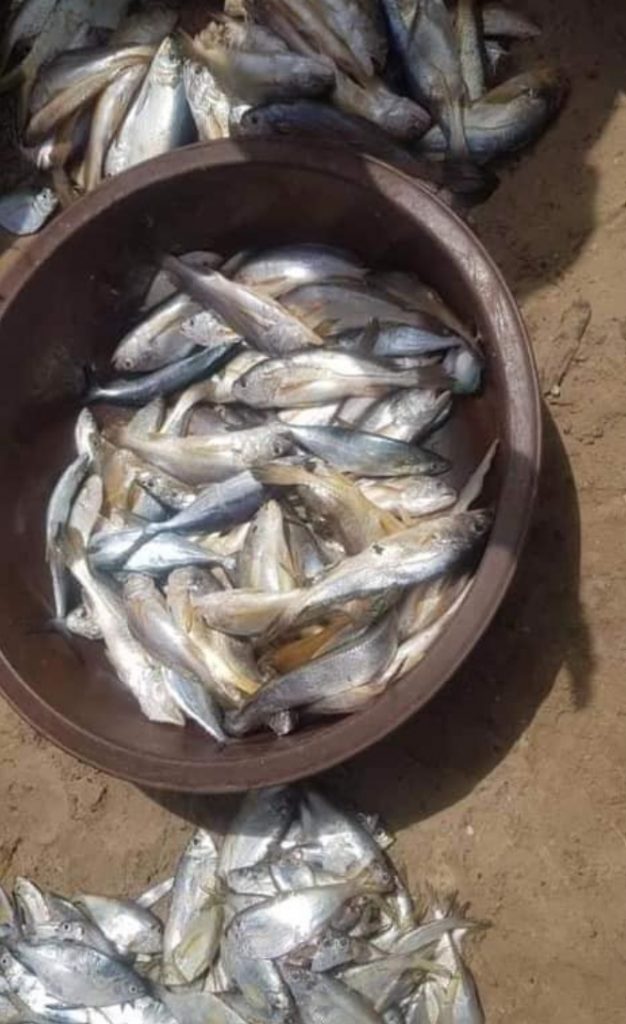
Fishes are dying in great numbers and are getting washed ashore along the coast of Niger Delta states. It is a worrying situation for residents along the coastlines of Akwa Ibom, Bayelsa, Cross River, Delta, and Rivers, and other places within the region.
The dead fish are mostly croaker, but experts from the Nigeria Conservation Foundation (NCF) identified some shiny nose fish amongst the dead.
“The cause of death of the fish is yet to be confirmed,” NCF tweeted. “However (we are) working with relevant stakeholders, samples have been taken to the laboratory to conduct proper investigation and advise accordingly”.
The Nigerian Maritime Administration and Safety Agency (NIMASA) also said it has commenced inquiry to identify the cause of the mass fish deaths.
While the situation is of utmost concern, some locals are taking advantage of the situation to make brisk business. They are selling the fish to unsuspecting individuals. Consuming such fish is dangerous especially when the cause of death is not known.
“We want to identify the cause and establish what can be done to alleviate the adverse effect of this occurrence on the people and the marine environment in the affected areas,” Director-General of NIMASA, Dr. Bashir Jamoh said in a press release.
He added that deliberately selling the dead fish to the public may carry criminal liability.
Rivers State Commissioner for Environment, Dr Igbiks has also warned the people living in the communities around Finima in Bonny LGA and Oyorokoto in Andoni LGA not to eat dead fishes as the ministry would carry out full scale investigation to ascertain the actual cause of the death.
as such acts may carry criminal liabilities, especially with regard to deliberate sale of the dead fish to the public.”- @JamohBashir on shoals of dead fish washed ashore along niger delta axis. #TeamNIMASA
The Shell Petroleum Development Company (SPDC) said it is also helping with the investigation into the cause of fish deaths. Shell activities had been fingered as the cause. An Environmentalist, Mr. Furoebi Akene, alleged that the fish deaths were caused by the discharge of toxic chemicals from Shell’s operations at Ogulagha in Delta.
House of Representatives member from the Degema/Bonny Federal Constituency in Rivers State, Farah Dagogo also thinks the deaths may be linked to pollution.
“Their death may be as a consequence of pollution caused by the oil and gas companies operating in the region or other associated factors as noted by some environmentalists, or likely as a result of increasing toxicity of the Atlantic ocean, which the primary investigation I conducted indicates. And it can also be all of the aforementioned,” Dagogo said in a statement on May Day.
He called for swift action to be taken on the matter.
But the Media Relations Manager of SPDC, Mr. Bamidele Odugbesan brushed the allegation off, saying that there was no oil leakage from its activities linked to the dead fishes.
“The Nigeria Oil Spill Detection and Response Agency (NOSDRA) was widely reported to have clearly stated that there is no evidence that oil and gas operations may have impacted the aquatic environment as being claimed in respect of the fish kill incident,” Odugbesan said in a statement.
Idris Musa, Director-General of NOSDRA confirmed that the agency found no connection with oil spills to the dead fishes and was looking at other probable causes.
Fish were also seen in rivers around Finima in Bonny LGA and Oyorokoto in Andoni LGA.
According to FishNet Alliance, shoals of dead crocker, also known as “broke marriage” or “onah” were first noticed in February along the Niger Delta coastlines in Ogbulagha Kingdom in Burutu Local Government Area of Delta State
Then the same pattern was noticed in other fishing communities along the Atlantic coastline of Ondo, Bayelsa, Rivers and Akwa Ibom.
Statesmen and people who served a country at some of the highest possible levels deserve honour both when they are alive and when they are dead. This is one of the reasons behind the call from Igbo socio-cultural organisation, Ohaneze Ndigbo for an urgent attention to the environmental problems in Oko, Nanka and Agulu in Orumba North Local Government Area of Anambra State.
The country home of former Vice President of Nigeria, the late Dr Alex Ekwueme is located in Oko. The town is plagued with gully erosion believed to be as deep as the Grand canyon.
The country home of former Vice President of Nigeria, the late Dr Alex Ekwueme is located in Oko.
On Thursday, the Ohaneze Ndigbo appealed to President Muhammadu Buhari through the Federal Ministry of Environment attend to the situation before it will get out of hand, considering the huge contributions the late Icon has made to keep Nigeria as one.
Read also: Stepping Up Climate Action for a Resilient Africa
A letter titled “Save Us From The Ravaging Gully Erosion in Ekwueme’s home” addressed to President Buhar contained the appeal.
“The communities of Oko, Nanka and Agulu are constrained to notify you of the grave situation and the havoc being unleashed on the affected communities by the erosion menace, which has continued to escalate, resulting in loss of lives, households and threatening the existence, especially for the poorest people in the three communities,” the letter signed by Chief Demian Okeke Ogene, Anambra State chairman of Ohaneze Ndigbo read.
In the past, representatives of the Nigeria Erosion and Watershed Management Project (NEWMAP), under the Federal Ministry Environment have paid visits to the three communities and mobilised the people to support their preliminary works like engineering design, survey, resettlement plan and environmental impact assignment. They sensitised the people on how they can help to stop erosion and how they can relate with the contractors when they eventually start work. The copies of the studies are still with the community leaders after approval by Anambra State Government, Federal Government of Nigeria and the World Bank.
But work is yet to be commenced on the affected site.
“The rate at which the erosion is ravaging is better imagined than seen. You might be surprised that since NEWMAP visited last year, more houses have caved in to the deep abyss of the dreaded gully,” Ogene said.
To avoid dishonouring the memory of the late vice president and “because of the country’s reputation in the eyes of the World Bank, Ogene appealed to the president to act fast before the rainy season.
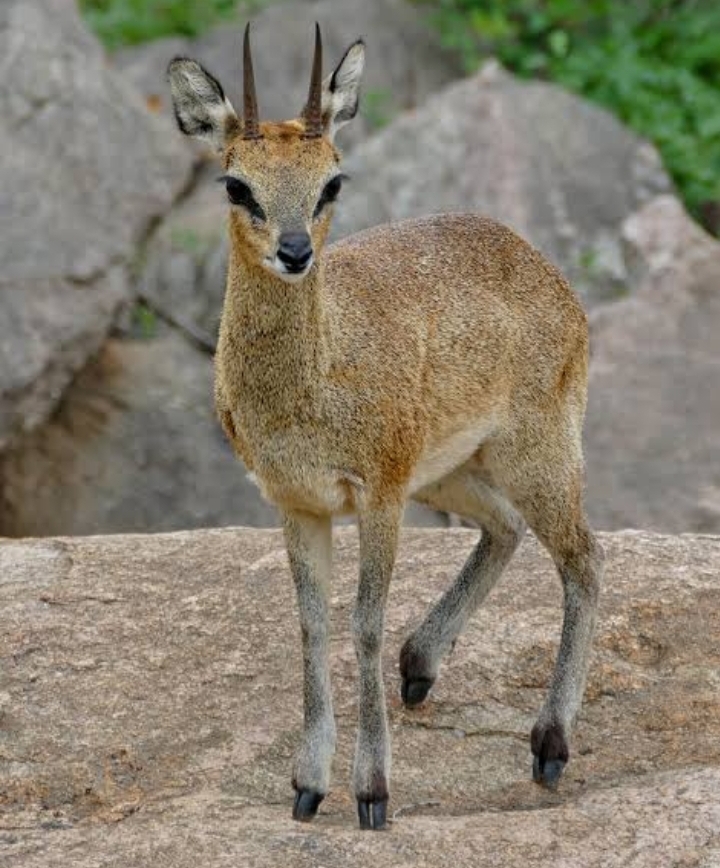
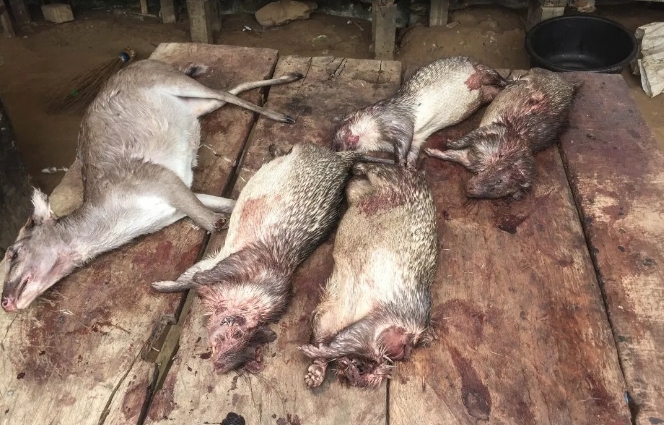
What is West Africa, most especially Nigeria, doing to conserve its wildlife population for the next generation? Crave for bushmeat is driving a lot of wildlife into extinction. For example, the pangolin and blue duiker found in the southwestern part of Nigeria; the only population of klipspringer in West Africa found on the Jos plateau and the last pack of African wild dogs in the sub-region found in Gembu are all under the endangered animal list but hunters are having fun hunting them for the bushmeat trade.
…the only population of klipspringer in West Africa found on the Jos plateau and the last pack of African wild dogs in the sub-region found in Gembu are all under the endangered animal list…
Although like shoppers in wealthy countries who pay extra for meat from free-range, organically raised animals, many urban dwellers in West Africa prefer bush meat which shows status and respect for tradition. Bushmeat supplies are dependent on a supporting ecosystem that is being disrupted in many parts of the country due to rapid population growth. The survival of our wildlife is a matter of grave concern to all of us in Africa. These wild creatures and the wild places they inhabit are not only important as a source of wonder and inspiration but are an integral part of our natural resources and of our future livelihood and well being.
The overexploitation of African wildlife for human consumption has mushroomed into a crisis of global proportion. In forests in West Africa the increase in logging and mining activities has helped fuel a dramatic explosion in the hunting of wild animals, including many threatened and endangered species. Unsustainable quantities of wild meat are now reaching large population centres, in turn driving further demand. Bushmeat networks extend as far away as London, Paris, Atlanta, and Washington, D.C., where eating wild animals is a status symbol in certain communities. The international trade in wildlife as pets to Europe and animal parts to the Far East is also fanning the flame with lack of enforcement and zeal on the government of the sub-region the biodiversity is being lost. All this occurs even though the majority of the trade is illegal both within nations and by international law/treaty.
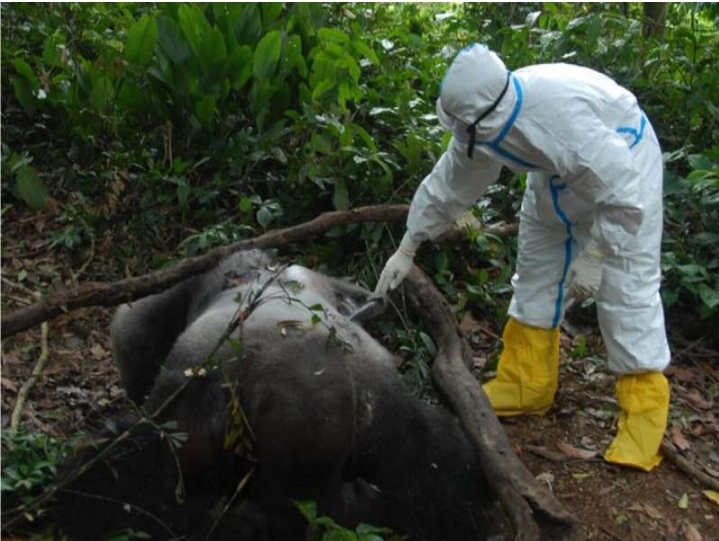
Impact of the bushmeat “industry” Spread of diseases: It should be noted that bushmeat can serve as a vector for the spread of highly infectious diseases such as Ebola, monkeypox to both human and domestic animal population. The source of Ebola is far from unknown. Apes are known to be the bearer of the virus, as well as human beings. They can mutually infect each other.
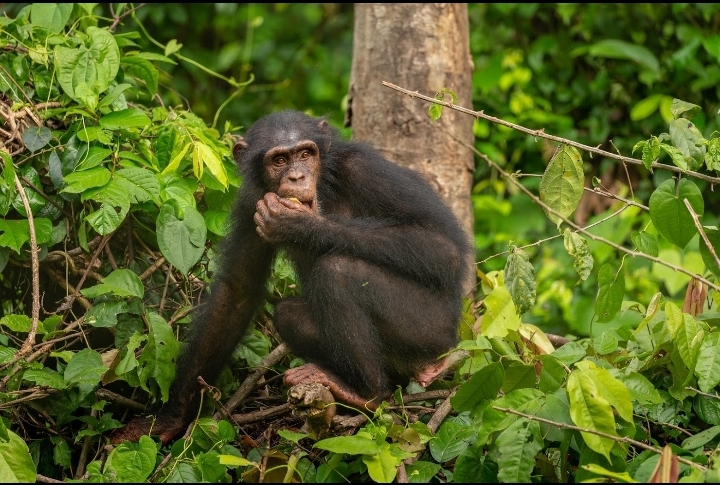
Apes are known to be the bearer of the virus, as well as human beings. They can mutually infect each other. Photo: WCS Congo
Besides apes and human beings, also plant, rodents and fruit-eating bats may be the source of the viral disease. It is known that the killing of apes for the bushmeat trade helps to spread the disease. Not by way of eating, but via the hunters who have touched the dead animals and women who prepare the food. The infection spread through blood, sweat and urine. There is evidence that one of the recent outbreak of the Ebola virus in the Congo appears to have resulted from human handling of apes for the bushmeat trade.
At present, the quantity of bushmeat exported from Africa to Europe and the United State is small relative to that which is consumed in the continent, anecdotal reports suggest that such exports may be widespread and may pose a risk of transmitting emerging diseases to the wider world. For example, in November 2003 there was an outbreak of monkeypox in the Midwest of the United State attributed to infected rodents imported from Africa thus, the ban on the importation of all African rodents dead or alive by the U.S. Food and Drug Administration.
A threat to food security: Rural communities all over Africa are historically dependent on the exploitation of natural resources most especially wildlife as a primary protein source and have hunted sustainably for generations. For most people living in the forest, bushmeat is one of the few sources of protein available, along with locally caught fish. Today’s bushmeat “industry” is depriving these communities of their basic nutritional needs, contributing to disease risk (especially when immune systems are depressed), and raising longer-term food security concerns. The Pygmy populations of Central Africa are a good example of an entire culture that is at risk.
Today’s bushmeat “industry” is depriving these communities of their basic nutritional needs… Photo: findingae.com
Major environmental crisis: The unsustainable commercial harvesting of Africa’s wildlife is the singular greatest threat to Africa’s biodiversity. It has very rapidly eradicated almost all large mammals from unprotected areas in West Africa and threatens to do the same over the next 20 years in Central Africa. As this occurs, species for which the public in Europe and the United States express particular concern, such as the elephants, lions and the great apes, are also put at great risk. In Gabon, approximately 18 million kilogrammes of bushmeat are traded every year, with an estimated turnover of Euro 50 million accounting for some 2 percent of the countries non-oil GDP.
At this point, it should be noted that the extinction of key species as a result of overhunting threatens irreversible ecological change. Take for example the loss of fruit eaters within the tropical forests alters the seed dispersal patterns of up to 80 percent of tree species. This would result in the change in forest composition and potentially alter the rate of carbon sequestration. Loss of grazers could have an equivalent impact on savannas’ ecosystem structure and function.
Possible ways out
A breeding program for wild animals has tamed the wild into “domesticated” animal, which on the long-run changes the authorities relating to its management. Some school of taught may say that this type of practice introduces a genetic erosion or variation and docility which would invariably influence meat production. The need to stimulate the rural economy through wild animal breeding programs to promote food security for the ever-growing population in Africa is more important and outweighs any demerits of this practice.
In order to achieve food security through bush meat production, Africa has to engage in active capacity development in terms of training the trainers in the improvement of the rural economy to stimulate rapid economic growth, poverty alleviation and political stability within the continent. Effort should be made by different governments to define specific strategies for achieving these goals. Such efforts could include (1) conservation education in the National Programs of Public enlightenment; (2) supporting community conservation programs as well as promoting representation of rural communities in monitoring existing wildlife conservation programs; (3) introduction of Wildlife Resources utilization programs with local community participation thus basing planning and development on grass-root consultations; (4) provision of sustainable and affordable alternative supplies of resources; (5) putting in place mechanisms to involve and authorise local people as resource managers in decision making and wildlife resources management operations while allocating a substantial percentage of the resulting/accruing revenue to them for use as social amenities; (6) encouraging and supporting activities of organised private sectors and non-governmental organisations involved in wildlife resource conservation efforts and giving national recognition to successful conservation initiatives at the local levels.
Conservation experts have called for the suspension of all great ape tourism to protect the species from Covid19. They have also called for other protective measures for the great apes.
The experts recommend that innovative measures are needed to reduce the risk of wild gorillas, chimpanzees and orangutans from encountering the virus.
SARS-CoV-2, the coronavirus responsible for the current COVID-19 pandemic, is also a threat to our closest living relatives, the great apes, conservationists reveal in a letter in Nature.
“As leading experts in the conservation and health of these animals, we urge governments, conservation practitioners, researchers, tourism professionals and funding agencies to reduce the risk of introducing the virus into these endangered apes,” the letter co-author by Thomas Gillespie, Emory University, Atlanta, Georgia, USA, and Fabian Leendertz, Robert Koch Institute, Berlin, Germany.
“They can do this by applying the International Union for Conservation of Nature’s best-practice guidelines for health monitoring and disease control in great-ape populations.”
It is yet unknown if morbidity and mortality associated with SARS-CoV-2 in humans are similar in apes. However, transmission of even mild human pathogens to apes can have severe negative effects on the apes.
• Rachel Ikemeh honoured for protecting newly discovered chimpanzee group
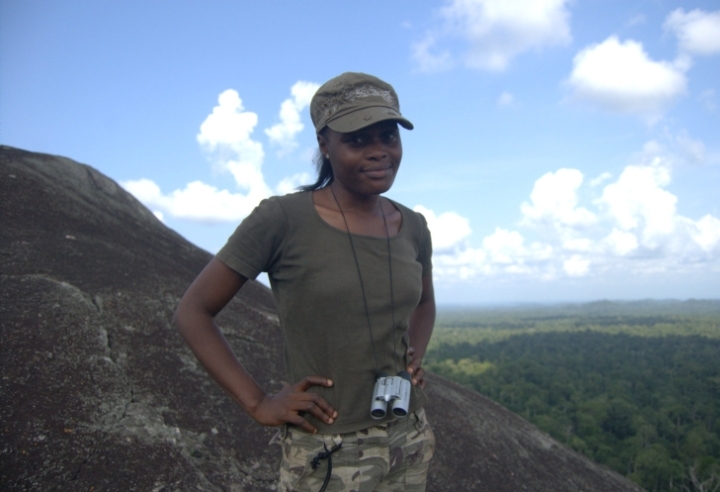
Leading conservationist Rachel Ashegbofe Ikemeh has won a prestigious Whitley Award worth £40,000 for her work with chimpanzees in her home country of Nigeria.
The Director and Founder of the SW/Niger Delta Forest Project, Rachel’s research and conservation work addresses the decline of chimpanzees and their habitat. With 80 Percent of forests lost to uncontrolled farming and logging, chimpanzee habitat has been disappearing at an alarming rate. Chimps are also under threat from poachers, hunted for their body parts.
The Whitley Awards, often referred to as ‘Green Oscars’, are awarded annually to individuals from the Global South by UK-based conservation charity the Whitley Fund for Nature (WFN). Rachel is one of six conservationists to be recognised this year for their achievements in nature conservation.
Rachel came into the conservation world after accepting an internship at the Nigerian Conservation Foundation, and soon realised she had found her calling. After the Nigerian-Cameroon chimpanzee was declared the most endangered of all chimpanzee groups in 2012, Rachel launched her project in the Idanre Forest cluster and Ise Forest Reserve; refusing to stand by and watch these great apes continue to decline.
Over the past eight years, she and her team have led a genetic study amongst other relevant activities, which in 2018 found that whilst chimpanzee populations in the South West and Niger Delta of Nigeria share ancestry with the Nigeria-Cameroon chimpanzee, they are in fact a distinct group. This exciting discovery reinforced the urgent need to protect this group of chimpanzees, helping Rachel to gain support for her cause.
Nigerian-Cameroon chimpanzee was declared the most endangered of all chimpanzee groups in 2012… Photo: WFN
Rachel’s approach combines patrolling, education, research and policy reform to protect this newly discovered primate. With her Whitley Award, Rachel aims to work with government to establish about 40,000 ha of conservation areas, and to advocate for revised laws to protect the area’s wildlife. With most wildlife preservation laws in the state created in the 70s, many have become obsolete and are in need of reform.
Rachel’s team also works closely with communities in and around forest areas, using public awareness campaigns to educate people about the importance of endangered animals and to discourage poaching.
Working against gender stereotypes as a Nigerian woman, Rachel has amazed many people with her choice of career. Her family feared the work was dangerous but they have since come to admire her strength.
“The funding will help me and my team to conserve chimpanzees and other wildlife in this fast disappearing forest ecosystem,” said Rachel Ikemeh
“In a country where women’s voices are not being heard and are often discounted, I am determined to make a difference and be an inspiration to others. Having a daughter has been like a driving force for me. There are so many obstacles for women and I want to use my resilience to show her and many young Nigerian women that they can make the sort of impact that is distinguishable, constructive and timeless despite the obstacles we face,” Rachel said.
“I am extremely proud to have been recognised by the Whitley Fund for Nature. The funding will help me and my team to conserve chimpanzees and other wildlife in this fast disappearing forest ecosystem.”
Commenting on the conservationist’s achievements, Edward Whitley, WFN Founder, expressed admiration for Rachel’s strength of character.
“Rachel’s strength of character and determination should be admired. The work of SW/Niger Delta Forest Project has made important gains for chimpanzee research and conservation, and we look forward to watching Rachel’s career progress as she scales up her work in the years to come,” Whitley said in a press release by WFN.
Rachel is among six conservationists to receive 2020 Whitley Awards to support their work to conserve some of the planet’s most endangered species and spectacular natural habitats.
Other winners are Kenya’s Abdullahi Hussein Ali for his work on landscape‐level approach to conserve the hirola antelope; Brazil’s Gabriela Rezende who is working on Connecting populations of black lion tamarins in the Atlantic Forest and South Africa’s Jeanne Tarrant who is working on country-wide strategy for South African amphibians.
The other recipients of the award are Phuntsho Thinley from Bhutan and YokYok (Yoki) Hadiprakarsa from Indonesia
While normally presented to winners by charity Patron HRH The Princess Royal at an annual Ceremony in London, the 2020 Whitley Awards Ceremony was postponed due to the COVID-19 pandemic. Whilst the winners will receive their funding now, they will be invited to attend a ceremony and related events in London later this year to celebrate their achievements, should circumstances allow.
This year’s Whitley Gold Award honours Brazilian conservationist Patrícia Medici for her outstanding dedication to protecting South America’s largest land mammal, the lowland tapir, using it as a flagship for largescale habitat preservation. Patrícia is a world expert in the science of tapir conservation and has dedicated her life to shedding light on this unusual looking, yet little-known species. Against a backdrop of political and environmental instability in Brazil, her work is more important than ever. The Whitley Gold Award enables the expansion of her work to the embattled Amazon.
The illegal wildlife trade is one of the biggest threats to biodiversity. Demand for species and wildlife products, like rhino horn, elephant ivory and pangolin scales, have triggered an increase in unsustainable harvesting of species. This causes important population declines, threatening the existence of certain species.
Traditionally, illegal wildlife trade thrived in physical markets. But today it has also moved online. In China, more than half of the trade in elephant ivory items happens on e-commerce platforms. Of this, recent investigations showed that social media platforms are the most popular ways to advertise, source, and trade species and wildlife products.
Social media offers good conditions for wildlife trafficking to thrive: the platforms are easily accessible and have a high number of users. It’s also good for sellers who can put up photographs and detailed information about the products.
But monitoring illegal wildlife trade on social media is a challenge. There are a huge number of different groups and profiles that data law enforcers have to investigate. Traders also often use code words to cover illegal transactions. So far, law enforcement efforts by governments, international organisations and NGOs have mainly focused on manually searching social media content for information. This is done on a few key species and wildlife products.
In our recent study we proposed a system that uses machine learning – a type of artificial intelligence that provides systems with the ability to automatically learn and improve from experience – to investigate illegal wildlife trade on social media platforms. To our knowledge, this is the first time automatic content identification methods have been used to investigate illegal wildlife trade on social media.
These new methods and data can provide us with fresh insights on illegal wildlife trade at a global scale. Because it’s done by a computer, it’s able to process a huge amount of information in a short space of time. It also caters for a wide range of different species and wildlife products.
How it works
The system consists of three stages: mining (examining large databases of information), filtering, and identifying relevant information on illegal wildlife trade on social media.
The whole system can be automated so that data are mined directly from social media platforms, the content is filtered and only relevant content is kept for further investigations by a computer or a person.
Neural networks make this all happen. These are a specific set of algorithms – or machine rules – that can be trained to recognise and classify species and wildlife products, like a pangolin or rhino horn, from images contained in social media posts. They can do this while also picking up the images’ settings – like a pangolin in a cage, in a market place.
Neural networks can also be trained to look for additional information in videos – like specific bird calls in audio – or in text – like the writing style characteristic of illegal transactions or special interest groups, like exotic pet owners.
Natural language processing, which analyses language, is used to infer the meaning of a text description in social media posts and assess social media users’ preferences, and their sentiment towards species and wildlife products.
By comprehensively looking at all this content we believe we will unveil patterns in the data that we would not be able to uncover otherwise – for example combinations of specific words and images.
In a previous study we demonstrated the value of such a system. We trained a deep neural network to determine whether Twitter posts with the word “rhino”, in 19 different languages, contained images of rhinoceros species. In doing so, we were successfully able to automatically identify all images relating to rhinos from Twitter content. This reduced the number of images that a human expert would have to review by over 90%.
Only a few examples of automatic online content identification exist. In another study, researchers were able to detect illegal elephant ivory items for sale on an e-commerce platform by using metadata.
Machine learning can be used to save experts’ time when manually classifying content on social media. It can also be used by social media platforms to identify and promptly remove suspicious posts.
Way forward
The biggest challenge in developing efficient monitoring algorithms is to create adequate training datasets. For instance, when classifying images algorithms need to be trained to pair images with a corresponding label – like “rhino horn”.
But for some rare species, and for many wildlife products, there is a complete lack of information that can be used to create training datasets, for example rhino horn powder. In cases like this, we aim for a less accurate result which requires less training data and improve the models with time as more data becomes available.
The advancement of the system will require working in close collaboration with social media platforms, while respecting ethical and privacy requirements. With time, success in curbing illegal wildlife trade on social media, and other digital platforms, will hopefully help to reduce poaching of species in the wild.