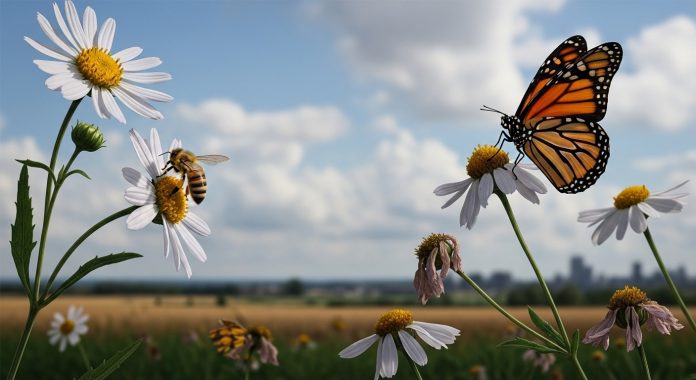
When was the last time you saw a butterfly out in the open, fluttering around flowers, or resting quietly in the sun? What about a bee, buzzing from petal to petal? If your answer is “not recently,” you’re not alone. Across the world, bees, butterflies, and other pollinators are disappearing, and that’s a much bigger problem than many realize.
Why Pollinators Matter More Than We Think
Bees and butterflies do more than just add beauty to gardens and wild spaces. They are essential workers in nature, helping plants reproduce by carrying pollen from one flower to another. This simple act of pollination supports over 75% of the world’s food crops.
Without pollinators, plants can’t produce seeds or fruit. And if the plants struggle, so does the food chain.
Bees and Butterflies: Different Roles, Same Importance
Bees
Bees are among the most efficient pollinators. Their work supports a wide range of crops, including apples, cucumbers, almonds, and melons. They also help maintain wild plant populations and contribute to soil health through their foraging habits (as they move from flower to flower collecting nectar and pollen, they spread seeds and promote plant growth).
Butterflies
Butterflies aren’t as fast or focused as bees, but they still play a role in pollination. More importantly, their larvae (caterpillars) are a key food source for birds and other animals. Butterflies are also considered “indicator species” because their presence signals a healthy environment.
What’s Causing the Decline?
Pollinators are in trouble, and the reasons are many:
Habitat Loss: As forests, fields, and wild spaces are cleared for farms, cities, and roads, pollinators lose the places they depend on to feed and nest.
Pesticides: Chemicals used to kill pests can also harm pollinators. Certain pesticides can damage bees’ brains, weaken their immune systems, and stop them from finding their way back to the hive.
Climate Change: Rising temperatures and changing seasons confuse pollinators. Flowers may bloom earlier or later than usual, missing the moment when bees and butterflies are ready to feed.
Diseases and Invasive Species: New pests and illnesses spread quickly, especially when natural habitats are weakened. This puts even more pressure on pollinators, who are already struggling to survive.
Why It Matters for Us
Food Security: No pollinators, no pollination. That means lower crop yields, fewer fruits and vegetables, and higher prices in markets.
Biodiversity: Pollinators help a vast variety of plants reproduce. When they disappear, plant species also start to vanish. This affects the entire web of life, from insects to birds to mammals.
You don’t need to be a scientist to help. Here’s how everyone can make a difference:
Protect Green Spaces: Support the Conservation of Wild Areas. Even planting native flowers in your garden or community can make a significant difference.
Avoid Harmful Chemicals: Use natural pest control methods and encourage others to do the same.
Support Pollinator-Friendly Farming: Buy from farms that protect pollinators through sustainable practices.
Act on Climate: Every step we take to reduce emissions helps protect the natural balance that pollinators rely on.
The decline of pollinators is a quiet crisis. It’s easy to miss, but its impact will be loud and lasting if we don’t act. The good news is that solutions exist, and many of them start with simple choices in our homes, gardens, and communities.
Do you have a backyard, balcony, or even a small open space in your compound? You can use it to help the planet. Climate change may seem like a distant, big problem, but the truth is that every small action counts. One of those actions is gardening.
Creating a climate-friendly garden helps reduce carbon pollution and supports wildlife. Additionally, it can provide you with fresh food, clean air, and a peaceful space to unwind.
Here’s how to start a backyard garden that fights climate change – no matter where you live.
Plant Native and Drought-Tolerant Species
Start by choosing native plants – the ones that naturally grow in your area. In Nigeria, these might include species such as aloe vera, moringa, bitter leaf (ewuro), or scent leaf (nchuanwu). If you live elsewhere, look up the native plants in your area.
Why native plants?
They don’t need much water or care.
They attract local birds, butterflies, and bees.
They are better at handling local weather, even drought.
Planting trees is especially powerful. Trees pull carbon dioxide (a main cause of climate change) from the air and store it. They also cool your surroundings and provide shade, which can reduce the need for fans and air conditioners.
Use Compost – Don’t Waste Your Food
Instead of throwing away kitchen scraps, turn them into compost. This includes things like:
Fruit peels
Vegetable leftovers
Eggshells
Yard leaves or cut grass
Composting reduces waste that would otherwise decompose in landfills and release methane, a gas more harmful than carbon dioxide. Additionally, compost provides essential nutrients to your soil, enabling plants to grow strong without the need for chemical fertilizers.
Avoid Harmful Chemicals
Chemical fertilizers and pesticides harm the soil, kill useful insects, and pollute water. Instead, use natural alternatives like:
Interplanting (for example, planting basil near tomatoes to keep pests away)
Let nature work with you, not against you.
Basil
Grow Your Food
Growing your fruits, vegetables, and herbs reduces the need to buy food transported from faraway places, which means fewer trucks on the road and lower carbon emissions.
Start small. Try:
Fluted pumpkin (“ugu” (in the Igbo language), “Eweroko” (in the Yoruba language))
Tomatoes
Pepper
Moringa
Scent leaf
Not only are they easy to grow, but you’ll also enjoy fresh, healthy meals from your garden.
Make Your Garden Wildlife-Friendly
Create a mini home for birds, bees, and butterflies. These creatures help pollinate plants and keep your garden alive.
Add a small water bowl for birds.
Leave some wildflowers or grasses.
Avoid spraying chemicals that harm insects.
You don’t need a big budget or ample space to start a climate-friendly garden. What matters is your intention and your action. By planting the right plants, composting, and reducing waste, your backyard can become a powerful tool in the fight against climate change.
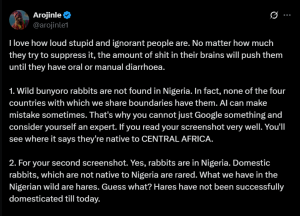
A lively debate recently sparked online: Are there wild rabbits in Nigeria? The conversation quickly caught fire, especially after a renowned conservationist firmly claimed that Nigeria doesn’t have wild rabbits at all. Many Nigerians, especially those familiar with the countryside or rural areas, found this hard to believe. So, what’s the real story? Do wild rabbits roam our forests and savannas, or has there been a mix-up all along?
Let’s investigate the facts and clear up a major case of mistaken identity.
Rabbits vs. Hares: What’s the Difference?
First, it’s important to understand that rabbits and hares are not the same, even though they both belong to the same animal family: Leporidae.
Here’s a quick breakdown:
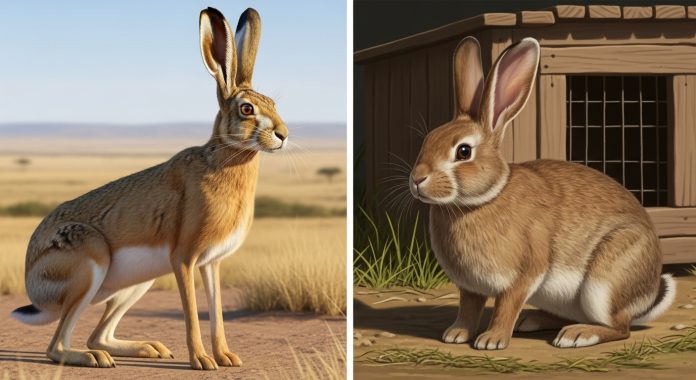
Rabbits are smaller, have shorter ears and legs, and live in burrows. They are social animals and can be domesticated easily.
Hares, on the other hand, are generally larger, faster, and more solitary. They make simple nests above ground (called forms) and are born fully furred with open eyes—ready to hop around almost immediately.
So, if you’ve seen a long-legged, fast-running “rabbit” darting through the grasslands of Nigeria, there’s a strong chance it wasn’t a rabbit at all—it was a hare.
So, Are There Any Hares in Nigeria?
Yes. Nigeria is home to hares, specifically the African savanna hare (Lepus victoriae) and, possibly, the scrub hare (Lepus saxatilis) in certain regions.
These hares aren’t commonly talked about in Nigeria’s mainstream wildlife discussions, but they are present in various habitats—especially in open grasslands, savannas, and woodland fringes. While they may not be as iconic as elephants or antelopes, they’re a part of Nigeria’s biodiversity.
The scrub hare, in particular, is native to parts of Southern and Eastern Africa but has also been reported in Nigeria. It’s worth noting, however, that its presence here is somewhat limited compared to countries like South Africa or Namibia. Nonetheless, occasional sightings and local knowledge suggest that hares do exist in Nigeria, even if they’re not widespread or heavily studied.
But What About Wild Rabbits?
Now here’s the key clarification: There are no confirmed native wild rabbit species in Nigeria.
The confusion likely stems from the similar appearance of hares and rabbits, especially for people who may not know the scientific distinctions. When people talk about seeing “wild rabbits” in the bush, they are most likely referring to hares.
The Rise of Domestic Rabbit Farming
While wild rabbits may not be native to Nigeria, domestic rabbits are increasingly common. In fact, rabbit farming has become a growing trend, especially among smallholder farmers and urban entrepreneurs.
These domestic rabbits—imported breeds that are now widely reared across the country—are raised for:
Meat: A healthy, low-fat source of protein
Fur: Though not yet widespread, it has potential for local textile production
Pets: Many families keep rabbits as pets, particularly in urban settings
What makes rabbit farming attractive is that rabbits require minimal space, reproduce quickly, and are relatively inexpensive to feed and manage. This makes them ideal for low-income households seeking extra income or protein for the family dinner table.
Conservation and Sustainable Livelihoods
Interestingly, the growth of rabbit farming is not just an economic opportunity—it has conservation benefits too.
By promoting rabbit farming as an alternative to hunting bushmeat, communities can reduce pressure on Nigeria’s wild animal populations. Instead of hunting hares, antelope, or other endangered species, farmers can rely on rabbits for meat—creating a win-win for both conservation and rural development.
A study in the Nigerian Journal of Animal Production highlighted how integrating rabbit farming into agricultural practices can support food security and reduce illegal wildlife trade, especially in areas where bushmeat is a major protein source.
In Conclusion, No Wild Rabbits
So, to settle the debate: Nigeria does not have native wild rabbits—but it does have wild hares.
The African savanna hare and possibly the scrub hare are part of Nigeria’s landscape, even if they don’t get the spotlight. And while true rabbits may not hop around in the wild here, they are thriving in homes and farms across the country—feeding families, generating income, and offering an eco-friendly alternative to bushmeat.
So the next time someone says, “I saw a wild rabbit in the bush,” smile and gently ask: Are you sure it wasn’t a hare?
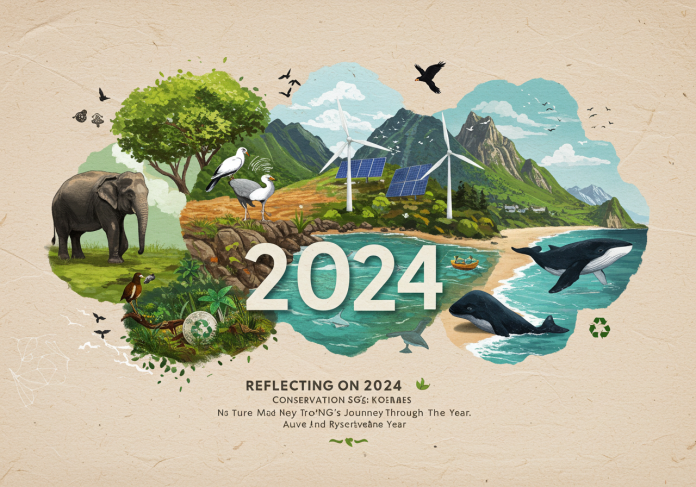
As 2024 comes to a close, we at ConservationsNG want to take a moment to reflect on an incredible year of raising awareness, sharing knowledge, and advocating for conservation, wildlife, and a healthier planet. From wildlife stories to climate action, it’s been a lot of learning, exploring, and encouraging change. Let’s check out the highlights of what we’ve covered this year and why you should stick with us for even more in 2025.
Celebrating Parks, Wildlife, and Ecotourism
This year, parks and ecotourism took centre stage on ConservationsNG. We looked into how parks serve as safe havens for wildlife while offering unforgettable experiences for visitors. Articles like Kainji Lake National Park became readers’ favourites, showing just how much these natural treasures mean to our readers. We also went global with Top National Parks in the World, spotlighting stunning locations that remind us why we need to protect our planet.
We also tackled interesting myths and misconceptions. One standout piece was Are Snakes Poisonous or Venomous?, where we explained the difference between the two: “If it bites you and you die, it’s venomous. If you bite it and you die, it’s poisonous.” It was a fun yet informative way to help readers understand these often misunderstood creatures.
Diving Into Plant Life and Permaculture
Plants got their fair share of the spotlight too! We answered the thought-provoking question Do Plants Feel Pain? by explaining that plants don’t have pain receptors, even though that doesn’t give us an excuse to harm them recklessly. We also focused on permaculture, highlighting its role in sustainable farming and environmental restoration.
Standing Against Plastic Pollution
On Earth Day, we joined the global fight against plastic pollution with Planet vs. Plastics: Earth Day 2024’s Urgent Call to Action. This article showed the immense threat plastics pose to our planet and how small changes in our daily habits can make a big difference.
A Love Letter to Forests
One of our favourite features this year was 10 of the Largest Forests in the World. We discovered the vast beauty of forests like the Amazon and Taiga, sharing their vital role in balancing our ecosystems. Forests aren’t just beautiful—they’re essential for life on Earth.
Climate Action and Global Conversations
Towards the end of the year, COP29 took the stage, and we jumped in with our coverage, COP29: A Crucial Step Toward Climate Action and Financial Reform. This global gathering set the tone for urgent climate action and inspired us to write even more about how we can all contribute. Articles like Simple Habits for a Greener 2025 gained quick attention, showing that our readers are eager to make positive changes.
As we look forward to 2025, we’re excited to keep exploring the fascinating world of conservation. Whether it’s uncovering hidden wildlife stories, diving deeper into climate solutions, or spotlighting breathtaking parks and forests, we’ll be here to inspire, educate, and advocate for a healthier planet.
We couldn’t do this without you, our amazing readers. Your comments, shares, and support keep us motivated to continue this vital work. So here’s a big thank you from all of us at ConservationsNG.
Let’s make 2025 even better! Stay tuned for more articles, tips, and stories that celebrate our planet and the incredible life it supports. Together, we can create a brighter, greener future.
Until next year, keep exploring, keep learning, and keep caring for our world. See you in 2025! 🌍
As we bid farewell to 2024, it’s impossible to ignore the unprecedented toll that climate change has taken on our world. This year marked the hottest in recorded history, with record-breaking temperatures in both the atmosphere and oceans fueling extreme weather events across the globe. According to World Weather Attribution (WWA), nearly every disaster analysed in 2024 was exacerbated by climate change. Climate scientist Friederike Otto put it briefly: “The impacts of fossil fuel warming have never been clearer or more devastating than in 2024. We are living in a dangerous new era.”
Heat Waves
Extreme heat claimed thousands of lives in 2024, from the 1,300 fatalities during the Muslim hajj pilgrimage in Saudi Arabia—where temperatures soared to 51.8°C (125°F)—to deadly heatwaves in Thailand, India, and the United States. In Mexico, conditions were so severe that howler monkeys fell dead from trees, while Pakistan shut down schools as temperatures exceeded 50°C. Greece experienced its earliest heatwave, which closed its iconic Acropolis and caused devastating wildfires. Europe as a whole endured its hottest summer on record.
Floods
Warmer oceans, driven by climate change, have led to higher evaporation rates and increased atmospheric moisture, resulting in heavier rainfall and catastrophic flooding worldwide. The United Arab Emirates saw two years’ worth of rain in a single day in April, turning parts of the desert into a temporary sea. Kenya suffered back-to-back disasters, shifting from a historic drought to the worst floods in decades. West and Central Africa experienced catastrophic flooding that killed over 1,500 people and left four million in need of aid.
Europe, too, faced its share of devastation, particularly in Spain’s Valencia region, where the October floods claimed more than 200 lives. In Nigeria, persistent rains triggered widespread flooding across 31 states, causing hundreds of deaths, injuring thousands, and displacing over 1.2 million people. The collapse of the Alau Dam in Borno State alone killed 150 people and displaced 419,000.
Cyclones
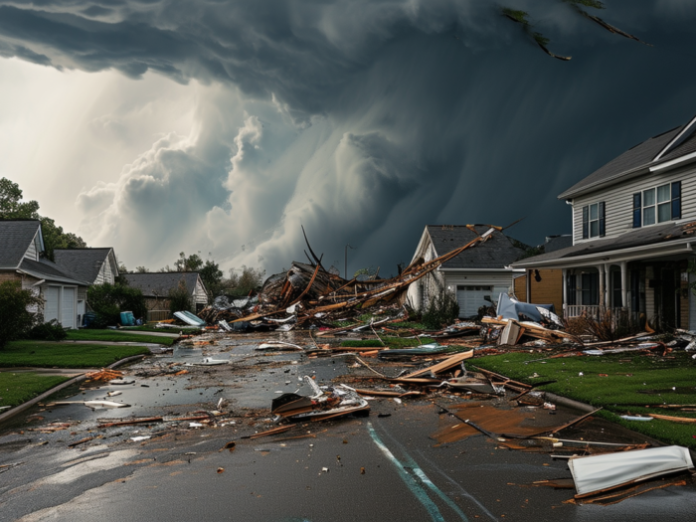
Warmer ocean surfaces provided additional energy for tropical cyclones in 2024, intensifying their destructive power. The Atlantic hurricane season brought major hurricanes, including Milton, Beryl, and Helene, which wreaked havoc across the United States and the Caribbean. In Southeast Asia, the Philippines endured six major storms in November, compounding the destruction left by Typhoon Yagi just months earlier. In December, Cyclone Chino—fueled by climate change—slammed into Mayotte, devastating one of France’s poorest overseas territories.
Droughts and Wildfires
While some regions faced torrential rains, others suffered from crippling droughts. Severe drought-parched much of the Americas, with wildfires torching millions of hectares in the western United States, Canada, and the Amazon basin. By September, over 400,000 fires had been recorded across South America, enveloping the continent in smoke. Meanwhile, according to the World Food Programme, southern Africa’s months-long drought left 26 million people at risk of hunger.
The Economic and Human Toll
The human cost of these disasters is immeasurable, but the economic cost highlights the massive scale of the destruction. Swiss Re, a Zurich-based reinsurance giant, estimated global damages at $310 billion as of December. In the United States alone, 24 weather disasters each caused over $1 billion in damages by November. Flooding in Valencia and hurricanes like Helene and Milton were among the most costly events, while Brazil’s drought inflicted $2.7 billion in agricultural losses. Even global wine production fell to its lowest level since 1961 due to “climatic challenges.”
Nigeria
Nigeria demonstrated the varied effects of climate change in 2024. Heavy rainfall—worsened by global warming—triggered catastrophic flooding that affected 31 states. Poor drainage systems, rising sea levels, and silt buildup in rivers compounded the crisis, causing hundreds of deaths and massive displacement. In Lagos, floods destroyed buildings and disrupted education, while Borno State’s dam collapse submerged communities and displaced nearly half a million people. Nigeria’s experience shows how human and natural factors combine to worsen climate change impacts.
A Call to Action
The disasters of 2024 are a stark reminder of the urgent need for global action to combat climate change. As we reflect on this year of extremes, let us commit to adopting greener habits for a more sustainable future. From reducing fossil fuel dependence to investing in resilient infrastructure, every step counts in mitigating the impacts of our warming world. For actionable tips on how to make a difference, check out our previous article on simple habits for a greener 2025.
Together, we can work towards a future where such devastating climate disasters become a thing of the past.
Climate change poses a significant threat to ecosystems and wildlife worldwide, prompting urgent action to mitigate its effects. However, while climate change solutions aim to protect the environment, they can have both positive and negative impacts on wildlife. A nuanced understanding of these impacts is crucial for developing truly sustainable solutions.
Positive Impacts of Climate Change Solutions
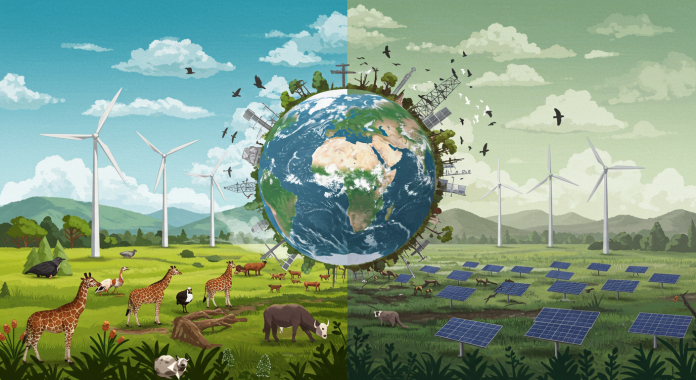
Many climate change solutions contribute directly to the preservation of wildlife by addressing the root causes of habitat degradation and biodiversity loss. Renewable energy sources like wind and solar power reduce reliance on fossil fuels, decreasing greenhouse gas emissions that contribute to global warming. By mitigating climate change, these solutions help preserve ecosystems that are critical for countless species.
Additionally, reforestation and afforestation efforts can create habitats for a variety of wildlife species, supporting biodiversity and improving ecological balance. For example, restoring degraded mangroves provides shelter for marine and bird species while also protecting coastlines from erosion.
Marine conservation initiatives, such as the creation of marine protected areas, combat the impacts of rising ocean temperatures and acidification, safeguarding critical habitats like coral reefs and kelp forests. Similarly, projects that promote sustainable agriculture can enhance soil health and water quality, benefiting species that depend on these ecosystems.
Negative Impacts of Climate Change Solutions
Despite their benefits, some climate change solutions can unintentionally harm wildlife if not carefully implemented. Large-scale renewable energy projects, such as wind farms, have been associated with bird and bat fatalities due to collisions with turbines. This is particularly concerning during migration periods when these species are more vulnerable.
Similarly, expansive solar farms can fragment habitats, disrupting ground-dwelling species and their ecosystems. While these projects are essential for reducing carbon emissions, they must be designed with wildlife corridors to minimize habitat disruption.
Biofuel production presents another challenge. The large-scale cultivation of crops for biofuels can lead to deforestation and habitat loss, especially when native vegetation is replaced with monocultures. This not only reduces biodiversity but also threatens species that rely on native plants for food and shelter.
Invasive species introduced during restoration projects can also cause ecological imbalance. Non-native plants used for reforestation might outcompete native vegetation, altering ecosystem dynamics and affecting the wildlife dependent on those native species.
Moreover, poorly managed carbon capture and storage initiatives could contaminate groundwater resources, impacting wildlife that depends on these water sources for survival.
Mitigating Negative Impacts
To guarantee climate change solutions benefit wildlife, thorough environmental impact assessments must be conducted. These assessments help identify potential risks and develop mitigation strategies that would fit the local ecosystems. For instance, wind farms can be strategically sited away from migration routes, and solar farms can integrate wildlife-friendly designs, such as maintaining natural vegetation corridors.
Species-specific planning is also essential. Understanding the needs of local wildlife, including their critical habitats and migration patterns, allows for the creation of solutions that minimize disruption.
Adaptive management is crucial for long-term success. Continuous monitoring of wildlife populations and ecosystem health can help identify unforeseen impacts and inform adjustments to practices, making sure solutions remain effective and sustainable.
Conclusion
Climate change solutions hold immense potential to protect wildlife and restore ecosystems. However, their implementation must be guided by careful planning and ongoing evaluation to avoid unintended consequences. By balancing innovation with ecological sensitivity, we can address climate change while safeguarding the diverse species that share our planet.
As we step into 2025, there’s no better time to adopt simple habits that can make a big difference for our planet. Protecting the environment doesn’t have to be overwhelming; small, consistent actions can reduce your carbon footprint and contribute to a healthier Earth. Let’s check out some practical ways to live more sustainably next year.
Save Energy, Save the Planet
Use LED light bulbs, they last longer and use less power
Reducing energy use is one of the easiest ways to reduce carbon footprint. Start by:
Turning down the cooling when it’s not needed.
Switching to LED light bulbs that last longer and use less power.
Washing clothes in cold water and hanging them to dry.
Investing in energy-efficient appliances.
For a bigger impact, consider improving your home’s ventilation and choosing renewable energy sources. Every watt saved helps the planet breathe a little easier.
Use Water Wisely
Water is precious
Water is precious, so let’s use it wisely:
Fix leaks promptly.
Take shorter showers.
Turn off the tap while brushing your teeth.
These simple steps not only save water but also reduce the energy used to pump and heat it.
Waste Less Food
Plan meals ahead of time
Food waste isn’t just bad for your wallet; it’s bad for the environment too. You can reduce food waste by:
Planning meals ahead of time.
Freezing leftovers or excess food.
Sharing extra portions with friends.
Cutting down on meat consumption, especially beef, and choosing sustainably sourced seafood can also make a huge difference.
Travel Smarter
Use public transportation
Transportation is a major contributor to greenhouse gas emissions. You can travel efficiently by:
Using public transportation, biking, or walking.
Choosing environmentally friendly vehicles if you drive.
Every step or pedal helps reduce pollution and keeps our air cleaner.
Consume Less, Reuse More
Recycle and reuse
Before you buy, ask yourself: “Do I really need this?” Reducing consumption is key:
Recycle and reuse whenever possible.
Avoid single-use plastics.
Repair items instead of replacing them.
Skip fast fashion and invest in quality, sustainable products.
Local Inspiration: Lessons from the Nigerian Conservation Foundation
At the 2024 Annual Green Ball, the Nigerian Conservation Foundation (NCF) highlighted the importance of partnerships in tackling environmental challenges like climate change, biodiversity loss, and desertification. Their Director-General, Dr. Joseph Onoja, emphasized the need for integrated solutions to ensure we solve one problem without creating another. For example, renewable energy projects should avoid damaging biodiverse areas.
The NCF’s work is a shining example of what’s possible. From planting over 20,000 mangrove seedlings to restoring wetlands and protecting biodiversity, their efforts inspire us to take action. Mangroves, for instance, act as natural sponges that prevent flooding and maintain ecological balance. Imagine what could be achieved if more individuals and organizations joined forces like this!
Justice R.I.B Adebiyi, Chairperson of NCF’s National Executive Council, encourages us all to embrace eco-friendly habits. Whether it’s eating less meat, sorting waste, or planting trees, every small effort adds up.
Let’s Make 2025 Greener Together
The beauty of these habits is their simplicity. By conserving energy and water, wasting less, travelling smarter, and consuming less, you’re contributing to a better world. And when we draw inspiration from organizations like the NCF, we see how collective action can amplify these efforts.
Let’s make 2025 a year of change, one small step at a time. Together, we can create a greener, healthier future for generations to come.
Chad Basin National Park is a prominent protected area in northeastern Nigeria, covering approximately 2,258 square kilometres across Borno and Yobe States. The park comprises three main sectors: Chingurmi-Duguma, known for its rich savanna ecosystems and diverse wildlife; the Bade-Nguru Wetlands, an important habitat for migratory birds; and the Bulatura Oases, featuring unique desert landscapes. The park is home to various species, including giraffes and ostriches, and plays a crucial role in conservation efforts. Visitors can enjoy activities like birdwatching, wildlife viewing, and exploring the nearby Lake Chad. Access is typically via Maiduguri, the nearest city, making it an intriguing destination for eco-tourism and nature enthusiasts.
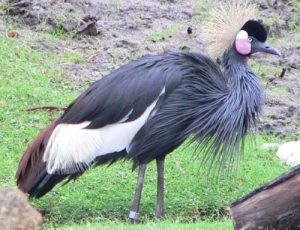
A Black-crowned crane – This image is courtesy of wikipedia.org
Overview
Geographic Location and Historical Significance
Chad Basin National Park is situated in northeastern Nigeria, spanning Borno and Yobe states. Covering approximately 2,258 km² within the Sudano-Sahelian ecological zone, the park lies in the historical region of the former Kanem-Bornu Empire, which thrived from the 9th to 19th centuries. Established in 1991, the park reflects the area’s rich cultural and ecological heritage.
Landscape and Natural Features
The park’s diverse terrain includes savanna woodlands, wetlands, and scenic sand dunes. The Chingurmi-Duguma sector, the largest, features Acacia-Balanites woodlands and seasonal floodplains that attract vibrant birdlife. The Bade-Nguru Wetlands, a critical part of the Hadejia-Nguru Wetlands, serve as a stopover for migratory birds and include the Dagona Waterfowl Sanctuary. The Bulatura Oases, with fertile dune depressions, host unique desert wildlife like giraffes and ostriches.
Current Status and Challenges
Managed under IUCN Category II, Chad Basin National Park prioritizes conservation and sustainable tourism. However, it faces significant challenges, including habitat degradation and insecurity, which have limited research and visitor access. Despite its ecological richness, deteriorating infrastructure and management issues have impacted its appeal to tourists.
A Brief History
Chad Basin National Park’s roots can be traced to the Kanem-Bornu Empire, a significant West African state established before the 10th century. Centred around the Lake Chad Basin, this empire thrived as a hub of trade and governance from the 9th to the 19th century, rivalling the Songhai and Mali Empires.
The park’s lands, historically tied to the Kanem-Bornu legacy, were initially designated as a game reserve in 1975 under Borno Province and were later elevated to national park status in 1991. It was formed by combining areas such as the Chingurmi-Duguma Game Reserve and Bade-Nguru Wetlands, aiming to preserve its ecological and historical heritage.
International recognition came with visits from Prince Philip in 1989 and Prince Charles and Princess Diana in 1990, underscoring its cultural and environmental significance. Despite challenges, the park remains a key site for biodiversity conservation, bridging its rich history with efforts to protect its unique landscapes and wildlife.
Ecological Diversity
Flora
Chad Basin National Park boasts remarkable plant diversity, with over 700 documented species. The vegetation reflects the park’s varied ecological zones, ranging from savannas to wetlands. Dominant flora includes various acacia species and the iconic baobab tree, which thrive in the park’s drylands. Wetland areas are rich with aquatic plants such as papyrus and reeds, which flourish during seasonal floods. The park also supports a mix of annual grasses and perennial species, showcasing adaptability to fluctuations in water availability. This diverse plant life provides critical habitats for the park’s wildlife, sustaining the delicate balance of its ecosystems.
Fauna
The park is a haven for wildlife, harbouring an impressive array of species across its landscapes.
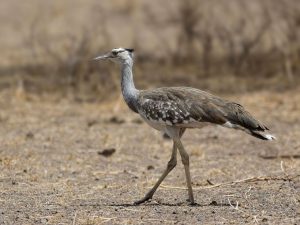
Birds: Approximately 532 bird species, both resident and migratory, have been recorded. Key species include the black-crowned crane, a vulnerable resident, as well as the Arabian bustard and visiting Demoiselle cranes. The wetlands are particularly vital during migration, attracting large numbers of waders and white storks.
Arabian bustard – This image is courtesy of wikipedia.org
Mammals: Chad Basin National Park supports 131 large mammal species. Among them are iconic animals such as giraffes and ostriches, which find their last stronghold in Nigeria here. Other notable species include gazelles, hippopotamuses, and Nile crocodiles.
Reptiles and Aquatic Life: The wetlands teem with reptiles, such as monitor lizards, and various fish species that sustain local fisheries.
Visitor Experience
Chad Basin National Park offers visitors a blend of adventure, relaxation, and cultural discovery, making it one of Nigeria’s unique natural destinations.
Wildlife Observation: The park provides opportunities to view iconic animals such as giraffes, ostriches, hippopotamuses, crocodiles, and clawless otters. Nature enthusiasts can tour its diverse habitats, from savannas to wetlands, for close encounters with these species.
Birdwatching: The park is a birdwatcher’s paradise, with over 500 bird species, including black-crowned cranes, demoiselle cranes, guinea fowl, and migratory waders. The wetlands are particularly active during the dry season, drawing bird enthusiasts from around the globe.
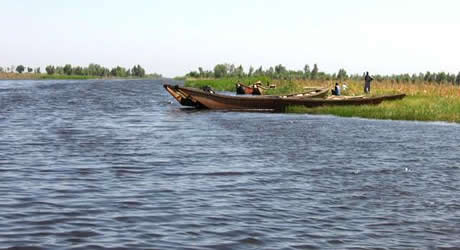
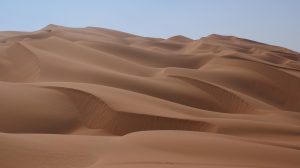
Outdoor Activities: Visitors can enjoy activities such as boating near Lake Chad, picnicking in scenic areas, and exploring the striking sand dunes at Bulatura Oases. The park’s fishing villages also offer unique insights into traditional livelihoods.
A sand dune – This Image is courtesy of wikipedia.org
Cultural and Photography Opportunities: Local communities provide a glimpse into life intertwined with the park’s natural environment, while the diverse landscapes and wildlife make for excellent photography.
The best time to visit is during the dry season (November to April) when wildlife is more visible and migratory birds populate the wetlands. Chad Basin National Park promises an unforgettable experience for nature lovers and adventure seekers alike.
Challenges and Conservation Outlook
Challenges
Chad Basin National Park is beset by various challenges, many of which arise from environmental, socio-economic, and governance pressures:
Water Scarcity: The semi-arid location of the Lake Chad Basin leads to physical water scarcity, while inadequate technology results in economic water scarcity. These factors disrupt ecosystems and reduce biodiversity.
Loss of Biodiversity: Declining water levels and environmental degradation have caused significant habitat loss, affecting fish, birds, and aquatic plants.
Conflict and Human-Wildlife Interaction: Local communities depend on park resources for survival, leading to conflicts over grazing and fishing within park boundaries. Broader conflicts, including terrorism, exacerbate challenges.
Desertification: Unsustainable land use and climate change drive desertification, reducing arable land and natural habitats.
Weak Governance and Funding: Insufficient funding and weak management structures hinder effective conservation efforts, leaving the park vulnerable to illegal activities like wildlife trafficking, logging, and mining.
Conservation Outlook
Despite the challenges, several strategies offer hope for Chad Basin National Park’s future:
Community Engagement: Integrating local communities into conservation programs can foster sustainable practices and improve relationships with park authorities.
Integrated Management: Sustainable land-use systems that balance ecological health with human activities such as grazing and fishing can help achieve conservation goals.
Regional Cooperation: Collaborative efforts among Lake Chad Basin countries can address transboundary issues like pollution and habitat degradation.
Increased Funding: International support and investment can improve conservation initiatives, including compensatory schemes for local communities that promote biodiversity protection.
Strategic interventions that address these challenges can ensure the long-term sustainability of Chad Basin National Park.
Final Note
Chad Basin National Park stands as a testament to the beauty and resilience of Nigeria’s natural heritage. Despite facing numerous challenges, the park remains a vital sanctuary for biodiversity and a hub for eco-tourism. With concerted efforts in conservation, community engagement, and sustainable management, Chad Basin National Park has the potential to thrive as a beacon of ecological preservation and cultural significance. By safeguarding this treasure, we make sure that its legacy endures for future generations to cherish.
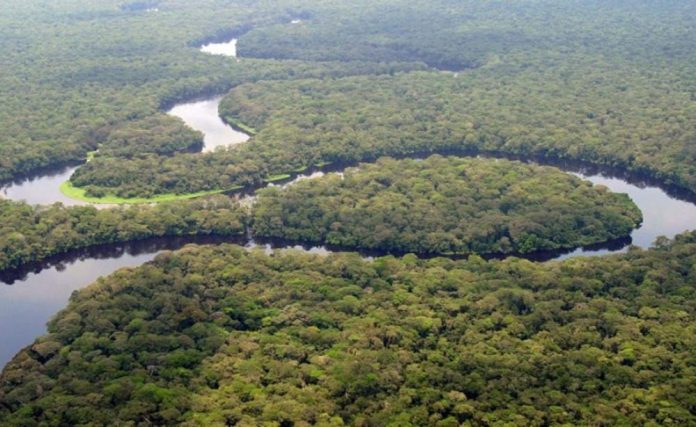
In the heart of Africa lies the Congo Basin, one of the most ecologically vibrant regions on the planet. Over the past decade, in this rainforest, stretching across six countries, 742 new species of plants and animals have been discovered. This announcement, detailed in the World Wildlife Fund’s (WWF) report New Life in the Congo Basin: A Decade of Species Discoveries (2013–2023), is both a celebration of nature’s abundance and a wake-up call to humanity.
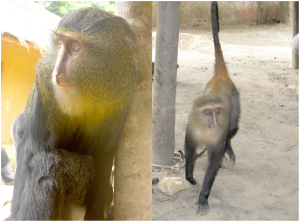
These discoveries include 430 plants, 140 invertebrates, 96 fish, 22 amphibians, 42 reptiles, 2 birds, and 10 mammals. Each species adds to our understanding of biodiversity. Highlights include the ‘lesula’ monkey, a striking venomous bush viper, delicate orchids, and the intriguingly named dragonfly Umma gumma. Indigenous knowledge played a key role in these discoveries, emphasising the depth of ecological understanding held by local communities.
Lesula monkey (Cercopithecus lomamiensis) – This Image is courtesy of wikpedia.org
These findings are monumentally significant. First, they reaffirm the Congo Basin’s status as one of the world’s greatest biodiversity hotspots. This region alone harbours about 10,000 tropical plant species, with roughly 30% found nowhere else on Earth. Beyond its scientific importance, this biodiversity supports over 75 million people who depend on its resources for food, shelter, and cultural identity.
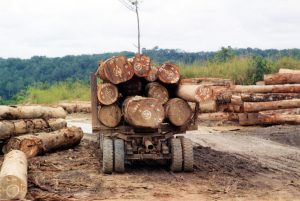
The Congo Basin’s role extends far beyond its regional significance. As a critical carbon sink, it helps mitigate climate change and supports global weather patterns, heightening the urgent need to protect it. However, the region faces serious threats: deforestation driven by agriculture and logging, poaching of iconic species like forest elephants, and habitat loss accelerated by climate change. Mining activities and human-wildlife conflicts compound these challenges, putting immense pressure on its ecosystems.
An industrial logging operation in the Congo Basin – This Image is courtesy of wikpedia.org
Preserving the Congo Basin is not just about protecting a unique ecological treasure; it is about securing a lifeline for local communities and ensuring global ecological stability. The WWF’s report calls for immediate action, advocating collaboration among governments, conservationists, and local communities. Recognizing indigenous knowledge and fostering sustainable land-use practices are crucial to safeguarding this irreplaceable natural heritage.
While the discovery of 742 species offers hope, it also reminds us of the fragility of these ecosystems. Protecting the Congo Basin is a collective responsibility—one that makes sure that life continues to thrive for generations to come.
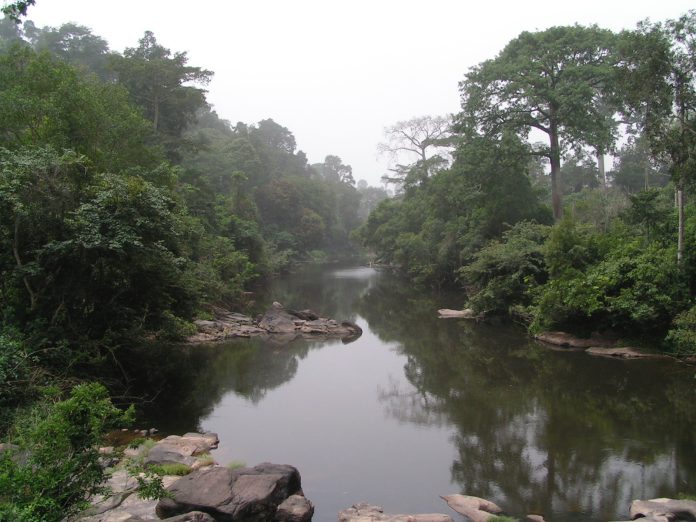
MINOLTA DIGITAL CAMERA
Image courtesy of https://wildplanettrust.org.uk/
The Oluwa Forest Reserve in Ondo State, Nigeria, established in 1918, is facing unprecedented challenges from deforestation, which threatens its rich biodiversity and ecological importance. Once a critical habitat for endangered species like the Nigeria-Cameroon chimpanzee and red-capped mangabeys, the reserve lost approximately 18% of its primary forest between 2002 and 2023, with recent satellite data showing an alarming rise in forest clearing and fires in 2024.
A combination of smallholder farming and industrial plantations drives the forest’s decline. Rising unemployment and poverty have pushed many young people and skilled artisans to the reserve, seeking opportunities in agriculture. Fertile land and a favourable climate make it attractive, leading to the widespread conversion of forested areas into farmland. Meanwhile, industrial activities, particularly large-scale plantations for palm oil and cocoa, have intensified forest loss.
Human activities, including slash-and-burn farming, have also triggered frequent fires in the forest. In 2024, the reserve experienced the highest number of fires since monitoring began in 2012, intensifying the already dire situation.
Efforts to reclaim the reserve have faced resistance from local communities who rely heavily on the forest for their livelihoods. In 2022, around 10,000 farmers protested government eviction attempts, arguing that their agricultural activities are essential for survival. The evictions were halted by a court injunction, emphasizing the tension between conservation efforts and the socioeconomic realities of the region.
The ongoing deforestation poses severe risks to biodiversity, with conservationists warning that species like the Nigeria-Cameroon chimpanzee could face local extinction due to habitat loss and increased hunting. Additionally, the degradation threatens essential ecosystem services such as carbon sequestration and water regulation, which are vital for climate resilience and local communities.
Despite monitoring efforts and conservation initiatives, weak enforcement has allowed forest clearing to continue unchecked. Experts emphasise the urgent need for solutions that balance local economic needs with sustainable land management. Community involvement will be crucial to developing effective strategies that protect the reserve while addressing the socioeconomic challenges faced by its inhabitants.
The Oluwa Forest Reserve is at a critical crossroads. Without immediate and decisive action from local authorities, conservation organisations, and the global community, this invaluable ecosystem may face irreversible damage, destroying the unique species and resources it sustains.










.png)
