Home Blog Page 4

Promoting Wildlife Conservation and Responsible Pet Ownership in Nigeria

0

Nigeria is home to a rich diversity of wildlife and natural resources but faces environmental challenges, from habitat loss to climate change. Addressing these issues requires the effort of government agencies, non-governmental organisations, and individuals. This article highlights the key government bodies involved in wildlife conservation and how you can contribute to animal welfare by adopting pets rather than buying them.

Government Bodies Leading Wildlife Conservation

  1. Federal Ministry of Environment: The Federal Ministry of Environment, established in 1999, is Nigeria’s primary institution for addressing environmental issues. It oversees policies to preserve natural resources and mitigate environmental threats such as deforestation, desertification, and pollution. The Ministry plays an important role in implementing strategies like the National Elephant Action Plan (NEAP), which focuses on protecting endangered species and their habitats. The Ministry is currently led by Minister Balarabe Abbas Lawal and Minister of State Iziaq Adekunle Salako, appointed in 2023.
  2. National Park Service (NPS): The National Park Service was established in 1991 to manage Nigeria’s national parks and reserves. These parks, such as Cross River National Park and Gashaka Gumti National Park, serve as habitats for wildlife while promoting ecotourism. The NPS enforces conservation laws, works to prevent poaching, and promotes community engagement in protecting biodiversity.
  3. Nigerian Conservation Foundation (NCF): Founded in 1980, the NCF is a non-governmental organization working to protect Nigeria’s natural heritage. It collaborates with the government on various conservation projects, focusing on research, education, and community involvement. With leadership from Chairman Chief Ede Dafinone and Director-General Dr. Muhtari Aminu-Kano, the NCF promotes environmental tourism to increase awareness about Nigeria’s wildlife and resources.
  4. National Environmental Standards and Regulations Enforcement Agency (NESREA): Established in 2007, NESREA is responsible for enforcing environmental laws and ensuring compliance with regulations designed to protect wildlife and natural habitats. The agency conducts inspections, monitors industrial activities, and enforces penalties for violations. NESREA’s work is crucial in curbing human activities that harm the environment, such as illegal logging and pollution.
  5. Wildlife Conservation Society (WCS): Operating in Nigeria as part of a global initiative, the WCS employs science-based strategies to safeguard wildlife. The organization focuses on anti-poaching efforts and habitat preservation, particularly for endangered species like elephants and gorillas. Through partnerships with local communities, WCS aims to balance conservation goals with sustainable livelihoods.

Why Pet Adoption Matters

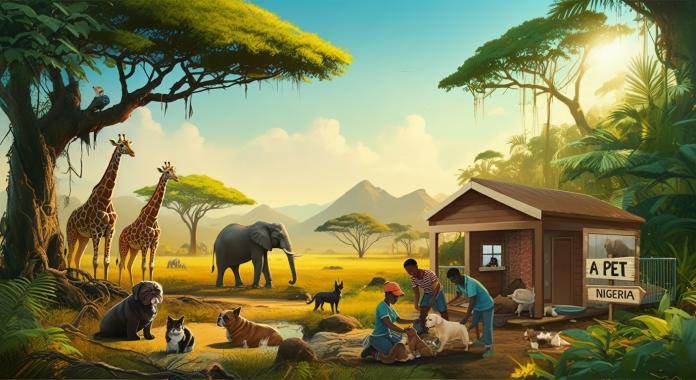
In addition to wildlife conservation, promoting a culture of compassion for domesticated animals is equally important. Adopting pets rather than purchasing them can significantly impact animal welfare in Nigeria.

  • Compassionate Choice: By adopting, you provide a home to animals in need, reducing the number of homeless pets and promoting a culture of care and empathy.
  • Cost-Effective: Adoption fees are lower than the cost of buying a pet. In many cases, adopted animals are already vaccinated, spayed, or neutered, saving additional costs.

Where to Adopt Pets in Nigeria

  • Saint Mark’s Animal Hospital and Shelter (Lagos): Located in Ajah, Lagos, this shelter provides adoption services for dogs, cats, and other pets. They also offer veterinary care and advocate for responsible pet ownership. Website: Saint Mark’s Animal Shelter.
  • Animal Rescue Centre: With multiple locations across Nigeria, this organization focuses on rescuing abandoned or abused animals and finding them loving homes. It also encourages community involvement in animal welfare activities. Some of them include: Greenfingers Wildlife Conservation, Dogman Pet World and Nigeria Animal Rescue.
  • Local Animal Shelters: Across Nigeria, many local shelters and rescue groups dedicate their efforts to saving animals. Checking with shelters in your area can help you find a pet in need.

Your Role in Conservation and Animal Welfare

Wildlife conservation and animal welfare depend on the active participation of all Nigerians. By supporting government initiatives and organizations like the NCF and WCS, you can contribute to protecting Nigeria’s rich biodiversity. At the same time, adopting pets from shelters rather than buying them supports a more humane approach to animal care.

Small steps, such as volunteering at shelters, spreading awareness about conservation, and reducing your environmental footprint, can collectively make a big difference. Together, we can be certain of a future where Nigeria’s wildlife and domesticated animals thrive, creating a harmonious coexistence between people and nature.

COP29: A Crucial Step Toward Climate Action and Financial Reform

0

As the 29th Conference of the Parties (COP29) to the United Nations Framework Convention on Climate Change (UNFCCC) convenes in Baku, Azerbaijan, world leaders and environmental advocates gather to address critical climate issues. Running from November 11 to November 22, 2024, at the Baku Stadium, this year’s COP comes at a time of heightened urgency, with recent extreme weather events emphasizing the stakes. With representatives from nearly 200 nations in attendance, COP29 aims to solidify a new approach to climate financing, while addressing national commitments, adaptation strategies, and support for vulnerable communities.

Key Issues at COP29

  • Climate Finance and the New Collective Quantified Goal (NCQG): One of the foremost goals is setting a new financial target to replace the outdated $100 billion annual commitment, which has proven inadequate given the escalating impacts of climate change on developing nations. Negotiators will discuss innovative financial mechanisms to see that predictable, accessible funds reach the most affected communities. This commitment is particularly serious for developing nations seeking support as they endure the increasing costs of adaptation and recovery.


  • Strengthening Nationally Determined Contributions (NDCs): Countries are expected to update their Nationally Determined Contributions (NDCs)—plans to reduce greenhouse gas emissions. The deadline for these updates follows COP29 closely, and the summit is seen as a prime moment to inspire stronger, science-backed commitments to keep global warming below 1.5°C.


  • Operationalizing the Loss and Damage Fund: Building on COP28’s establishment of the Loss and Damage Fund, COP29 seeks to finalize this fund’s framework and secure additional financial pledges. The fund is critical for nations facing irreversible climate impacts, such as sea-level rise and extreme weather, which disproportionately harm those least responsible for climate change.


  • Accountability for Prior Commitments: A key priority for COP29 is making sure that countries hold themselves accountable for commitments from previous summits, especially regarding fossil fuel reduction, renewable energy expansion, and adaptation initiatives. By addressing gaps in previous pledges, the conference hopes to prompt meaningful progress on sustainability, food security, and resilience-building efforts.


  • Broadening the Scope of Climate Solutions: Beyond financial and emission commitments, discussions will tackle carbon market regulations, food security, and equitable climate transitions. This broad agenda focuses on the need for extensive solutions that prioritize equity for marginalized communities that bear the brunt of climate impacts.

Setting the Stage for Future Climate Policy

The outcomes of COP29 could shape global climate policy for years to come. With an intensified focus on finance and international cooperation, this summit emphasizes the pressing need for robust action to combat climate change. For conservation advocates, COP29’s themes provide an essential framework for global efforts, from innovative finance solutions to bolstering resilience in vulnerable nations.

Okomu National Park

0

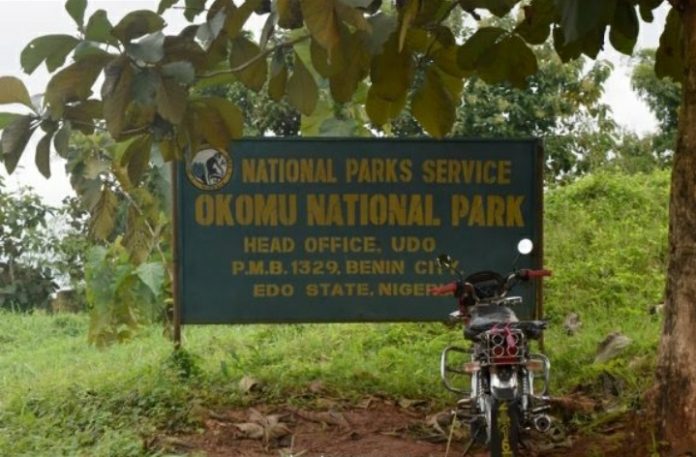
Okomu National Park, formerly known as the Okomu Wildlife Sanctuary, is one of Nigeria’s most important natural reserves, showcasing a noteworthy portion of the country’s remaining rainforest ecosystem. Located in Edo State, this park is important for biodiversity conservation and serves as a habitat for numerous endangered species. This article provides an extensive overview of Okomu National Park, covering its historical background, ecological diversity, visitor experiences, challenges, and conservation efforts.

Overview

Geographic Location

Okomu National Park is situated in the Ovia South-West Local Government Area of Edo State, approximately 60 kilometers northwest of Benin City. It covers an area of about 200 square kilometers within the larger Okomu Forest Reserve, which spans 1,082 square kilometers. The park is located between latitudes 6° 15ʹ and 6° 25ʹ North and longitudes 5° 9ʹ and 5° 23ʹ East. This region represents one of the last remnants of the once extensive lowland rainforest that characterized the area.

Ecological Significance

As the smallest of Nigeria’s seven national parks, Okomu National Park is important for preserving biodiversity. It contains a variety of ecosystems including swamp forests and high forests, supporting numerous plant and animal species unique to this region.

Historical Background

Okomu National Park has a rich history tied to the preservation of Nigeria’s natural heritage. Originally established as a wildlife sanctuary in 1935 from the Okomu Forest Reserve, it was formally defined in 1986 with an area of just 66 square kilometers. The Nigerian Conservation Foundation (NCF) managed the sanctuary from 1987 until it was transferred to the National Park Service in May 1999.

Historically, the area has faced significant human pressure, including deforestation and land clearing for agriculture. Archaeological evidence indicates that the forest has been cleared and regenerated over the last 700 years. By the early 20th century, only fragmented patches of forest remained due to extensive human activity.

Ecological Diversity

Flora

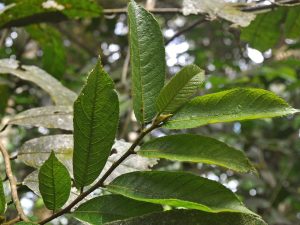
Okomu National Park is characterized by a rich diversity of plant species typical of the Guinea-Congo lowland rainforest ecosystem. The park is home to approximately 90 native plant species belonging to 45 different families, with the Euphorbiaceae and legume families being particularly prominent. Among the notable tree species are Kapok (Ceiba pentandra), Triplochiton scleroxylon, and Antiaris africana

Antiaris africana – This Image is courtesy of wikipedia.org

The park is recognized for its mature secondary forest, which provides crucial habitat for various wildlife species. Additionally, a survey identified 60 beneficial medicinal plant species within the reserve, including 50 leafy plants and 10 types of mushrooms, showing the area’s importance for traditional healthcare practices among local communities.

Fauna

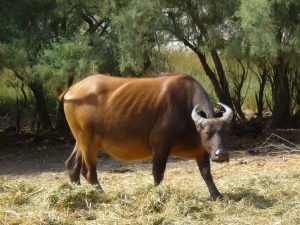
Okomu National Park supports a diverse array of wildlife, with 33 mammal species recorded, including the endangered African forest elephant (Loxodonta cyclotis) and the African buffalo (Syncerus caffer). Although elephant sightings are rare—highlighted by the discovery of a one-year-old elephant carcass in 2007—park officials assert that poaching has decreased. The park also harbors vulnerable primate populations, including the white-throated guenon (Cercopithecus erythrogaster). While extensive studies on primates have not been conducted since 1982, reports indicate that chimpanzees may inhabit the region, with estimates suggesting a population of 25-50 individuals in the Okomu Forest Reserve as of 2003.

African buffalo – This Image is courtesy of wikipedia.org

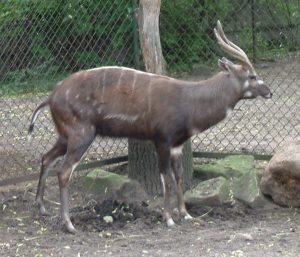
Other notable fauna include dwarf crocodiles, red river hogs, sitatunga, warthogs, civet cats, Maxwell’s duikers, grass cutters, mona monkeys, Thomas’s galagos, tree pangolins, and red-capped mangabeys (Cercocebus torquatus).

Sitatunga – This Image is courtesy of wikipedia.org

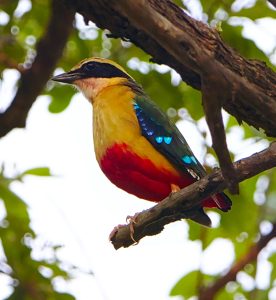
The avian (relating to brids) population is equally impressive, with around 150 bird species identified within the park. Noteworthy species include the Angolan pitta, grey parrot, wrinkled hornbill, fish eagle, various hawks and woodpeckers, as well as several types of negrofinches and cuckoos.

Angolan pitta – This Image is courtesy of wikipedia.org

In terms of invertebrates, Okomu National Park owns over 700 butterfly species. However, terrestrial mollusks appear particularly vulnerable to extinction; a survey identified only 46 species across 11 families in one area of the forest. This low diversity may signal underlying environmental issues that require further investigation.

Overall, Okomu National Park serves as a vital sanctuary for both flora and fauna, emphasizing its ecological importance in preserving Nigeria’s rich biodiversity.

Visitor Experience

Okomu National Park offers various amenities and activities for visitors looking to tour its natural beauty:

  • Accommodation: Visitors can stay in chalets built on stilts near the park entrance.
  • Guided Tours: Knowledgeable guides lead nature walks that highlight the park’s flora and fauna.
  • Tree Houses: Two tree houses provide elevated views for birdwatching and observing wildlife.
  • Ecotourism Activities: Popular activities include birdwatching, wildlife viewing, canopy tours, and educational programs focused on conservation.

The park is accessible year-round but is best visited during the dry season when wildlife is more active.

Challenges and Conservations outlook

Okomu National Park faces numerous challenges that threaten its ecological integrity:

  • Deforestation: Illegal logging activities and agricultural encroachment continue to reduce forest cover.
  • Poaching: Despite efforts to curb it, poaching remains a significant threat to endangered species within the park.
  • Human-Wildlife Conflict: As local populations expand into park boundaries for farming and hunting, conflicts arise over land use.

To combat these issues, conservation strategies include:

  • Strengthening law enforcement against poaching and illegal logging.
  • Engaging local communities in sustainable practices that reduce pressure on park resources.
  • Establishing partnerships with NGOs and government agencies to improve conservation efforts.

Final Note

Okomu National Park represents a critical area for biodiversity conservation in Nigeria. Its rich ecological diversity and historical significance underscore its importance as both a natural sanctuary and a potential hub for eco-tourism. However, ongoing threats from human activities necessitate robust conservation measures. By encouraging community involvement and implementing sustainable practices, Okomu National Park can continue to thrive as an essential ecological resource for future generations.

Celebrating Nature and Eco-Friendly Transportation: An Overview of World Migratory Bird Day, and Ride to Work Day

0

October is a month to reconnect with nature. This year, we embraced two meaningful celebrations: World Migratory Bird Day, and Ride to Work Day. Each event highlights different aspects of our relationship with the environment, reminding us of our impact on the world. Let’s find out why these celebrations are important and how they encourage us to protect our planet and ourselves.

World Migratory Bird Day (October 12): Protect Insects, Protect Birds

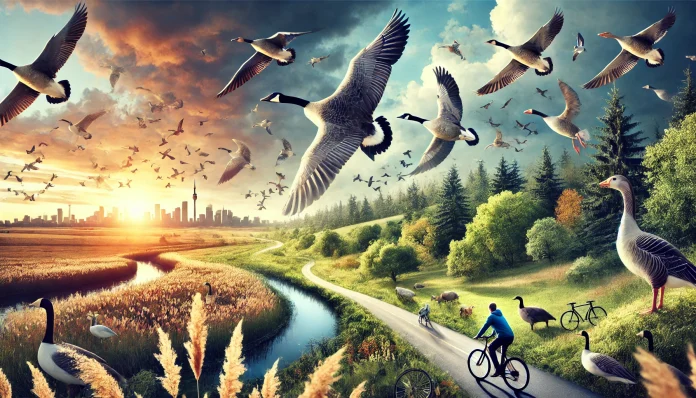
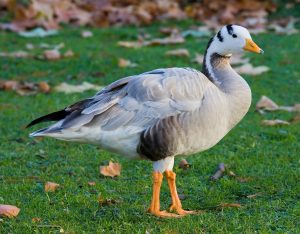
Every year in May and October, we celebrate World Migratory Bird Day, which shines a light on the challenges that migratory birds face during their incredible journeys. These tiny adventurers travel hundreds, even thousands, of miles each year. Some soar at altitudes as high as 30,000 feet, a record achieved by the bar-headed goose. Along their travels, migratory birds must steer against fluctuating weather, habitat loss, and various other threats.

Bar-headed goose: a record 30,000-foot flyer
Bar-headed goose: a record 30,000-foot flyer. Image courtesy of wikipedia.org

This year’s theme, “Protect Insects, Protect Birds,” highlights the crucial role that insects play in the lives of these birds. Insects are vital energy sources, especially during breeding seasons and long migrations, directly impacting the timing and success of their journeys. A decline in insect populations can weaken birds’ immune systems, leading to higher mortality rates.

Unfortunately, insect populations are declining due to factors such as intensive agriculture, urban development, light pollution, and the use of pesticides. By addressing these issues, we can help support both insect and migratory bird health.

The migration of these birds exemplifies the beauty of endurance and adaptability—traits essential to all life on our planet. However, they depend on safe ecosystems for food, rest, and shelter along their routes. Supporting World Migratory Bird Day means advocating for conservation efforts that protect these vital ecosystems and their inhabitants.

In 2024, World Migratory Bird Day was observed on May 11 and October 12, with art playing a significant role in the day’s activities. 

National Ride to Work Day (October 18): Pedaling Towards a Healthier Planet

What better way to show appreciation for the environment than by swapping four wheels for two? National Ride to Work Day, celebrated in Australia and beyond, encourages commuters to leave their cars at home and cycle to work instead. This movement, which began in 1994, has inspired over 60,000 participants in recent years to get outside, stay active, and reduce their carbon footprint.

Riding a bike instead of driving has numerous environmental benefits, including lower greenhouse gas emissions and reduced air pollution in our cities. It’s also a healthier choice, helping to reduce stress and improve physical fitness. Beyond individual benefits, more cyclists on the road mean less traffic congestion and cleaner air—a win for everyone. National Ride to Work Day reminds us that our daily choices, even how we commute, can have a significant impact on our planet.

Conclusion

These October celebrations invite us to think about how we share our world with other species and the role each of us can play in creating a healthier, more vibrant planet. Observing World Migratory Bird Day helps protect our natural heritage while participating in National Ride to Work Day reduces our environmental footprint. So whether you’re counting birds, marvelling at migratory flocks, or pedalling to work, remember: that small actions add up, making a big difference in our collective journey toward conservation.

Understanding Climate Change: A Short Article on Preserving the Planet

0

The factors contributing to climate change are interconnected and complex. Emissions of greenhouse gases, deforestation, and unsustainable farming practices have led to significant climatic changes, extreme weather events, and the depletion of ecosystems. Raising awareness about climate change and its impacts is important for promoting a culture of sustainability and conservation. In this article, we will discover the key issues related to climate change and discuss how individuals can take action to mitigate its effects.

What is Climate Change?

Climate change refers to long-term alterations in temperature, precipitation, wind patterns, and other elements of the Earth’s climate system. These changes are primarily driven by anthropogenic activities (human-caused or influenced activities that can impact the environment), such as the burning of fossil fuels, deforestation, and industrial development, which significantly impact the environment. According to the Intergovernmental Panel on Climate Change (IPCC), the Earth’s temperature has increased by approximately 1.1 degrees Celsius since the late 1800s. This warming trend is linked to an increase in the intensity and frequency of extreme weather events, rising sea levels, and shifts in ecosystem distribution.

Impact on the Environment

  1. Biodiversity Loss: Climate change poses a significant threat to many species, leading to habitat destruction, altered migration patterns, and increased risk of extinction. As ecological stability declines, the delicate balance of life on our planet is jeopardized.
  2. Extreme Weather Events: Rising temperatures contribute to a higher frequency of extreme weather events such as cyclones, droughts, and floods. These natural disasters not only disrupt communities but also inflict severe economic damage, resulting in the loss of livelihoods and essential resources.
  3. Ocean Acidification: The oceans often absorb excessive carbon dioxide, causing acidification that threatens marine life, particularly coral reefs. These ecosystems are crucial for the survival of countless species and play a vital role in maintaining ocean health.
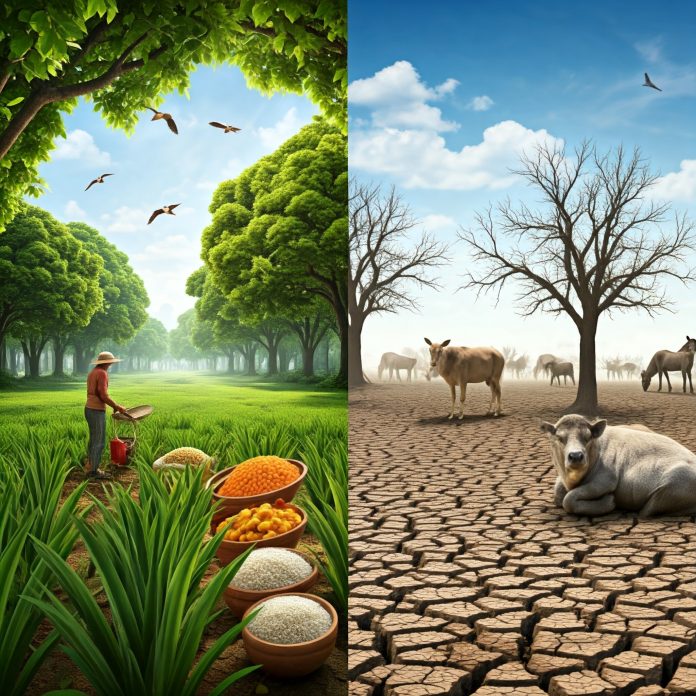
  4. Water Scarcity: Changing precipitation patterns impact the availability of fresh water, significantly affecting agricultural and domestic water use. Regions that were once productive may become barren, exacerbating hunger and food insecurity.

What Can We Do?

  • Cut Down on Carbon Emissions: Making simple changes in your daily routine can significantly reduce carbon emissions. Consider walking, biking, or taking public transportation. Embrace a green home policy by investing in energy-efficient appliances and utilizing renewable energy technologies.
  • Practice Green Advocacy: Support organic farming and environmentally friendly policies related to forest use. Prioritize buying food from local producers and choose products that are environmentally certified. Learn more
  • Inform and Mobilize: Educate your family and friends about the causes and consequences of climate change. Join volunteer groups to lobby for climate-friendly legislation and spread awareness in your community.
  • Help in Environmental Protection: Get involved with local environmental organizations by participating in clean-up efforts or tree-planting initiatives. Every action, no matter how small, contributes to the fight against global warming.

Addressing climate change requires a united effort and a commitment to sustainable practices. While the challenge is significant, positive change can occur at both individual and community levels. By understanding the impact of our actions on the environment, we can take steps to mitigate these effects and work towards a healthier planet. Let us come together to take action for our Earth, demonstrating that our collective efforts can truly make a difference.

World Food Day 2024: Right to Foods for a Sustainable Future

0

World Food Day, observed annually on October 16, is a global event aimed at combating hunger. First established in 1979 by the Food and Agriculture Organization (FAO) of the United Nations, this day coincides with the FAO’s founding and serves to highlight its mission. Each year, various events are organized to raise awareness about the importance of food security worldwide. The theme for World Food Day 2024 focuses on the right to food as essential for a better life and future. It emphasizes the need for diverse, healthy, and safe food options accessible to everyone.

The Significance of World Food Day

Food is more than just a basic need; it’s a vital part of our humanity. This year, the FAO emphasizes that everyone should have access to a diverse range of nutritious foods that are both affordable and readily available. Despite the fact that the world produces enough food to feed everyone, around 10% of people still experience hunger. This stark inequality highlights the urgent need to change how we grow and distribute food.

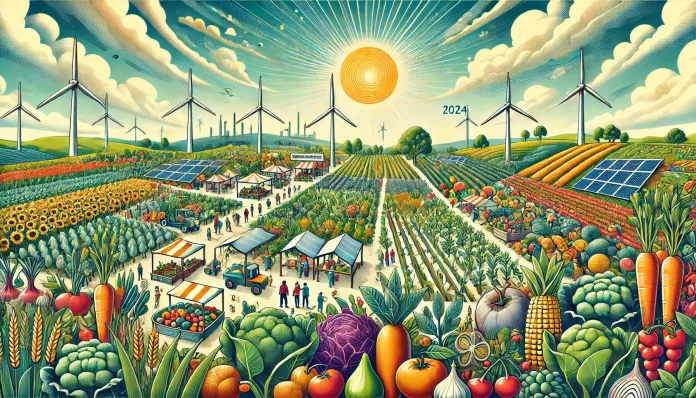
World Food Day serves as a powerful reminder that achieving food security relies on sustainable agricultural practices. By adopting these methods, we can protect our ecosystems, reduce greenhouse gas emissions, and promote biodiversity—all while ensuring that everyone has access to a healthy diet.

How You Can Make a Difference

On World Food Day, there are plenty of meaningful ways for individuals and communities to make a difference:

  1. Learn More: Start by educating yourself about the global food system, food insecurity, and sustainable farming practices. The more you know, the better equipped you’ll be to advocate for change.
  2. Support Local Farmers: Whenever possible, buy food from local farmers who prioritize sustainability. This not only helps lower your carbon footprint but also strengthens the community by supporting small-scale producers who care about eco-friendly practices.
  3. Cut Down on Food Waste: Be conscious of how much food you buy and use. Planning your meals, composting, and getting creative with leftovers can help you reduce waste at home and in your community.
  4. Speak Up: Get involved in conversations about food policies. Support initiatives that focus on reducing food waste, improving access to food, and encouraging sustainable farming practices at both local and national levels.
  5. Get Involved: Consider volunteering with local food banks or organizations that tackle food insecurity. Donating non-perishable items or offering your time can make a real difference in people’s lives.

The Journey Forward

World Food Day has been celebrated in over 150 countries since it was established, making it one of the most important days on the United Nations calendar. This highlights the reality that food insecurity is a global challenge, and each of us has a role to play in combating hunger and promoting sustainable food systems.

This World Food Day, let’s take action to make sure everyone has access to a variety of healthy and nutritious foods. Together, we can work toward a world where food is recognized as a right and healthy living is attainable for all. Get involved, raise your voice, and support efforts to create a more sustainable planet.

World Animal Day 2024: Celebrating the Creatures We Share Our World With

0

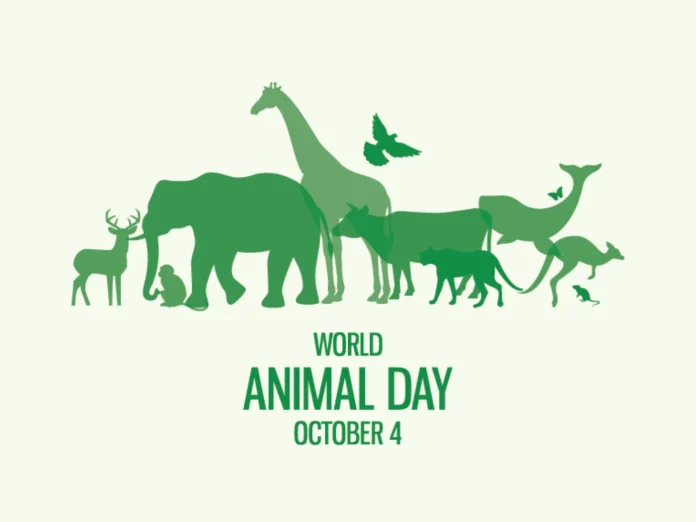
October 4th is observed worldwide as World Animal Day, a day dedicated to raising awareness about the suffering of animals. This year’s theme, “The world is their home too!” aims to celebrate animals—whether pets, wildlife, or those raised for food and commercial purposes—as fellow inhabitants of our planet, deserving of our compassion and consideration as valued creatures. From ants and bees to the fierce beasts in jungles, savannahs, and forests, all play vital roles in maintaining ecosystems and, by extension, our lives.

World Animal Day, first observed in 1925, continues to be an annual global campaign that rallies individuals and organizations around the world to advocate for better treatment of animals. This observance traces its roots to the feast of St. Francis of Assisi, the patron saint of animals, whose legacy promotes the protection of animals. Today, his message of compassion and love for all living creatures inspires many to learn about the rights and dignity of animals.

This event emphasizes recognizing animals as unique individuals with feelings, thoughts, and a desire to be left alone, protected from those who exploit them in cages, laboratories, and restaurants. World Animal Day aims to promote this fact by encouraging the community to raise awareness on issues such as endangered species protection, ecosystem conservation, and combating cruelty, abuse, and neglect toward animals. People are encouraged to participate in these activities, while organizations and governments are called upon to enact stronger animal protection laws.

As the world celebrates World Animal Day 2024, we are reminded that our planet is home to a rich diversity of animals. By practising love and dignity toward all living beings, we work toward creating a new global order that respects both humans and animals.

Understanding Wildlife Behavior and Human-Wildlife Conflict

0

Wildlife behaviour refers to how animals in a particular habitat or ecosystem interact with each other and their environment, including humans. Observing these behaviours helps us understand how animals live, respond to different factors, and adapt to changes, such as the increasing presence of humans. 

Human-wildlife conflict (HWC) occurs when animals’ natural behaviours, particularly those related to searching for food and shelter, interfere with human activities.

Key Factors in Wildlife Behavior

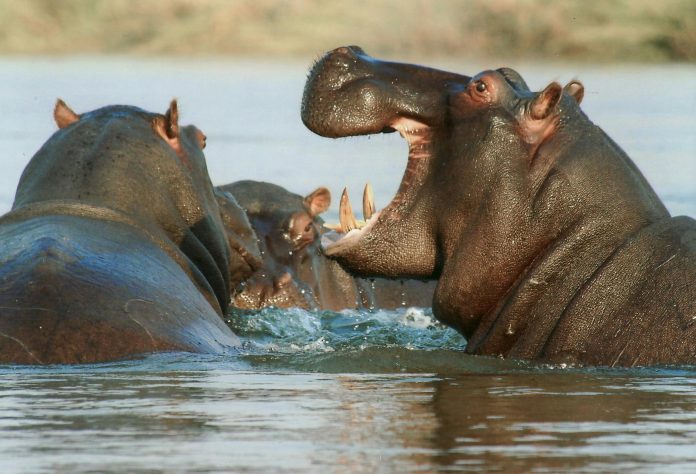
The behaviour of animals in a given environment is often driven by instincts or learned responses to internal and external stimuli. For example, the female hippopotamus that charged at and killed Late Malam Usman Maigadi in Yauri, Kebbi, early last Sunday, acted instinctively to protect her young. These behaviours are primarily survival mechanisms.

Conduct plays a significant role, particularly in animals with complex social systems. For instance, primates show an understanding of social structures, communication, and altruism—behaviours done for the benefit of others in their group or species. These actions often indicate an animal’s mental state rather than just its need for food, shelter, or other necessities. Stress or fear due to habitat disturbance can result in unusual behaviours, highlighting the need for conservation.

Understanding these dynamics helps us predict how animals may behave, especially when their natural habitats are disrupted by human activity. This knowledge can lead to better strategies for coexisting with wildlife.

Human-Wildlife Conflict: Causes and Consequences

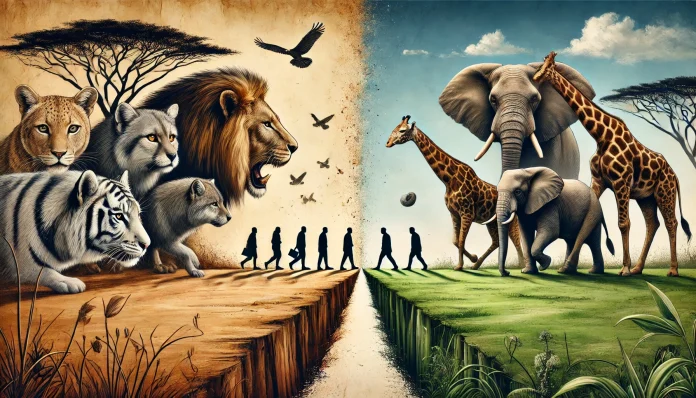
Human-wildlife conflict occurs when humans and wildlife come into direct contact, often as a result of humans interacting with natural resources that animals depend on. Some key factors contributing to this conflict include competition for food, water, and other resources, as well as changes in land use—like converting agricultural areas for human expansion—which bring humans and wildlife into closer proximity.

This conflict has serious consequences, not only for humans but also for animals and other living organisms. Losses for humans include crop damage, livestock losses, and, in extreme cases involving large animals like elephants or predators such as leopards and hyenas, human lives can be at risk. Wildlife, on the other hand, are often hunted or displaced, leading to reduced populations, and in some cases, species face the threat of extinction.

Mitigating Human-Wildlife Conflict

Before developing an effective mitigation strategy, certain key elements must be agreed upon, such as the awareness and nature of the conflict. Effective strategies may include both lethal and non-lethal methods, like community policing. Some key approaches include:

  • Habitat Preservation: Creating designated areas where animals can find food and water without human interference.
  • Physical Barriers and Deterrents: Using methods like electric fences or noise deterrents to prevent animals from destroying crops and livestock.
  • Translocation: Moving certain animals away from human settlements, though this should be done cautiously to avoid disrupting natural ecosystems.
  • Community Education and Involvement: Engaging and educating locals on how to coexist with wildlife can enhance conservation efforts.

It’s important to remember that human-wildlife conflict is not just a conservation issue; it’s also a matter of development and livelihoods. Addressing these challenges is essential for long-term solutions.

For further insights on Human-Wildlife Conflict (HWC) strategies, the World Wildlife Fund (WWF) and other reputable conservation organizations offer in-depth resources. Discover more through the following links:

World Wildlife Fund, Forestry, IUCN SOS, BioMed Central

Hippopotamus Kills 60-Year-Old Guard in Kebbi

0

In a tragic incident on Sunday, a 60-year-old man, Malam Usman Maigadi, was killed by a hippopotamus while fishing in the Yauri River, Kebbi State. Maigadi, who worked as a guard at the Emir of Yauri’s Orchard Farm, was reportedly attacked by a mother hippopotamus, likely defending her calf.

The attack occurred in Tillo Village within Yauri Local Government, and it is believed that the animal may have perceived Maigadi’s presence as a threat to her young. Such behaviour is not uncommon in wildlife, particularly with animals known to fiercely protect their offspring.

The Chairman of Yauri Local Government, Alhaji Abubakar Shu’aibu, confirmed Maigadi’s burial, which took place according to Islamic rites. Governor Nasir Idris, in a statement through his Chief Press Secretary, Alhaji Ahmed Idris, extended his condolences to the Yauri Emirate and the family of the deceased, urging them to accept the will of Allah in good faith.

Understanding Wildlife Behavior

Although such incidents are rare, they help us understand the delicate balance between humans and wildlife, especially in regions where natural habitats overlap with human activities. Animals, including large species like the hippopotamus, are instinctively protective of their territory and young. Encounters that result in human casualties occur mainly because an animal feels threatened not because of a hostile disposition.

It matters to note that animals act on instinct, with survival and protection of their young being their primary motivators. Human-wildlife conflicts often arise due to unintentional encroachment on animal habitats, not out of malice from either side. With this in mind, we can foster a greater respect for wildlife and continue working towards peaceful coexistence.

The next article provides greater insight into wildlife behaviour. Read

Zero Emissions Day 2024: Give Our Planet One Day Off a Year

0

On September 21st, we celebrate Zero Emissions Day, a global effort to give our planet a much-needed break. This year’s theme, “Give our planet one day off a year,” reminds us of our duty to reduce pollution and live in a way that protects the environment.

Zero Emissions Day began in 2008 when Ken Wallace from Nova Scotia, Canada, proposed a day dedicated to stopping the use of fossil fuels. What started as a local initiative has grown into a worldwide movement, calling on individuals, companies, and governments to cut back on carbon-based energy for just 24 hours. The day’s mission is clear: reduce carbon emissions, promote clean energy, and raise awareness about the negative effects of burning fossil fuels.

There are many ways to take part in Zero Emissions Day and make a real impact:

  • Eat less meat: Did you know that vegans produce 76% fewer greenhouse gases than those who regularly eat meat? Even reducing your meat intake can lower your environmental footprint by 30%.
  • Make creative choices: Instead of watching TV and ordering takeout, try cooking a homemade meal and enjoy an evening of games by candlelight.
  • Shop secondhand: Consider buying clothes from a thrift store instead of supporting fast fashion. This small change helps reduce waste and pollution.
  • Refill and reuse: Fill jars with dry goods like lentils or quinoa at a local refillery instead of purchasing pre-packaged items. Learn more

These simple actions—whether turning off lights, using public transport, or planting trees—make a difference. As climate change continues to threaten our planet, observing Zero Emissions Day is a reminder that every effort, big or small, helps protect the environment for future generations. This year, let’s all give our planet the break it deserves.