The official day for global population issues is World Population Day, celebrated on July 11 each year. This year’s theme is “To Leave No One Behind, Count Everyone.” This theme emphasises the importance of considering population data in policy-making, especially data on vulnerable groups. Population statistics provide solutions to problems related to healthcare provision, economic growth and development, and the management of the world’s resources.
It is commemorated globally to raise awareness about population-related matters such as family planning, gender equality, and reproductive rights. These issues impact international processes and initiatives in the context of sustainable development and ecosystem preservation. With the global population surpassing 8 billion, there is constant pressure on natural resources such as water, food, and energy. Problems like climate change, habitat destruction, and loss of species’ habitats worsen due to overpopulation, highlighting the need for greater conservation efforts.
History of World Population Day
The United Nations officially introduced World Population Day in 1989, following the milestone of the world population reaching five billion on July 11, 1987. Dr. K.C. Zachariah proposed this observance to raise awareness about global population growth and control. The day encourages people to seek solutions to related issues such as maternal health, poverty, and various economic challenges.
Significance
The chosen theme, “To Leave No One Behind, Count Everyone,” aims to raise awareness of data deficiencies to develop efficient conservation practices. By understanding population parameters, policymakers can devise accurate strategies that encourage sustainable resource utilisation, wildlife and natural habitat conservation, and control of global warming effects. For example, quantitative-based strategies may identify regions where population density threatens species preservation, allowing for the design of appropriate strategies based on this data.
Facts About Global Population
World Population Day aims to raise awareness about the problems of overpopulation. It promotes a focus on finding lasting solutions to issues affecting health, the environment, and resources. Understanding that population characteristics are as important as environmental factors is key to a better tomorrow.
The world’s population has grown more than three times since the mid-20th century.
It took around 2.5 years to add one billion people to the population, reaching 8 billion in mid-November 2022.
The population is projected to reach 9.7 billion by 2050 and is expected to peak at 10.4 billion by the mid-2080s.
China and India, with populations of 1.4 billion and 1.3 billion respectively, contribute to almost 18% of the global population.
Over 60% of the current world population was born in the latter half of the 20th century or later.
The global population was estimated to be around 2.5 billion in 1950, growing to 5 billion by 1987 and reaching 8 billion in 2022.
The human population has grown so large that the Earth struggles to support it. Presently, the total number of inhabitants on planet Earth has crossed 8 billion.
It was not until the early 1800s that the UN’s statistics indicate the world population reached one billion. Now, we add a billion people every 12-15 years.
World Population Day 2024: Together for a Sustainable Future highlights the urgent need for collective action to raise awareness about the impact of increasing population density on Earth. By gathering and analyzing data with all communities in mind, we can predict and manage outcomes that affect human development and environmental preservation. United, we can build a future where every person matters and everyone can contribute to a more sustainable world.
Balarabe Abbas Lawal, Nigeria’s Minister of Environment, delivered an impactful speech at the inaugural International Conference on Afforestation and Reforestation, held from July 2nd to 5th, 2024. Representing President Bola Ahmed Tinubu, Lawal highlighted the urgent need for collective action to combat deforestation and promote sustainable forest management.
In his remarks, Lawal emphasises the role forests play in maintaining ecological balance, preserving biodiversity, and supporting millions of livelihoods. He pointed out the alarming rate of deforestation in Africa, where nearly 4 million hectares of forests are lost annually—almost double the global average. This rapid deforestation, driven by population growth, agricultural expansion, urbanisation, and illegal logging, calls for immediate and ambitious regional action.
Lawal praised the choice of Congo for the conference, given its significance in the global deforestation crisis. He emphasised the importance of regional and global cooperation in developing innovative strategies for afforestation and reforestation to restore degraded lands, enhance biodiversity, and mitigate climate change impacts.
Highlighting Nigeria’s efforts, Lawal announced the recent approval of $8.5 million under the Presidential Initiative on Afforestation. These funds aim to restore degraded forests and critical landscapes across the country. Nigeria’s ongoing programs, such as the Great Green Wall Pan African Program and Agro-Climatic Resilience in Semi-Arid Landscapes (ACReSAL), have already restored over 1.5 million hectares of degraded forests, created over 3 million jobs, and empowered more than 200,000 forest community members.
Lawal also mentioned the interim suspension of wood-based product exports to reassess and implement a sustainable forest management system. He reaffirmed Nigeria’s commitment to global and regional agreements on sustainable forest management, including the COP27 Africa and Global Decade of Afforestation and Reforestation, COP26 Glasgow Leaders’ Declaration on Forests and Land Use, and the upcoming COP28.
Concluding his speech, Lawal stressed the collective responsibility of governments, NGOs, private organizations, civil societies, and communities in increasing global forest cover. He congratulated President Denis Sassou Nguesso for hosting the historic conference and expressed optimism about the conference’s catalytic effect on global afforestation efforts.
“As we strive together to increase the global forest cover, we shall indeed make our planet a safer place for us and future generations,” Lawal stated.
The conference, organized under the auspices of the African Union and United Nations Forum on Forests, marks a significant milestone in the fight against deforestation and climate change, bringing together leading experts, policymakers, researchers, and practitioners to share knowledge and foster collaborations for a sustainable future.
Kainji National Park, one of Nigeria’s most famous national parks, is situated in Niger State and Kwara State. Established in 1978, it spans approximately 5,341 km² (2,062 sq mi) and comprises three distinct sectors: part of the Kainji Lake, the Borgu game reserve, and the Zugurma game reserve. This park serves as a major centre for wildlife conservation and is a popular destination for ecotourism in Nigeria.
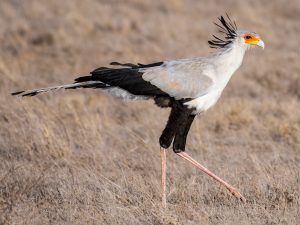
The park features round hills, expansive pediments/plains stretching between the hills, and incised river channels that gradually decline into the River Niger valley. The wildlife includes elephants, lions, buffaloes, antelopes, hippos, Patas monkeys, Nile crocodiles, leopards, hyenas, bushbucks, and many more. Additionally, around 180 bird species have been documented, including Secretary Birds, Ground Hornbills, and Great White Pelicans.
Secreterybird
Overview
Borgu and Zugurma game reserves form the Kainji Lake National Park (KLNP), Nigeria’s first national park, created in 1978. Covering 5,340 square kilometres with a diameter of 31 kilometres and an area of 2,062 square miles (82 square kilometres), it is located between latitudes 9°40’N – 10°30’N and longitudes 3°30’E – 5°50’E, about 500 kilometres from Lagos and 385 kilometres northeast of Abuja.
The park is divided into three sectors, which include important tourist attractions such as the Zugurma Game Reserve, the Borgu Game Reserve, and Kainji Lake. The park is managed by the Federal National Park Service (FNPS) and receives direct funding from the government. This funding enables the park to effectively enforce anti-poaching measures under the National Park Laws.
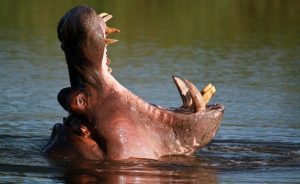
A giant hippopotamus opening its huge jaws and yawning in Kainji Lake
KLNP is home to a diverse range of wildlife, with more than 34 species of animals and reptiles, and over 350 species of birds. Animals that can be seen in KLNP include wild hogs, cheetahs, lions, monkeys, crocodiles, baboons, duikers, hippopotamuses, hyenas, kobs, roans, and warthogs. The avian fauna includes species such as the little grebe, blue quail, laughing dove, red-eyed dove, spur-winged goose, guinea fowl, common ostrich, Senegal coucal, cuckoo, African pygmy goose, and cattle egret.
The park features a variety of reptilian species, including the Nile and West African slender-snouted crocodiles, turtles, monitor lizards, snakes, and lizards. Lake Kainji itself contains 82 species of fish. The Zugurma sector of the park includes the Guinean forest-savanna mosaic, with tree covers of Afzelia africana, Daniella oliveri, and Terminalia macroptera. The park also has inselbergs with rounded slopes, wide pediments, and waterways that gently slope towards the River Niger valley.
Although the park is sparsely populated, human activities such as deforestation, burning, and grazing, especially in the Zugurma sector, impact it. However, as a Lion Conservation Unit, jointly with Yankari National Park, the park plays a valuable role in Nigeria’s wildlife preservation efforts.
A Brief History
Kainji National Park was created in 1978 through the amalgamation of the two-game reserves of Zugurma and Borgu. It was the first national park in Nigeria and the first experimental attempt to manage wildlife for recreational purposes in the country. Covering 5,340.82 square kilometres (2,062 square miles) across Niger and Kwara states, the park includes three main sectors:
Kainji Lake: Established by the Kainji Dam in 1968, this man-made reservoir on the Niger River is important for supplying electricity, enhancing river transportation, and providing water for irrigation. However, fishing is partly prohibited in the lake as it is located within the park.
Borgu Game Reserve: This sector occupies 3,929 square kilometres west of the lake and is mainly a savanna forest.
Zugurma Game Reserve: This sector lies towards the southeastern part of the park and adds to the park’s diversity, especially in terms of wildlife.
The park is home to many antelopes, such as baboons, duikers, giant hippopotamuses, hyenas, kobs, roan antelopes, and warthogs. It also boasts diverse plant species, water bodies, archaeological relics, and various cultural elements.
In 2005, Kainji National Park, along with Yankari National Park, was declared a Lion Conservation Unit, highlighting its significance as a habitat for lions. However, due to regional insecurity, the National Parks Service closed operations and research in the park in 2021.
In October 2023, the Nigeria National Park Service partnered with the West African Conservation Network, a UK/Nigeria-based organization, to co-manage the park for a renewable 31-year period. This cooperation focuses on protecting and restoring the park’s natural resources and ensuring their continued preservation.
Ecological Diversity
Flora:
The Borgu sector is characterized by savanna woodland, with species such as Burkea africana, Terminalia avicennioides, and Detarium microcarpum predominating. In the Zugurma sector, economically and multipurpose important trees, including Afzelia africana, Daniella oliveri, and Khaya senegalensis, are found. However, this area faces challenges such as overgrazing and soil erosion. The park hosts a variety of plants, with 164 species of dicotyledons and 110 species of monocotyledons identified.
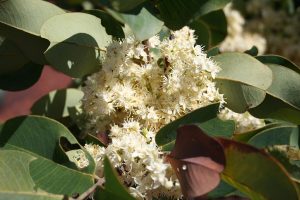
Detarium microcarpum, commonly known as African star chestnut
Fauna:
KLNP is home to 65 species of mammals, 350 avian genera (bird species), and 30 species of reptiles and amphibians. Notable large animals include lions, leopards, elephants, and African wild dogs.
Reptiles:
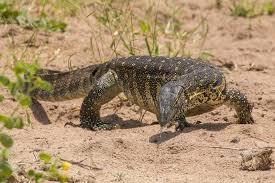
The park features West African crocodiles, slender-snouted crocodiles, turtles, Nile monitors, and various lizards and snakes.
A majestic Nile monitor
Amphibians:
There are 15 species of amphibians.
Fish:
About 118 species of fish are present, belonging to 23 different families.
Birds:
The bird population includes approximately 200-300 species of Passeriformes (perching birds) in 30 families, 16 species of Anseriformes (waterfowl) in two families, 15 species of Galliformes (game birds) in two families, and 13 species of Charadriiformes (shorebirds) in one family, along with species from four other unidentified families.
Water fowl
Molluscs:
Two species of molluscs (Invertebrate animals with soft bodies typically enclosed in shells, including snails, clams, squids, and octopuses, found in various habitats worldwide) have been identified in the park.
Snail (mollusc, Gastropoda)
Visitor Experience
Tourism activities in Kainji National Park are as follows: Located around Kainji Lake, which was created by the construction of the Kainji Dam, the park is a beautiful destination for wildlife enthusiasts.
The conservation efforts in Kainji National Park mainly focus on the Borgu area, which is more convenient for visitors and better developed for tourism. Tourists can engage in various activities such as wildlife watching, a boat cruise on Kainji Lake, and a tour of the Kainji Dam power station. The park also provides conservation education, camps, lectures, cultural information, camping sites, and other services.
Accommodation is available at the Kainji Parkway Hotel, which offers a comfortable resting place for tourists visiting the park to see its natural features. The park is excellent for wildlife observation, where visitors can see elephants, baboons, antelopes, crocodiles, and diverse birdlife, making it ideal for ecological tourism.
Sightseeing opportunities include places like the Ganwa and Doro Hills, which provide the best vantage points of the park’s terrains. Cultural tours highlight the indigenous people’s connection to the area and their traditions, enriching the cultural experience for tourists.
Kainji National Park is perfect for eco-tourism and nature-based activities such as wildlife viewing, bird watching, and studying the numerous ecosystems found in the park. Kainji Lake, with its variety of fish, also offers recreational fishing opportunities.
Visitors planning a trip should consult local or park authorities for any updates on information and safety measures. Services like information centres and guided tours enhance the experience, making Kainji National Park a valuable recreational destination in Nigeria’s tourism landscape.
Challenges and Conservation Outlook
Kainji National Park faces several threats, including poaching, overgrazing, and habitat alteration. In particular, the Zugurma sector demonstrates unstable conditions for drainage and vegetation, primarily due to poaching. Additionally, Kainji Lake National Park in northwestern Nigeria encounters several other challenges:
Funding: Inadequate funding and misappropriation of available funds hinder conservation efforts. This affects resources needed for vehicle maintenance, patrols, and track upkeep.
Staffing: The park struggles to effectively manage its extensive territories and numerous inhabitants due to a chronic lack of dedicated personnel.
Infrastructure: Poor infrastructure and unmaintained equipment reduce the efficiency of park operations.
Security: Persistent security concerns necessitate cooperation under a 31-year co-management agreement between WACN (West African Conservation Network) and the Nigerian National Park Service.
Despite these challenges, the park is classified as a Lion Conservation Unit and still receives government subsidies for protection and funding. Continued efforts to develop and employ strategies for environmental awareness and public participation remain crucial for conserving the park’s ecosystem and species.
Security Concerns
Recent reports confirm that the security situation in Kainji National Park is becoming increasingly volatile. Violent Jihadi fighters, who have long been present in the insecure Sahel region of Africa, have relocated to northwestern Nigeria after crossing the border from Benin. This trend poses a potential risk to the park and its neighbouring communities.
According to the Clingendael Institute, for the past year, some extremist groups suspected to be part of al-Qaida, which previously operated in northern Benin, have relocated to Kainji Lake National Park. Some local residents reported that the park has remained closed for more than a year due to threats from armed personnel attacking neighbouring villages and roads.
The presence of these armed groups poses a serious risk to the remaining lions, whose numbers are already dwindling due to climate change and poaching. Environmentalists like Stella Egbe from the Nigerian Conservation Foundation worry that security has become the top priority in protecting these lions.
The situation in the 5,303 square kilometre park is deteriorating further. Analysts note that conducive factors such as the availability of mineral resources, high poverty levels, and the region’s remoteness may allow jihadi groups to grow. This could potentially turn northwestern Nigeria into a logistical centre for fundraising for these groups, making the region even more volatile.
Final Note
Kainji National Park is another sign of seriousness towards wildlife conservation and tours in Nigeria. It still holds potential as a habitat for several species and remains unique for nature lovers. Maintenance and preservation are needed to keep the park in its current state, ensuring its habitat and beauty are preserved for future generations. However, the park faces various complicated security challenges.
Forests are a very sensitive part of our world and undoubtedly occupy one of the most important positions in the global ecosystem. They have a complex link to our welfare and that of the Earth, as they play a crucial role in climate change, supply oxygen, and house diverse life forms. Below are ten major forest areas in the world, ranging from the South American Amazon to the Japanese Yakushima forest. Many of these forests are not just large expanses of trees but also essential habitats that should be preserved and honoured.
Amazon Rainforest
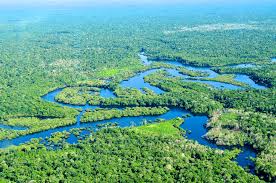
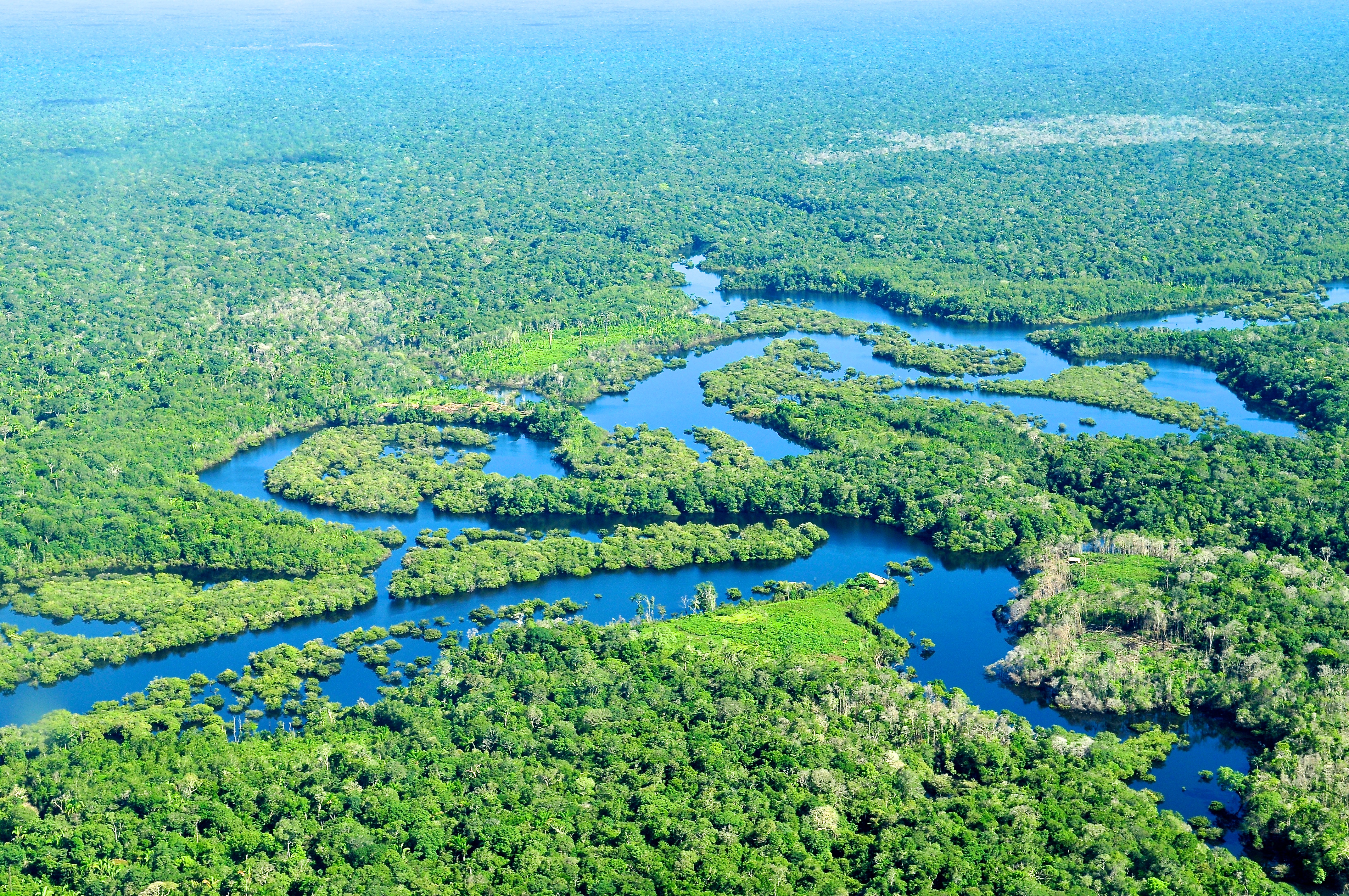
The Amazon Rainforest is the world’s largest tropical rainforest, spread across nine countries and containing more than 390 billion trees. It covers an area of about 6 million square kilometres, making up about 60% of the world’s tropical rainforests. This forest is crucial because it hosts extremely diverse flora and fauna and stores large amounts of carbon, helping to mitigate the impact of climate change. Additionally, the Amazon supports the income and livelihoods of thirty million people, including three hundred and fifty different ethnic groups.
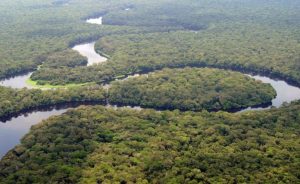
The Congo Basin is the second largest rainforest in the world, stretching over 3.4 million square kilometres in Central Africa. This resource is crucial for supplying water for irrigation and producing electricity in the area. It is one of the most biodiverse places in the world, supporting numerous endangered species that live within the forest. Additionally, the forest contributes to carbon sequestration (a natural or artificial process by which carbon dioxide is removed from the atmosphere and held in solid or liquid form), helping to mitigate global climate change.
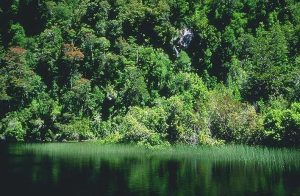
Covering parts of both Chile and Argentina, the Valdivian Temperate Rainforest stands out for its varied terrain and some of the oldest trees on the planet. This exceptional forest is home to a vast array of evergreen angiosperms and conifers, as well as a rich undergrowth of bamboo and ferns. It holds significant ecological value due to the diverse indigenous species found in this area.
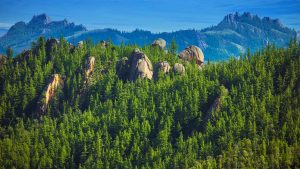
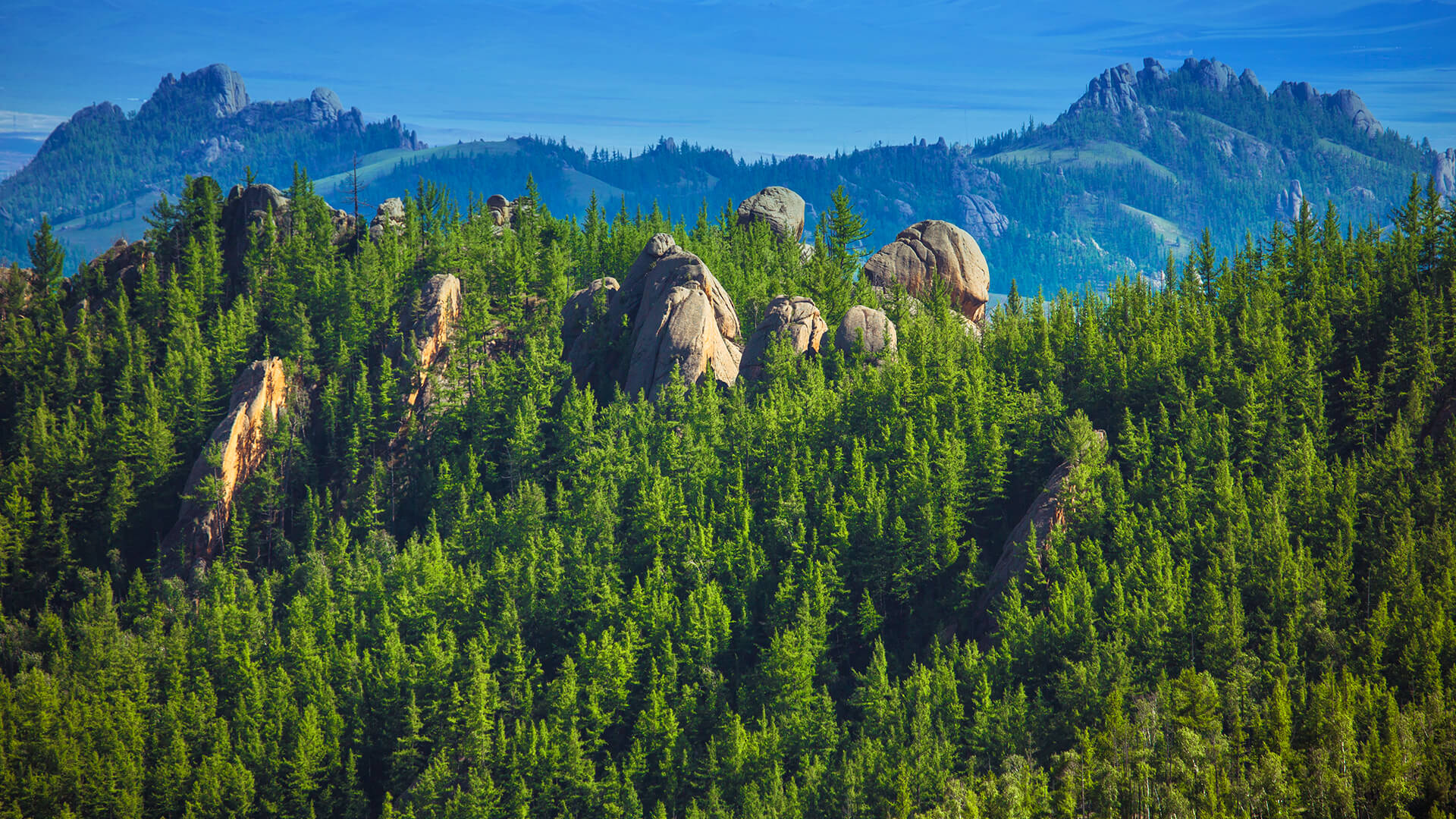
The Taiga, also known as the Boreal Forest, is the world’s largest biome, occupying vast territories in Russia, Canada, and other northern countries. It is made up of extensive tracts of coniferous vegetation, including pines, spruces, and larches. The Taiga is crucial for carbon sequestration and oxygen generation, and it contains diverse species that have adapted to the extreme weather conditions.
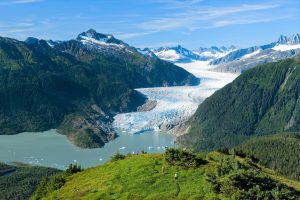
The Tongass National Forest, situated in Alaska, is the largest forest in the United States, spreading across 16.7 million acres. This temperate rainforest boasts stunning and unique geographical features, including glaciers, as well as diverse flora and fauna. It offers protection to many species of plants and animals, including endangered and rare species, thereby confirming its vital role in conservation.
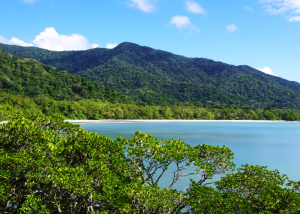
The Daintree in Australia is one of the most beautiful places to behold. It occupies an area of approximately 1,200 square kilometres and has peculiar flora and fauna; in fact, some of the species are unique to this region. This World Heritage site, located in the Wet Tropics of Queensland, is a rainforest that conserves a historical record of biodiversity.
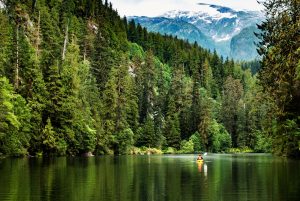
The Great Bear Rainforest, stretching through Canada, covers approximately 6 million acres (around 4 million hectares) and is part of one of the largest coastal temperate rainforests on Earth. It is known for its diverse species, various bio-habitats, and unique animals, such as the Spirit Bear. In 2016, 85% of this forest was designated for protection from industrial logging, highlighting its environmental significance.
The Black Forest in Germany is a very famous mountainous forest region characterised by a thick blanket of evergreen trees and charming villages. Measuring approximately 6,009 square kilometres, it attracts tourists with its natural beauty, trails, and local culture. It is important to note that the forest influences the local climate and plays a role in maintaining the water cycle.
Straddling the border between Poland and Belarus, Białowieża Forest is one of the last and largest remaining parts of the primaeval forest (earliest forest) that once covered much of Europe. It is a UNESCO World Heritage site and home to more than 800 European bison, Europe’s heaviest land animal. This forest is a vital reservoir of biodiversity, rich in species and ecological processes.
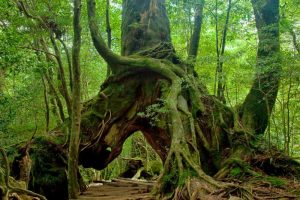
Yakushima Forest is situated in Japan. In this forest, there are cedar trees that are over 1,000 years old. UNESCO has designated about 504 square kilometres of this area as a cultural world heritage site. The forest, spanning 88 square kilometres, is endowed with diverse vegetation and wildlife. Forests are one of the most significant components of the Japanese landscape, making distinctive contributions to local species protection.
These are more than just groups of trees; they are gigantic tracts of forests that continue to offer formidable benefits to our planet. These species are important in the process of carbon storage, through which climate change is combated via the removal of excess carbon from the air. In addition, the forests moderate water regimes, control erosion, and are home to an immense richness of species, some of which are unique.
Forests are also crucial to the welfare of humans. They supply products like timber, medicine, and food, and provide opportunities for recreation, leisure, and the promotion of culture. The world’s Indigenous Peoples rely on forests for food, shelter, medicine, and the conduct of their cultural activities.
Nonetheless, forests are on the verge of being destroyed by factors such as deforestation, climate change, and human activities. Conserving these important ecosystems is crucial for the welfare of our world. Protection, sustainable utilization, and international collaboration are vital to ensure that these forests remain healthy to support life forms in the future.
Globally, the largest forests are essential resources that require human honour and protection. They are not only aesthetically fascinating structures but also the critical machinery of the Earth’s life support system. Thus, ensuring the protection of these forests is the best way to secure a better tomorrow for us and all of humanity.
Nigeria remains an example of how traditional beliefs can be used to preserve wildlife in alignment with the nation’s cultural values. This unique combination showcases the society’s deep appreciation for multiculturalism and its commitment to wildlife conservation.
Beliefs native to cultural heritage tend to respect wildlife and closely relate to it. Several great natural features are imbued with cultural significance, particularly through worship among pre-scientific communities, thereby contributing to their protection.
Traditional knowledge may also help in understanding how resources can be used efficiently concerning the current strategies for the protection of natural resources. Nigeria’s cultural composition intertwines with diverse beliefs, as each culture has a different perception of wild animals.
Thus, it is crucial to acknowledge the importance of tradition in responding to the particularities of the challenges related to conservation in Nigeria’s context. It can therefore be seen that incorporating such beliefs in conservation plans enhances the participation of the community, thus presenting a more honourable method of conservation planning.
Traditional Practices in Nigeria
In some Nigerian societies, sacred groves serve as natural reserves for specific animal species. For instance, the Osun-Osogbo Sacred Grove, a UNESCO World Heritage site, is a sanctuary for various animals. The Efik tribe, for example, prohibits the killing of monkeys for any reason, while different tribes may taboo certain species of wild animals for consumption. These practices have helped conserve some animal species from extinction.
Customs have been established to promote safe hunting and control the exploitation of wild resources. Hunting follows specific rules to prevent the overuse of wildlife, ensuring maximum protection for these species.
There are quite strong perceptions associated with traditional knowledge that emphasize the conservation of natural resources. Tribes have also come up with measures in conservation where the community directly participates in wildlife conservation. For instance, the Yankari Game Reserve in Bauchi State is a prime example of successful community involvement in wildlife management. Local communities have been actively engaged in conservation efforts, including anti-poaching patrols and habitat restoration projects. This has led to a significant increase in wildlife populations within the reserve, with species such as elephants, lions, and hippos making a comeback. Similarly, in Gashaka Gumti National Park, community outreach programs have been instrumental in promoting coexistence between wildlife and residents. Through education and awareness campaigns, communities have learned to value and protect the park’s biodiversity. As a result, incidents of human-wildlife conflict have decreased, and wildlife populations have thrived. Such beliefs and practices help in the attainment of sustainable use of natural resources, ensuring that the use of resources benefits the owner while not depleting the resource in question.
A Case Study: Kpashimi Forest Reserve
A research study conducted on a survey concerning the exploitation of forest resources and measures of forest conservation among the people living close to the Kpashimi Forest Reserve in Niger State supports the concept of Traditional Ecological Knowledge. This includes concepts such as the protection of certain areas as biogeological reserves for endangered species and plants, rituals that forbid the utilization of certain natural resources through ‘no-take’ zones, and myths that outline dos and don’ts regarding the use of natural resources. It also includes harvesting techniques that are based on the spiritual significance of forests and the creatures and plants within them.
Indeed, acknowledging these immense values and the impacts of the ever-changing environment, the natives have recognized the need to integrate the indigenous knowledge system with the modern forestry system. Therefore, it is evident that modern conservation programs should not only acknowledge local beliefs and ideas but also incorporate them into practice to maintain forest genetic diversity.
Incorporating indigenous knowledge and traditional practices alongside formal conservation strategies is essential for effectively preserving Nigeria’s diverse biological features. Various Nigerian communities demonstrate that respecting cultural beliefs and integrating them into conservation measures can significantly enhance their effectiveness. It is important for people to value the traditional knowledge passed down through generations and recognize the cultural importance of natural resources to expand conservation programs. This approach not only protects wildlife and natural habitats but also fosters a sense of ownership among local communities, leading to long-term conservation success. To address environmental problems and conserve natural resources for future generations, it is important to understand the interconnection between tradition and modernity in Nigeria.
2024 is the year in which people should put into practice all that they have planned and designed so far. Certainly, the goal of no more deforestation or preventing climate change does not ask for new strategies, it wants unyielding action now.
World Rainforest Day is observed annually on the 22nd of June and is an initiative of Rainforest Partnership established in 2017, The day aims to raise awareness on the role of standing forests for climate, nature, biodiversity, culture and People, and also build a platform with a collective vision for the protection and restoration of the world’s remaining rainforests. From 2021 to 2023, we have been the global convener of the Annual World Rainforest Day Summit. Brought to life by 105 collaborating organizations and attendees from 77 countries, the Summits facilitated knowledge exchange and community building with one shared purpose, for this operationalizing of resilience and its employment in a targeted way to advance the sustainable protection of forests. In 2024, we extended further and introduced the World Rainforest Day pledge program to advance rainforest and climate solutions today globally.
Global awareness about the need to protect rainforests — home to over 50% of plant life, a third of all animals, and a source of much of the world’s oxygen — is the purpose for launching the initiative. The concept of World Rainforest Day 2024 is ‘Empowering the World in Defense of Our Rainforests’.
Rainforests
So let’s get a brief understanding of Rainforests. A rainforest can be described as a geographic location that features forests with a high level of precipitation throughout the year more so the year-round heavy rainfall. The majority of rainforests occur in regions of the tropics, yet some tropical rainforests can be identified in temperate zones such as the Pacific Northwest of NORTH AMERICA or Tasmania. While occupying less than 6% of the Earth’s surface, rainforests yield roughly 50% of the world’s animal species, and plants as well as 90% of the species of many animals, including monkeys, birds, frogs, spiders and insects.
New plant, insect, and animal species are being found today in the same way they used to be discovered several years ago. The Amazon rainforest, for example, is believed to harbour up to eight hundred thousand and this is a single floor of this diverse building. This diversity, in addition to being a storehouse of valuable genes, supplies most of the consumables we actively employ in our everyday life routine; coffee and fruits we consume day by day, cosmetics we wash with, or medications that alleviate our pain – though such list is far from exhaustive.
One key aspect that is important to highlight is that rainforests have a significant function in climate control and carbon storage. Stomata, the minute pores on the surface of leaves, release water in the form of vapour known as transpiration that aids in the creation of atmospheric rivers, which transport moisture over long distances across continents and bring rainfall to parts of the planet that may not see a drop of rain for years.
Rainforests are significant carbon reservoirs, or what is known as carbon repositories, because they help to reduce the amount of carbon dioxide (CO2) in the air through photosynthesis. Tree plants use CO2 for photosynthesis and release oxygen into the atmosphere, and carbon is sequestered both, in tree trunks and branches, and the ground. As for the terrestrial biospheric carbon pool, the Amazon Rainforest alone is calculated to contain tens of billions of tons of carbon. Apart from gaining the greenhouse effect by lowering the quantity of CO2 in the atmosphere, the stated procedure facilitates the carbon cycle, which is one of the natural lifecycle processes that more or less regulate the climate of the Earth. Due to their complex structure and their ability to store and sequester carbon as well as control climate within large land masses, rainforests remain humanity’s biggest assets in mitigating and even in some cases reversing some of the disastrous outcomes that are associated with climate change.
Cultural and Human Importance
People who still live in rainforests continue to practice the ancient ways of life and are therefore a source of diverse cultures. The vast geographic area, about one-third of the area covered by the rainforests of the world, is occupied by more than 30 million heads of families, 350 indigenous and ethnos of the population with their unique culture and traditions. Within the geographical location of Papua New Guinea (PNG), which is ten million people in rainforest country, more than eight hundred languages are used. Central African rainforests, especially the Congolian Lowland, also host many linguistic and cultural diverse groups.
Most of these individuals rely directly on rainforests for their sources of income, everyday needs and other necessities in life. Farming, fishing, and hunting activities are particularly associated with a cultural perspective on the means of subsistence and social organization. Indigenous inhabitants of the rainforest areas have unique practices that can help promote the conservation of forests, agriculture practices and various scientific practices associated with the rainforest. These are learnt from generations and act as key factors in the conservation of ecosystems and human community welfare. It has to be pointed out that Indigenous and local people living in rainforests are integral to the protection of the latter as well as to the promotion of sustainable, long-lasting systems, which can and should involve them, as they possess invaluable knowledge that is necessary for restructuring existing systems and creating novel nature-based solutions. It is crucial to acknowledge and facilitate the rights, knowledge, and engagement of indigenous and local communities.
The Global Importance of Rainforest Conservation
World Rainforest Day is a yearly event which takes place on 22nd June. This day is observed to help people develop an understanding of how forests, especially tropical rainforests, are important for the functionality of the earth and why they should be preserved.
Rainforests are located in all the continents across the globe excluding the South pole or Antarctica. The two major rainforests today are located in the continent of South America near the Amazon River and in Africa near the Congo River. Southeast Asia has tropical islands and Australia as well as rainforests. That is, the temperate rainforests of the coastal and mountain regions of the Pacific Northwest of North America as well as Northern Europe also represent a kind of rainforest.
Tropical moist forests more popularly known as rainforests are the oldest ecosystems on earth with some having remained as they are for at least seventy million years. They are highly fertile, self-contained ecosystems that support over one-half of all species of plants and animals on the planet despite accounting for only 6% of Earth’s surface area. So, rainforests are incredibly packed with vegetation and animal density; even a one sq km area may contain up to 150 species of flowers, 75 trees, 40 species of birds, and 15 butterflies.
There is nothing quite as significant as the amount of bio-diversity that is found within rainforest regions as it is vital to our health and the overall existence of the planet. Rainforests play an important role in climate change on our planet – the so-called climate moderators – as well as provide us with many of the products that are part of our daily use. Human encroachment and particularly industrial and agricultural development, however, are reported to have taken a toll on the health of world rainforests. People, their governments, Intergovernmental and non-governmental organizations as well as conservation organizations are doing their best to conserve such important but vulnerable ecosystems.
Therefore, as a message for the future WORLD RAINFOREST DAY, everyone should contribute to conserving these important biomes. This means calling for more aggressive actions that will reverse the deforestation process that has caused climate changes thus leading to more problems for the already threatened forests that need to be preserved for the benefit of future generations.
The Nigerian government is taking a major step towards safeguarding the environment by actively pursuing the creation of a dedicated tribunal to hold accountable those who engage in environmental crimes throughout the country. This important initiative was revealed by Balarabe Lawal, the Minister of Environment, during a meeting with stakeholders in Abuja on June 5th, in commemoration of World Environment Day. The focus of this year’s celebration is centred around “Land Restoration, Desertification, and Drought Resilience.”
Minister Lawal voiced his apprehension regarding the widespread unsustainable environmental practices in the nation, linking these problems to deficiencies in the implementation of current environmental regulations. He highlighted that the emissions of greenhouse gases from factories and household appliances play a crucial role in the climate change difficulties that Nigeria is presently encountering.
Lawal stated that at present, due to our lack of strictness, it has become evident that environmental cases are not being handled appropriately. Our team is putting in significant efforts, and shortly, the Attorney-General of the Federation (AGF) will introduce legislation to safeguard our environment, forests, and local surroundings from pollution.
The primary objective of the proposed tribunal is to accelerate the legal proceedings for environmental crimes, guaranteeing prompt justice for the offenders. This endeavour is anticipated to discourage any future transgressions and foster more stringent compliance with environmental legislation.
“We are going to establish a tribunal that will try environmental crime very quickly, so we need AGF’s support. I urge stakeholders to help us in enforcing existing environmental laws as we try to improve on the laws protecting our environment,” Lawal emphasized.
Nigeria, similar to numerous regions across the globe, is currently facing a range of environmental obstacles, such as deforestation, unsustainable land practices, and the wider consequences of climate change. These practices not only pose a threat to the health and welfare of the population but also endanger the progress and endurance of the ecosystem.
To address these challenges, Nigeria has recently entered into a bilateral framework agreement with Cameroon, focusing on transboundary ecosystem conservation and the sustainable management of forestry and wildlife resources. Lawal hailed this agreement as a significant achievement in the preservation of biodiversity.
The Minister called upon stakeholders and the Nigerian population to reaffirm their commitment to environmental stewardship. He particularly emphasized the importance of planting trees as a tangible solution to combat land degradation and deforestation.
Lawal emphasized the importance of planting trees around our homes as a crucial solution to combat land degradation and deforestation. He stressed the need for intensified tree-planting efforts and called on agencies and departments to assist the ministry in this initiative. Lawal also highlighted the urgent need to declare a forest cover emergency, emphasizing the severity of the situation and the necessity for immediate and drastic action.
Mahmud Kambari, the Permanent Secretary of the Ministry of Environment, emphasized the importance of working together and cooperating to address the intricate challenges of environmental degradation. He called upon all stakeholders to utilize the potential of innovation, technology, science, and traditional wisdom to create effective solutions that will revive the country’s land, strengthen its ability to withstand drought, and combat desertification.
“Let us not forget the profound connection between environmental sustainability and human well-being. The health of our ecosystems directly impacts the livelihoods of millions of Nigerians who depend on land for food, water, and shelter. By prioritizing the conservation of the environment, we not only protect our natural heritage but also promote socio-economic prosperity and resilience for all,” Kambari stated.
Creating an environmental crimes tribunal marks a crucial milestone in strengthening Nigeria’s dedication to ecological sustainability. Through bridging the enforcement deficiencies in current laws and promoting a cooperative strategy to safeguard the environment, the government strives to protect the nation’s natural resources and secure a healthier, more sustainable future for every Nigerian.
Positioned on the edge of Cross River National Park, visitors are immediately surrounded by a harmonious display of natural beauty. Located in Cross River State, Nigeria, in the southeastern corner of the country, this expansive wilderness showcases the magnificence of nature. Encompassing 4,000 square kilometres, it is recognised as Nigeria’s largest closed-canopy rainforest, a lush gem within Africa’s ancient forests.
Cross River National Park, divided into two separate divisions known as Okwangwo and Oban, showcases remarkable diversity. Established in 1991 and 1988, these divisions are home to a wide range of ecosystems, each with its own unique story. Oban, the larger division spanning over 3,000 square kilometres, dominates the landscape with its rugged terrain that demands respect. From the gradual slopes in the south to the towering peaks reaching 1,700 meters in the north, the park’s landscape is both diverse and breathtaking.
Enveloped by lush greenery, a diverse array of wildlife flourishes. Among the towering trees of the rainforest, 16 different primate species call this place home, from the impressive Cross River gorillas to the elusive drills and charming common chimpanzees. The melodious songs of birds echo through the air, while secretive creatures of the forest floor contribute an element of intrigue to this untouched sanctuary. Cross River National Park serves not only as a refuge for animals but also as a vivid illustration of the delicate balance of nature.
This park holds the prestigious title of being a biodiversity hotspot designated by the United Nations. It serves as more than just a wildlife sanctuary; it stands as a symbol of optimism for conservationists across the globe. Its importance extends beyond national boundaries, as it joins forces with Cameroon’s Korup National Park, creating an unbroken expanse of safeguarded wilderness.
For individuals looking to experience the beauty of Cross River National Park fully, the Kanyang tourist village is a must-visit destination. Located just an hour from Calabar, it serves as a perfect entry point to this wild environment, offering necessary facilities and acting as a central point for discovery. Kanyang showcases a lodge for relaxation, a restaurant for delightful dining experiences, and a wildlife museum for a deeper understanding of the park’s diverse ecosystem. It truly exemplifies the peaceful cohabitation of mankind and the natural world.
Step into Cross River National Park, where every rustle of the leaves and every chirp of a bird tells a story of resilience, beauty, and the enduring bond between humanity and the natural world.
Agbokim Waterfalls
Overview
Covering a vast expanse of 4,000 square kilometres, Cross River National Park is divided into two separate sections: Okwangwo and Oban. These areas showcase a diverse range of ecosystems, ranging from the tall canopies of humid tropical rainforests to the peaceful mangrove swamps by the shoreline. As one of Nigeria’s biggest rainforest regions, it serves as a hub of biodiversity, housing various rare species and cultural landmarks.
The Cross River National Park, situated in Nigeria’s Cross River State, is composed of two separate divisions: Okwangwo, which was established in 1991, and Oban, established in 1988. This park stands as Nigeria’s most extensive rainforest and is among the oldest in Africa, being acknowledged by the United Nations as a biodiversity hotspot. The park’s terrain is rugged, with elevations ranging from 150 meters in the south to 1,700 meters in the north. Its northern and central areas predominantly consist of moist tropical rainforests, while the coastal zones showcase mangrove swamps. Within the Oban Division, there are hills that exceed 500 meters in elevation, with one peak reaching nearly 1,000 meters.
The park is home to a diverse range of primates, totalling 16 species, including common chimpanzees, drills, Cross River gorillas, and grey-cheeked mangabeys. Additionally, the park is home to five endemic monkey subspecies, one endemic monkey species, and one endemic ape subspecies, showcasing its rich and unique primate population. Covering approximately 3,000 square kilometres, the Oban Division is the largest area of closed-canopy rainforest in Nigeria and shares a border with Cameroon’s Korup National Park. The Oban Division holds significant importance as a watershed, characterized by hills that exceed 500 meters in height, with one peak reaching an impressive height of around 1,000 meters. During the last glacial period, the Oban Hills served as a refuge for lowland rainforest, and today, they are globally recognized as a hotspot for biodiversity and a hub for species richness and endemism, particularly for primates, amphibians, butterflies, fish, and small mammals.
Oban is home to several rare and unique species, including the Nigeria-Cameroon chimpanzee (Pan troglodytes ellioti), the drill (Mandrillus leucophaeus), the leopard (Panthera pardus), the forest elephant (Loxodonta cyclotis), the grey-necked rockfowl (Picathartes oreas), and the slender-snouted crocodile (Mecistops cataphractus). In addition, Oban is the exclusive habitat in Nigeria for the Preuss’s red colobus monkey (Procolobus preussi) and the crowned guenon (Cercopithecus pogonias). The contiguous Oban-Korup forest is renowned as the most biodiverse site in Africa for butterflies and is also considered one of the most diverse and rich bird-watching sites in Nigeria.
The Okwangwo Division was established in 1991, created from three former forest reserves, and it spans an area of 640 square kilometres, primarily consisting of lowland and sub-montane closed canopy forest., Situated at the headwaters of the River Cross, its terrain varies from 150 meters in the southern lowlands to approximately 1,700 meters on the northern edge of the Obudu plateau. Okwangwo shares its borders with Takamanda National Park in Cameroon, and collectively they serve as a crucial habitat for the critically endangered Cross River gorilla (Gorilla gorilla diehli) and several other significant species, including the Nigeria-Cameroon chimpanzee (Pan troglodytes ellioti), the drill (Mandrillus leucophaeus), Preuss’s guenon (Allochrocebus preussi), the forest elephant (Loxodonta cyclotis), and the grey-necked rockfowl (Picathartes oreas).
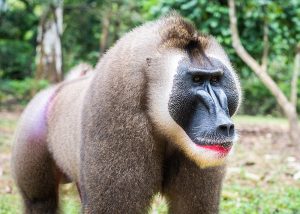
Drill Monkey
Despite its ecological significance, Okwangwo faces extensive hunting activities, resulting in notably low populations of large mammal species. The predominant hunting methods involve wire snares and shotguns, primarily to meet the demand of the bushmeat trade, and also for the ivory from forest elephant hunting. Furthermore, the montane forests on the outskirts of the Obudu plateau are progressively deteriorating due to grassland fires. Within the park, three enclave villages have emerged as hubs for hunting, providing refuge for poachers, while the expansion of farmlands within these village enclaves is gradually encroaching on the park, causing a physical divide. Illegal logging, especially for ebony, has become an escalating concern, further contributing to the environmental challenges. The gathering of non-timber forest products, like bush mango, is widespread, often leading to the establishment of large camps inside the park, attracting both gatherers and hunters.
A Brief History
The genesis of Cross River National Park can be traced back to the late 20th century, when conservationists with a vision laid the groundwork for its establishment. Despite encountering challenges such as illegal logging and poaching, ongoing conservation efforts are dedicated to safeguarding the park’s precious ecosystems. Initiatives involving partnerships and community engagement are currently underway to ensure the longevity of the park for future generations.
The Cross River National Park (CRNP) in Nigeria was officially established in 1991, emerging from three former forest reserves. Although the park was initially proposed in 1965, significant planning did not commence until 1988. The establishment of the park was supported by the World Wide Fund for Nature (UK) with a budget of $49.9 million, playing a crucial role in its creation. The park’s theme animal, the Cross River gorilla, serves as a symbol of its unique biodiversity.
CRNP is a rainforest biodiversity hotspot, covering 640 square kilometres of closed canopy forest, primarily consisting of lowland and sub-montane areas. The park’s rugged topography features elevations ranging from 150 meters in the southern lowlands to 1,700 meters on the edge of the Obudu plateau in the north. The Cross River and its tributaries flow into the park, giving rise to swamps in the northern part of the Oban Hills division.
The park is situated in Cameroon and borders the Takamanda and Korup national parks. Located southeast of Obudu Town, the Okwangwo Division of the CRNP is bounded by the Cross River to the south, the Ikom-Obudu Highway to the west, and the Cameroon frontier to the east. In the Oban Division of the CRNP, one can find Preuss’s red colobus monkey and the crowned guenon, making it the only location in Nigeria where these species can be found. Furthermore, the Oban-Korup forest is renowned as the richest site in Africa for butterflies.
Since its establishment, CRNP has been tackling significant challenges, including illegal logging and poaching. To address these challenges, ongoing conservation efforts are being pursued, supported by partnerships with international organizations and active engagement with local communities. The primary goal of these initiatives is to protect CRNP’s biodiversity and ensure the long-term sustainability of the park for the benefit of future generations.
Ecological Diversity
Discover a world of extraordinary ecological variety, where every part of the park reveals a unique wonder. Cross River National Park (CRNP) in Nigeria is a haven for a wide range of plants and animals, from the lush rainforests to the vast savannahs. Within its boundaries, you’ll find rare and endangered species, such as the elusive Cross River gorillas and magnificent African forest elephants, seeking safety and protection.
The park boasts an impressive array of ecological diversity, featuring:
Mammals: home to 119 species, including 75 mammal species such as forest elephants, chimpanzees, drills, and buffalo, as well as 18 of the 23 monkey species found in Nigeria.
Birds: With 382 bird species, including the olive green ibis, and 410 species across 53 families, CRNP is one of Africa’s most diverse lowland sites for birds.
Fish: Contains 48 fish species and 140 species in the Korup area, distributed among three river systems.
Snakes: host 42 snake species.
Butterflies: It comprises 950 butterfly species, with almost 600 species collected by Torben Larsen in the Oban division in 1995.
Plants: It supports 1,568 plant species, including 77 endemic to Nigeria, such as 1,303 flowering plants, 141 lichens, and 56 moss species.
Mushrooms: There are 79 mushroom species in the Oban Hills Division, belonging to 54 genera and 36 families.
CRNP also protects unique species such as the subspecies of gorilla (Gorilla gorilla diehli) and bare-headed rock fowl (Picathartes oreas), which are endemic to the area. The Oban Hills division is an internationally recognized biodiversity hotspot, especially for primates, amphibians, butterflies, fish, and small mammals.
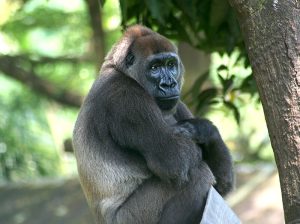
Nyango, the only known Cross River gorilla in captivity. She died on October 10, 2016. (*Wikipedia)
The park harbours one of the oldest rainforests in Africa, further identified as a biodiversity hotspot. Sixteen primate species have been recorded in the park, with rare primates including common chimpanzees, drills, and (in Okwangwo) Cross River gorillas.
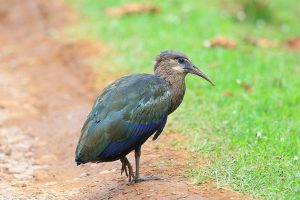
The olive green ibis
Visitor Experience
Cross River National Park (CRNP) in Nigeria is a haven for nature enthusiasts, providing a variety of activities to enjoy. Visitors can embark on breathtaking hikes through picturesque trails and have unforgettable encounters with wildlife, guaranteeing an extraordinary experience at every turn. The park also offers cosy accommodations within or close to its premises, ensuring a convenient and peaceful getaway into the heart of the wilderness.
Cross River National Park (CRNP) in Nigeria is a Pleistocene biodiversity refuge in the Guinean Forests of West Africa that offers many activities for visitors, including:
Wildlife Viewing: Witness the park’s rich fauna, including gorillas, leopards, red foxes, baboons, buffaloes, elephants, drill monkeys, chimpanzees, and orangutans.
Hiking: Traverse the lush rainforest vegetation and enjoy the diverse flora.
Water Recreation: Enjoy the natural water bodies, such as the Kwa River, perfect for various water activities.
Bird Watching: Spot a multitude of bird species that inhabit the park.
Botanical Garden Tour: Explore the Botanical Garden and Herbarium in Button, showcasing a variety of plant species.
Natural History Museum: Tour the museum within the park to learn about its rich natural history.
Local Tours: Engage with the local communities and learn about their unique way of life.
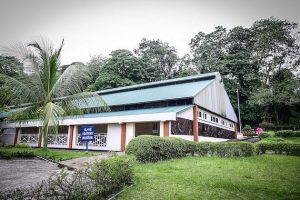
National park museum
The park experiences two distinct seasons: a dry season from November to March and a rainy season from March to November. During the dry season, which spans from November to March, the park encounters minimal rainfall, while the rainy season, occurring from March to November, brings abundant precipitation. The average daily temperature ranges from 14°C to 25°C, providing a moderate and comfortable climate for visitors throughout the year. The annual rainfall in the park ranges between 2000 and 3000 mm, contributing to the lush and diverse ecosystem within the park.
The Kanyang Tourist Village, conveniently located just an hour’s drive from Calabar, offers a convenient and comfortable base for visitors exploring the park. Visitors can enjoy the amenities of a lodge, a restaurant, and a wildlife museum at the Kanyang Tourist Village, ensuring a comprehensive and enjoyable experience during their stay.
CRNP’s main tourism potential lies in a wide array of activities, including gorilla watching, bird watching, mountaineering, hiking, fishing, and boat cruising. In addition, visitors can explore a small zoological garden showcasing rare species, marvel at the scenic Kwa Falls, and be awed by the breathtaking Agbokim Waterfalls, all contributing to an unforgettable adventure in Nigeria’s captivating natural environment.
Challenges and Conservation Outlook
The Cross River National Park is facing significant challenges that threaten its delicate balance and splendour. One of the major challenges is the illegal logging that has become a growing problem, particularly for ebony, within the park. Poaching is also a rampant issue, with three enclave villages within the park serving as hunting hotspots and sanctuaries for poachers. The expansion of farmlands through slash-and-burn farming is gradually dividing the park into two, posing a critical issue for its conservation. Cattle herding and fishing, as well as water poisoning, are major threats to the park’s biodiversity. Furthermore, illegal entry and the collection of non-timber forest products (NTFP) further worsen the situation, highlighting the urgency of conservation efforts to address these challenges.
The Cross River National Park (CRNP) is considered a global conservation hotspot and stands as one of Nigeria’s most valuable conserved areas. It is recognized as a ‘biodiversity hotspot’ due to its rich and varied resources, encompassing diverse flora, fauna, rivers, and topography. Unfortunately, the park is facing a significant threat from illegal activities, jeopardizing its valuable resources. Efforts are being made to address this issue through collaborative strategies and a renewed dedication to sustainability, offering hope for a future where the park can flourish as a symbol of biodiversity. Promoting eco-tourism can play a crucial role in preserving the park’s fauna, while also providing support to villagers in buffer zones to engage in sustainable forestry practices, thereby reducing the impact of human activities. By effectively tackling these challenges with viable solutions, the CRNP can continue to serve as a vital sanctuary for Nigeria’s natural heritage.
Final Note
Nestled in the Cross River National Park lies a sanctuary of diverse wildlife and a remarkable example of the connection between nature and humans. This protected area holds great historical and ecological value, offering a special chance to explore Nigeria’s untamed wilderness. However, the park’s existence depends on carefully managing the balance between conservation and sustainable development.
The Cross River National Park is a symbol of hope, showing nature’s strength and inspiring efforts to protect our planet’s beauty. With conservationists, locals, and tourists working together, the park can thrive and safeguard its rainforests, wildlife, and cultural treasures for generations to come.
As we move forward into the future, it is important to carry with us the stories passed down by the ancient trees, the melodies of the diverse birdlife, and the quiet resilience of the elusive Cross River gorillas. These memories serve as a powerful reminder of our responsibility to protect these sanctuaries, as preserving Cross River National Park is a tribute to its exceptional beauty and the timeless connection between humanity and the environment.
Lagos, Nigeria – BATN Foundation, building upon its impressive achievements in the last twenty years, has unveiled its strategic plan for the upcoming five years. The foundation’s primary objective is to empower rural Nigeria and promote sustainable development, aiming to impact these areas significantly.
The Foundation is committed to supporting sustainable livelihoods and driving economic progress. Through innovative projects and strategic partnerships, it aims to expand its impact. With a focus on assisting smallholder farmers and their communities, BATN Foundation is determined to bring about positive change and work alongside government efforts to ensure food sufficiency and security.
The strategic plan focuses on six main areas: Enterprise Development Programme (EDP), Capacity Building Programme (CBP), Youth Empowerment and Empowerment Programme (YEEP), Grants & Government-led Interventions, Environmental Management, and Humanitarian Aid. The goal of BATN Foundation is to achieve the following through this framework:
1. Empower young entrepreneurs and women in agriculture to promote enterprise growth, benefiting at least 60,000 individuals.
2. Support the establishment and growth of 100 young agripreneurs, creating job opportunities.
3. Lead an afforestation initiative by planting at least 50,000 trees, contributing to environmental sustainability.
BATN Foundation will focus on six key agricultural value chains to support government goals for food security: rice, maize, cassava, vegetables, aquaculture, and poultry. The goal is to increase productivity, improve market opportunities, and raise the income of small-scale farmers.
Oludare Odusanya, the foundation’s general manager, highlighted the significance of partnerships in accomplishing their mission. He emphasized that collaboration is crucial to their strategy, as they are committed to rural development and sustainability. To achieve their ambitious goals, they will establish additional partnerships and collaborate with NGOs, agricultural stakeholders, and both the public and private sectors.
By expanding its initiatives and extending its influence across the country, BATN Foundation is ready to bring about substantial transformation in the agricultural sector and beyond. This will pave the way for sustainable development and empower rural Nigeria, leading to a promising future.
Welcome, passionate adventurers and nature lovers, to a thrilling new series that guarantees to lead you on an enchanting expedition through the treasures of Nigeria’s wild landscapes—its national conservation parks.
Situated in the heart of Africa is a country boasting exceptional biodiversity, with dense rainforests, vast savannas, and winding rivers blending to form a mosaic of natural marvels. Nigeria, renowned for its diverse cultural traditions and lively urban centres, harbours a diverse range of conservation areas, all brimming with distinct plant and animal species ready to be explored
Next month, join us on a journey to discover the treasures of Nigeria’s eight national conservation parks. We will explore one park at a time. Our inaugural destination? The magnificent Cross River National Park.
Located in the southern part of Nigeria, Cross River National Park showcases the country’s dedication to protecting its natural wonders. This lush sanctuary covers more than 4000 square kilometres and offers a safe haven for rare animals like the Cross River gorilla, forest elephant, and Nigerian-Cameroonian chimpanzee.
However, Cross River National Park offers more than just a sanctuary for animals. It serves as a research facility for conservationists, an exciting destination for thrill-seekers, and a place of inspiration for those who want to reconnect with nature. With its lush rainforests and breathtaking waterfalls, every part of this park has a unique tale to share.
Get ready to join us on an exciting journey of exploration as we set off on this expedition. Nigeria’s parks, from the wild terrains of Gashaka-Gumti to the tranquil charm of Kamuku National Park, hold unique stories and breathtaking marvels waiting to be uncovered.
So, dear readers, are you ready to embark on this adventure with us? Prepare to be enchanted, amazed, and inspired as we journey through Nigeria’s natural treasures, one park at a time.