Tag: Climate change

  • Nigeria launches Project 250k to curb climate change

    Nigeria launches Project 250k to curb climate change

    Nigeria has inaugurated Project 250k for climate change. The project is geared towards supporting the Nigerian youth to plant and tend 250,000 tress across the country.

    The project was launched at he COP27 conference in Sharm El-Sheik, Egypt, where the Minister of Youth and Sport Development, Sunday Dare said his ministry and that of Environment will encourage and harmonise contributions from youths towards mitigating climate change in Nigeria.

    “Young people are valuable contributors to climate action as agents of change, entrepreneurs and innovators hence their mobilisation shows meaningful contributions in achieving the objectives of COP 27 and beyond,” he said.

    Dare implored the youths to continue to lend their support to the government in it’s effort to ensure a better future for all. He also commended the youths for their resilient effort in climate change mitigation.

    “The goal is to make sure that we are not just planting the trees but the awareness is generated, they plant the trees and also become ambassadors for climate change,” Dare added

    The minister for Environment Mohammed Abdullahi noted that “the youths must be involved in all climate change mitigation effort of Nigerian government going forward”

    He further enjoined young people to participate actively in climate action programs and to accomplish specific results for themselves and the country.

  • Framing the Climate Crisis as a Terrorism Issue Could Galvanize Action

    Framing the Climate Crisis as a Terrorism Issue Could Galvanize Action

    In many vulnerable regions of the world, the climate crisis has exacerbated loss of farmable land and increased water scarcity, fueling rural-urban migration, civil unrest, and violence. As a result, worsening geopolitical instability has aided the rise of terrorism and violence in the Middle East, Guatemala, and the Lake Chad Basin of Africa. Yet when people hear the words, “global warming,” they typically don’t think of terrorism. If they did, politicians would be far more likely to undertake drastic action to address the climate crisis.

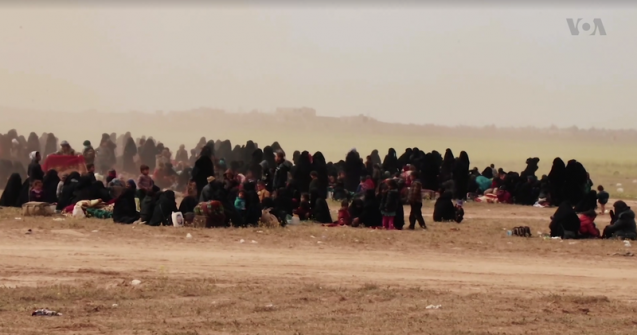
    Syria after 2011 is one example of how the climate crisis multiplied existing threats. Water scarcity, which had been worsening over the years, contributed significantly to the outbreak of conflict. The increased death of livestock, reduced arable land, and rise in food insecurity made it significantly easier for the terror organization calling itself the Islamic State of Iraq and Syria (ISIS) to locally recruit over two thirds of its fighters. Extreme weather phenomena offered ripe opportunities for ISIS to increase support among locals. When a vicious drought swept through Iraq in 2010, ISIS distributed food baskets to local inhabitants. When high winds destroyed vegetation in 2012, ISIS handed out cash to affected farmers. By offering a source of income and opportunity for people when their livelihoods were destroyed by droughts and other extreme weather, ISIS was able to cultivate support and draw members from local populations. In other words, the climate crisis increased geopolitical instability and aided the growth of terrorism.

    The US is vehemently opposed to terrorism as a matter of national security. According to the Pew Research Center, in early 2018, over three-quarters of American adults believed terrorism should be a top policy priority for the government, the highest of any given option. Over 46 percent of American adults favored increasing spending on anti-terrorism defenses, though the US military budget is already larger than the next seven highest-spending countries combined. The same survey showed that less than half of American adults believed climate change should be a top policy priority, ranking the second lowest of given issues.

    Most Americans see “global warming” as an environmental, scientific, and political issue. Over half of Americans do not see it as a national security issue. While it is informative to present the climate crisis primarily through scientific data on global temperatures, atmospheric carbon concentration, and emissions levels, it does not galvanize people to action nearly as much as characterizing it as a matter of immediate national security. Doing the latter would make it a much higher priority for people in power.

    The U.S. military already quietly recognizes climate change as a matter of national security, in part because it sparks conflict and unrest in other countries. In order to conceptually link the climate crisis to national security for the broader public, climate activists should expand and increase rhetorical focus on how the climate crisis worsens migration, foments geopolitical instability, and thereby aids terrorist organizations. Presenting the climate crisis in security-centric concerns and consequences ensures that all Americans — including right-leaning voters and people who would not be swayed by conventional appeals to ecological conservation or species preservation — become aware of how consequential it is. Security-centric framing would also help to shift the tone of climate activism toward addressing immediate threats, rather than simply encouraging global cooperation for the sake of future generations.

    Reorienting climate rhetoric around national security also brings the action to a level that feels more achievable — at the national rather than global level. Whereas preserving the planet for future generations sounds aspirational and spiritually uplifting, it is an intrinsically international goal that calls upon many countries to work together for success. Framing plans to deal with the climate crisis in a way that requires concerted goodwill tends to encourage cynicism and blame-shifting when countries fail to meet carbon emission reduction targets. The vast majority of countries are failing to lower emissions to levels that would keep global warming below 2 degrees Celsius, as the 2015 Paris Agreement aspires to do. This collective failure dissipates blame and often disincentivizes countries from shouldering the burdens of emission reduction. Furthermore, focusing overtly on country-level climate reduction targets conceals the fact that emissions are largely generated by a handful of international corporations — over a third of all carbon and methane emissions since 1965 have been produced by 20 companies, including Saudi Aramco, Chevron, Exxon Mobil, and Royal Dutch Shell.

    Holding corporations accountable for emissions requires immense political momentum, which is more easily galvanized by framing climate action as a necessary defense against immediate danger than as a voluntary restriction of certain economic activities for global well-being. While global cooperation to reduce emissions is what the international community should strive for, using nation-centered rhetoric that focuses on security threats can be an effective conduit to achieving this broader goal. Furthermore, linking the climate crisis to terrorism could increase the motivation and capital for countries to press hard in climate negotiations; in the face of immediate danger, the inertia of other countries or companies seems a paltry excuse for inaction.

  • Unity Bank strengthens support for climate action

    Unity Bank strengthens support for climate action

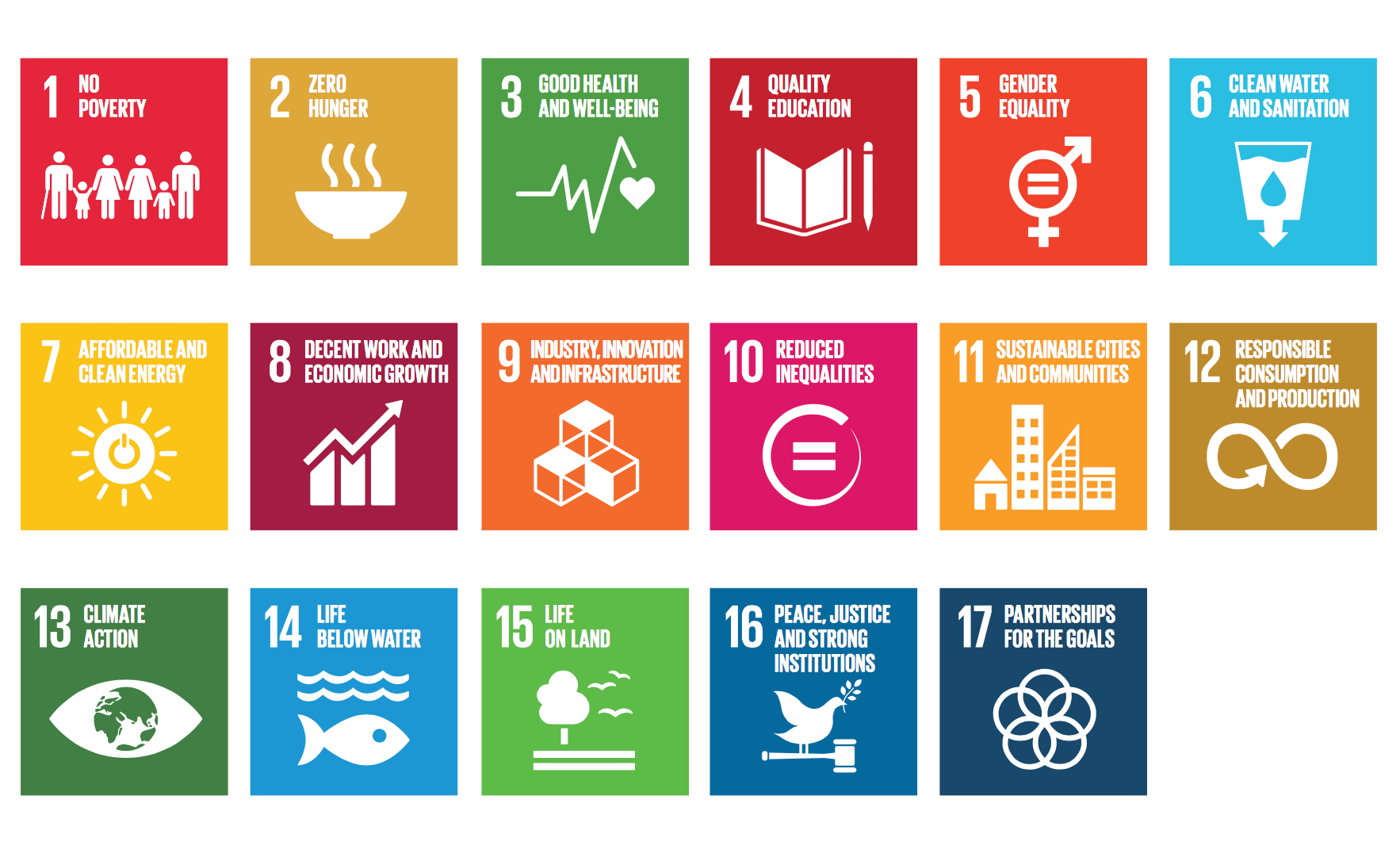
    Unity Bank says it is in partnership with Avant-Garde Innovation and Technology Services (AGITS) to deepen advocacy initiatives for stronger climate action that will entrench values and ethos for achieving Sustainable Development Goals in the country.

    A statement by the bank on Wednesday quoted Mrs Tomi Somefun, Managing Director, Unity Bank Plc, as stating this in Lagos at a roundtable discourse with the theme: “The Future of Sustainable Development in Nigeria: Achieving Economic Growth with Low Carbon Trajectory in a Circular Economy.”

    Somefun said that the discourse provided the platform for stakeholders to evaluate developmental activities impacting on climate change and opportunities in a green economy as a means of improving environmental sustainability.

    She said that a green economy would address global warming, rising sea levels, pollution, desertification and deforestation, and determine effective response to promote community action, protect the environment and advance sustainable development.

    Somefun, represented by Usman Abdulqadir, Executive Director, Risk Management and Compliance, stressed the need for increased stakeholder engagement on sustainable development to deepen commitments towards promoting climate change initiatives.

    “It is the hope that while sharing experiences on actions to protect the earth for future generations, the platform is capable of harnessing ideas to forge common action points and convergence for policy makers, entrepreneurs, sustainable development experts and other organisations playing pivotal roles to solve problems threatening the sustainability of the planet earth.

    “Having promoted sustainable practices in agriculture over the years, and its commitment to sustainability, Unity Bank appreciates the need to create more awareness, engagement and collaboration in the execution of sustainability initiatives, thus the roundtable is not only relevant but timely,” she said.

    Somefun recalled that in 2018, Unity Bank won the Central Bank of Nigeria (CBN) award on ‘Sustainable Transaction of the Year in Agriculture’ in recognition of the bank’s initiatives to promote sustainability initiatives and impact in the agricultural space

  • Climate change, root of crisis in Northeast – Environmentalists

    Climate change, root of crisis in Northeast – Environmentalists

    Coalitions of environmentalists have asked the Federal Government to address the challenges of climate change and environmental degradation in the country, noting that these are the source of humanitarian crises in the North-East and other parts of the country.

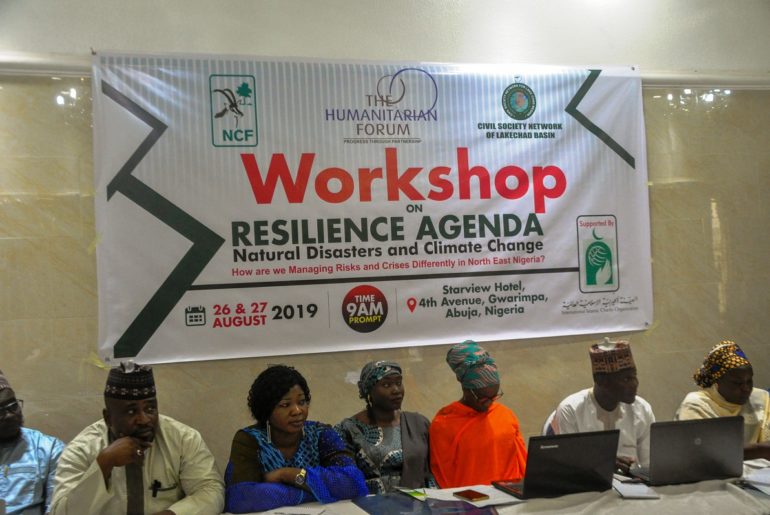
    The Nigerian Conservation Foundation, Civil Society Network for the Lake Chad Basin in the North East Nigeria, the Humanitarian Forum, UK with the support of the International Islamic Charity Organisation made the call at a two-day workshop in Abuja, themed, ‘Resilience agenda: Natural disasters and climate change – How are we managing risks and crises differently in North-East Nigeria?’

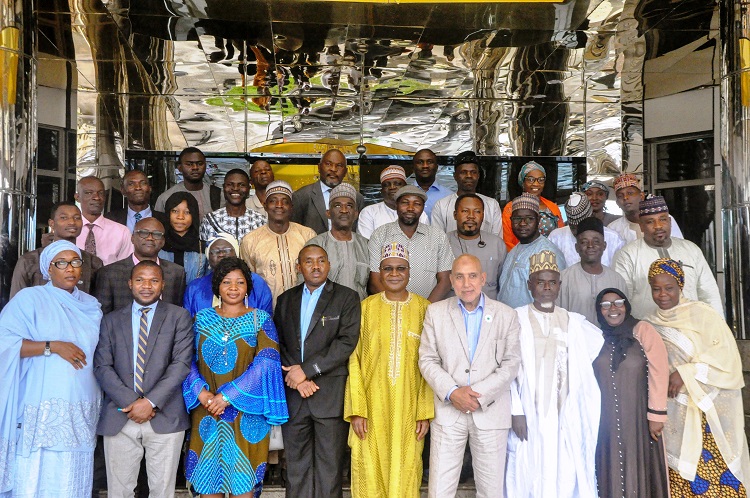
    Along with about 20 civil society organisations from the six states in North-Nigeria, representatives of government agencies, UN agencies, international NGOs and security agencies, the gathering examined climate change as a risk factor for disaster.

    The Director General of NCF, Dr Muhtari Aminu-Kano said climate change and forms of environmental degradation were at the root of the humanitarian crises in the North-East such as shrinking of the Lake Chad, drought and desertification, deforestation and land degradation.

    Along with about 20 civil society organisations from the six states in North-Nigeria, representatives of government agencies, UN agencies, international NGOs and security agencies, the gathering examined climate change as a risk factor for disaster

    The President of Civil Society Network for the Lake Chad Basin, Ambassador Shehu Ahmed, emphasised the need for the Federal Government, international organisations and corporate citizens to rise up to help.

    “Disasters and climate change impact on lives, livelihoods and economic development. People living in poor and developing countries bear the highest risk for disaster,” Ahmed said.

    “Impacts of disasters and climate change set back and undermine development efforts. Climate change is causing an increase in frequency and intensity of certain weather-related disaster events. These are some of the reasons we should take action immediately.”

    He stated that disasters and climate change could impact on lives, livelihoods and economic development, adding that people living in poor and developing countries were bearing the highest risk of disasters.

    The Country Director of IICO, Abdulwasea Adesina, also made an appeal to the participants not to end the discussion at the workshop but implement all the proposals from different relevant quarters.

  • Stepping Up Climate Action for a Resilient Africa

    Stepping Up Climate Action for a Resilient Africa

    Nisreen Eslaim, a young woman from Sudan who actively participated in the Peoples’ Revolution which triumphed over a 30-year autocracy, shares a devastating story that is phenomenon turning more challenging than winning the democratic struggle.

    People in her country are faced by another catastrophic ecological crisis of monumental proportion, which has already killed over 60 people and destroyed 37,000 homes.

    Nisreen is now very worried that though the people had capacity to mobilize themselves to rise against tyranny, their capacity to defeat the weather-inspired floods, which have become frequent, is diminished.

    She wonders why the “Loss and Damage” framework she has heard in UNFCCC Negotiations has not helped her people.

    “These are just some of the voices from people, generally fatigued by endless negotiations, conferences and declarations which end up gathering dust on the shelves of our ministries as the inaction on climate change, from national to international level, lingers across the board,” said Mithika Mwenda, Executive Director of the Pan African Climate Justice Alliance (PACJA).

    Such concerns are being raised at yet another Conference on Climate and Development in Africa (CCDA-VIII), holding in Addis Ababa, Ethiopia, on the theme: “Stepping Up Climate Action for a Resilient Africa: a Race We Can and Must Win”.

    “Do we need to be meeting year after year, making declarations which we do not honour?” Mithika quizzed, while re-echoing the request of the UN Secretary General for leaders to talk less and limit themselves to concrete actions they can take to address climate change.

    The action portfolios include the mobilization of public and private sources of finance to drive decarbonisation of all priority sectors and advance resilience; accelerate the shift away from fossil fuels and towards renewable energy; reducing emissions; advancing mitigation and resilience at urban and local levels; and advancing global efforts to address and manage the impacts and risks of climate change, particularly in those communities and nations most vulnerable.

    The vulnerability of the African continent to the effects of climate change is no longer in doubt, with cyclones, floods, mudslides, massive erosions and drought all affecting masses within the continent.

    Some of these effects of climate change can directly be linked to conflict, displacements, deaths, reduced agricultural activities and disease, all which have direct impact on economies of each nation.

    According to Ahmed Shehu, Regional Coordinator of the Civil Society Network of Lake Chad Basin, over 30,000 people have lost their means of livelihood to climate change which affected the Lake Chad Basin.

    He says the water at the Lake Chad had been shrinking daily and over 70 million people who relied on it for their livelihood were being affected and at the risk of also losing their means of livelihood.

    “And the insurgency contributed to it because people can no longer have access to the water because of trans-border issues, and it is causing drought, feminine and desertification,” he said.

    With the recent climate impacts of Cyclone Idai and Kenneth in Mozambique, Malawi, Tanzania and Zimbabwe, droughts and floods in KwaZulu-Natal and Eastern Cape; it is obvious that many African countries are just a step away to a natural disaster of sinking into a circle of poverty and prolonged lack of social and economic opportunities caused by the effects of climate change.

    “We challenge our leaders to walk the talk, and lead from the front,” said Mithika, in furtherance of the quest to step up climate action for a resilient Africa, and indeed globally, and to win the race.

    PACJA has worked with the Pan African Parliament to advance cooperation, which has crystalized into the African Climate Legislation Initiative (ACLI), an innovative and unique arrangement for the African context. This will enable African civil society and governments to work jointly to pursue shared vision of responsiveness to the health of the planet and the concerns of future generations.

    “We as the civil society reaffirm our commitment to work with all Actors, as long as this aligns with the aspirations and expectations of Africa’s people. In all successive negotiation outcomes,

    Africa has lost due to our inability to stand firm, and due to our susceptibility to forces of manipulation, intimidation and carrot-dangling,” said Mithika.

    The vulnerable people on the African continent can only keep hoping that the unity of purpose that brings climate actors to CCDA will contribute to a process which will shape the future of humanity and health of the planet.